The Caribbean island nation of Dominica has reached a critical early milestone in the development of its groundbreaking, world-first sperm whale conservation reserve, as the newly appointed governing board for the project has launched its first round of engagement with key local industry stakeholders.
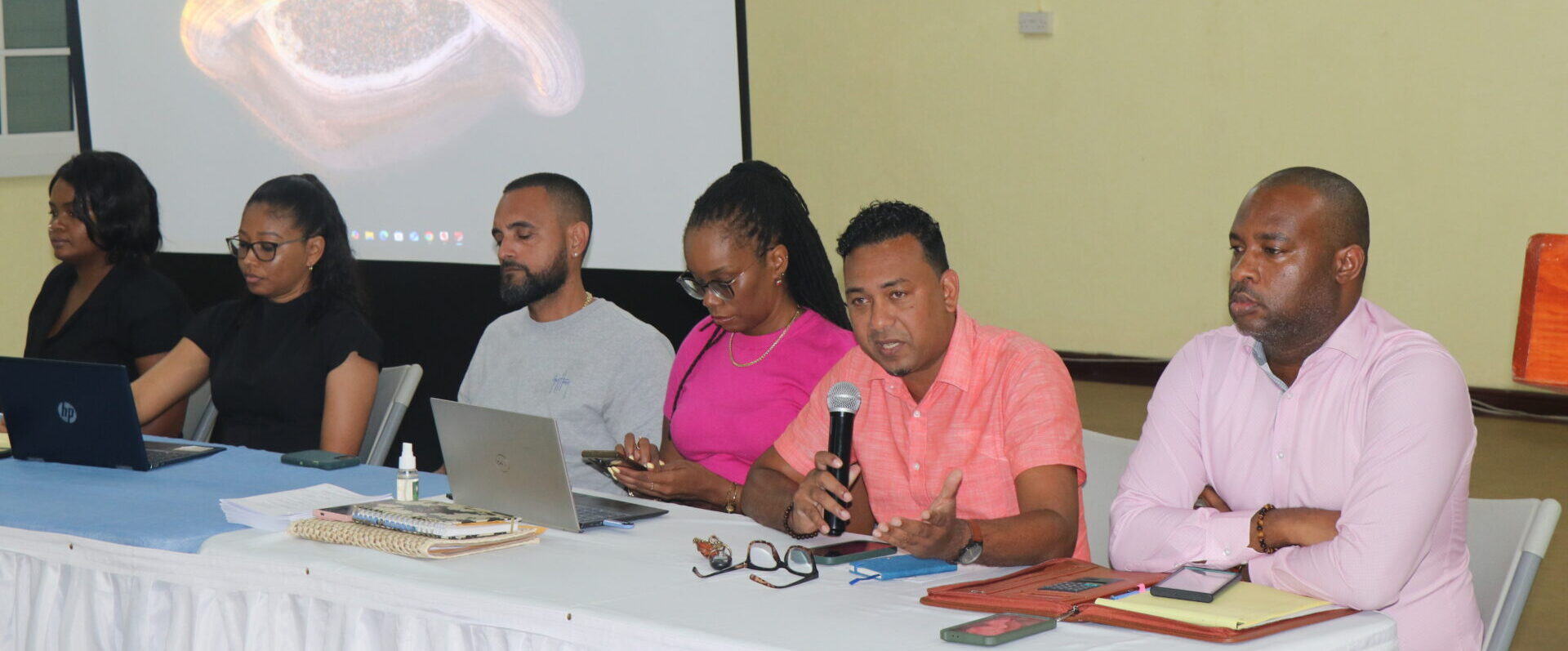
On June 10, 2026, the 10-member Sperm Whale Reserve Board gathered with watersports and whale watching operators at the St. Alphonsus Parish Hall in Goodwill, marking the board’s first public consultation since it was formally established under the 2025 Sperm Whale Reserve Act. The gathering allowed board members to introduce their roles, share updates on the reserve’s development timeline, and lay out the core mandate and long-term objectives that will guide the body’s work.
As the governing body tasked with strategic oversight of the unique protected area, the board draws representation from across public and private sectors to ensure diverse perspectives shape management of the reserve. Its membership includes delegates from multiple government ministries, the Dominica Air and Sea Ports Authority, the Dominica Watersports Association, two local fishermen’s cooperatives, a national scientific research institution, and the country’s Maritime Unit, creating a cross-sector governance framework designed to balance competing priorities for marine use.
Lisa Valmond, chair of the Sperm Whale Reserve Board and Permanent Secretary in Dominica’s Ministry of Environment, opened the consultation by emphasizing the non-negotiable value of collaborative governance for the initiative. Valmond stressed that long-term conservation success depends on centering the needs and input of local stakeholders whose livelihoods are inherently tied to the health of the island’s marine ecosystems.
Jullan Defoe, Minister of State in the Ministry of Agriculture, Fisheries, Blue and Green Economy, echoed that sentiment during his address to the gathering, noting that inclusive collaboration is the foundation of the reserve’s long-term viability. “The success of the Sperm Whale Reserve depends on meaningful collaboration with those who interact with our marine resources daily,” Defoe told attendees. “Through continued engagement and shared responsibility, we can protect this globally significant population of sperm whales while supporting sustainable economic opportunities for present and future generations.”
The reserve itself marks a historic milestone in global marine conservation: it is the first protected area in the world created specifically for the long-term protection of sperm whales and their critical deep-water habitat off Dominica’s coast. The board’s core priorities span far beyond species protection, integrating conservation with sustainable economic development aligned with Dominica’s broader blue and green economy strategy. Key mandates include conserving the island’s resident sperm whale population and their habitat, advancing science-backed sustainable marine resource management, supporting ongoing research and population monitoring, developing standards for responsible whale watching and marine tourism, expanding public outreach on marine conservation, strengthening cross-stakeholder cooperation, and building a resilient, inclusive blue economy that benefits local communities.
Industry representatives in attendance at the June 10 consultation responded positively to the board’s outreach. Delegates from the Dominica Watersports Association and local whale watching operators welcomed the opportunity for direct, ongoing dialogue with the reserve’s governing body, and reaffirmed their commitment to collaborative stewardship that positions Dominica as a global benchmark for responsible marine conservation.
This first consultation is the opening of a series of ongoing engagement sessions planned by the board, designed to ensure that local stakeholders, community members, researchers, and conservation partners all have a voice in shaping the reserve’s management framework. Government officials frame the initiative as a landmark model that proves it is possible to balance rigorous species protection with inclusive, sustainable economic growth. Through intentional collaborative governance, the reserve is set to not only safeguard one of Dominica’s most iconic and ecologically valuable marine species, but also cement the island’s global reputation as a leader in innovative, community-centered marine conservation that will benefit generations to come.