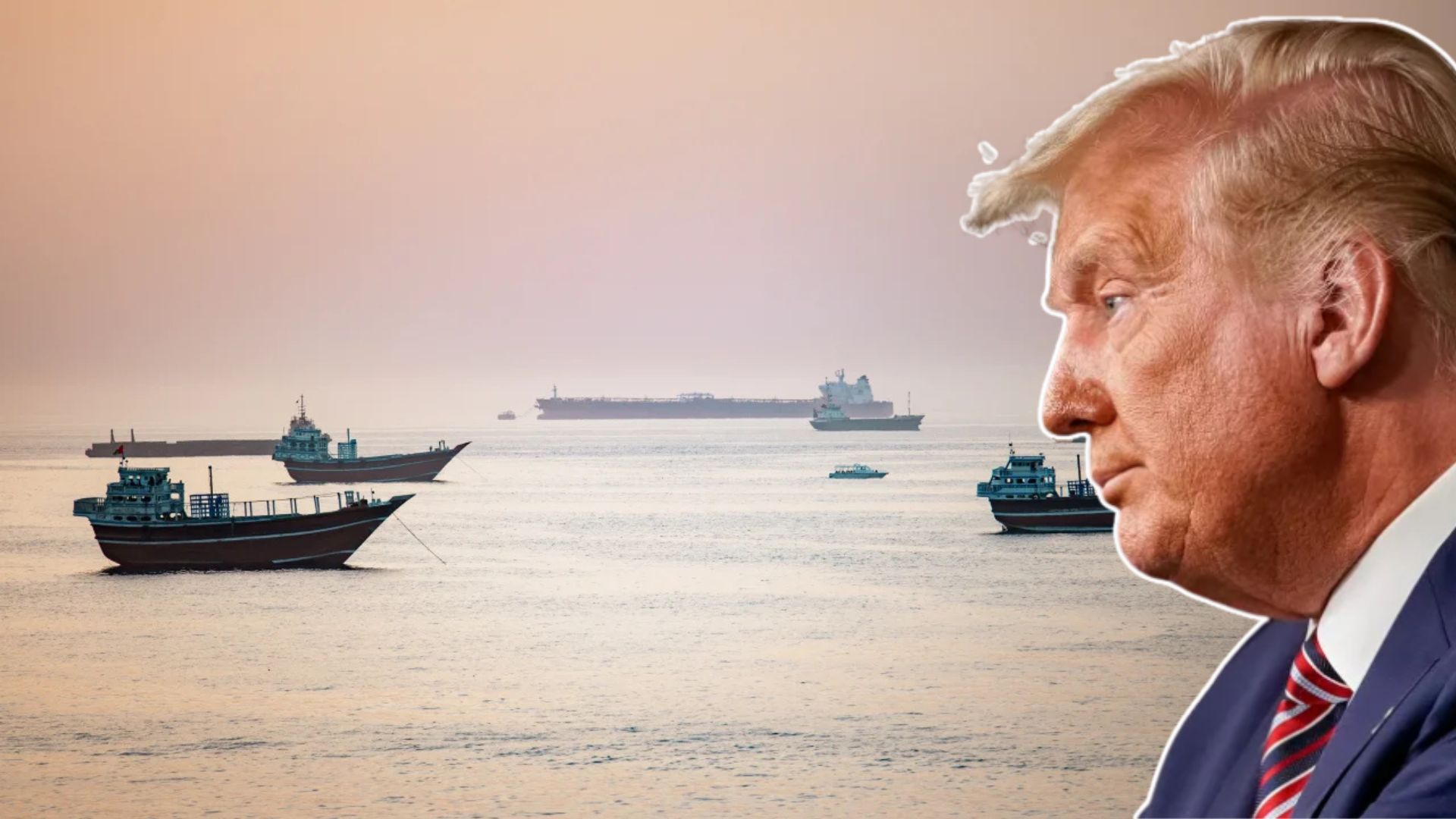
Just one week after a fragile interim ceasefire was brokered between the United States and Iran, a suspected drone attack on a commercial cargo vessel in the Strait of Hormuz has sent tensions soaring, bringing the already shaky truce to the edge of collapse. The incident, which unfolded Thursday off the Omani coast, targeted the Singapore-flagged Ever Lovely, a vessel owned by Taiwan-based shipping giant Evergreen Marine. According to early reports from BBC News, the ship was traveling along a standard southern route parallel to Oman’s coastline when it was hit by an unmanned projectile. Remarkably, none of the crew members on board suffered injuries, and the Ever remained seaworthy enough to continue its scheduled voyage after the attack.
Within hours of the incident, former U.S. President Donald Trump, who negotiated the 60-day interim truce, publicly condemned Tehran on his social platform Truth Social, labeling the strike a “foolish violation” of the signed agreement. Trump confirmed that U.S. defense systems intercepted three incoming drones before the attack, but a fourth managed to penetrate defensive lines and hit the cargo ship. “Damage was done, but the ship was able to proceed on its way,” he wrote in his post, setting the stage for a swift military response.
Shortly after Trump’s public remarks, the U.S. military launched retaliatory strikes against key Iranian military infrastructure, targeting missile and drone storage facilities as well as coastal radar sites along Iran’s Gulf coast. A U.S. military official speaking to Al Jazeera described Tehran’s alleged actions as “unwarranted aggression” that “clearly violated” the terms of the temporary ceasefire.
To date, Iranian officials have not formally claimed responsibility for the drone strike. However, hours before the incident, the Islamic Revolutionary Guard Corps (IRGC), Iran’s elite military force, issued a stark warning that any commercial vessels failing to coordinate directly with the Iranian navy while transiting the strait would face serious security risks. The IRGC also doubled down on its rejection of diplomatic engagement with Washington, flatly denying that any permanent communication channels had been established between the two governments. “The Strait of Hormuz is Iranian territory and has no connection to the United States,” an IRGC spokesperson told Al Jazeera, reinforcing Iran’s long-standing stance on sovereignty over the critical waterway.
Beyond the immediate military and diplomatic fallout, the attack has already derailed critical international humanitarian efforts. The International Maritime Organization (IMO) announced it has paused plans to evacuate more than 11,000 seafarers who have been stranded in the Gulf region amid months of escalating tensions. Under the terms of the interim truce, both Washington and Tehran had agreed to a 60-day window to negotiate a permanent, lasting agreement to de-escalate hostilities in the Gulf. That timeline, once seen as a tentative breakthrough after years of open hostility, is now facing unprecedented strain, with many regional analysts warning the truce could collapse entirely within days if both sides do not step back from further escalation.