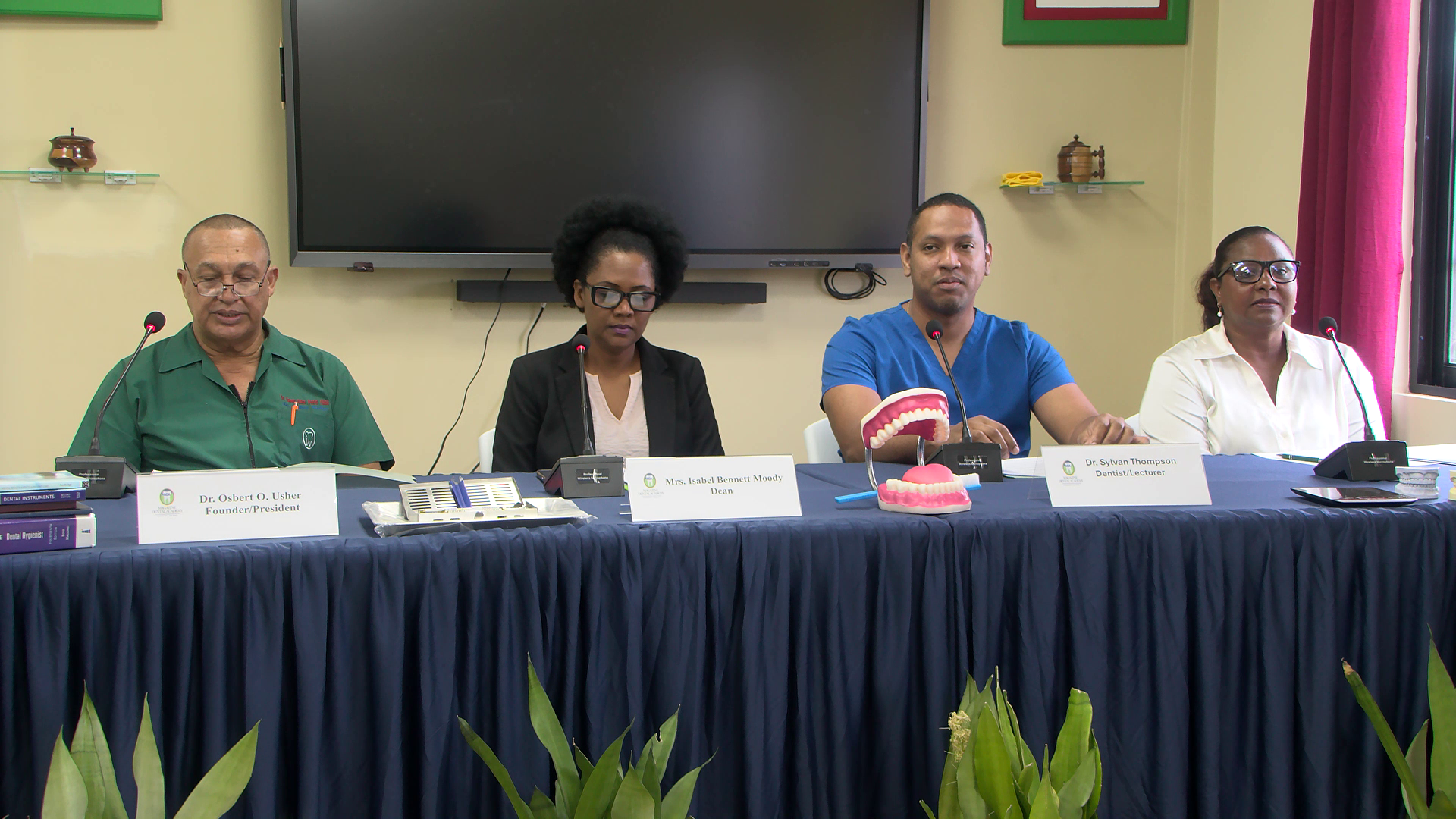
In a landmark step to strengthen Belize’s public health infrastructure and expand access to oral care training, the Central American nation has launched its first homegrown dental training institute, the Magazine Dental Academy, set to welcome its first cohort of students this summer.
For years, Belizean residents hoping to enter the dental profession have been forced to travel abroad to complete accredited training, a pathway that comes with prohibitive costs that block many talented aspiring clinicians from pursuing their career goals. This new academy eliminates that barrier, keeping training local and making dental education accessible to a far broader pool of applicants.
Founded by Dr. Osbert Usher, who also serves as the academy’s president, the institution has a dual mission: growing the domestic dental workforce and tackling the root causes of widespread chronic disease across Belize. Medical research has long established a clear connection between poor oral health and the development of serious systemic conditions including heart disease, diabetes, and respiratory illness – a link Usher aims to address through expanded prevention and community education.
“In Belize, we do have a lot of systemic disease that plague our population. And most of these things initiate from the oral cavity. And as such, we want to educate more cadre of students so that they can go out eventually and treat and educate patient so that in their latter years they don’t end up with these systemic diseases,” Usher explained in an interview ahead of the academy’s official launch this Friday.
The academy is designed to train mid-tier dental providers who can fill critical gaps in Belize’s current care system. Each 12-month training program will have capacity for 25 new students, allowing the institution to graduate a new cohort of qualified professionals every year. Usher estimates that Belize currently needs roughly 100 additional trained dental care workers to meet existing demand for oral health services that link directly to preventing long-term chronic illness.
Graduates of the program will earn qualifications that allow them to carry out a wide range of core dental services: they will deliver oral health education to communities and local schools, treat early-stage gum disease, conduct screenings for cavities and other oral conditions, administer fluoride treatments, and refer patients with more complex health needs to fully licensed specialist dentists.
Applications for the academy’s inaugural cohort, which is scheduled to begin classes on July 16, are still open to interested candidates. The initiative marks a foundational shift in Belize’s approach to public health, turning local training into a tool for long-term improvement in population health outcomes that extends far beyond oral care.