A historic milestone for public health across the Western Hemisphere was reached this week at the 56th Regular Session of the Organization of American States (OAS) General Assembly, where member states formally adopted the groundbreaking Declaration on Improving Mental Health in the Americas. The initiative, which traces its origins to a regional conversation first launched by Antigua and Barbuda during the previous General Assembly that the Caribbean nation hosted, has been widely celebrated as a long-overdue step forward for a long-neglected global health priority.
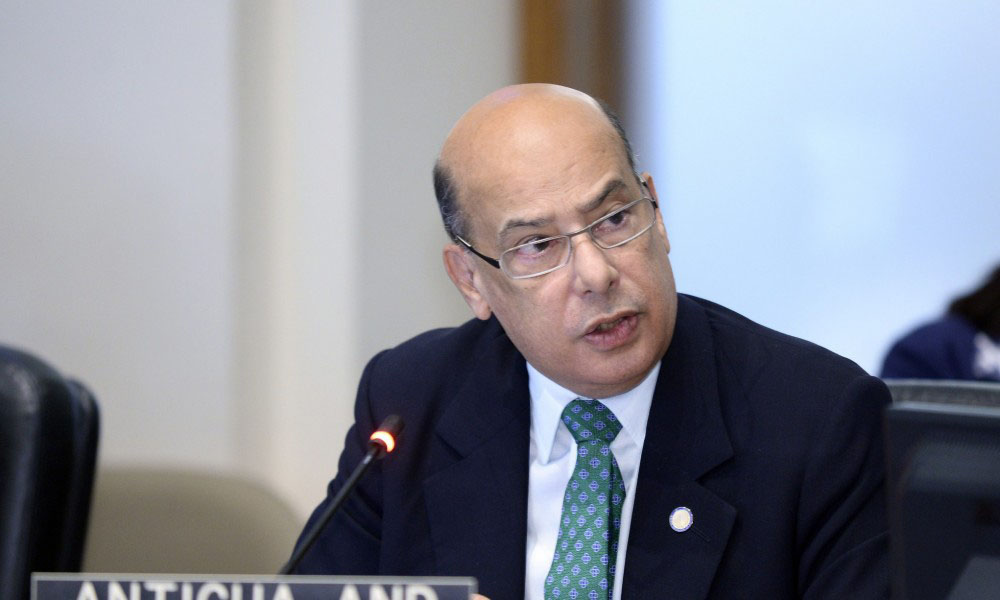
In an official statement delivered to the assembly by Sir Ronald Sanders, head of Antigua and Barbuda’s delegation, the small island nation extended full praise to the OAS General Assembly for the historic adoption of the text. Sir Ronald emphasized that mental health is far more than a narrow medical concern: it forms a foundational pillar of individual well-being, social cohesion, and long-term sustainable development across all societies in the region.
Outlining the origins of the push for regional action, Sir Ronald confirmed that the conversation was launched at the request of Antigua and Barbuda’s Prime Minister, the Honourable Gaston Browne, during the previous gathering of OAS members. From its inception, the initiative was rooted in the core belief that strong mental health systems are non-negotiable for building resilient, progressing societies across the hemisphere.
The statement made clear that growing regional pressures have made urgent collective action impossible to ignore. Recurring climate-driven disasters, persistent economic vulnerability, widespread social disruption, and the lingering aftermath of the COVID-19 pandemic have all compounded existing strain on mental health and exposed gaps in care systems across the Americas. These shared challenges, Antigua and Barbuda stressed, demand coordinated, cross-border cooperation rather than isolated national responses.
A key framing advanced by the delegation is the recognition that mental health intersects with multiple critical policy areas, not just public health. It is equally a development issue, an education priority, a labour market concern, and a fundamental human right. Against this backdrop, the new declaration stands as a landmark collective commitment from OAS member states to deepen cross-border collaboration, exchange evidence-based best practices, expand equitable access to high-quality mental health services, and advance people-centred policy frameworks centered on prevention, ongoing care, and full recovery.
Antigua and Barbuda also specifically highlighted the declaration’s inclusive language, which prioritizes the unique needs of vulnerable persons and marginalized groups and enshrines inclusive, accessible approaches to national mental health policy.
Speaking to the significance of the moment, Sir Ronald framed the adoption as a critical turning point after decades of inaction. For far too long, he noted, mental health has ranked among the most neglected public health challenges across the hemisphere. Today, the declaration sends a unified, clear message: that mental health is integral to human dignity, collective well-being, and sustainable development, and investing in mental health systems is an investment in healthier, more resilient communities across every corner of the Americas.
As the nation that first initiated the regional conversation that led to this milestone, Antigua and Barbuda expressed deep pride in the outcome. The delegation reaffirmed the country’s ongoing commitment to working alongside all OAS member states to turn the political commitment made at the Panama session into tangible, on-the-ground action that improves lives across the region — particularly for those who have long been unseen, misunderstood, and left behind by existing mental health systems.