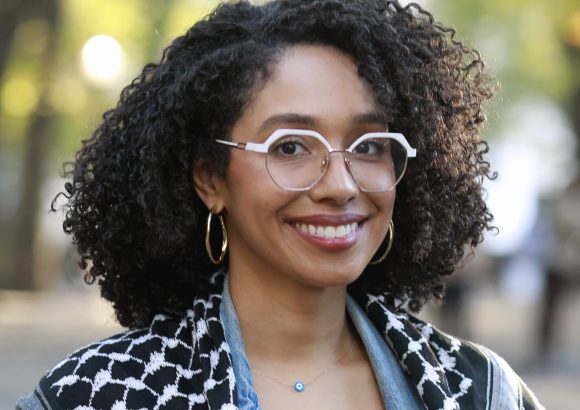
In a stunning upset that has sent ripples through U.S. Democratic politics, first-time candidate Darializa Ávila Chevalier has claimed victory in the Democratic primary for New York’s 13th Congressional District, edging out long-serving incumbent Congressman Adriano Espaillat by a narrow margin. Latest certified election results show Ávila Chevalier secured 49.4% of the total vote, compared to Espaillat’s 46% — a result that upends expectations for a seat long held by one of the Democratic Party’s established Dominican-American leaders.
The 13th District, which includes majority-Latino neighborhoods like Washington Heights in Upper Manhattan, is one of the nation’s most high-profile constituencies with a majority Dominican-American population. Espaillat, who has represented the district in Congress since 2017, built a reputation as a respected bridge between local Dominican community interests and national Democratic policy, making his defeat one of the most significant incumbent upsets of the 2024 primary cycle.
At 32 years old, Ávila Chevalier brings a new profile to the race: a Columbia-educated sociologist, Dominican-American born in Miami to immigrant parents and raised in the heart of Washington Heights. She centered her entire campaign around three core pillars: grassroots community-centered representation, sweeping progressive policy reform, and pushing the Democratic Party to elevate younger, less entrenched political voices. Throughout her campaign, she repeatedly emphasized her dual rootedness in both the Dominican community and the New York district she now will represent, framing her connection to the area as a more authentic match for voters than the incumbent’s long tenure in Washington.
Ávila Chevalier’s win cements her status as one of the fastest-rising stars within the progressive wing of the Democratic Party, and counts as a high-profile victory for the Democratic Socialists of America movement, which backed her campaign. Beyond the local result, the primary contest encapsulates the growing generational and ideological divides roiling the national Democratic Party: it pitted a decades-long incumbent with deep establishment ties against a young, outsider progressive candidate pushing for systemic change, a dynamic that has played out in dozens of primaries across the country in recent election cycles.
Notably, even with the competitive race between two candidates with very different political profiles, Dominican representation remained the throughline of the entire contest. Both candidates built their campaigns around their deep ties to the Dominican diaspora in New York, meaning the outcome will not break the long tradition of Dominican-American leadership for the district. Instead, it brings a fresh, progressive voice from the community to the national congressional stage, signaling a shift in the priorities of voters in one of New York’s most politically active districts.