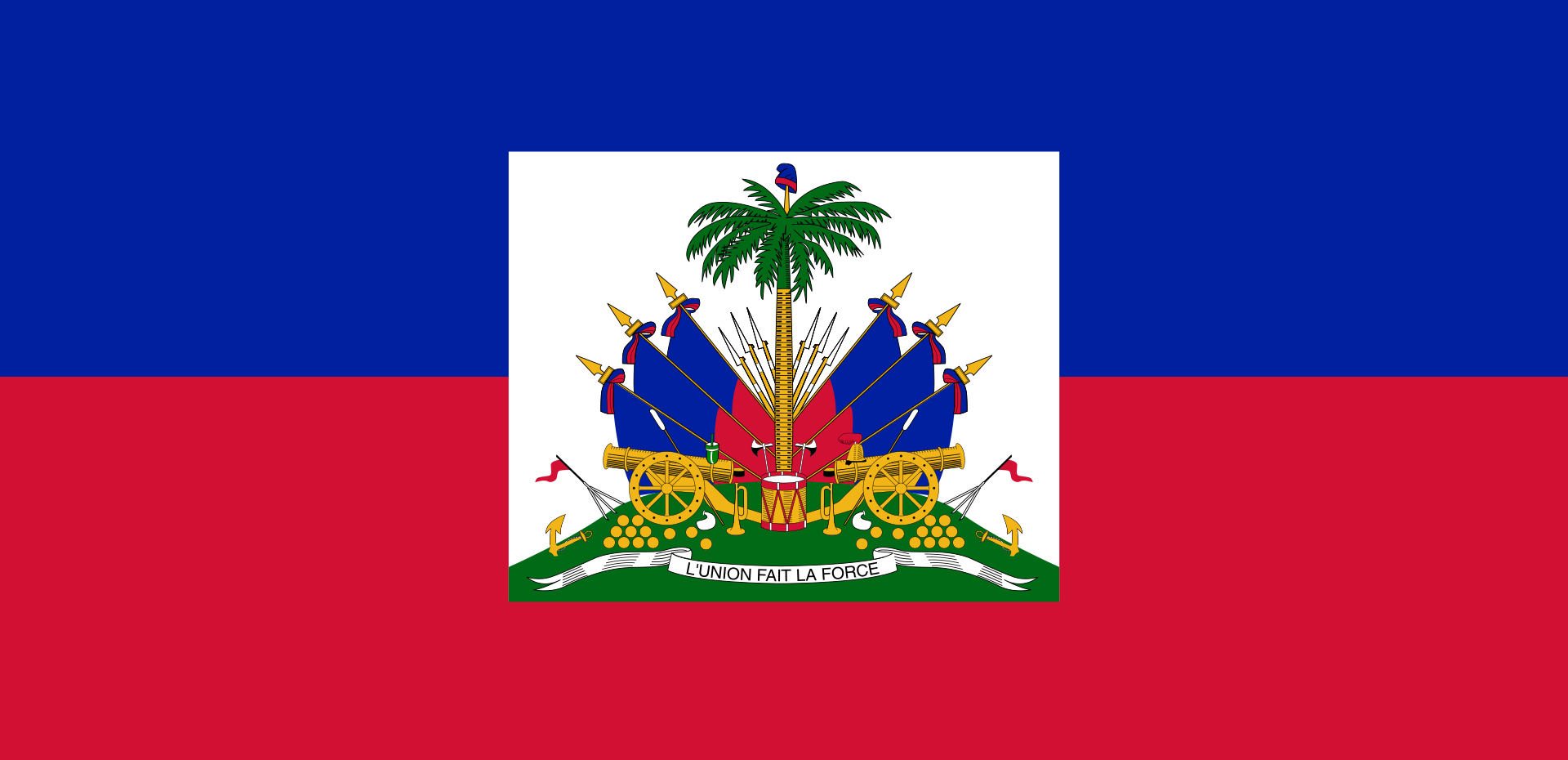
On June 16, a high-stakes diplomatic meeting unfolded at Port-au-Prince’s National Palace, bringing together United Nations Secretary-General António Guterres and Haitian Prime Minister Alix Didier Fils-Aimé to address one of the Caribbean’s most pressing humanitarian and political crises. The discussion centered on two core pillars of Haiti’s current national trajectory: the fragile transitional governance process and the escalating security threats that have paralyzed much of the country.
According to official reports from United Nations Caribbean News, Guterres opened the meeting by acknowledging the incremental progress made by Haitian transitional authorities in advancing their stated key priorities. These include expanding control over violence-plagued territories to shore up national security, enacting long-overdue reforms to rebuild the broken justice system, launching community-focused programs to reintegrate vulnerable populations displaced by conflict, and laying the administrative groundwork for upcoming democratic elections. The UN chief recognized the significant challenges Haitian leaders face in moving these priorities forward amid ongoing instability.
Guterres used the meeting to reaffirm the world body’s unwavering commitment to standing with Haiti through its ongoing crisis. He made clear that UN agencies, on-the-ground representatives, and in particular his personal Special Representative will continue to maintain active, sustained engagement to support Haitian-led efforts to stabilize the country.
Despite that nod to progress, the Secretary-General did not shy away from highlighting the gravity of the security situation. He voiced deep and urgent concern over the unrelenting spread of gang violence across Haiti, pointing out that marginalized groups — especially women and children — bear the brunt of the ongoing bloodshed and displacement. Humanitarian groups have repeatedly warned that gang activity has left hundreds of thousands of Haitians cut off from basic food, medical care, and safe shelter.
Both Guterres and Fils-Aimé struck a collaborative tone on steps the international community has already taken to assist Haiti. The two leaders welcomed the recent launch of the United Nations Support Office in Haiti (UNSOH), a new entity tasked with delivering critical logistical and operational backing to local and international security efforts. They also noted tangible progress in the deployment of the multinational Gang Suppression Force (GSF), which was approved earlier this year to counter the power of armed criminal groups.
By the end of the meeting, the two officials converged on one core conclusion: that Haiti’s crisis is complex and multifaceted, and no amount of domestic effort will succeed without consistent, long-term international backing. The meeting underscored the shared commitment between the UN and Haiti’s transitional government to working toward a peaceful, stable, and democratic future for the Haitian people, even as immediate security challenges remain far from resolved.