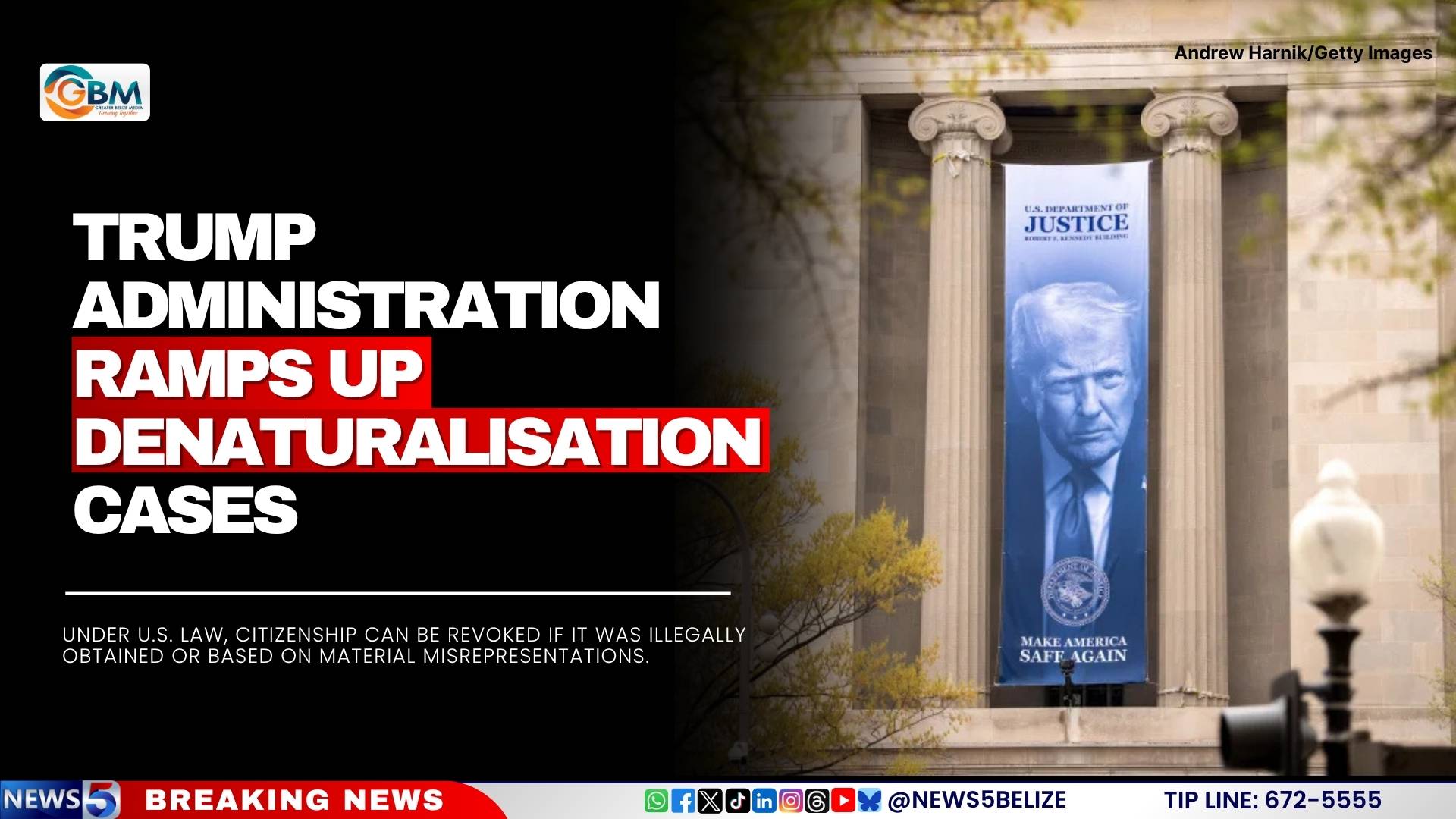
A sweeping new policy shift from the second Trump administration is set to dramatically escalate the number of denaturalization cases pursued by the U.S. Department of Justice, with a target of filing at least 250 such actions by October 2026, according to a senior anonymous DOJ source interviewed by CNN. This initiative marks an unprecedented acceleration of efforts to strip citizenship from naturalized American citizens, a process that has remained exceptionally rare over the past 18 years.
Data compiled by Syracuse University’s Transactional Records Access Clearinghouse (TRAC) underscores the severity of this new push. From 2008 through June 12, 2026, just 166 denaturalization cases were filed across all presidential administrations, averaging fewer than 10 cases annually. Even in the full four-year term of the prior Biden administration, only 24 such cases were brought to court. So far in 2026 alone, the current DOJ has already filed 29 cases centered on allegations of fraud during the naturalization application process.
CNN reports that this expanded crackdown is a core component of President Trump’s broader anti-immigration policy agenda, and has already triggered internal reshuffling of department resources. To handle the expected surge in caseload, the DOJ has reassigned civil litigators to work on denaturalization actions and has mandated participation from U.S. attorney offices across every federal judicial district in the country.
Department officials outlined to CNN the types of conduct targeted under the new initiative. Most cases center on claims of application fraud, failure to disclose prior criminal activity, or allegations of child sexual abuse. A smaller subset of cases also involves individuals suspected of having ties to terrorism-related activity that was concealed during the naturalization process.
Under longstanding U.S. immigration law, naturalized citizenship can be legally revoked if it is determined that the status was obtained illegally or through the knowing misrepresentation of material information on a citizenship application. If the government prevails in a denaturalization case, the individual is returned to their prior immigration status and almost immediately becomes eligible for deportation from the United States.
While DOJ officials emphasize that the policy is narrowly targeted at serious fraud and threats to national security, independent legal experts have raised notes of caution. They point out that denaturalization remains a procedurally complex legal process, and successfully pursuing hundreds of such cases at scale presents unprecedented practical and legal challenges that could limit the administration’s ability to meet its aggressive target.