Date: June 15, 2026
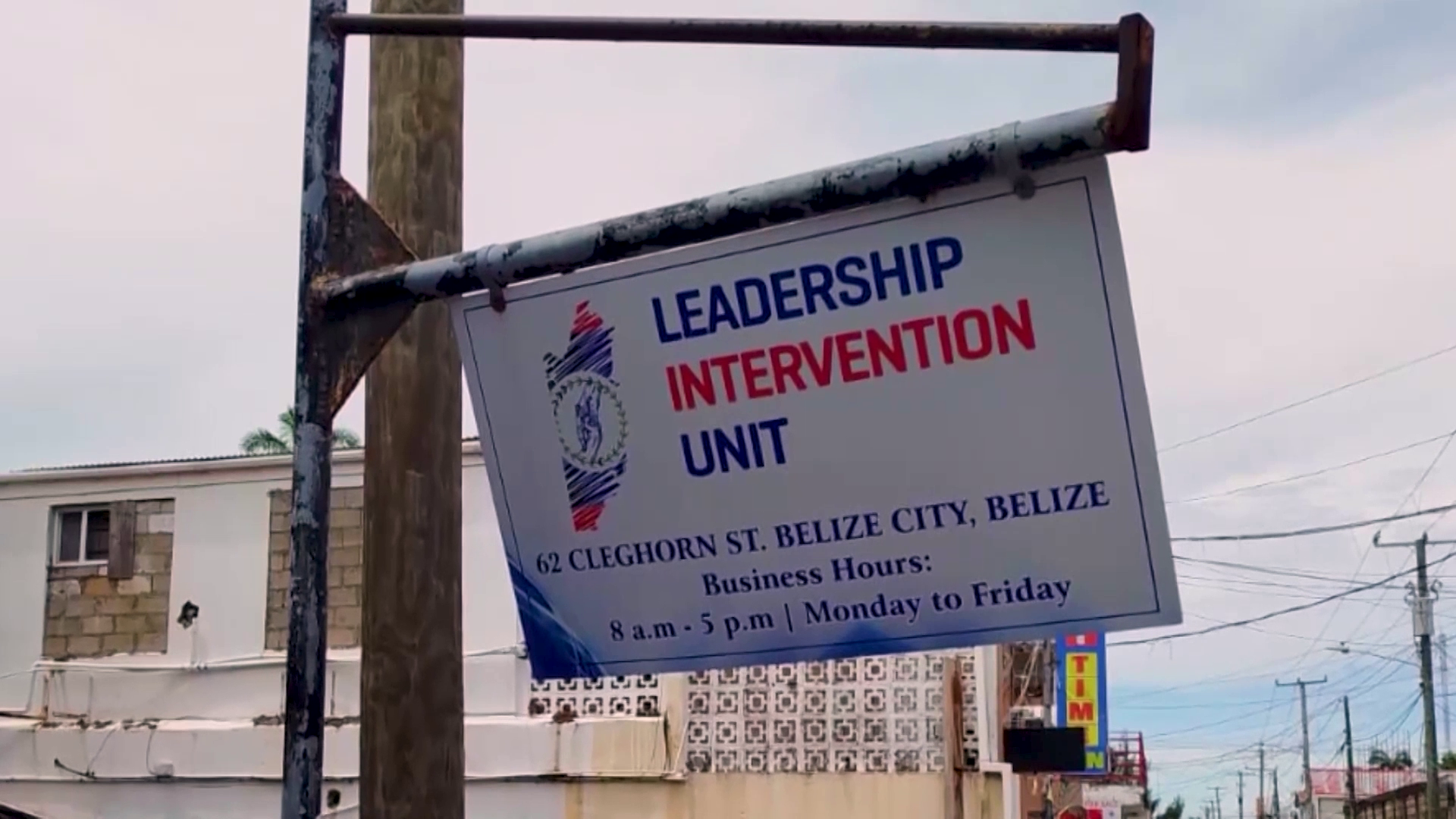
The future of Belize’s Leadership Intervention Unit (LIU) hangs in the balance as the government puts the program on hold, escalating pressure on the initiative to prove it delivers measurable results to justify the public funding it has received to date.
The momentum for accountability grew stronger after Home Affairs Minister Oscar Mira publicly stated he would not back continued public spending on the program unless clear, quantifiable outcomes are demonstrated. In an exclusive interview following the pause, Acting LIU Director Andrew Dawson pushed back against the minister’s stance, defending the program’s work and addressing widespread misinformation surrounding its core mission.
Dawson pushed back against claims that the minister’s position represents a fundamental rejection of the LIU’s accountability framework, noting that the program has already taken intentional steps to improve transparency. “I do not believe the minister is opposed to accountability as a principle,” Dawson explained. “We already have established structures that prioritize oversight. One key reform we implemented was shifting from an outdated check payment system, which had inherent loopholes, to a digital Digi Wallet platform that offers far greater transparency and financial accountability.”
Dawson acknowledged that no public program is without room for growth, adding that ongoing reassessment and improvement are a core part of the LIU’s operations. He emphasized that the current pause has been widely misinterpreted by the public, arguing that the program’s core mission goes far beyond a simple temporary work program.
“This initiative is rooted in social intervention and transformative change for the livelihoods of vulnerable individuals,” Dawson said. “It is not, as some have incorrectly claimed, just a program that pays people to keep the peace. Our goal is to drive long-term change in both their daily circumstances and their mindsets, while providing a critical financial safety net for those who face severe barriers to entering the traditional workforce.”
Addressing one of the most persistent rumors about the LIU, Dawson firmly refuted the allegation that the program was created to pay gang members to avoid criminal activity. He also clarified that not all participants in the LIU’s work program have gang affiliations, pushing back against broad stigmatization of the people the program serves.
With the program currently on pause, Dawson warned that the sudden halt to support has created a significant financial gap for participants, many of whom face steep barriers to stable employment. “Of course it creates a void,” he said. “These individuals are already grappling with sky-high cost of living, and even with the program’s support, that money went toward covering basic household needs. When that income disappears, they are forced to find other ways to make ends meet.”
Dawson declined to directly link the pause to rising crime rates, noting that there is no concrete evidence connecting the loss of LIU support to an increase in offending. But he acknowledged that the sudden end of support creates measurable tension and uncertainty for participants, many of whom cannot easily re-enter the traditional workforce.
“These individuals face multiple barriers to employment: low educational attainment, past criminal records, and a host of other obstacles that make it extremely hard to integrate into the regular labor market,” Dawson explained. “Right now, many don’t know where their next meal will come from, and that uncertainty creates real hardship. That is exactly the gap the LIU was designed to fill.”
Dawson reaffirmed that the LIU’s mission has always been rooted in social protection, not the corrupt pay-for-peace scheme critics have described. Looking ahead, he said the LIU leadership is currently exploring new, alternative income-generating programs that can deliver meaningful, sustainable economic support for participants and their families while meeting the government’s new accountability requirements.