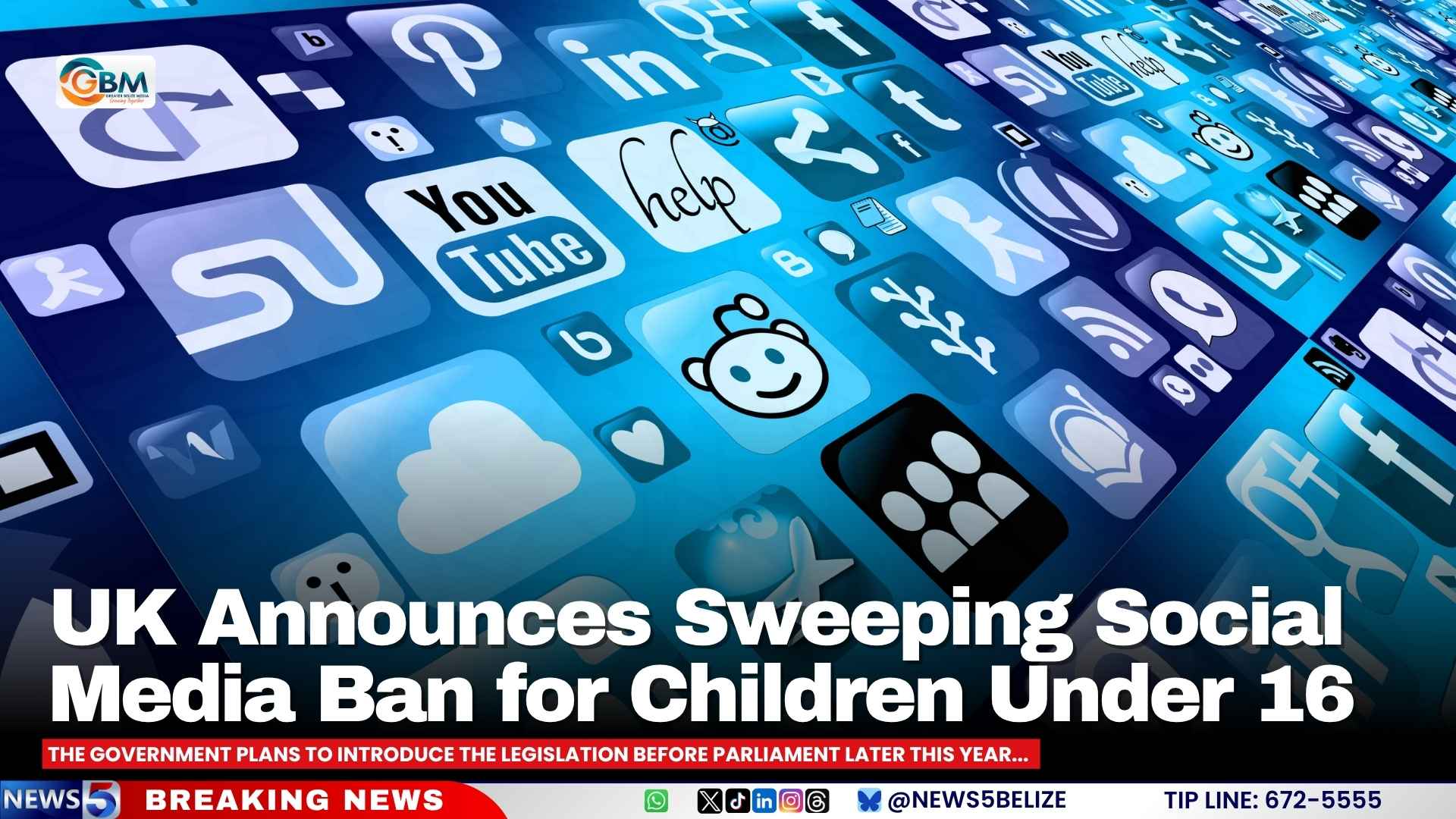
In a historic move set to reshape global digital child protection policy, the United Kingdom government has announced plans for one of the world’s strictest bans on minor access to social media, outlawing platform use for all users under the age of 16. Prime Minister Keir Starmer confirmed the sweeping proposal, which targets all major mainstream social media services that facilitate user interaction, content sharing and algorithmic feed personalization.
Under the draft legislation, children will be barred from creating or maintaining personal accounts on leading platforms including TikTok, Instagram, Facebook, Snapchat, YouTube and X (formerly Twitter). Notably, the new regulations will not extend to end-to-end encrypted private messaging apps such as WhatsApp and Signal, which are excluded from the ban’s scope.
Starmer framed the policy as a decisive intervention to tackle growing concerns over the negative mental, social and emotional impacts of unregulated social media use on young people. He emphasized that the rules will not only protect children from well-documented online harms like cyberbullying, predation and exposure to inappropriate content, but also give parents clear, enforceable guidance on age-appropriate digital activity. The prime minister noted that the UK’s proposal outpaces existing regulations in every other nation, marking an unprecedented step forward in safeguarding young internet users.
The government plans to submit the bill to Parliament for debate and voting before the end of 2026. If approved by lawmakers, the ban will formally go into effect across the UK in spring 2027. The announcement places the UK among a expanding cohort of countries rolling out targeted restrictions on child social media access, responding to mounting pressure from public health experts and parent advocacy groups.
Policy analysts note that if enacted, the UK’s framework will position the country as a global leader in digital child protection regulation, creating a template that could inspire similar legislative changes in jurisdictions across North America, Europe and beyond amid growing global consensus on the need for stricter guardrails for young people online.