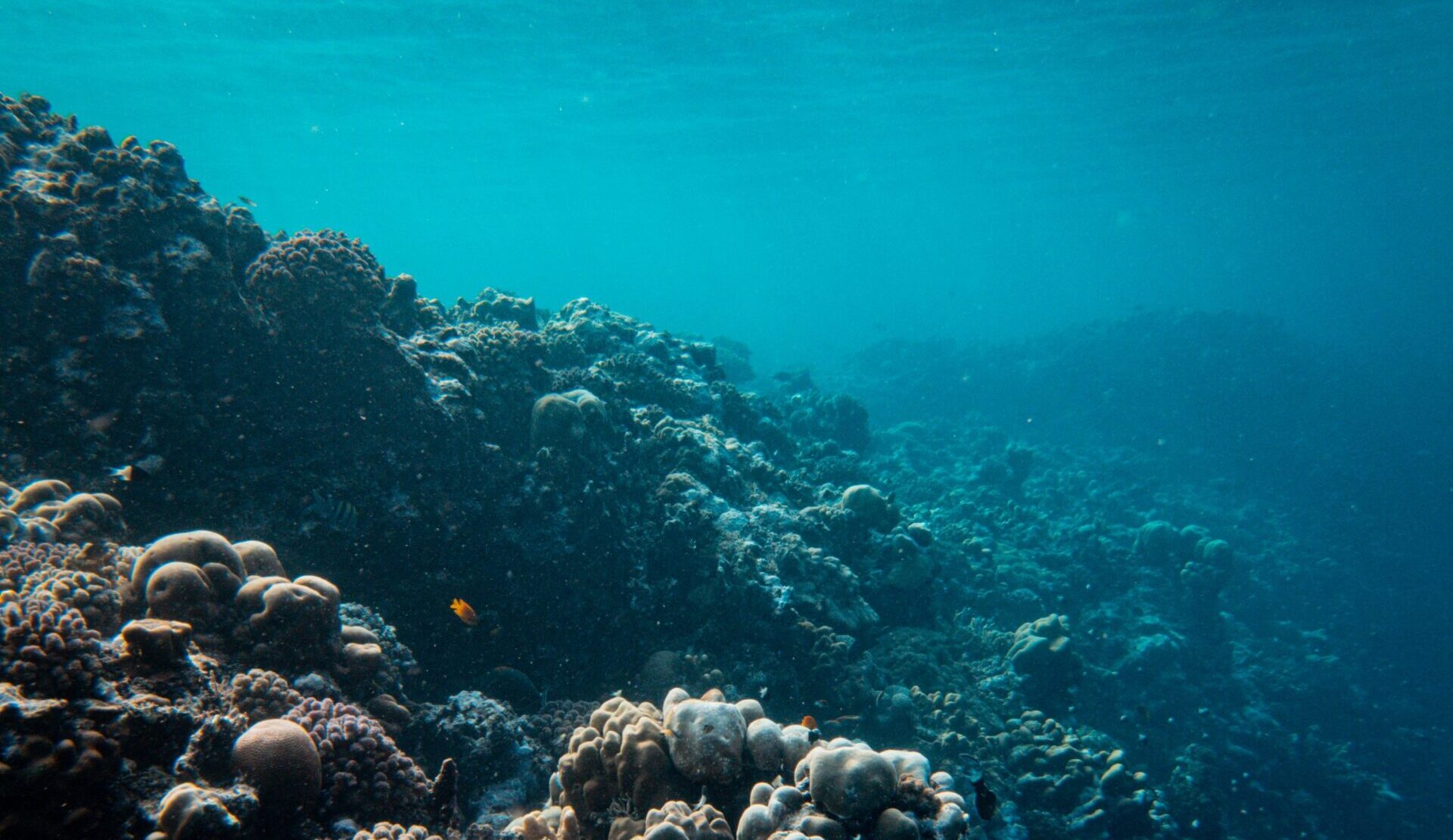
For billions of people around the world, the ocean feels like a distant, disconnected entity—an endless expanse separate from everyday routines, too often taken for granted. But this long-held narrative could not be further from the truth. The ocean is woven into every corner of human existence: it fills the air we breathe, feeds billions, and regulates the climate that makes life on Earth possible. Each year on June 8, the United Nations’ World Ocean Day brings millions of advocates across more than 180 countries together to shine a spotlight on the ocean’s irreplaceable role in sustaining global life and drive collective action to protect fragile marine ecosystems.
Covering more than 70% of Earth’s surface, the ocean is the planet’s primary life support system. It generates at least 50% of the world’s oxygen, hosts 80% of all global biodiversity, and serves as the main source of protein for more than one billion people. Beyond supporting natural ecosystems, the ocean is a foundational pillar of the global economy: projections estimate that ocean-based industries will employ 40 million people worldwide by 2030, acting as a critical source of livelihood for coastal communities across the globe.
Yet decades of overexploitation have pushed marine ecosystems to a breaking point. Today, 90% of global large fish populations have been depleted, and half of the world’s coral reefs—one of the most biodiverse habitats on the planet—have already been destroyed. We have extracted far more from the ocean than it can replenish, creating an unsustainable imbalance that threatens both marine life and human survival.
Against this urgent backdrop, the 2026 theme for World Ocean Day, “Reimagine”, calls on people, governments, and global institutions to fundamentally reshape how we interact with and protect our blue planet. This shift toward renewed stewardship comes as the United Nations marks a historic milestone in global ocean governance: the entry into force of the Biodiversity Beyond National Jurisdiction (BBNJ) Agreement, the world’s most groundbreaking regulatory framework for high seas conservation to date.
This legally binding UN treaty governs the two-thirds of the world’s ocean that lie outside national borders, known as the high seas, and the international seabed. It establishes new, science-backed rules for marine resource management, the creation of protected marine areas, and mandatory environmental impact assessments for commercial activities in international waters. Designed to ensure the high seas are managed collectively for the benefit of all humanity, the BBNJ Agreement is also the first legally binding ocean instrument to center inclusive governance, with explicit provisions mandating the engagement of Indigenous Peoples and local communities, as well as requirements for gender balance in decision-making. It strengthens the existing international legal framework built on the 1994 UN Convention on the Law of the Sea, often called the “constitution for the oceans”, which has guided global maritime rules for three decades.
Beyond global policy, the article highlights a critical, often overlooked dimension of ocean conservation: its deeply gendered landscape. Across the world, women make up roughly half of the global workforce in informal nearshore harvesting, fish processing, and aquaculture, even as men dominate commercial offshore fishing. Yet their contributions to marine stewardship are frequently marginalized. Traditional gender roles that assign women primary responsibility for household food security and water management in coastal communities also mean they bear the brunt of ocean degradation and climate change-driven disruptions to marine ecosystems. Even in academic and leadership spaces, women remain underrepresented: while many pursue advanced degrees in marine biology, they make up a small minority of senior researchers, lead principal investigators, authors in top peer-reviewed journals, and high-level fisheries policy decision-makers. This exclusion weakens global conservation efforts, erasing the on-the-ground expertise of half of the marine workforce.
One of the most pressing emerging threats to ocean health today is deep-sea mining, a destructive industrial practice driven by excess demand from Global North economies that is pushing oceans closer to collapse. The practice involves extracting rare minerals—including manganese, nickel, and cobalt—that have formed into potato-sized deposits on the deep seabed over millions of years. Gigantic mining machines heavier than blue whales scrape these deposits from the seafloor, thousands of meters below the ocean surface, before pumping the material up to surface vessels and dumping mining waste, including sediment, sand, and excess rock, back into the water column. This practice destroys irreplaceable deep-sea ecosystems and disproportionately harms vulnerable coastal communities in the Global South, who face the worst impacts of ecological damage despite contributing the least to overexploitation.
Regulation of deep-sea mining falls to the International Seabed Authority (ISA), established in 1994 under the UN Convention on the Law of the Sea and headquartered in Kingston, Jamaica, which governs all commercial activity on the international seabed.
As the world marks World Ocean Day 2026, the call to reimagine our relationship with the ocean demands action at every level—from individual behavior to national policy and global cooperation. Individuals can step into active stewardship by joining local coastal cleanups, supporting grassroots ocean conservation organizations, and reducing single-use plastic consumption that clogs marine ecosystems. For global leaders and governments, the priority must be to halt the expansion of destructive industries, including restricting new deep-sea mining licenses that put already vulnerable ecosystems at irreversible risk.
This World Ocean Day, it is time to move beyond the narrative of the ocean as an infinite resource for extraction and unite the global community around a new vision: one of sustainable, inclusive stewardship that restores the ocean’s vibrancy and secures its benefits for generations to come. Happy World Ocean Day.