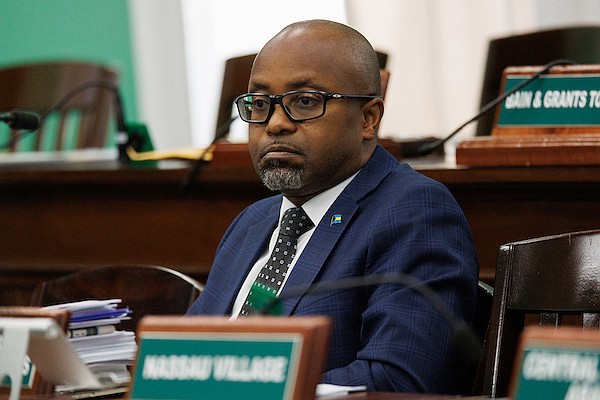
A senior opposition lawmaker in the Bahamas has launched a scathing critique of the ruling Progressive Liberal Party (PLP) government, accusing state power utility Bahamas Power and Light (BPL) of hiding behind excuses instead of resolving chronic power outages and holding the administration accountable for broken pledges on affordable, reliable electricity.
Speaking during parliamentary debate Monday, Kwasi Thompson, the member of parliament for East Grand Bahama, pushed back against a recent public statement from BPL that blamed recent widespread service disruptions on a combination of unexpected equipment breakdowns, underreported underground cable faults, and an earlier-than-usual summer heat wave. Thompson argued that these explanations do nothing to address the daily struggles Bahamian households and business owners face, telling lawmakers that residents have every right to demand concrete action instead of vague justifications.
“The PLP came into office in 2021 promising voters sweeping changes to the country’s energy sector: lower monthly bills and a far more consistent power supply,” Thompson noted. “Instead, we have seen electricity costs climb steadily year after year. Working families have been forced to slash spending on groceries and other essential household items just to cover their energy bills, while small and medium businesses have seen their operating costs surge — costs that are ultimately passed on to already cash-strapped consumers.”
Thompson emphasized that the financial relief the government promised to ease energy burdens has never materialized, leaving millions of households across the country facing growing financial pressure. Beyond rising costs, he added, the government has also failed to deliver on its pledge to improve service reliability, particularly for residents of the Bahamas’ outer Family Islands, where persistent outages have been a years-long problem that disrupts every part of daily life. He highlighted a recent island-wide blackout on Cat Island that shut down economic activity during the island’s popular annual Rake and Scrape festival, with local business owners describing the disruption as tragic for their livelihoods.
“Power outages do more than just turn off the lights — they undercut new economic opportunities, drive away tourists, and upend daily routines for entire communities,” Thompson said. He warned that even New Providence, the country’s most populous island and home to the capital Nassau, is on track for another summer of repeated service interruptions, pointing to recent reports of rolling blackouts across multiple residential communities in the city.
With the PLP having now completed a full term in office and won re-election, Thompson said the government can no longer shift blame to previous administrations and must accept full responsibility for resolving the country’s long-running energy crisis. “You have had more than enough time to fix these problems,” he said. “At this stage, responsibility rests squarely with the government.”
Thompson laid out three core questions that Bahamian voters want answered: when will electricity costs come down, when will service reliability improve, and when will the government release a detailed, public roadmap to modernize the country’s aging power infrastructure. For residents of Grand Bahama, he added, the promised benefits of energy reform have yet to materialize, leaving communities still waiting for the change they were promised ahead of the 2021 election.
He also questioned the timeline for one of the government’s flagship energy reform pledges: allowing Bahamian citizens to take ownership stakes in the national power utility and share in the benefits of a restructured energy sector. While the government frames its current energy agenda as progress, Thompson said that for the vast majority of ordinary Bahamians, what the government calls progress has only translated to greater financial pressure and more uncertainty about access to reliable power.