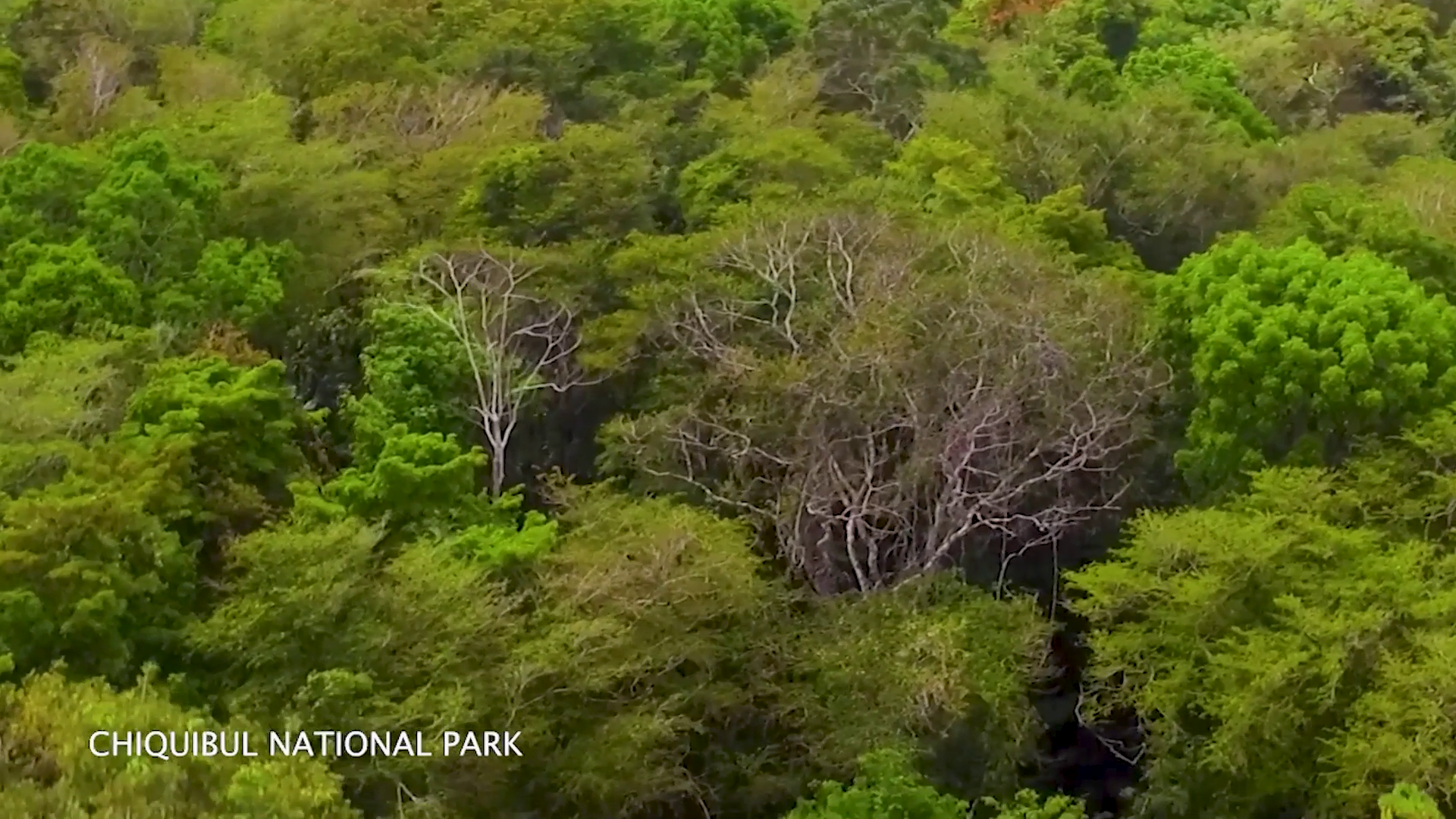
On May 29, 2026, Belize took a major step forward in protecting its most ecologically critical protected area, with Prime Minister John Briceño officially opening a new ranger outpost deep in the heart of Chiquibul National Park. Traveling by helicopter to the remote forest site, the prime minister marked the launch of an expanded conservation initiative led by the non-profit co-manager of the park, Friends for Conservation and Development (FCD), to safeguard the region’s irreplaceable natural and cultural heritage.
Chiquibul National Park, Belize’s largest protected area, spans hundreds of thousands of acres of dense, biodiverse rainforest across the Maya Mountains. It serves as the primary watershed for much of the country, supplying clean drinking water to communities as far as Belize City, yet it faces persistent threats from illegal activity. During the inauguration, Prime Minister Briceño paid tribute to the rangers who work on the frontlines of protection, noting that most Belizeans are unaware of the daily risks and critical work these conservation stewards undertake to preserve the nation’s natural resources.
FCD, the grassroots non-profit that has managed conservation programming in Chiquibul and its surrounding buffer zones since 2007, leads the effort through a combination of on-the-ground patrols, targeted ecological research, and community outreach to curb illegal activity and protect biodiversity. Rafael Manzanero, FCD’s Executive Director, explained that the newly opened facility is a temporary base that meets basic living needs for rangers, as the organization lays out long-term plans for a permanent, purpose-built hub. Manzanero noted that FCD has identified five potential sites for the permanent base in the surrounding area, but additional fundraising will be required to complete the construction of a fully functional operations center.
From this new forward operating position, FCD rangers will patrol thousands of acres of remote forest that have long been plagued by a range of threats. These include illegal cattle ranching, cross-border encroachment, poaching of vulnerable wildlife species, and widespread land degradation driven by unregulated agricultural expansion. Prime Minister Briceño emphasized the outsized ecological importance of the region, reminding the public that much of the tap water accessed by residents in Belize City originates from the Chiquibul watershed – a connection many people take for granted in their daily lives.
Prior to the opening of the new base, FCD’s ranger team operated out of the longstanding Tapir Camp facility inside the forest reserve. For the organization, relocating operations was not a small decision: Tapir Camp had become a core part of FCD’s institutional identity over decades of conservation work. Susana Vanzie, FCD’s President, acknowledged that the prospect of moving was initially daunting for the team. “Tapir Camp had become part of our identity. We were so tied to it. So the thought of having to move somewhere else was daunting. But change can also bring opportunity and if there is that window for opportunity you have to know when to take that leap of faith,” Vanzie said.
The new ranger base represents a tangible, significant milestone in ongoing efforts to strengthen protection of one of Belize’s most vital and at-risk ecosystems. Leaders and conservationists alike believe the improved positioning will allow rangers to respond more quickly to threats, expand patrol coverage, and better preserve the Chiquibul region for future generations. Reporting for News Five, Paul Lopez contributed to this report.