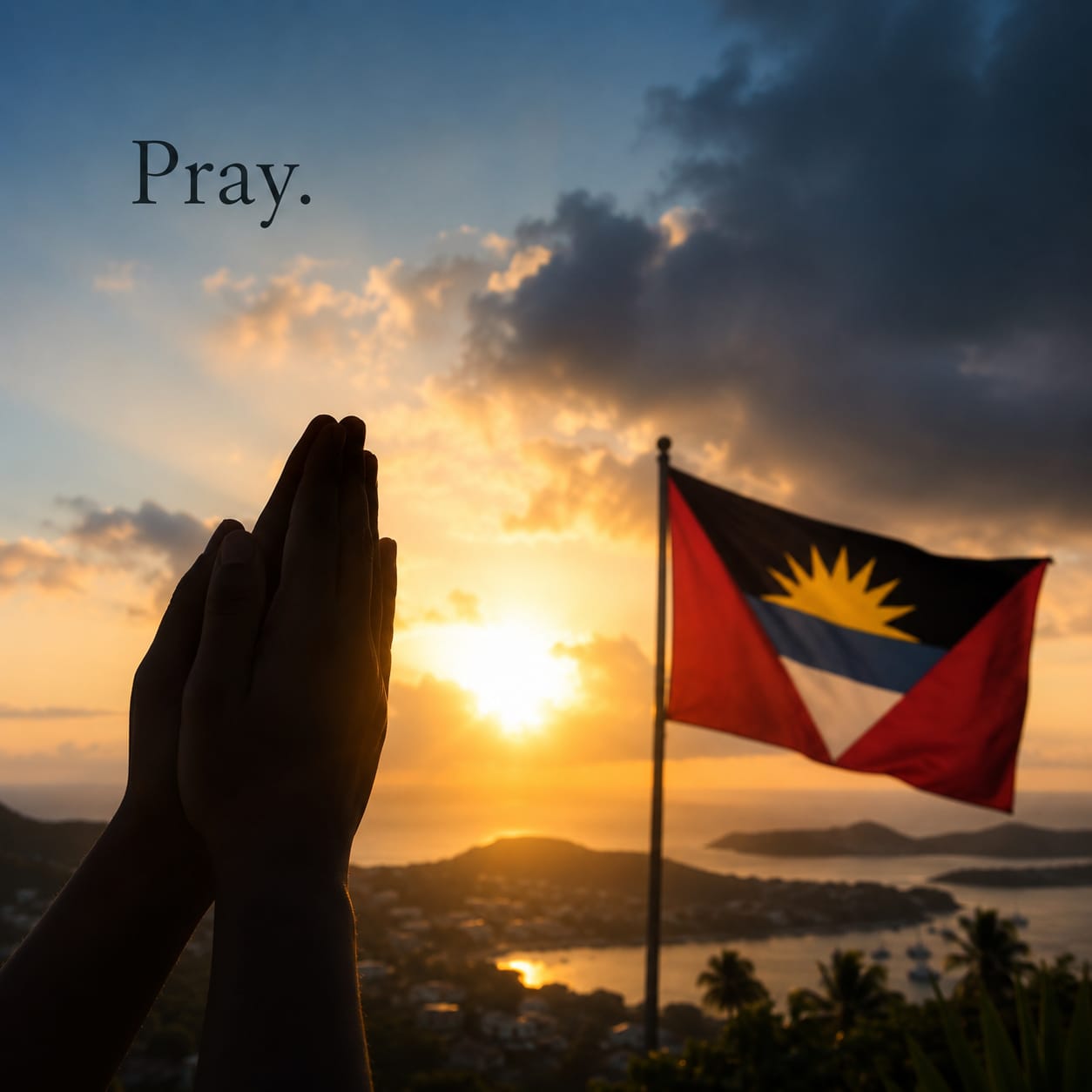
As the 2026 Atlantic hurricane season approaches, the twin-island nation of Antigua and Barbuda is uniting communities through faith and preparedness, scheduling a national Thanksgiving church service this Sunday to mark the start of the high-risk weather period. Even with leading meteorological agencies predicting a milder than average storm season, weather experts are continuing to emphasize that all residents must maintain caution and complete pre-season emergency preparations.
The Antigua and Barbuda Meteorological Service has formally extended an open invitation to all residents to attend the 2026 National Hurricane Season Thanksgiving Church Service, scheduled for 4 p.m. local time on May 31 at the Bible Speaks Seventh-day Adventist Church. This annual gathering carries the 2026 theme “A Nation Prepared, A People Protected”, designed to weave together spiritual faith, collective gratitude, and public awareness of hurricane readiness as the country enters the official June 1 to November 30 storm window.
Event organizers note that the intercessory service will give worshippers and community members space to express gratitude for safety in past seasons, seek divine guidance, and pray for widespread protection over the coming months of active weather. This yearly tradition is a core component of Antigua and Barbuda’s holistic hurricane preparedness strategy, aligned with practical public safety campaigns across the Caribbean’s hurricane-prone zones.
The lead-up to this year’s service comes alongside a new forecast from the United States’ National Oceanic and Atmospheric Administration (NOAA), which projects a below-normal 2026 Atlantic hurricane season. NOAA’s official outlook estimates 8 to 14 named storms will form over the season, with 3 to 6 strengthening into full hurricanes, and 1 to 3 reaching Category 3 status or higher — classified as major hurricanes that bring catastrophic wind and storm surge damage.
According to NOAA’s probability breakdown, there is a 55% likelihood of the season falling below historical activity averages, a 35% chance of near-normal activity, and just a 10% chance of an above-average, highly active season. Forecasters attribute the projected reduced activity to the expected development of El Niño conditions in the Pacific, which are known to create wind patterns that suppress tropical storm formation and strengthening across the Atlantic basin.
Even with this encouraging long-term outlook, senior weather officials have repeatedly stressed that a lower projected number of storms does not erase the threat of destructive hurricane landfalls. A single powerful hurricane hitting a vulnerable coastal community can cause widespread loss of life, destroy infrastructure, and disrupt livelihoods for years, regardless of how many other storms form over the full season.
In line with this warning, meteorological and emergency management experts across the Caribbean continue to urge all residents of at-risk areas to update their household emergency plans, stock up on non-perishable food, water, medical supplies and other critical emergency goods, and remain alert for official weather updates throughout the entire hurricane season. The national Thanksgiving service, organizers say, reinforces this message of proactive preparation while bringing communities together in collective hope ahead of the storm season.