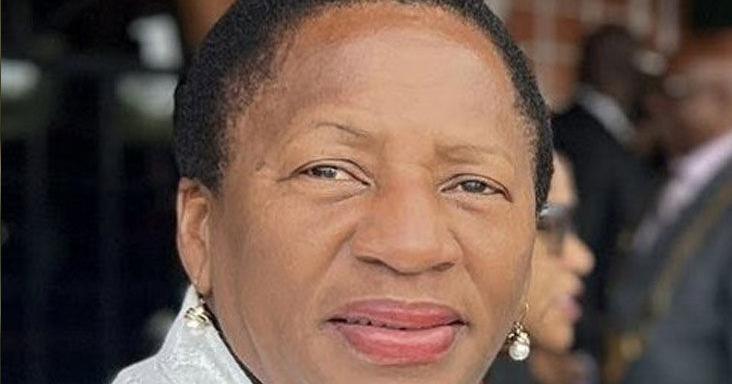
Trinidad and Tobago’s opposition leader Pennelope Beckles has ramped up pressure on Prime Minister Kamla Persad-Bissessar, accusing the sitting head of government of ignoring a sharp rise in public distrust of national police operations. Speaking out via a public social media statement on Wednesday, Beckles laid out two urgent legislative priorities her bloc is pushing to overhaul police accountability: strengthening the oversight powers of the Police Complaints Authority (PCA) and mandating all frontline law enforcement officers to wear activated body-worn cameras during duty.
Beckles argues the current PCA lacks sufficient investigatory authority to handle high-stakes cases involving police-involved killings, and is calling for the local oversight body to be restructured along the lines of Jamaica’s Independent Commission of Investigations (INDECOM), a model that grants independent investigators immediate on-site access to preserve evidence and launch probes right after a fatal police incident occurs. “As Opposition Leader I have made a plain and simple call for the Prime Minister to immediately cause legislative amendments to be made to improve the powers and investigatory procedures of the Police Complaints Authority modelling the Jamaican INDECOM example which will allow features such as on-scene site evidence preservation and access by PCA personnel immediately upon the occurrence of police killing,” Beckles said in her official statement.
The push for PCA reform is paired with a longstanding opposition demand for binding legislation requiring body-worn camera use for all on-duty police and authorized law enforcement personnel. Beckles emphasized that updated legislation covering both PCA oversight and body cameras would deliver tangible benefits for all parties: “Legislation relating to the PCA and the use of body cameras will ensure transparency, accountability and protection for both officers and civilians alike,” she said.
Beyond attacking the prime minister’s inaction, Beckles also targeted Homeland Security Minister Roger Alexander over the unexplained cancellation of a planned procurement of body cameras, noting the public has received no official clarification or timeline for reversing the decision. She also took aim at the soon-to-expire State of Emergency (SoE), suggesting the government is quietly paving the way to extend emergency powers by manufacturing a new national crisis to shield cabinet ministers who have avoided media scrutiny amid widespread corruption allegations.
As chair of the National Security Council, Persad-Bissessar has completely failed to address growing public concerns over police accountability and transparency, Beckles claimed. She criticized the prime minister for only recently breaking her public silence on policing issues via text message, using the outlet only to announce vague plans for appointing a new Chancellor of the Judiciary and adjusting age limits for alcohol consumption, recreational marijuana use, and gambling—while ignoring the far more pressing demand for policing reform.
“From the vacuum of her silence and absence, the Prime Minister as the head of the National Security Council has finally emerged by text message once again to now gift the nation with two cryptic quotes and the promise of a Chancellor of the Judiciary, an increase in the age for consumption of alcohol, use of marijuana and gambling,” Beckles said. She called Persad-Bissessar’s inaction on policing transparency a clear dereliction of constitutional duty, noting that balanced reform would protect the rights of both civilians and law enforcement officers by creating clear, documented records of police interactions.
Beckles tied the growing public distrust to recent high-profile developments, including the controversial execution of warrants against Kaia Sealy. “It is undeniable that suspicion in police action has taken unnecessary root in the matter of the charges brought against Kaia Sealy,” she stated. She also condemned previous provocative comments made by the prime minister about public safety, including remarks describing “rough men” protecting citizens at night and earlier calls to “buss heads and kill people violently”—language that Beckles says has done nothing to ease public anxiety about excessive police force.
In closing, Beckles praised the Office of the Director of Public Prosecutions as one of the last remaining independent pillars of public trust in the country, while reiterating that the prime minister has consistently refused to engage with or adopt the opposition’s evidence-based recommendations for strengthening policing accountability.