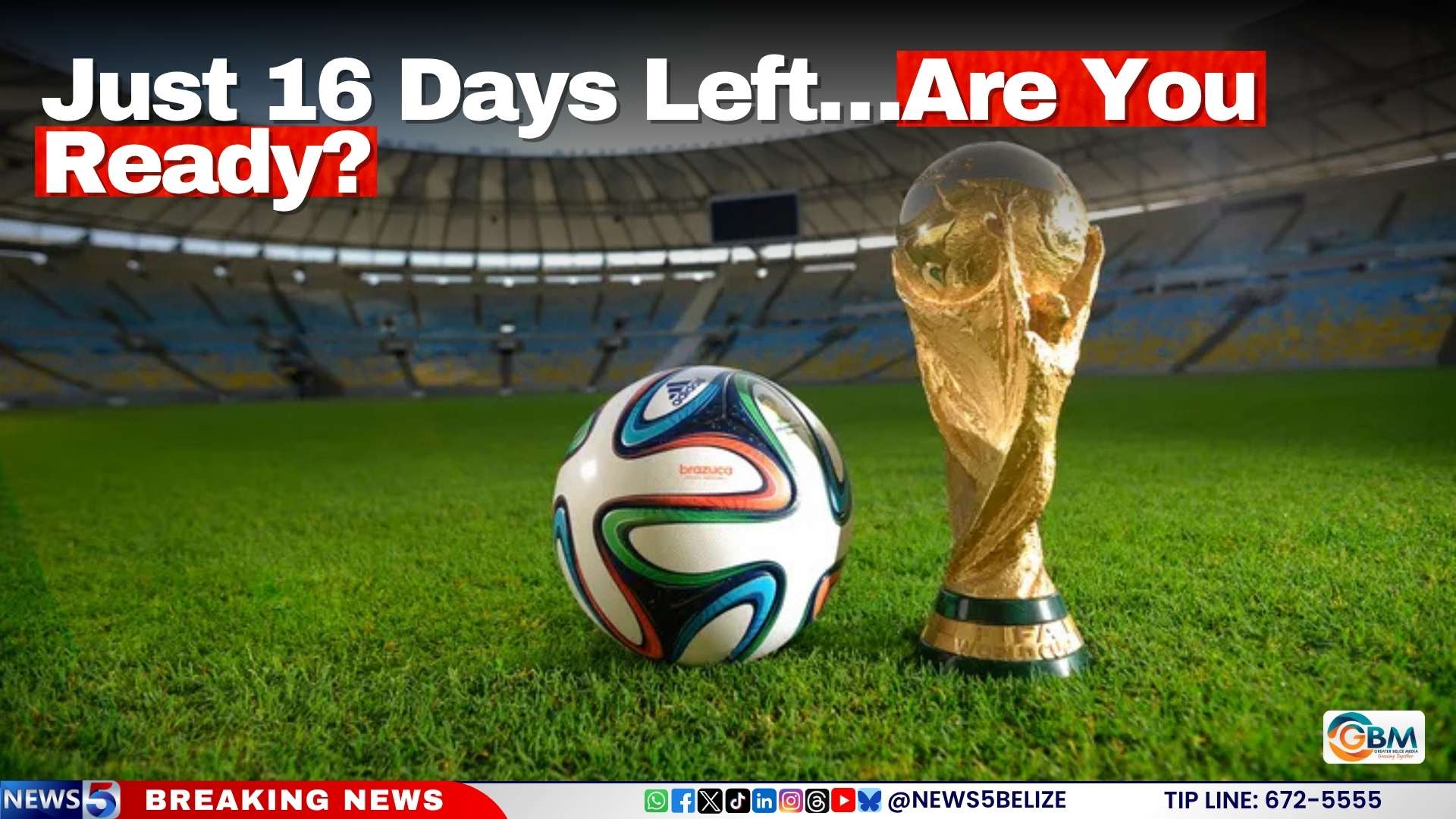
The 2026 FIFA World Cup, the first 48-team edition of soccer’s global showpiece co-hosted by the United States, Mexico and Canada, is just 16 days away from its opening kickoff on June 13. The month-long tournament will conclude with the final match on July 19 at New Jersey’s MetLife Stadium, but as anticipation builds among fans worldwide, two major issues have dominated pre-tournament discourse: a staggering hike in premium ticket prices and growing geopolitical uncertainty over Iran’s ability to compete on U.S. soil.
The most eye-opening controversy centers on FIFA’s new pricing structure for top-tier tickets, which has drawn widespread criticism from fans across the globe. Football’s governing body has tripled the cost of the most expensive final tickets, pushing the highest price point to $32,970 per seat — a dramatic jump from the 2022 Qatar World Cup’s priciest final ticket, which cost roughly $1,600, and far outstripping the previous record high of $10,990 for an elite 2026 final seat.
FIFA President Gianni Infantino has pushed back against criticism, defending the pricing model as a reasonable response to U.S. market conditions. “We have to look at the market,” Infantino said of the decision. “We are in a market in which entertainment is the most developed in the world, so we have to apply market rates.”
Alongside the ticket pricing row, escalating military tensions between the U.S. and Iran have thrown Iran’s participation in the tournament into serious question. Iran has qualified for the 2026 World Cup and is scheduled to play group stage matches in the U.S., but rising hostilities between the two nations have cast doubt on whether the Iranian national team will be allowed to enter the country.
The head of Iran’s football federation has reiterated that Iran expects full respect for the country’s Islamic Revolutionary Guard Corps (IRGC) if the team travels to the U.S., stressing that FIFA, not the U.S. government or former U.S. President Donald Trump, is the ultimate authority hosting the tournament.
The current uncertainty comes amid a sharp escalation of direct military clashes between the two countries. According to BBC reporting, the U.S. launched new airstrikes on southern Iran earlier this week, targeting what U.S. officials described as Iranian missile sites and boats suspected of laying mines. U.S. Central Command justified the strikes as a self-defense measure, claiming the action was necessary to protect American troops from imminent threats posed by Iranian forces.
Iran has responded forcefully to the strikes. The IRGC claimed it shot down one U.S. drone and opened fire on a second unmanned aircraft and an American fighter jet that it says entered Iranian airspace. Iranian state media has also emphasized that the country retains full right to retaliate for any violation of existing ceasefire agreements, leaving the geopolitical situation highly volatile just two weeks before the tournament gets underway.