分类: culture

  • Classic 1893 UK Grand Piano Donated to Government House Museum

    Classic 1893 UK Grand Piano Donated to Government House Museum

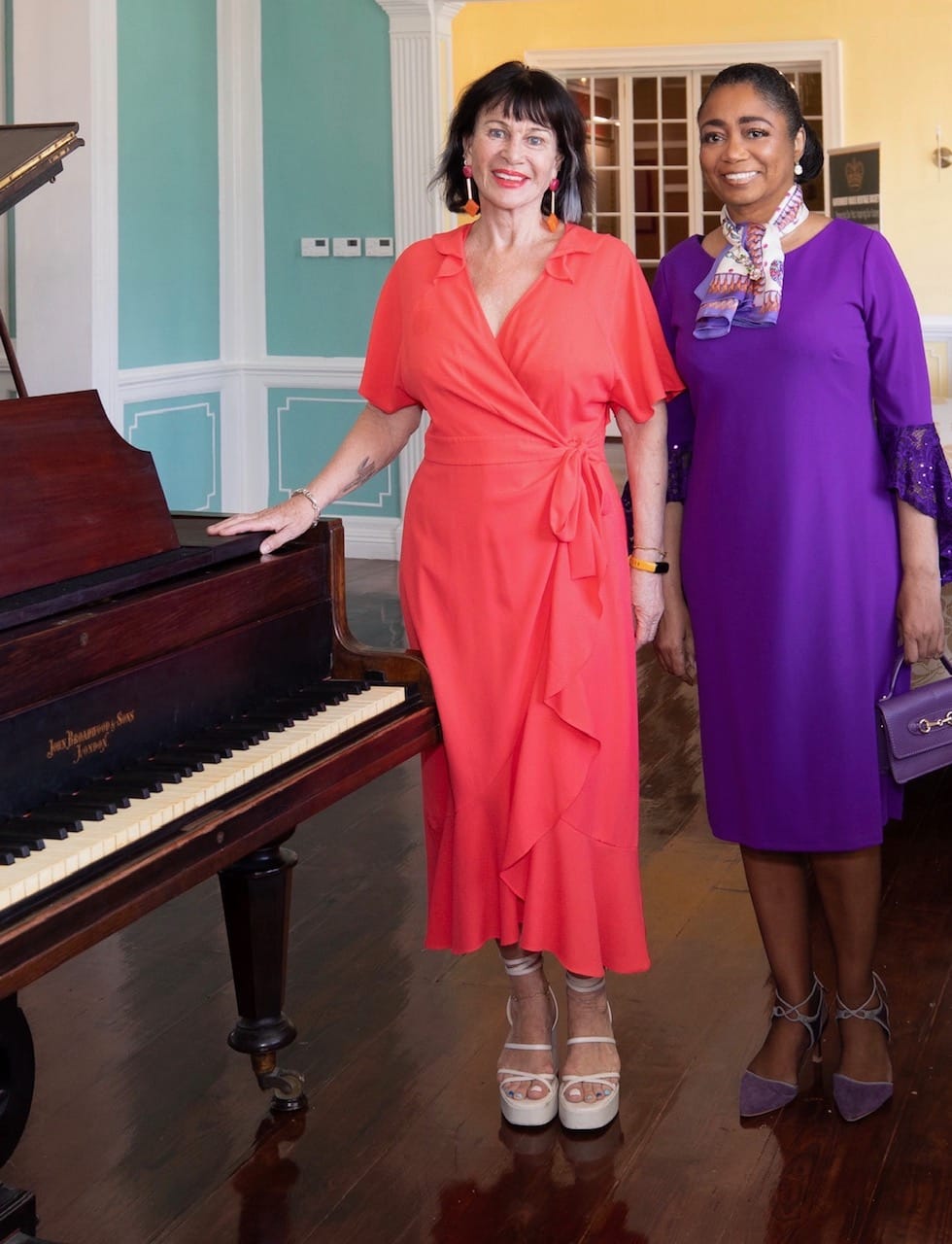
    A rare and exquisitely crafted 1893 mahogany grand piano, built by the world’s oldest continuously operating piano manufacturer, the UK-based Broadway Company (Broadwood), has found a new permanent home at Government House, following a formal donation from local patron Melanie Etherington to Her Excellency Lady Williams. The instrument joins the venue’s expanding curated display of Georgian-era furniture and historical artifacts, deepening the collection’s ability to tell the story of the period’s material culture.

    This donation carries far more historical weight than a typical artifact gift, as it connects to a centuries-old legacy of artistic collaboration between the Broadwood firm and some of the world’s most iconic composers. The company’s storied lineage of instrument making includes pivotal encounters with musical legends: a matching Broadwood concert grand, built around the same era as Frédéric Chopin’s 1848 tour of the British Isles, was personally commissioned for the composer’s historic performances across the country. Decades earlier, in 1818, company founder Thomas Broadwood personally gifted Ludwig van Beethoven a six-octave grand piano crafted from the same premium Spanish mahogany used for the 1893 instrument now entering Government House’s collection. Beethoven himself wrote in a letter to Broadwood that the instrument immediately sparked new creative inspiration, a testament to the deep, long-standing symbiosis between master piano builders and the composers who rely on their craft.

    Accepting the donation on behalf of Government House, Her Excellency Lady Williams expressed sincere gratitude for Etherington’s generosity and thoughtful contribution to preserving historical context. “We are extremely thankful to thoughtful donors like Ms. Etherington, who help us to build the narrative about what type of period furniture would have populated Government House centuries ago,” she said during the handover ceremony.

    Documentation provided by the donor confirms that the piano remains fully functional today, while retaining its original refined aesthetic that made it a standout luxury item when it was first sold. At the time of its original construction, the piano was purchased for £110 — a substantial sum equivalent to well over £10,000 in modern currency, a clear marker of its premium quality and high status when it was new.

    The donation comes as the Government House Museum, which recently held a soft opening to the public following extensive renovations, continues to build out its carefully assembled collection of period pieces in the beautifully restored historic building. This rare piano adds not just a piece of furniture, but a tangible link to global musical history that will be preserved and accessible for future visitors to experience.

  • Scholar-poet to headline Grenada Ifa Festival Symposium

    Scholar-poet to headline Grenada Ifa Festival Symposium

    As the countdown begins to the 2026 Grenada Ifa Festival, a leading Caribbean-born scholar and poet is amplifying a urgent, resonant call for people of African descent across the Caribbean and diaspora to reclaim their sacred ancestral heritage — one rooted in Indigenous African philosophies and spiritual practices that have survived centuries of colonial erasure.

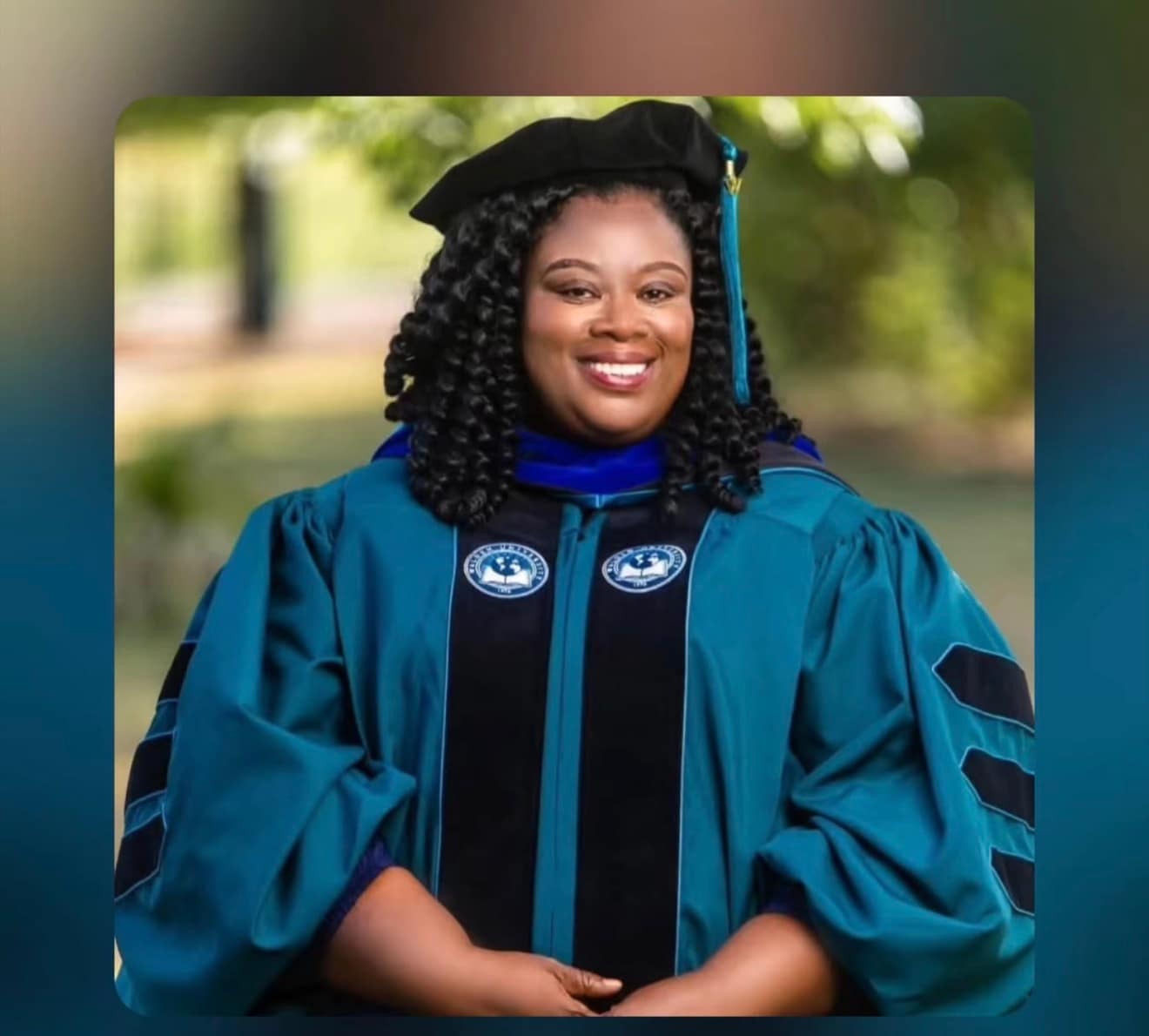
    Liseli A. Fitzpatrick, PhD, a Trinidadian professor of Africana Studies at Wellesley College in Massachusetts, will take the stage as a keynote presenter at the festival’s symposium, hosted by the Shrine of the Seven Wonders of Africa Inc. Scheduled for July 2026, the gathering is already projected to draw hundreds of participants from across the Caribbean region and around the globe, united around the symposium’s core theme: Ancestral Wealth, Inheritance, and Abundance.

    For Fitzpatrick, this theme is not just an academic topic — it is the backbone of her life’s work. In an interview ahead of the event, she framed ancestral wealth not in material terms, but as the collective capacity of African people to reconnect with, embody, and grow the sacred wisdom, legacy, and gifts left by their ancestors, forged through centuries of love, intellectual labor, and unthinkable sacrifice.

    Fitzpatrick described her upcoming trip to Grenada as more than a professional engagement: it is a spiritual homecoming and act of reverence. “I feel a strong sense of spiritual obligation and oneness,” she explained, noting that the island nation holds immense, multilayered ancestral power — some acknowledged, some still waiting to be uncovered, that carries both weight and blessing for the diaspora.

    Fitzpatrick’s scholarly and creative practice is deeply integrated, rooted in African cosmology, ancestral knowledge, and the shared experience of diasporic identity. She argues that the most precious inheritance passed down to modern people of African descent is not material, but the sacred philosophies and communal practices that center self-worth, collective care, and stewardship of the natural world and the continuity of life.

    When asked what barriers still block the Caribbean from fully reclaiming these foundational traditions, Fitzpatrick pointed to ongoing reliance on Western political frameworks and the unaddressed intergenerational trauma of chattel slavery and colonialism. “The West was fabricated on and thrives off the disempowerment and disenfranchisement of African peoples, starting with the desecration of our sacred cosmologies,” she said. Western institutional structures, she argues, were intentionally designed to obstruct African self-determination and collective spiritual power, leaving many disconnected from their heritage.

    Yet Fitzpatrick remains steadfast in her belief in the resilience of African spiritual identity. Speaking at the 2023 second convening of the United Nations Permanent Forum on People of African Descent, she asserted, “you can shackle the body, but you cannot shackle spirit. The African spirit is unconquerable and ubiquitous.”

    To move forward, Fitzpatrick advises regional heritage practitioners to build deeper collaborative networks focused on collective reclamation. She calls for new, emancipatory education initiatives rooted in sensory, community-centered learning that fosters healing and awareness tied to ancestral traditions. Echoing activist and writer Audre Lorde, Fitzpatrick emphasizes that “the master’s tools will never dismantle the master’s house.” Western modes of thinking and education, she argues, cannot undo the harm Western colonial systems created — making a return to Indigenous epistemologies non-negotiable.

    Central to Fitzpatrick’s work is the blurring of lines between academia and art, which she says are inseparable. “Everything I do is intellectually and intuitively creative — born from the same source with the sole purpose of inspiring life,” she said. “As a Diasporic Trinidadian poet and professor of Africana Studies, there is a natural synergy between who I am and what I do. The two are inseparable.”

    Her work centers African cosmology, which she defines as the Indigenous framework African peoples on the continent and across the diaspora developed to make meaning of the world through lived sensory experience. Rooted in ecological balance and interconnectedness, cosmology ties the spiritual and physical realms inextricably together, she explains. “In every sense, I teach what I live and live what I teach, where art is intrinsic. African art is intellectual. Art articulates life. Black art is Black life.”

    Fitzpatrick also offers a sharp rebuke of Western definitions of wealth and success, which she calls exploitative, soulless, and rapacious, built on violent consumerism and extractive capitalism. In contrast, she notes, African cosmological perspectives frame abundance as wholeness, collective well-being, and alignment with the equitable natural order of life.

    Fitzpatrick’s forthcoming book, *Slavery and the Dis-Ori-entation of the African*, expands on this framework, exploring the deep spiritual and psychological disruption caused by chattel slavery through the lens of Yoruba philosophy. In Yoruba cosmology, *Ori* encompasses both the inner spiritual head (*ori inu*) and outer physical head (*ori ode*) — it is a person’s origin, compass, destiny, and core consciousness. Balance and goodness (*Iwa pele*) is only achieved when inner and outer Ori are aligned. When this alignment is broken by trauma, people lose their sense of purpose, direction, and self.

    Fitzpatrick coins the term “Dis-Ori-entation” to describe the widespread misalignment of spiritual and physical identity caused by the violence of slavery and its ongoing colonial legacies. Even so, she stresses that ancestral knowledge was never fully destroyed: “All was not lost or thrown overboard; our ancestors left us a rich inheritance — they found ways to preserve our sacred practices and persevere through their sheer ingenuities, Love, and indomitable spirits.”

    To heal this disconnection, Fitzpatrick advocates for what she calls “Re-Ori-entation”: a process of realignment rooted in ancestral knowledge and intentional self-reflection. Drawing on the Akan principle of Sankofa, which encourages communities to return to the past to retrieve wisdom for the future, she explains that this process requires both individual commitment and collective action, rooted in open-mindedness and radical vulnerability.

    Oral culture, language, storytelling, and poetry remain central to this work of reclamation, Fitzpatrick argues. When enslaved African people were forbidden from learning to read and write in the colonizer’s language, they turned to their traditional gift of orality, creating new languages, music, movement, and poetic forms that affirmed their humanity and preserved their heritage against all odds. Today, these practices remain critical tools for rebuilding collective consciousness and identity across the African diaspora.

    Moving beyond mere survival, Fitzpatrick calls for a full return to foundational ancestral values, rooted in love, wisdom, compassion, reverence, and harmony with nature. This, she says, is the only path to true collective abundance and alignment.

    For attendees of the 2026 symposium, Fitzpatrick has a clear message: our ancestors left a legacy of wisdom and sacred practice that we are entrusted to steward, not squander. As organizers prepare for the event, Fitzpatrick’s keynote is already expected to be a defining contribution to the festival’s mission of exploring African heritage, spiritual renewal, and collective empowerment across the diaspora.

  • Jamaican expert sees one last hope for museums, galleries as world switches to digital

    Jamaican expert sees one last hope for museums, galleries as world switches to digital

    For decades, museums across the globe have held their position as unshakable stewards of human heritage, preserving collective memory and cultural identity for future generations. Today, however, these iconic institutions find themselves at a crossroads: facing mounting pressure to prove their social relevance, secure sustainable funding, and redefine their public role. But according to Dr Nadine Boothe-Gooden, the dynamic director of the National Gallery of Jamaica, acclaimed cultural strategist and multilingual consultant, museums do not have to accept decline as an inevitable fate.

    In an opinion piece published ahead of International Museum Day on May 18, 2026, in the *Jamaica Observer*, Boothe-Gooden acknowledges that the sector stands at a defining turning point, forced to confront unprecedented disruption driven by digital transformation. She argues that tradition and the inherent value of historic collections alone can no longer guarantee long-term survival. Instead, she outlines a proactive, optimistic roadmap for museums to thrive in 2026 and for decades to come, centered on one core principle: “It will depend on adaptability, leadership, and a willingness to rethink what a museum is and whom it serves.”

    For Jamaica, this conversation carries particular urgency. The island’s museums hold irreplaceable collections that document histories shaped by colonialism, Indigenous resistance, artistic creativity, and post-independence nation building, yet most operate within fragile financial and institutional frameworks. Boothe-Gooden frames the current debate not as a question of whether museums still matter — but whether global communities are prepared to take the bold steps needed to help them endure.

    Through most of the 20th century, the success of a museum was measured by two metrics alone: the size of its permanent collection, and the traditional authority of its curatorial team. That outdated model, Boothe-Gooden argues, no longer meets the needs of 21st century audiences. Contemporary visitors expect museums to engage directly with the urgent issues shaping their daily lives, from racial identity and climate change to social justice and the impact of technology. Younger generations, in particular, reject the traditional model of passive observation and demand active participation in institutional programming and governance.

    In Jamaica, public expectations have already shifted: museums are increasingly called on to act as community educators, core tourism assets, inclusive civic gathering spaces, and trusted custodians of national memory. Yet many local institutions still operate under rigid, outdated governance structures and funding models that stifle innovation and experimentation. Boothe-Gooden emphasizes that survival in the coming years will require museums to transform into more responsive, inclusive, and outward-facing organizations.

    One of the hardest truths the sector must confront is its ongoing financial instability. While public funding remains a critical foundation for museum operations, it is no longer enough to cover growing costs. Across the Caribbean, cultural institutions remain disproportionately vulnerable to sudden economic shocks and shifting political priorities that can cut funding overnight. Globally, Boothe-Gooden notes, the most successful and sustainable museums have already diversified their revenue streams through strategic cross-sector partnerships, targeted philanthropy, public membership programs, digital content offerings, and intellectual property licensing.

    This financial shift requires a fundamental change in institutional culture, she argues. Fundraising and engagement with the private sector must be redefined as tools for long-term sustainability, not compromises to a museum’s scholarly integrity. Museum boards and leadership teams must be empowered to embrace entrepreneurial thinking, while upholding strict scholarly and ethical standards that protect collections and institutional mission.

    For Caribbean museums in particular, climate change stands as one of the most urgent and underdiscussed threats to cultural heritage. Rising sea levels, more frequent extreme weather events, and accelerating environmental degradation put irreplaceable collections, archival materials, and historic museum buildings at constant risk of irreversible damage. Boothe-Gooden stresses that investment in specialized conservation labs, institutional disaster preparedness plans, and large-scale digital documentation of at-risk collections is no longer a discretionary luxury — it is an essential safeguard for collective cultural memory.

    Equally critical to long-term survival is the ongoing global reckoning over representation and institutional voice. Global conversations about decolonizing museum practices resonate with particular power in Jamaica, a nation whose history is inextricably tied to colonial extraction. Boothe-Gooden reminds readers that museums are not neutral spaces: they are sites where narratives of history, structures of power, and collective memory constantly intersect.

    Meaningful survival, she argues, depends on centering the perspectives of communities, artists, and scholars who were historically excluded and marginalized from museum leadership and narrative construction. This change requires far more than symbolic gestures like occasional guest exhibits; it demands structural transformation, shared decision-making authority, and radical honesty about a museum’s complicated historical role.

    Digital transformation, often framed as an existential threat to physical museums, is actually one of the greatest opportunities for the sector to expand its impact, Boothe-Gooden argues. Virtual exhibitions, freely accessible online collections, and dynamic digital storytelling projects allow Jamaican museums to reach diasporic and global audiences far beyond the physical limits of their gallery walls. Crucially, she notes, digital access is not intended to replace the irreplaceable experience of visiting a physical museum — it exists to amplify that experience and make it available to people who could never travel to the institution in person.

    Ultimately, Boothe-Gooden argues, the fate of museums will rise or fall based on the quality of their leadership. The next generation of museum leaders must combine rigorous scholarly vision with strong managerial skill, policy literacy, and global awareness to navigate the challenges ahead. In Jamaica, this priority aligns directly with national development goals that frame culture as a core driver of national identity, social cohesion, and inclusive economic growth.

    Boothe-Gooden closes by emphasizing that the future of museums is not preordained. Institutional decline is not inevitable. What lies ahead for the sector is a clear choice: a choice to adapt to changing expectations or retreat into tradition. To engage with diverse communities and contemporary issues or remain insular and isolated. In 2026 and beyond, she concludes, the museums that survive and thrive will be those that understand their role is not just to guard the heritage of the past — but to be active participants in shaping a more inclusive, equitable future for all.

  • Book Review: Sea Wolves in Warm Waters by Clement Richards

    Book Review: Sea Wolves in Warm Waters by Clement Richards

    World War II remains one of the most extensively studied conflicts in modern history, with volumes of research dedicated to iconic Allied campaigns across Europe, North Africa, and the Eastern Front, as well as the well-documented air combat operations of Hermann Göring’s Luftwaffe. Yet one critical theater of the war has remained largely overlooked by mainstream historical scholarship: the clandestine German military operation targeting Allied transatlantic supply routes through the Caribbean basin.

    While a small handful of prior works have touched on the Caribbean’s overall role during World War II, none have centered exclusively on German submarine operations in the region. That changed with the upcoming release of Clement Richards’ groundbreaking new book, *Sea Wolves in Warm Waters*, the first full-length scholarly analysis of this understudied chapter of the global conflict.

    At 290 pages, the volume is the product of exhaustive research and meticulous documentation of the entire U-boat campaign in Caribbean waters. Richards draws on an extensive range of primary and secondary sources, including declassified British War Cabinet Colonial Office Papers, personal diaries from Germany’s naval high command, and materials from the international Log Book Project, to construct a narrative that is both rigorously factual and deeply engaging.

    The book brings the harsh reality of the U-boat offensive to life, highlighting how the distant war became a terrifying daily presence for local Caribbean communities. Starting in 1942, for example, bodies of fallen sailors from torpedoed vessels regularly washed up on the coasts of Dominica’s Marigot and Portsmouth, turning the global conflict into an immediate, local tragedy.

    Richards also traces the gradual containment of the German submarine threat, detailing how improved Allied detection technology and coordinated cross-naval operations turned the tide of the campaign, inflicting catastrophic losses on German U-boat crews. Statistics included in the book underscore the staggering human cost of the campaign: of the roughly 39,000 German submariners who served during World War II, an estimated 27,490 lost their lives. Civilian and merchant marine casualties from across the Caribbean, including many from Dominica, further highlight the underrecognized sacrifice the region made during the war.

    The book is designed to appeal to a broad audience, from seasoned WWII historians to casual readers with an interest in Caribbean regional history. Its accessible structure—marked by clear formatting, concise sentence structure, and logical thematic organization—creates a smooth, engaging reading experience, while contemporary period photographs are woven throughout the narrative to help readers visualize the events described. For readers familiar with the classic German U-boat film *Das Boot*, which captures the claustrophobic tension of submarine service, Richards’ work offers an equally gripping literary exploration of that dangerous world, set against the unique backdrop of the Caribbean. This combination of depth and accessibility makes the volume essential reading for anyone interested in this forgotten chapter of World War II.

    Scholarly reviewers note that *Sea Wolves in Warm Waters* makes a landmark contribution to the expanding body of research on Caribbean World War II history, earning high praise for both its analytical rigor and approachable narrative style.

    An editor’s note adds that the book will officially launch on May 5, 2026, at 6 p.m. at the UWI Open Campus located on Valley Road, and all members of the general public are invited to attend the launch event.

  • US Embassy  concludes Next Level Hip Hop Programme 2026

    US Embassy concludes Next Level Hip Hop Programme 2026

    A two-week cross-cultural hip hop initiative that connected American industry mentors with emerging Grenadian creative artists has officially drawn to a close, capping off the program with a celebratory final showcase highlighting the work participants developed during their residency.

    Running from April 13 to 24, 2026, the Next Level Hip Hop Programme 2026 was a joint effort between the U.S. Embassy in Grenada and the Government of Grenada’s Ministry of Tourism, Creative Economy and Culture. The residency brought professional hip hop practitioners from the United States to the Caribbean island, where they led hands-on, structured training and collaborative creative sessions across four core hip hop disciplines: MCing, DJing, hip hop dance, and aerosol art.

    Beyond skill-building, the program offered selected Grenadian artists fully funded access to intensive professional development training, creating intentional space for meaningful cultural exchange between creators from both nations. Unlike conventional training workshops, the residency prioritized mutual learning, allowing U.S. mentors and local artists to exchange perspectives, creative traditions, and industry insights that enriched all participants’ work.

    The program’s closing Final Showcase served as the official culmination of the two-week residency, giving every participating artist a platform to debut original new work they created during the program. Attendees witnessed performances and viewed completed artistic projects that clearly demonstrated the rapid creative growth participants experienced over the residency, as well as the tight collaborative bonds that formed across the two national creative communities.

    Next Level is an official public diplomacy initiative of the U.S. Department of State, managed on the ground by the Meridian International Centre. Framed around hip hop culture as a accessible, unifying creative medium, the program is designed to advance core U.S. public diplomacy goals: fostering cross-cultural mutual understanding, strengthening people-to-people ties between the United States and partner nations, and nurturing creative entrepreneurship among young creators.

    Speaking at the closing showcase, U.S. Public Diplomacy Officer Tamara Shaya Hoffmann underscored that the program is a tangible reflection of the longstanding, robust partnership between the United States and Grenada. She emphasized that sustained cultural exchange is a critical tool for advancing shared values between the two nations and opening new economic and creative opportunities for young leaders working in Grenada’s growing creative sector.

    All participation in the residency was offered completely free of charge to selected artists, aligning with the shared commitment of both the U.S. and Grenadian governments to grow the Caribbean island’s creative economy and advance long-term, sustainable cultural development.

    The U.S. Embassy in St. George’s formally extended its gratitude to all parties that contributed to the program’s success, including Grenada’s Ministry of Tourism, Creative Economy and Culture, the participating American hip hop mentors, the local Grenadian artists who took part, and all supporting partner organizations that coordinated logistics and outreach for the initiative.

  • Nine artisans complete CL.AU.DI.A. Project in Dominica

    Nine artisans complete CL.AU.DI.A. Project in Dominica

    On Saturday, February 7, 2026, a celebratory Certificate Award Ceremony and Mini-Fair unfolded at Prevo Cinemall in Roseau, Dominica, marking the successful completion of the groundbreaking Cultura Digital Antilliana (CL.AU.DI.A.) project. Nine emerging young artisans walked away with official recognition for completing the program, closing out a three-year cross-continental initiative that aimed to transform digital cultural training across the Caribbean region.

    Funded through the European Union’s Erasmus+ program, CL.AU.DI.A. launched in 2023 as a collaborative effort between a multinational consortium of cultural institutions and educational bodies spanning the Caribbean and Europe. Partner organizations brought diverse regional expertise to the table: Italy’s ARCS – ARCI Culture Solidali APS, D’Antilles et D’Ailleurs from Martinique, multiple Cuban entities including Asociación Hermanos Saíz, the National Center for Cultural Advancement, and the University of Information Sciences, Haiti’s École Supérieure d’Infotronique, and the Dominica-based Dominica Arts and Crafts Producers Association (DACPA), who led local implementation in Dominica.

    The core on-the-ground phases of the program rolled out in Dominica between July 2024 and December 2025. DACPA kicked off local activities with a specialized Training of Trainers course, delivered remotely via widely accessible digital tools including WhatsApp and Google Meet. Following the trainer upskilling phase, the organization opened applications for a pilot trainee program, ultimately selecting nine young local artisans to participate in the full training curriculum.

    DACPA President Vanessa Winston shared that the program overcame significant early logistical hurdles, including widespread transportation barriers and conflicting scheduling conflicts for participating artisans. To address these challenges, the entire program was adapted to a fully virtual format, eliminating access barriers and ensuring that all nine selected participants were able to complete the full course of training. A core feature of the program was its one-on-one mentorship model, which paired each trainee with an experienced dedicated trainer to provide ongoing personalized support throughout their learning journey.

    The program wrapped up with a capstone international gathering in Cuba, where DACPA representatives and trainees traveled to join the final project conference and public exhibition. The Cuban event also included a historic ceremonial signing of the CL.AU.DI.A. Network agreement, a formal pact that locks in long-term regional cooperation to expand access to digital culture training across the Caribbean. Saturday’s ceremony in Roseau amplified this milestone, celebrating not just the individual success of the nine newly certified artisans, but the broader impact of a project that has built lasting cross-border partnerships and unlocked new economic and creative opportunities for digital cultural creators across the region.

  • Dominican Republic promotes UNESCO World Heritage nomination for La Isabela

    Dominican Republic promotes UNESCO World Heritage nomination for La Isabela

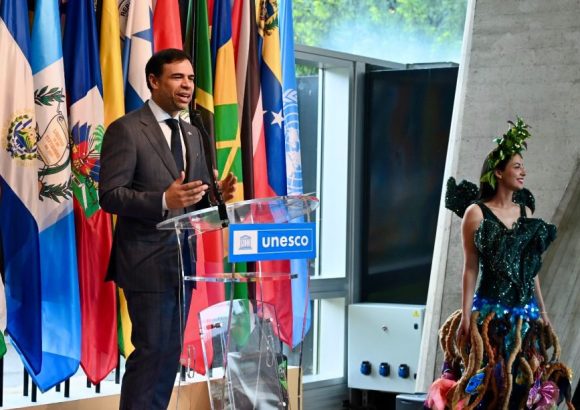
    In a step forward for cultural preservation and international collaboration, the Dominican Republic is actively moving closer to its goal of securing UNESCO World Heritage designation for La Isabela, a landmark colonial-era site on the nation’s northern coast. To strengthen the site’s nomination dossier and tap into global specialized expertise, the country has welcomed a delegation of Turkish cultural heritage professionals, led by veteran underwater archaeologist Harun Özdaş, for an in-depth technical assessment of the historic location.

    The Turkish delegation also included senior diplomatic representatives, headed by Ambassador Emriye Bağdagül Ormancı of Turkey’s diplomatic mission to the Dominican Republic, alongside senior cultural heritage officials from the Dominican Republic’s Ministry of Culture. During the visit, participating authorities repeatedly highlighted the critical role that the site’s submerged archaeological remains play in establishing its global cultural significance. Underwater cultural artifacts and structural remnants, they noted, are not just secondary additions to the site’s history—they are a core component that will help prove La Isabela’s ‘outstanding universal value,’ the key requirement for UNESCO World Heritage inscription.

    La Isabela holds a unique place in modern global history: founded in 1493 by Christopher Columbus during his second voyage to the Americas, it was the first permanent European settlement established across the entire Western Hemisphere. Today, the site preserves irreplaceable archaeological evidence from the earliest days of transatlantic colonization, including foundational urban planning traces, intact structural foundations, and a vast collection of period artifacts that offer unparalleled insight into the earliest interactions between European colonizers and Indigenous populations of the Caribbean. For years, La Isabela has held a spot on the Dominican Republic’s tentative UNESCO nomination list, a preliminary step toward formal consideration for the coveted global designation.

    The technical partnership with Turkish archaeologists is part of a broader strategy by the Dominican Ministry of Culture to expand global collaboration in heritage conservation. Beyond advancing the UNESCO bid, the cooperation facilitates cross-border knowledge sharing, builds capacity for specialized underwater heritage preservation, and allows both nations to exchange evidence-based best practices for protecting vulnerable submerged cultural assets. Dominican cultural officials noted that this international collaboration strengthens not only La Isabela’s nomination prospects but also the country’s broader national efforts to preserve and promote its unique historic and cultural legacy to the world.

  • JMCC raises US$4,000 in opening fundraiser for Atlanta museum project

    JMCC raises US$4,000 in opening fundraiser for Atlanta museum project

    On April 18, the Jamaican Museum and Cultural Center (JMCC) officially launched its ambitious three-year fundraising campaign to build a permanent cultural institution celebrating Jamaican heritage in Atlanta, Georgia, opening the initiative with a community-focused virtual Zoom-A-Thon event. The project aims to accumulate $5 million in total donations to support the construction of the museum, which will find its home in Atlanta – a city widely recognized as the capital of the U.S. New South that is also home to one of the largest Jamaican diaspora communities in the country. In an exclusive interview with Observer Online, JMCC President Dr. Apollone Reid shared insights into the outcomes of the opening fundraising event and the organization’s long-term vision for the project. Reid noted that while overall turnout for the Zoom-A-Thon did not quite meet pre-event expectations, a shortfall widely attributed to a high-profile competing concert featuring reggae stars Maxi Priest and Beenie Man held nearby that same day, the energy and commitment among attendees remained undeniably strong. Participating guests were eager to contribute pledges, demonstrating their clear buy-in to the JMCC’s mission, and the event ultimately hit 80% of its initial donation targets. In total, the opening Zoom-A-Thon raised $4,000 in committed pledges and direct donations. The virtual event drew a diverse roster of prominent participants, including Oliver Mair, Jamaica’s Consul General to Miami; Dr. Garfield McCook, a sitting JMCC executive board member; Pastor Fidel Donaldson; and popular Jamaican singer Ian Sweetness. Once the full $5 million fundraising goal is reached, the JMCC will break ground on the new museum, which is designed to showcase the full breadth and depth of Jamaican culture across multiple sectors, spanning from iconic Jamaican music and visual arts to the nation’s rich political and social history. Even with the more modest than expected opening haul, Reid remains optimistic about the initiative’s trajectory over the coming three years. This Zoom-A-Thon marks only the first of many planned fundraising strategies that the organization will roll out to hit its target, Reid explained, adding that the participation of high-profile dignitaries, artists, entertainers and community leaders not only generated positive public visibility for the project but also confirmed broad cross-sector support for the mission of building a permanent Jamaican cultural home in Atlanta. The JMCC itself was first founded in September 2019, with a core mission to elevate and amplify the achievements of Jamaican people both in the diaspora and on the island. To date, the organization has advanced this mission primarily through its public interactive website, which now serves as a digital hub for Jamaican cultural content for audiences across the United States and beyond.

  • COMMENTARY: Nation-builder – The life & times of Dominica’s former Chief Cultural Officer Raymond Lawrence

    COMMENTARY: Nation-builder – The life & times of Dominica’s former Chief Cultural Officer Raymond Lawrence

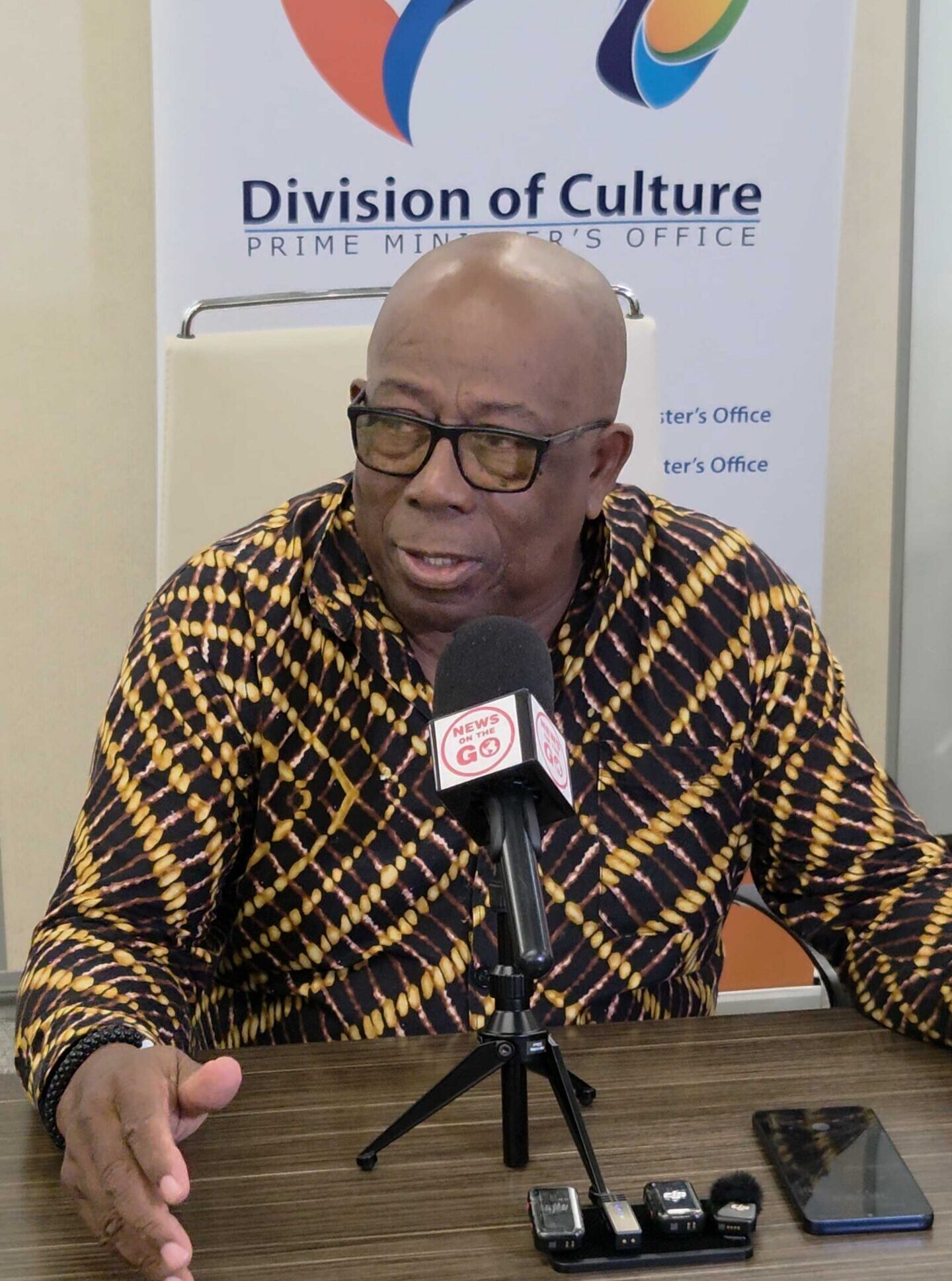
    A new biographical profile of former Dominican Chief Cultural Officer Raymond Lawrence, produced from an in-depth interview held in late March 2026, is being released as part of a critical cultural preservation initiative led by Gabriel J. Christian, a Dominican attorney, author and publisher. This project forms the core mission of Pont Casse Press, the independent publishing house founded in 1992 by Christian and his late collaborator Dr. Irving W. André, a former Canadian Superior Court Judge. Through oral histories, video biographies, and written documentation, the initiative works to capture and preserve the legacies of prominent Dominican figures whose contributions laid the foundation for the modern nation, ensuring these stories remain accessible for future generations as part of the island’s living historical record.

    Born in Roseau, Dominica, in January 1954, Lawrence grew up in a household that prioritized education, entrepreneurial spirit, and artistic achievement. His parents Hugh Lawrence and Doris Durand Lawrence ran a successful local soft drink factory and retail shop at a time when small-scale Dominican entrepreneurship was a core expression of national economic self-determination. The Lawrence home was also steeped in musical tradition: his older sister Jean Lawrence emerged as one of Dominica’s most influential cultural leaders, shaping the island’s choral music scene through her direction of the Siffleur Montagne Chorale, which raised national standards for musical performance and built widespread cultural pride across the country.

    Lawrence’s early academic journey took him through Convent Preparatory School for primary education, followed by the elite Dominica Grammar School, where he honed his academic focus and early sense of civic duty. He completed his sixth-form studies at St. Mary’s Academy between 1970 and 1972, and complemented his classroom learning with service in the Cadet Corps, an experience that instilled lifelong habits of leadership, discipline, and national responsibility. His musical training began early under the tutelage of Lemuel McPherson Christian OBE, the legendary composer who wrote Dominica’s national anthem, grounding Lawrence in the artistic traditions that would define his lifelong career.

    He later expanded his academic training in the United States, earning a bachelor’s degree from the University of Steubenville in Ohio and a master’s degree from the University of North Texas. These international experiences deepened his expertise in communications, performing arts, and cultural administration, equipping him with the skills to lead national cultural policy and development work back home.

    Lawrence’s professional career began in broadcasting, where he worked from 1972 to 1982 at both Radio Dominica and Radio Antilles. The role gave him a national platform to connect with Dominican communities and helped him recognize media’s unique power to strengthen collective national identity. Parallel to his media work, he launched his cultural organizing career in 1971 by co-founding the Waitu Kubuli Dance Troupe alongside fellow cultural practitioners Gwyneth Joseph and Arlington James. Under his early leadership, the group transformed traditional Dominican folk dance into a rigorous, respected national performance art, and brought Dominican culture to regional audiences through tours across Antigua and other Caribbean neighbors.

    Lawrence’s work grew from the foundation laid by an earlier generation of Dominican cultural nation-builders. He joined the ranks of icons like Dr. Alwin Bully, the late playwright, artist, educator and former Chief Cultural Officer who institutionalized theater arts and strengthened Dominica’s national festival traditions; Pearle Christian, the beloved grassroots cultural leader who worked to keep national culture rooted in community life; and Mable Cissy Cauderion, a pioneer who preserved Creole musical traditions that form the backbone of Dominican cultural identity.

    Over his decades of public service, Lawrence would go on to serve with distinction as Dominica’s Chief Cultural Officer, holding the post for 24 years across two tenures: from 1990 to 2014, and again from 2017 to 2021. In this role, he rejected the framing of culture as a narrow category of isolated performance, instead defining it as the complete way of life of the Dominican people. Working alongside fellow cultural administrators Rosalind Paul and Matthew Olivace, he centered his leadership on a clear mission: preserve Dominica’s unique ancestral traditions while nurturing new artistic excellence and innovation.

    One of Lawrence’s most historically significant contributions was his leadership of the revitalization of the Dominica Cultural Centre at the Old Mill, a site with deep, layered historical meaning. The center is built within the surviving stone walls of a 19th-century sugar mill plantation, a relic of the slavery era where enslaved Africans were forced to labor to generate wealth for European colonial powers. Lawrence recognized the critical importance of reclaiming this fraught space as a site of cultural affirmation, rather than leaving it shrouded in historical silence.

    Under his direction, major restoration and preservation work transformed the site. Lawrence organized the transfer and conservation of a historic steam locomotive from the former Bath Estate plantation, implemented specialized conservation techniques to protect the site’s aging historic structures, led the conversion of unused buildings into functional cultural spaces including dance studios, and secured partnership funding for improvements from organizations including UNESCO and the U.S. Embassy. Through this years-long effort, he turned a site born of colonial exploitation into a thriving hub for artistic expression and public historical education.

    Throughout his career, Lawrence consistently argued that culture must serve to strengthen national character. He voiced public concern about eroding social values, and pushed for cultural policy that reinforces dignity, discipline, and mutual respect among younger generations. For Lawrence, culture was never separate from nation-building: it shapes how a people understand their own identity and their collective responsibility to one another.

    Lawrence’s life and career represent far more than a tenure in public administration. It is the story of a cultural patriot who recognized that a nation’s strength depends not only on physical infrastructure and economic growth, but on shared identity, collective memory, and national pride. As a broadcaster, educator, organizer, preservationist, and administrator, he spent decades working to ensure that Dominica’s rich cultural inheritance would remain a living, active force in national life, rather than a forgotten relic of the past.

    In documenting Lawrence’s story, Pont Casse Press advances its core mission to honor the figures who built modern Dominican civilization. Lawrence’s life stands as a testament to the truth that the most enduring nation-builders are those who preserve the spirit of their people. After more than 50 years of relentless service, he has secured his place among the most respected cultural guardians in Dominica’s history. A full biographical video of Lawrence’s story is available for public viewing.

  • World Art Day: Cultivating community through art

    World Art Day: Cultivating community through art

    Art has captivated human civilization for millennia, yet its fundamental nature remains a topic of ongoing discussion among creators, critics and audiences alike. Rooted in the Latin term ars – meaning skill, craft, or creative expression – the concept of art dates back to the founding of Rome, with the first documented usage of the word appearing in 13th-century European manuscripts.

    At its core, art is deeply subjective: while it carries the unique perspective of its creator, every viewer brings their own lived experience to interpreting the work, creating an endless spectrum of meaning. Beyond individual interpretation, art serves as a powerful intergenerational and cross-cultural bridge, capable of connecting people from divergent ethnic, religious, and social backgrounds. As the iconic Renaissance sculptor Michelangelo once observed, every beautiful work perceived by those with awareness of creativity echoes the celestial source that unites all humanity.

    For many people, first formal encounters with art happen in high school, where it is often sidelined as a non-essential subject. But educator and social commentator Wayne Campbell argues that arts integration deserves far more institutional and governmental investment, pointing to the growing adoption of STEAM (Science, Technology, Engineering, the Arts, Mathematics) education as a critical step forward. Unlike traditional siloed learning models, STEAM uses creative expression as a gateway to student inquiry, dialogue, and critical thinking, with documented benefits ranging from improved reading comprehension to sharper cognitive function.

    The United Nations Educational, Scientific and Cultural Organization (UNESCO) has long recognized the global public value of art. In 2019, UNESCO formally proclaimed April 15 as World Art Day, a global observance designed to boost access to creative expression, celebrate the diverse contributions of artists, and leverage art as a tool for sustainable development and peacebuilding. The date itself was chosen to honor Leonardo da Vinci, who the organization frames as a global symbol of free expression, tolerance, and cross-cultural brotherhood.

    Each year, World Art Day serves three core purposes: to strengthen the ties between artistic creation and broader society, to raise public awareness of the diversity of artistic practices around the world, and to shine a spotlight on the importance of arts education in building inclusive, equitable learning environments. For 2026, the global observance has adopted the theme “A Garden of Expression: Cultivating Community Through Art.” The metaphor is intentional: just as a garden thrives when tended collectively, art flourishes when communities come together to create, share, and nurture creative practice, building connection, unity, and shared belonging among diverse groups.

    UNESCO emphasizes that art’s unique ability to nurture creativity, innovation, and cultural diversity makes it an essential driver of global dialogue, curiosity, and knowledge sharing. When societies protect artistic freedom and support creative spaces, they lay the groundwork for more open, free, and peaceful global communities.

    Celebrating World Art Day is accessible to everyone, from established professional artists to casual enthusiasts who have never picked up a paintbrush. One of the most straightforward ways to mark the occasion is to visit local galleries, museums, or pop-up art exhibitions; many cultural institutions host special events or offer discounted admission to mark the observance. For those who prefer hands-on engagement, the day is the perfect opportunity to experiment with a new creative medium – whether that’s painting, drawing, sculpting, photography, or any other form that sparks curiosity. Local art studios and community centers also frequently host free or low-cost workshops for World Art Day, giving attendees the chance to learn new skills, refine existing techniques, and connect with other creative people in their local area.

    As pioneering American artist Georgia O’Keeffe once put it: “I found I could say things with colour and shapes that I couldn’t say any other way — things I had no words for.” That unique power of expression, accessible to all, is what World Art Day exists to celebrate and amplify.

    *This opinion piece is contributed by Wayne Campbell, an educator and social commentator focused on development policy’s intersections with culture and gender issues. NOW Grenada does not take responsibility for contributor statements or opinions, and invites users to report abusive content via official channels.*