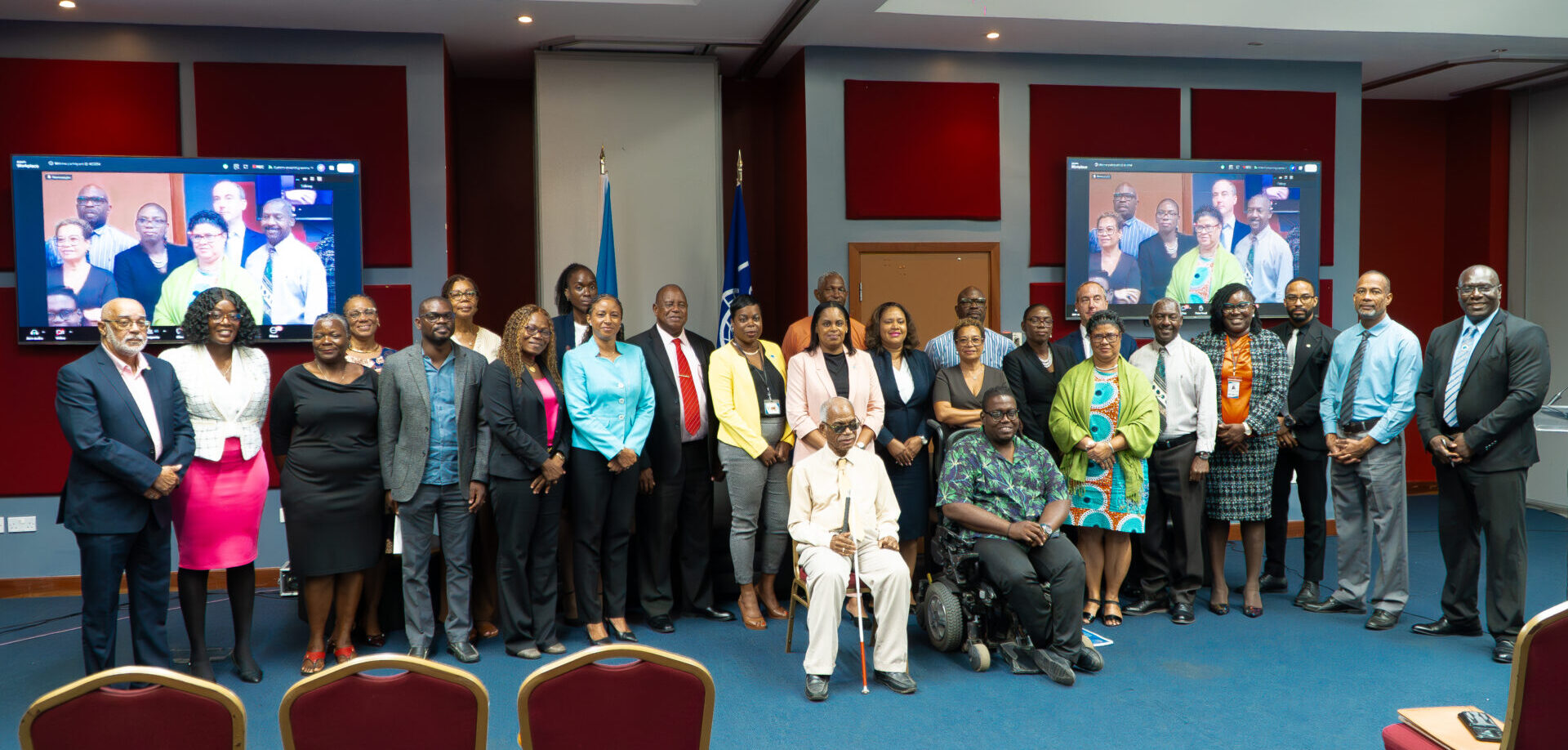
Against a backdrop of shifting demographic pressures and widespread labor gaps across the Caribbean, the eastern Caribbean island nation of Saint Lucia has taken a landmark step toward proactive, inclusive migration governance. On Monday, May 18, the government officially launched its long-awaited draft National Migration Policy during a formal media briefing and multi-stakeholder panel discussion, with direct technical and strategic support from the International Organization for Migration (IOM).
The policy framework represents a holistic, whole-of-society approach to migration management, developed through years of rigorous data collection, cross-sector stakeholder consultations, and forward-thinking strategic planning. Unlike reactive migration policies that treat population movement as a challenge to be contained, Saint Lucia’s new draft positions migration as a core driver of long-term sustainable development and national resilience.
At the heart of the draft policy is a rights-centered, gender-responsive, development-focused governance structure designed to standardize the measurement, monitoring, and management of all migration flows in the country. It identifies five priority action areas: streamlined and equitable labor migration, deeper engagement with the Saint Lucian diaspora worldwide, strengthened national migration data systems, enhanced protection for vulnerable migrant populations, and robust crisis-era migration governance protocols. All priorities are aligned with broader national goals of boosting inclusive economic growth and strengthening national resilience to external shocks.
Addressing attendees at the launch, IOM Caribbean Coordinator Patrice Quesada underscored the cross-cutting nature of migration policy, noting that population movement impacts every corner of national life and cannot be confined to a single government sector. “Migration does not belong to one sector, it cuts across different aspects of society,” Quesada explained, emphasizing that meaningful progress requires coordinated collaboration between national government agencies, civil society organizations, and private sector stakeholders.
Quesada confirmed that the policy was built on extensive empirical data and months of targeted consultations with groups across Saint Lucia, ensuring that the framework reflects the unique realities of the country’s current migration landscape, rather than adopting a one-size-fits-all model designed for other regions. Looking across the broader Caribbean region, Quesada highlighted that nearly all countries in the area face growing demographic decline and acute labor shortages that threaten long-term economic stability. Saint Lucia’s proactive policy, he argued, offers a replicable model for turning migration into a solution to these shared challenges. By leveraging migration strategically, countries can close critical workforce gaps, strengthen national resilience, and lay the groundwork for sustained development. “Saint Lucia is showing what developing a migration policy that is fit for purpose and forward-looking can achieve for the entire region,” Quesada added.
Julian Dubois, Saint Lucia’s Ambassador for Diaspora Affairs, used the launch to center the conversation on the untapped potential of the country’s global diaspora population. Dubois called for a fundamental paradigm shift in how nations view emigration, moving beyond the outdated framing of “brain drain” to a new model of “brain gain” and global “brain circulation.”
Rather than viewing migration of skilled workers as a net loss for the country, Dubois argued that cross-border movement of Saint Lucians is a strategic national asset. “Migration is not just a statistic, it is a living, breathing bridge” connecting Saint Lucia to global expertise, cutting-edge innovation, and new streams of international investment, he explained. “The island of Saint Lucia may be bounded by 238 square miles of beautiful Caribbean land, but the nation of Saint Lucia is global. Effective migration management is the key that unlocks this global potential.”
Dubois urged all public and private stakeholders to strengthen diaspora engagement through modern, structured mechanisms, including expanded cross-border knowledge exchange programs and targeted investment incentives, to unlock the full development potential of Saint Lucians living and working abroad. He noted that while remittances already play a critical role in supporting household economic stability across the island, policy frameworks must go further to encourage long-term productive investment and broad-based economic transformation that benefits all Saint Lucians.
The launch of the draft policy opens a period of public consultation, during which stakeholders and members of the public will have the opportunity to provide feedback before the final policy is formally adopted. Regional development observers have already highlighted Saint Lucia’s initiative as a potential blueprint for other small island developing states across the Caribbean grappling with similar demographic and economic challenges.