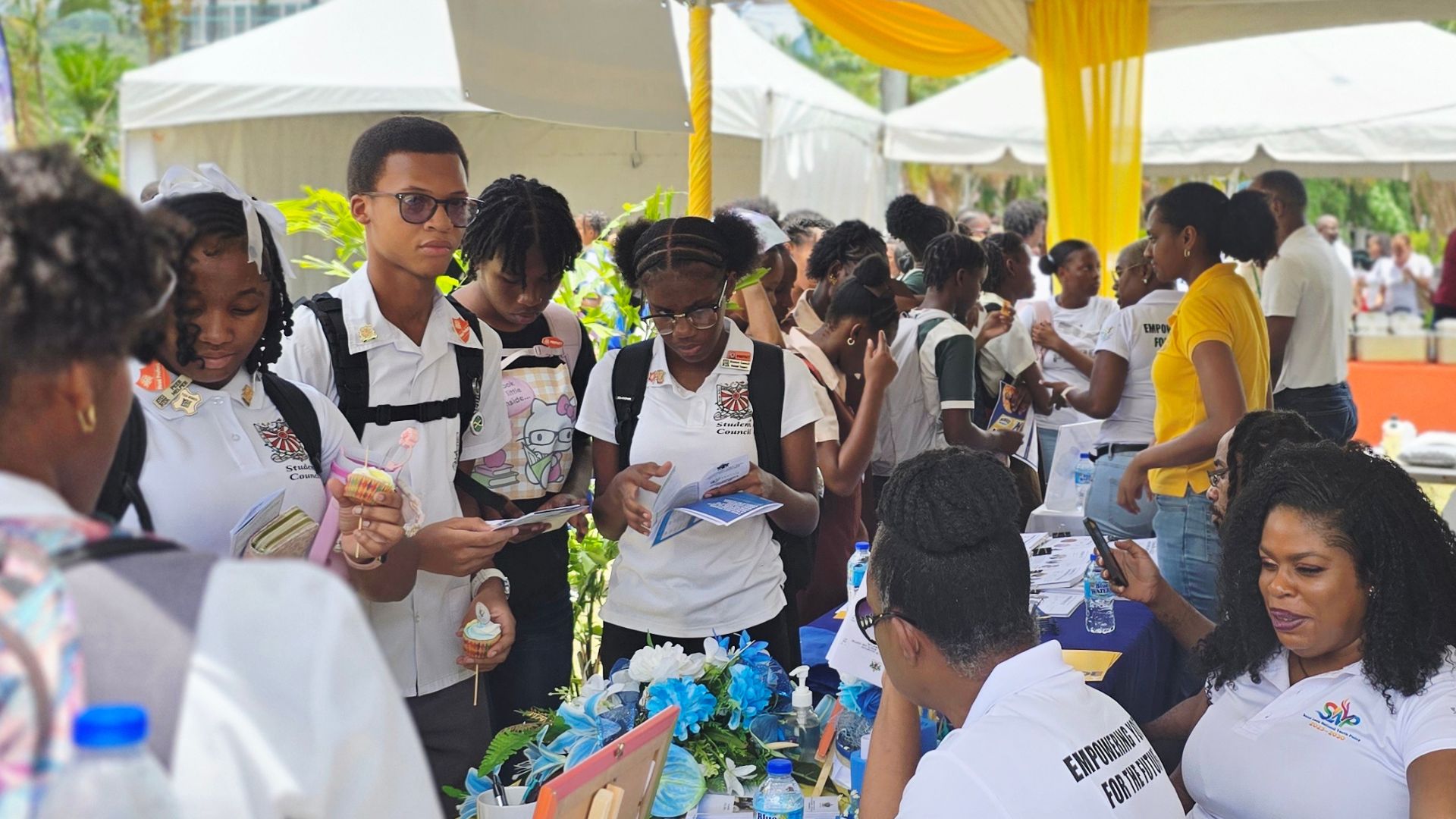
After nearly four decades of incremental development, Saint Lucia’s long-awaited 2025–2030 National Youth Policy has officially come into effect, with government officials and cross-sector partners now moving forward to turn the framework’s goals into tangible improvements for young people across the island. This new policy marks the culmination of efforts that first began in 1987, when the government first explored a dedicated national strategy for youth development, and advanced with an initial draft completed in 2000. The current administration has made youth empowerment a core policy priority, formally approving and launching the full policy framework in 2025.
Speaking to local outlet St Lucia Times at the official launch held at Derek Walcott Square, Youth Development Officer Jonathan Chalon emphasized that the policy is far more than a static policy document—it is a call for collective, cross-agency action to transform young lives for the better. “We’re meeting with all the agencies, both government bodies and non-governmental organizations, so we can map out clear roles to ensure this policy is brought to action,” Chalon explained. “It’s not just a document, but collective action to really change the lives of young people for the better.”
The National Youth Policy is structured around eight core pillars that address the full scope of young people’s lives in Saint Lucia: education and lifelong learning, economic participation, health and well-being, peace and security, democracy and citizenship, information and communication technologies (ICT) and mass media, climate change and disaster risk reduction, and the cross-sector mainstreaming of youth priorities across all levels of government.
Each pillar includes concrete strategies to meet its goals: for education, the policy expands access to both formal schooling and non-formal learning opportunities like mentorship and workshops, with a specific focus on growing technical and vocational education and training (TVET) programs, increasing scholarship access, and strengthening digital literacy. For economic participation, the framework prioritizes youth employment and entrepreneurship through startup grants, job placement support, and targeted entrepreneurial training. It also expands access to mental health and reproductive health services, promotes safe, inclusive communities through violence prevention programming, creates formal pathways for youth participation in governance, builds digital skills for the modern economy, supports youth-led climate action, and ensures marginalized youth groups are centered in all development planning.
TVET has emerged as a key pillar for delivering on the policy’s promises, addressing a longstanding gap in the island’s education system that left many school leavers unprepared for the workforce. Shanez Narcisse-Clipa, TVET Officer within the Ministry of Education, explained that for years, students completing secondary education with Caribbean Examinations Council (CXC) qualifications often lacked the hands-on skills needed to enter the workforce immediately. TVET programs solve this gap by offering industry-recognized Caribbean Vocational Qualifications (CVQs) alongside real-world work experience in high-demand fields ranging from graphic design and traditional folk dance to carpentry, construction, crop production, and furniture manufacturing.
While some critics have questioned whether introducing vocational training at the secondary level is too early, Narcisse-Clipa noted that the new policy will expand TVET options dramatically, building on the foundation of new TVET institutions launched across the island in 2023. These programs are designed to equip young people with skills that address critical labor gaps both across the Caribbean region and in international markets, creating meaningful economic opportunities for youth who may not pursue traditional university pathways.
At the launch, young educator Kimdell Eugene highlighted one emerging priority that he hopes the policy will address more explicitly in the implementation phase: public awareness of the opportunities and risks posed by artificial intelligence for young Saint Lucians. Eugene noted that while he had not yet fully reviewed the full policy text, he sees widespread AI literacy as an urgent unmet need. “I think it’s important that more people are sensitised on the challenges that artificial intelligence might pose for students and for young people in general,” he said. “What are the disadvantages, the advantages, the bigger picture, because I can see how it could lead young people down a rabbit hole.”
To ensure the policy stays aligned with its core goals and adapts to evolving youth needs, Chalon confirmed that a formal monitoring and evaluation framework is already in place, with regional support from the Caribbean Community (CARICOM), which has deployed a technical team to assist with implementation tracking. Cross-sector collaboration is central to this monitoring strategy, with officials working to coordinate youth services across every government department to avoid duplication and ensure all youth can access the support they need. The ultimate goal, Chalon said, is simple: to guarantee every young person in Saint Lucia has equal access to the opportunities and resources they need to grow, learn, achieve their goals, and transition into healthy, fulfilled adulthood.
The official launch event drew participation from government officials, students from local institutions including St. Mary’s College, and civil society stakeholders, with Ministry of Education Minister Danny Butcher joining students for the official kickoff. Department of Sustainable Development staff also briefed attending students on the policy’s climate and environmental components during the event.