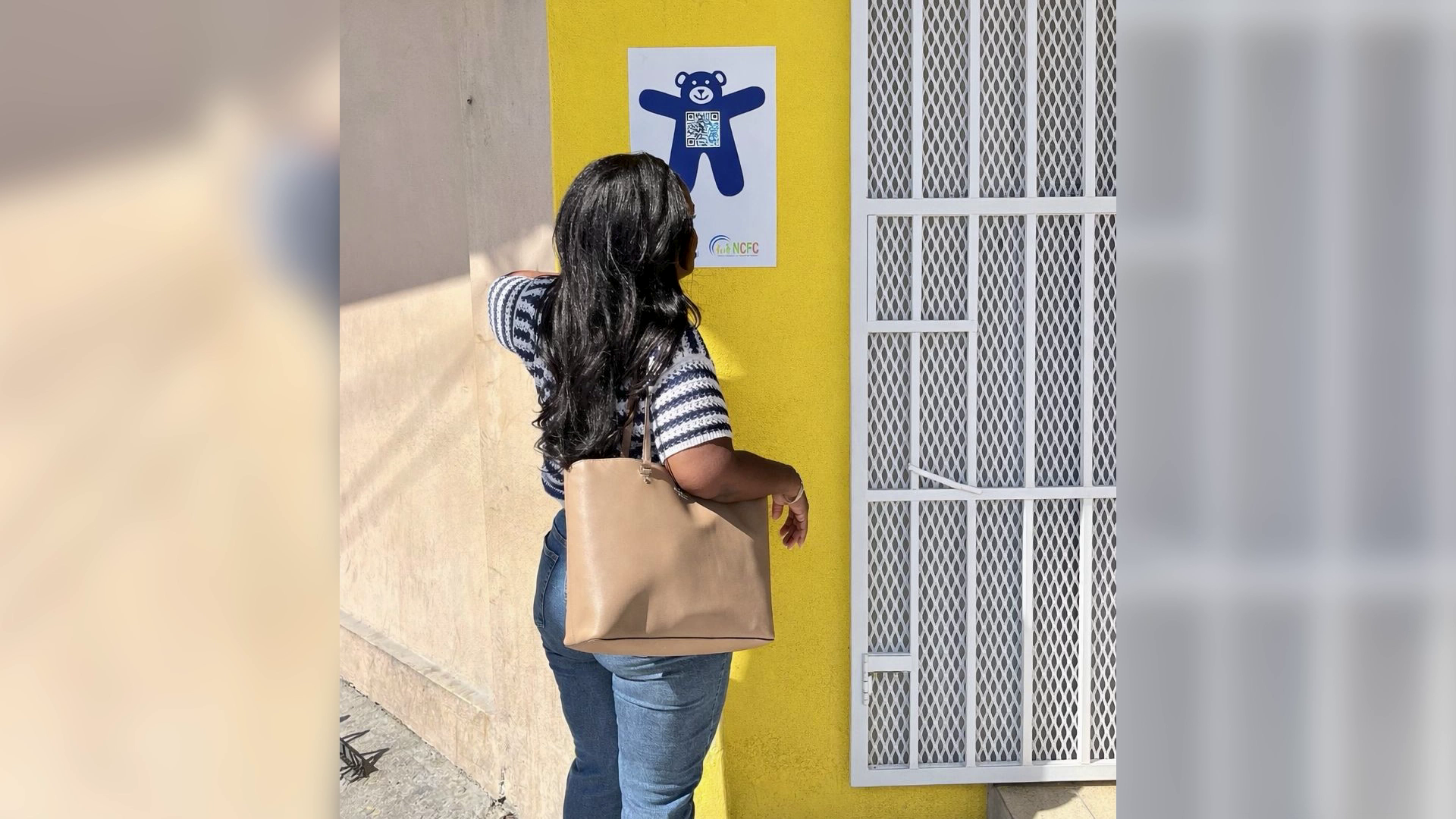
In the Central American nation of Belize, a surge of public anger over widespread crimes against children has catalyzed collective action, following a string of recent arrests for alleged sexual violence against minors that has put national security and child protection officials on high alert. At the heart of this grassroots and institutional response is the Blue Teddy Bear Campaign, a coordinated effort led by UNICEF to empower ordinary community members as frontline defenders of vulnerable young people.
On Wednesday, a new cohort of local community workers gathered for a day-long intensive training designed to teach participants how to identify hidden warning signs of child abuse, navigate safe reporting protocols, and challenge cultural stigmas that have long silenced potential witnesses. Lead national consultant Carla Alvarez, who heads the training program, emphasized that equipping everyday Belizeans with practical knowledge and confidence is the most effective way to strengthen the country’s fragmented child protection system.
Addressing participants during the opening session, Alvarez centered her remarks on one of the biggest barriers to intervention: pervasive social stigma around reporting suspected abuse. “So many community members tell us they see something concerning, but they hold back out of fear of being publicly exposed or targeted for speaking up,” Alvarez explained. She went on to note that shifting social dynamics and the rise of digital technology have exposed children to risks that previous generations never faced, making collective vigilance more critical than ever.
Alvarez pushed back against long-held harmful misconceptions about abuse, stressing that the issue crosses all socioeconomic boundaries. “Too many people still believe child abuse only happens in low-income households, but that could not be further from the truth. It occurs in every community, at every income level, across all social groups,” she said. She also clarified that abuse extends far beyond the most widely discussed physical and sexual violence, encompassing psychological harm, emotional abuse, and neglect—harmful experiences that often go unrecognized and unreported for years.
Rooted in the UN Convention on the Rights of the Child, the campaign’s core message is that child protection is not the exclusive responsibility of police, social services, or international organizations. “This is everybody’s business,” Alvarez emphasized, calling for open national dialogue to demystify what counts as abuse and encourage bystanders to act. This training session is one of dozens planned across the country over the coming months, which will also include specialized programming for law enforcement officers to help them more sensitively and effectively investigate cases of child violence.
As Belize continues to grapple with a growing national crisis of child victimization, the Blue Teddy Bear Campaign aims to build a sustained, community-led movement that prioritizes the safety and well-being of the country’s youngest citizens.