For nearly all of its modern history, Belize has grappled with an unusual demographic reality: more than one in seven of its current residents were born in another country, yet the nation never developed a formal, written framework to guide migration management. That chapter of unaddressed policy gap is drawing to a close this week, as stakeholders from across sectors gathered to kickstart work on the country’s first-ever national migration and development policy – a decade in the making.
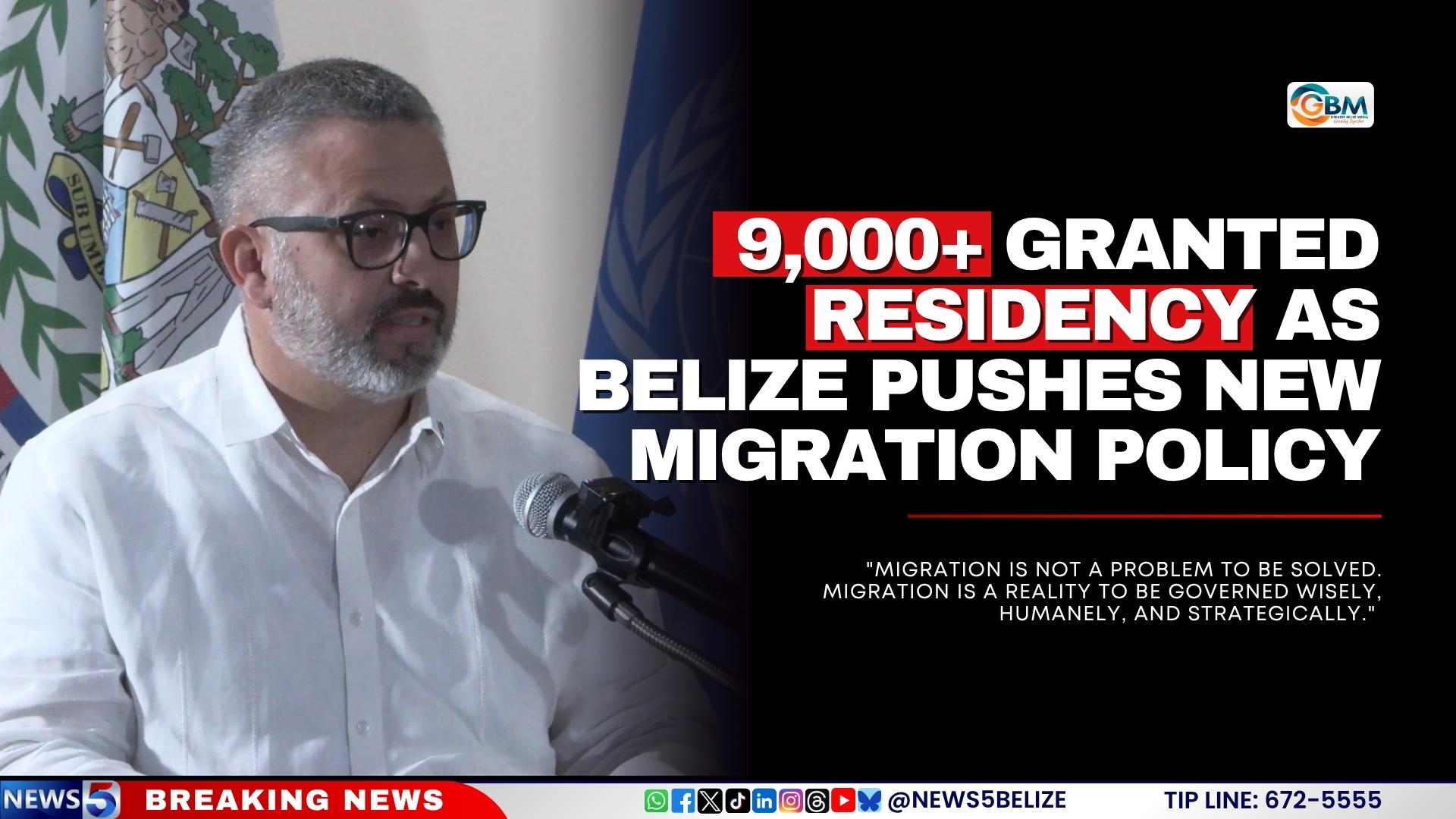
Immigration Minister Kareem Musa opened the multi-city consultation by framing a new approach to the long-standing demographic shift that has defined Belize. “Migration is not a problem to be solved,” Musa emphasized. “It is a reality that must be governed wisely, humanely, and strategically.”
Movement of people has shaped Belize’s social and economic landscape for generations. Decades of steady migration waves from neighboring Central American nations have been paired with consistent emigration of native-born Belizeans, most of whom resettle in the United States. Between 1990 and 2020 alone, the total population of immigrants and refugees residing in Belize more than doubled. Today, foreign-born residents account for approximately 15% of the country’s total population, with three-quarters of that group hailing from Guatemala, Honduras and El Salvador.
2022 census data paints a clear picture of migrants’ role in Belize’s economy: the vast majority fall into working-age demographics, and they fill critical labor gaps across agriculture, construction, retail and domestic service – industries that form the backbone of the country’s daily function and economic output. The data also highlights existing inequities: roughly one in three working-age migrants have little to no formal education, compared to just one in ten native-born Belizeans. School enrollment rates for migrant children are also slightly lower nationwide, with a particularly stark gap recorded in southern Belize’s Toledo District.
Long before launching the full policy drafting process, Belize tested a targeted approach to irregular migration with its 2022 Amnesty Program. That initiative has already granted permanent residency status to more than 9,000 eligible migrants, while generating BZ$5.6 million in government revenue that has been reinvested into public services. The United Nations High Commissioner for Refugees has already recognized the amnesty initiative as a global “good practice” for managed migration.
This week’s stakeholder consultations are being hosted across four locations: Belmopan, Belize City, Punta Gorda and San Pedro, to ensure input from communities across the country. The draft national migration policy is structured around five core priority areas: strengthened migration governance, enhanced national security and border management, aligned labor and economic migration frameworks, improved social service integration for migrant communities, and expanded data collection and policy evaluation systems.
By the conclusion of the consultation period, participating stakeholders will draft a consolidated public report, produce evidence-based policy recommendations, and contribute key input to the final policy draft. The finished document is scheduled to be submitted to the Ministry of Immigration by late July 2026. Musa pushed back against the common perception that national policy documents become unused, shelved materials, noting that this framework will guide actionable change for Belize’s migration future.