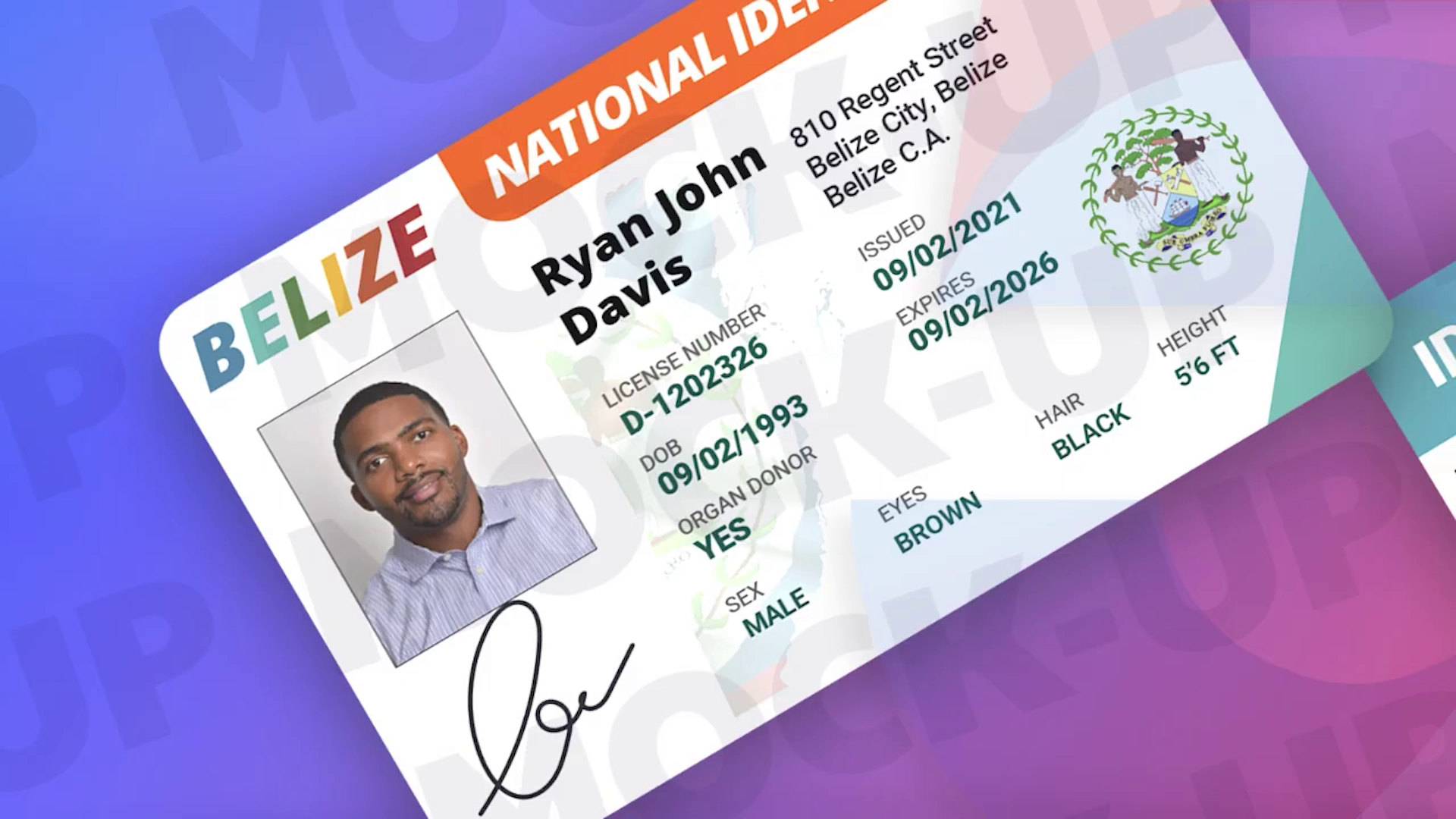
As Central American nation Belize moves forward with plans to roll out a unified national digital identification system, the initiative has failed to win broad public support, with lingering questions over data security and personal privacy overshadowing government promises of more secure digital transactions.
Planned public engagement sessions held last month in two major population centers — Belize City and Orange Walk — drew low in-person attendance, though government organizers noted that hundreds of residents followed the debate via online streaming platforms. The proposal, led by the country’s Ministry of E-Governance, frames the new digital ID as a long-overdue upgrade to the country’s patchwork current identification framework, which relies on Social Security cards and passports as de facto national ID documents.
José Urbina, chief executive officer of the E-Governance body, explained that the core mission of the new system is to eliminate the widespread unregulated sharing of personal identification data that has become standard practice across Belize’s public and private sectors. Under the current system, residents are routinely required to leave physical or digital copies of their Social Security cards and passport biography pages with banks, telecommunications providers, employers and dozens of other service entities. Urbina pointed out that this practice leaves personal sensitive data vulnerable to misuse, even when the original collection of documents is for legitimate purposes. “At least 15 entities already hold copies of my Social Security card and passport bio page,” Urbina noted in public consultations, adding that most Belizeans have no way of tracking how their stored personal information is used or shared within these organizations.
The new digital ID system would address this gap by replacing the open sharing of ID numbers and physical document copies with a secure QR code-based verification system. Each user’s unique national ID number would remain confidential, linked to encrypted biometric data stored in a centralized government system, rather than being shared broadly with third-party service providers. Verification for both in-person and online transactions would happen through a secure QR scan, eliminating the need to share full identification details or document copies.
Despite these proposed privacy improvements, many Belizeans remain unconvinced of the plan’s benefits. Common criticisms range from calls to simply upgrade the existing Social Security card system rather than rolling out an entirely new framework, to fundamental concerns about how the centralized digital ID system will collect, store and protect residents’ personal and biometric data. Urbina acknowledged the public skepticism surrounding the initiative, noting that many residents do not recognize the security risks already present in the current unregulated system.
To address information gaps, the E-Governance office has already published the full draft legislation and regulatory framework for the digital ID system on public online platforms. Urbina encouraged all Belizeans to review the documents directly as the government continues holding public consultation sessions across all regions of the country, with the goal of incorporating public feedback before moving forward with legislative approval and implementation.