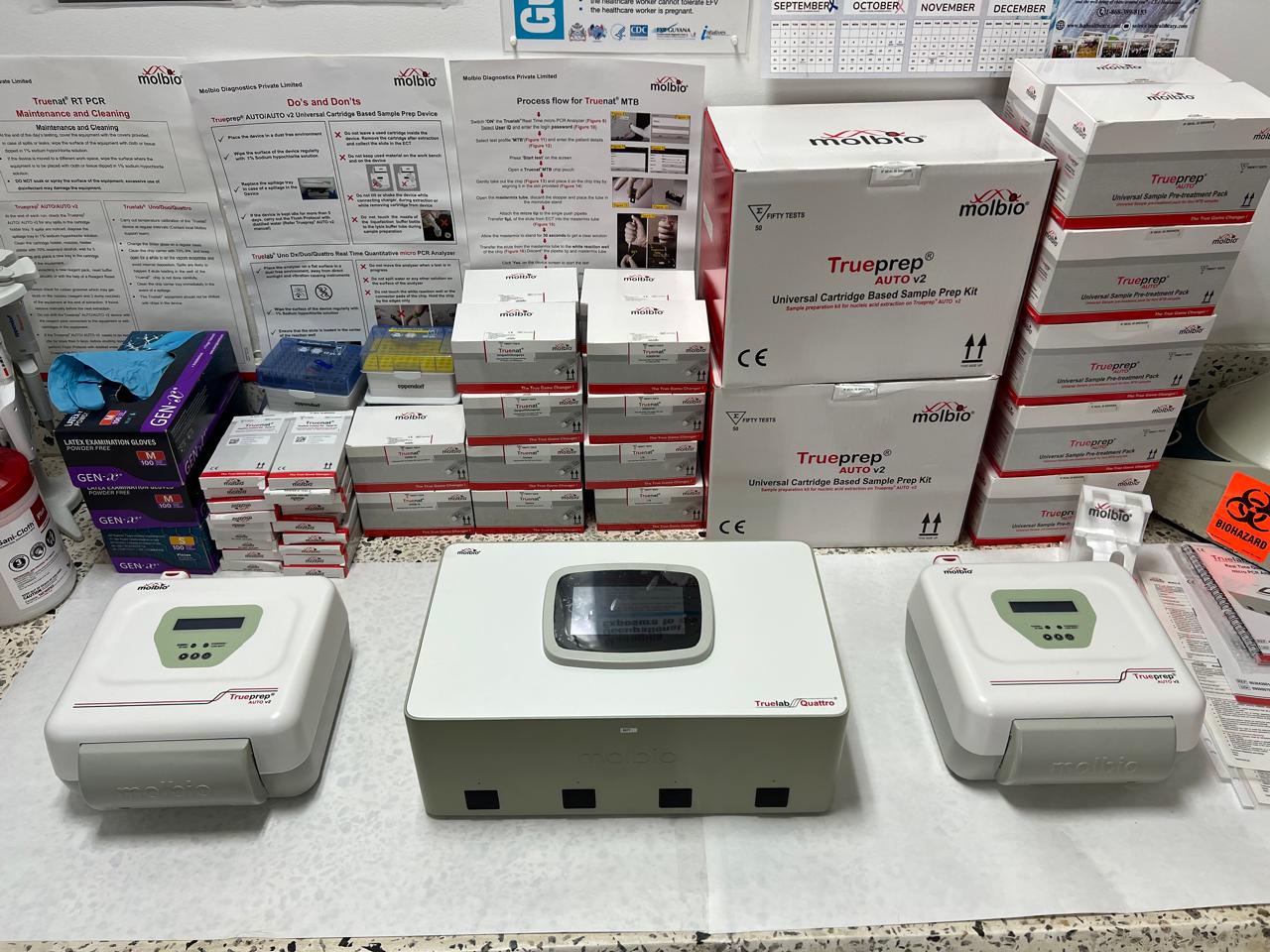
Ten Caribbean countries and territories have successfully upgraded their diagnostic capabilities with cutting-edge Molbio rapid PCR testing platforms, a development that is set to revolutionize how the region detects and responds to infectious disease outbreaks. The rollout, completed by March 26 under the Pandemic Fund Project, is led by the Caribbean Public Health Agency (CARPHA), which confirmed Saint Lucia, Barbados, The Bahamas, Belize, Dominica, Grenada, Guyana, Jamaica, the Turks and Caicos Islands, and Trinidad and Tobago as the participating member states.
Unlike traditional testing setups that can take multiple days to deliver results, the new platform delivers accurate diagnostic outputs for a wide range of pathogens in under two hours. The technology is designed to detect more than a dozen high-priority infectious diseases that pose major threats to public health in the region, including SARS-CoV-2, influenza, cholera, malaria, HIV, hepatitis, tuberculosis, salmonella, leptospirosis and rabies. It also has the capacity to test for pathogens with high pandemic potential, such as Nipah virus and norovirus, filling a critical gap in the region’s early warning systems.
Following the completion of installations, the initiative is moving into its next operational phase: routine diagnostic testing across all participating sites. All testing data will be compiled and shared on a weekly basis with CARPHA through the platform’s integrated digital reporting system, enabling seamless aggregation of information into regional public health surveillance networks. This connected data infrastructure allows for continuous monitoring of platform performance and supports coordinated, fast-acting responses when new disease threats emerge.
Complementing the hardware rollout, CARPHA has also completed targeted training for more than 50 laboratory professionals across the participating countries, building sustainable local technical capacity to operate and maintain the new systems. This hands-on training ensures that national health networks can leverage the full potential of the technology long after the initial deployment.
CARPHA Executive Director Dr. Lisa Indar framed the successful completion of installations as a transformative milestone for regional public health infrastructure. “By combining cutting-edge diagnostic technology with targeted workforce training, CARPHA is ensuring that countries are better prepared to detect, respond to and manage public health threats in real time,” she said.
The initiative has already demonstrated its value in emergency response scenarios. During Hurricane Melissa that impacted Jamaica in October 2025, the platform was installed and local staff were fully trained within just a few days, enabling immediate emergency testing and boosting the country’s disaster response readiness. Looking ahead, the upgraded diagnostic systems are expected to cut turnaround times for diagnosis from days to under two hours, enabling earlier case identification, faster isolation of infected individuals, and more effective containment of outbreaks. This progress ultimately strengthens regional surveillance capabilities and boosts the long-term resilience of national health systems across the Caribbean.