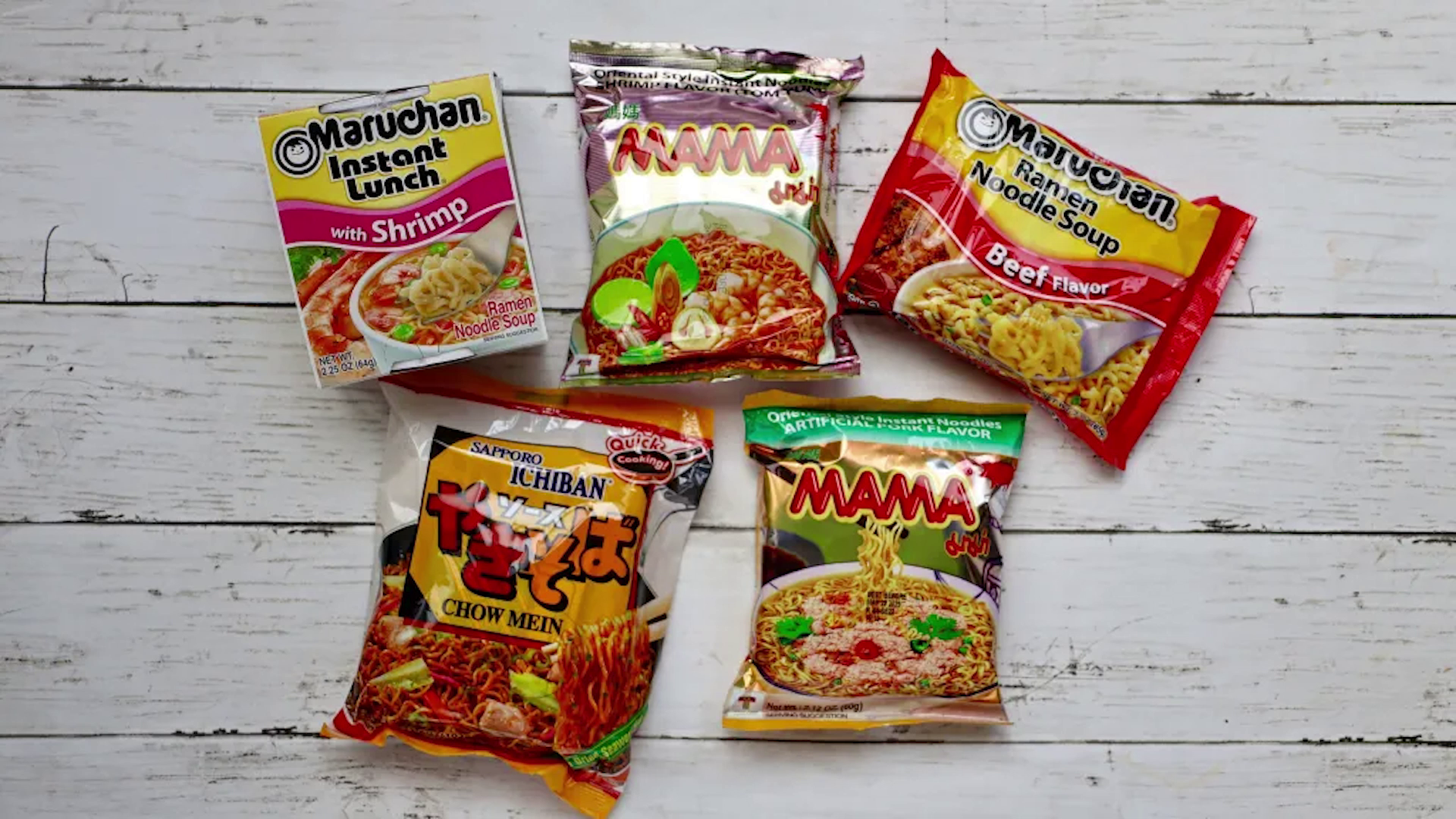
A looming Senate vote on new import tariffs for packaged ramen noodles has ignited a heated public conversation in Belize, one that ties trade policy directly to long-running conversations about accessible public health and food security. The debate was initiated by Opposition Senator Sheena Pitts, who framed imported instant ramen as a nutritionally depleted “empty meal” that offers minimal benefits to consumers. Yet for thousands of low-income Belizean households, the cheap, shelf-stable noodle product remains a core affordable staple, adding layers of complexity to the policy discussion. To unpack the health implications of the proposal, local journalists reached out to Belize’s Ministry of Health and Wellness (MOHW) for official perspective.
Dr. Laura Friesen, Acting Deputy Director of the MOHW, outlined the public health case for shifting consumption away from heavily processed foods like instant ramen. “They provide very little vitamins and minerals. So, they might give you energy because there’s carbohydrates in the ramen, but they don’t give you those other nutrients that you need to thrive and be healthy,” she explained. Dr. Friesen emphasized that Belize’s abundant native natural resources create a unique opportunity to promote locally grown, nutrient-dense alternatives to imported processed foods. “We are from Belize, we have a lot of natural resources. So, we are encouraging people who are looking to get a healthier diet to look at what’s growing around them. Let’s go back to the things that we were eating before we had processed foods. Kalaloo, chaya, plantain, banana, all of these things grow very easily,” she added.
From a public health policy perspective, Dr. Friesen laid out the ministry’s core guiding framework: the government should prioritize policies that make nutrient-rich whole foods more economically accessible for all Belizeans, while making less nutritious processed options comparatively more expensive. “In general, we would want to make healthy food more affordable and unhealthy food less affordable. So, that is what, from a health perspective, that is what we would want to ask for,” she said. She also acknowledged the steep economic challenges that make this policy shift far from straightforward, noting that ramen’s affordability is a major reason for its enduring popularity among households struggling with food costs. “We know that there is a lot of economic issues that come into play. So, this is not a light thing to decide either one way or the other. But from a health perspective, looking at it from the population level, we should as a country do the best we can to make healthy foods more available and affordable and unhealthy foods less affordable and available.”
As of late April 2026, Senate negotiations over the proposed ramen tariff are still ongoing, with no final decision announced. While the policy’s future remains uncertain, the MOHW has made its core priority clear: any trade or food policy advanced by the government should center on expanding equitable access to nutritious food for all Belizean communities, while reducing overreliance on nutritionally poor processed imports. This article is adapted from a transcribed broadcast of the outlet’s evening television news.