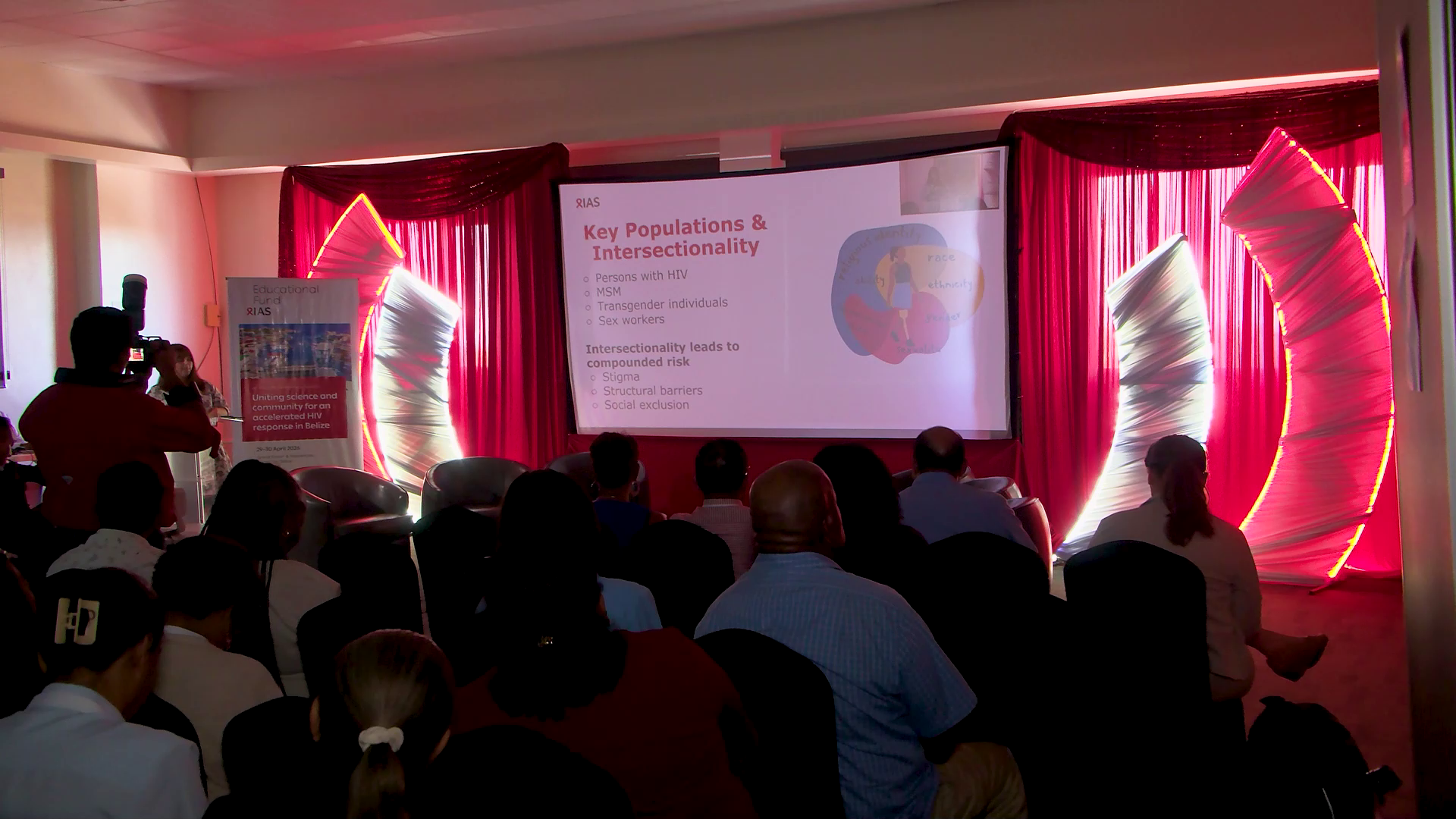
In a landmark moment for public health across Central America, Belize has welcomed the International AIDS Society’s first regional science-focused summit, marking a new chapter in the global fight against HIV and AIDS. Held on April 29, 2026, the two-day gathering centered on the theme “Uniting Science and Community,” bringing together an unprecedented cross-section of stakeholders—from frontline clinicians and community health workers to religious leaders, civil society organizers, LGBTQI community representatives, and public health policymakers—all aligned to address persistent gaps in Belize’s HIV response and accelerate national progress toward eliminating the virus as a major public health threat.
While Belize has made notable gains in HIV detection in recent years, public health data presented at the summit reveals significant gaps across the care continuum. Health officials confirmed that approximately 80% of people living with HIV in Belize currently know their status, a milestone that reflects years of targeted outreach. However, these numbers drop dramatically after diagnosis: only half of those diagnosed maintain consistent access to antiretroviral treatment, and just one-third achieve sustained viral suppression—the critical threshold where the virus becomes undetectable and cannot be transmitted sexually. Summit organizers emphasized that these gaps in diagnosis retention and suppression were the core impetus for the event, which sought not only to celebrate existing progress but also to diagnose the systemic and social barriers that leave many people falling out of care.
Dolores Balderamos Garcia, Executive Chairperson of Belize’s National HIV/AIDS Commission, noted that Belize faces a concentrated epidemic among sexual networks including men who have sex with men, making targeted outreach to vulnerable populations a non-negotiable for success. “We’re very excited because cutting-edge science is being presented here, but we’re also here to map out concrete strategies to accelerate both prevention and treatment efforts,” Garcia said. “Our goal is to reduce HIV’s status as a public health threat substantially by 2030, and this summit puts us on a clearer path to that target.”
One innovative intervention that dominated discussion at the summit is the introduction of HIV self-testing kits, simple oral swab tests that allow users to learn their status in the privacy of their own home. The tool was specifically developed to address barriers created by widespread stigma and discrimination that prevent at-risk Belizeans from seeking testing at public health centers. Eva Burgos, Executive Director of GoJoven Belize, a youth-focused sexual health organization leading the rollout of self-testing, explained that the approach is transforming access to care across the country. “This is only our second year implementing self-testing in Belize, and it’s already filling a huge gap,” Burgos said. “Many people don’t feel comfortable going to a clinic to get tested, so being able to take the test in the comfort and privacy of your own space removes that major barrier and lets more people know their status.”
Dr. Joshua Canul, Assistant Deputy Director for HIV/TB/STI at Belize’s Ministry of Health and Wellness, emphasized that the summit’s work extends beyond introducing new medical tools—it focuses on dismantling the social stigma that keeps people from seeking care in the first place. Canul stressed that in 2026, HIV is a fully manageable chronic condition, comparable to common conditions like hypertension and diabetes. “HIV is actually easier to manage than many other chronic conditions in most cases: one pill a day is all it takes to reach undetectable status,” Canul explained. “When you’re undetectable, you can’t transmit the virus to your partner, and if someone at risk is on pre-exposure prophylaxis (PrEP), that provides additional protection. People living with HIV are just like everyone else, and it’s time we treated it like any other manageable health condition.”
The summit also centered the voices of marginalized communities that are most affected by HIV in Belize. Melvin Cortez, a prominent social media personality and trans community advocate known publicly as La Bestie, spoke at the event about leveraging his platform to challenge stigma that prevents trans Belizeans from accessing testing and care. “I’m here to share the realities of life as a trans person in Belize, including the experiences of trans community members who are living with or affected by HIV,” Cortez said. “My platform can help bring open, honest awareness to this topic across the country, and that’s a critical step toward getting more people the care they need.”
With aligned commitments from scientific institutions, government agencies, community groups, and marginalized community leaders, stakeholders are optimistic that the summit will translate into tangible progress: more Belizeans getting tested, more people retained in consistent treatment, and ultimately bringing the HIV epidemic under control across the nation.