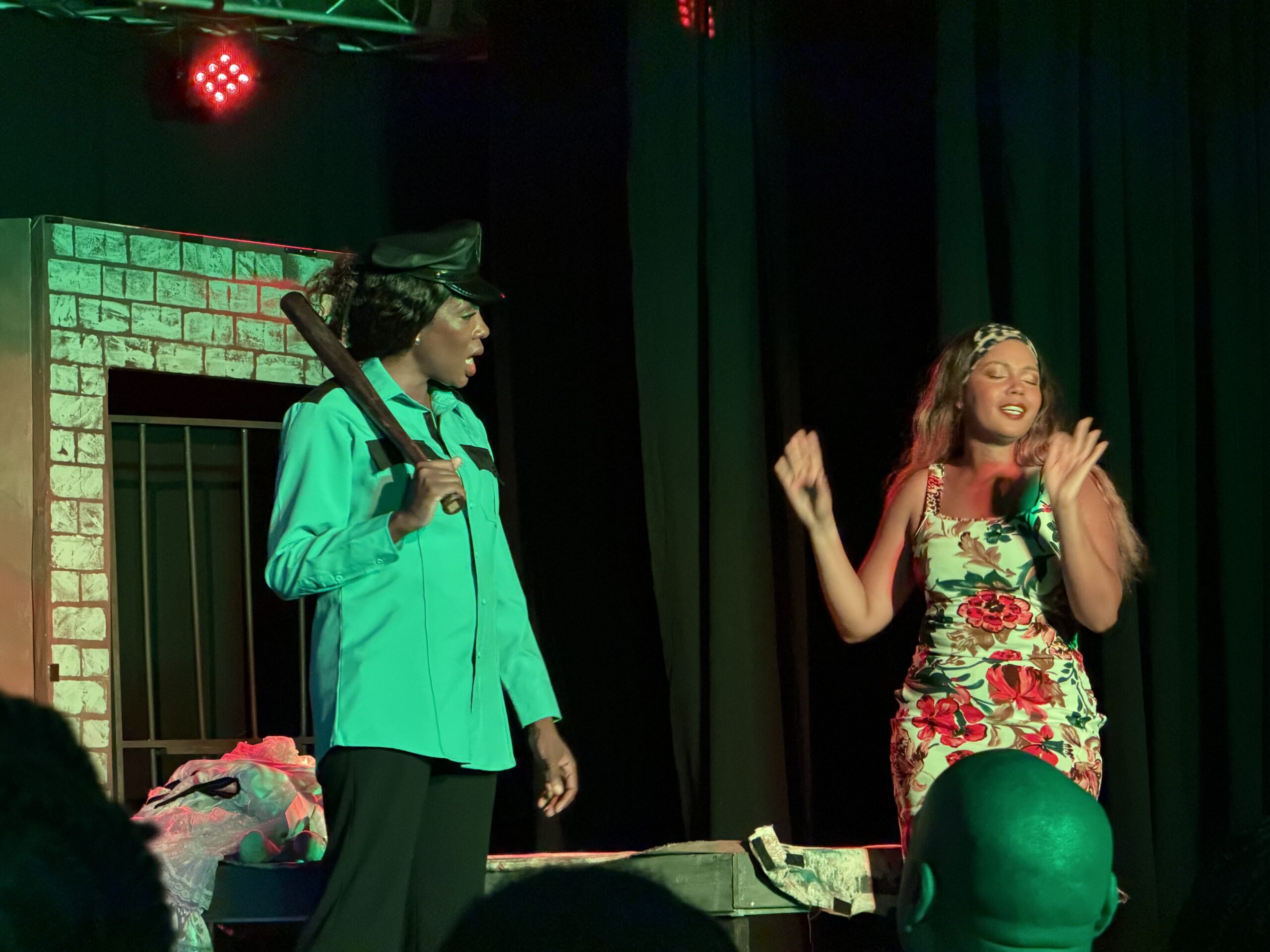
A powerful new theatrical production from Caribbean playwright Dr. Travis Weekes is placing the unheard experiences of migrant women in Trinidad and Tobago center stage, weaving together raw narratives of displacement, unexpected connection, and unbreakable perseverance. Titled *Don’t Call Me Baby Doll*, the production follows the intersecting lives of two migrant women: one originally from Cuba, the other from Venezuela, building new lives far from their native countries.
In an exclusive interview with St Lucia Times, Weekes broke down the layered narrative structure that sets the play apart. Unlike linear stories that only focus on migrants’ current struggles, the work weaves together dual timelines, juxtaposing the women’s day-to-day realities in Trinidad with intimate memories and stories from their home countries. This dual perspective gives audiences a full, nuanced look at how migration shapes identity, pulling people between the lives they left behind and the futures they are fighting to build.
While the script does not shy away from confronting the systemic and personal hardships migrant communities face—from border barriers to social exclusion to economic instability—Weekes emphasizes that the production’s core message is one of hope and endurance. “They share their struggles… their hurdles but what we also get, and which is most important, is the determination, the perseverance… to continue to strive for freedom and for a better life,” he explained.
A central, uplifting theme running through the play is the power of cross-cultural human connection. When the story opens, the two lead characters are complete strangers, separated by different national backgrounds and life experiences. Over the course of the narrative, they build a deep, supportive bond that becomes their anchor in an unfamiliar new country. “We feel the joy when we see two characters who are totally strangers, but who come together and who understand each other and who learn to appreciate each other… and are very supportive of each other,” Weekes said. This on-screen dynamic reflects the production’s broader exploration of how migrant communities build solidarity and collective strength in new, often unwelcoming environments.
The work is deeply rooted in Weekes’ own lived experiences during his years living and working in Trinidad. The playwright has long connected with migrant communities in the region, drawing inspiration and firsthand insight from their stories to shape the authentic narrative of the play. For Weekes, this production marks a major career milestone, calling it his most fully realized professionally produced work to date. Unlike his earlier projects, which he developed largely independently, *Don’t Call Me Baby Doll* was brought to life through a collaborative effort with a dedicated creative team. He notes that the collective expertise and shared commitment to the project elevated the execution, resulting in a polished, impactful production that stands out in his decades-long body of work.
Weekes’ career in the creative arts stretches back to his youth in the late 1970s, giving him decades of insight into the craft of theater-making. For emerging creators looking to follow in his footsteps, he shared a simple but powerful message: keep honing your skills, learn from the work of other artists, and never stop trying. For new creatives, he stresses, persistence matters far more than chasing perfection, as growth comes through consistent practice and iteration.