Across Trinidad and Tobago, families raising children with autism spectrum disorder (ASD) are facing an escalating public health and social crisis, marked by crippling delays to critical diagnostic care and widespread systemic gaps that have left nonprofits to shoulder the burden of unmet need.
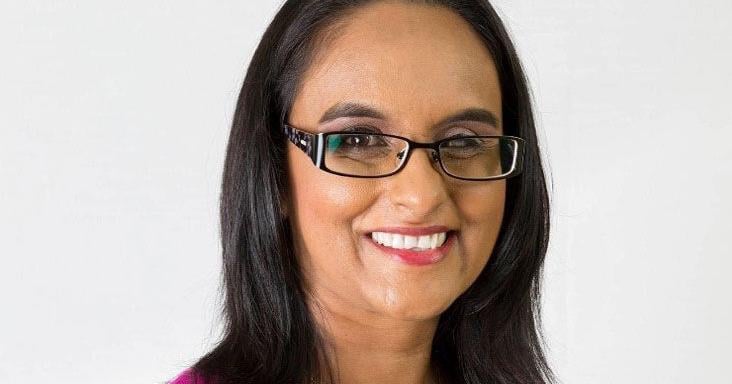
For many caregivers, the wait for an initial pediatric autism assessment stretches as long as two years, with some families as far back as 2023 receiving first appointment dates scheduled for 2027. These devastating wait times are just one of the multiple cascading barriers that autistic children and their families navigate daily, according to Dr. Radica Mahase, founder of Support Autism T&T. The advocacy and support organization has spent 11 years filling gaps in national services, born out of Mahase’s own personal struggle to secure a diagnosis and school placement for her autistic nephew. What began as a small, family-led effort has grown into a nationwide provider of support services, caregiver training and community outreach — yet despite its growing impact, the group has never received any government funding. It relies entirely on public donations, grassroots fundraising and contributions from individual supporters and small local businesses to keep its doors open.
Mahase has long called for a coordinated, cross-ministerial national autism strategy that brings together health, education, social services and labor departments to address the crisis systematically. While formal policies such as the national Inclusive Education Policy already exist on paper, Mahase says they have never been effectively implemented. If the policy were fully put into practice, early screenings would be available at the Early Childhood Care and Education (ECCE) level, every school would have specialized special education teachers and aides, and consistent training for all classroom educators would be standard. None of these provisions are currently available nationwide.
Access to autism care across the country is deeply unequal, shaped largely by household income. Most therapeutic services are only offered through private providers, with costs that are out of reach for low- and middle-income families. Wealthier households can jump the line by paying for private care, but lower-income families face months or years of waiting, inconsistent access to support, or no access to therapy at all. Even when parents recognize developmental differences early, navigating the pathway from diagnosis to therapy to appropriate school placement is financially crippling, emotionally draining, and confusing. Mahase identifies cost, extreme wait times, fragmented uncoordinated services, and dismissive attitudes from some medical and education professionals as the biggest barriers to care. Many parents are told to wait for evaluation or made to feel they are overreacting to their child’s developmental needs, while widespread social stigma around autism also delays care-seeking.
Demand for support has risen steadily in recent years, pushing the already strained system to a breaking point. At Support Autism T&T’s Rahul’s Clubhouse, the organization receives constant new requests for help from parents and caregivers, reflecting a national trend of growing unmet need. “For years now, families have been left to struggle, parents have had to fight for every bit of support, and NGOs have been left to pick up the pieces and fill the gaps,” Mahase explains. “We’re reaching a crisis point now with more and more families looking for help, but the systems for diagnosis, therapy, school support, and services for autistic adults are still not strong enough. Autism cannot keep being treated like a side issue or something to talk about only in April (World Autism Awareness Month).”
Late or missed diagnoses carry severe long-term consequences for autistic children, Mahase emphasizes. Early diagnosis enables early intervention, which creates measurable, life-changing improvements in children’s speech development, communication skills, behavior and learning outcomes, while also helping parents adapt their support to meet their child’s needs. Without timely diagnosis, many children are incorrectly labeled as rude, badly behaved, lazy or difficult, and are denied the targeted support they need to thrive.
Within the national mainstream school system, the gaps in support are equally stark. Most schools lack specialized special education teachers and classroom aides, and there is almost no access to on-site therapeutic support. Overcrowded classrooms, one-size-fits-all standardized curricula and testing do not accommodate the needs of neurodivergent learners. Autistic students commonly face sensory overload from noisy, fast-paced classroom environments, lack of targeted accommodations, communication barriers, low expectations from educators, bullying and social isolation. Too often, Mahase says, children are punished for behaviors related to their autism rather than adjusting the classroom environment to meet their needs, shifting blame from systemic failures to the child.
Beyond the strain on children, the crisis places enormous emotional and financial stress on entire families, who must absorb the costs of assessments, private therapy, daily care and the constant work of advocating for their child’s basic rights. To address the growing backlog of undiagnosed children, Mahase is calling for mandatory universal autism screening starting at the ECCE preschool level. Right now, timely diagnosis depends entirely on luck: whether a parent recognizes early signs of autism, can afford private care, or is directed to the right services. “But screening cannot stand alone,” Mahase stresses. “There must be proper follow-up, intervention programmes, and support systems in place so families are not left with a diagnosis and nowhere to turn.”