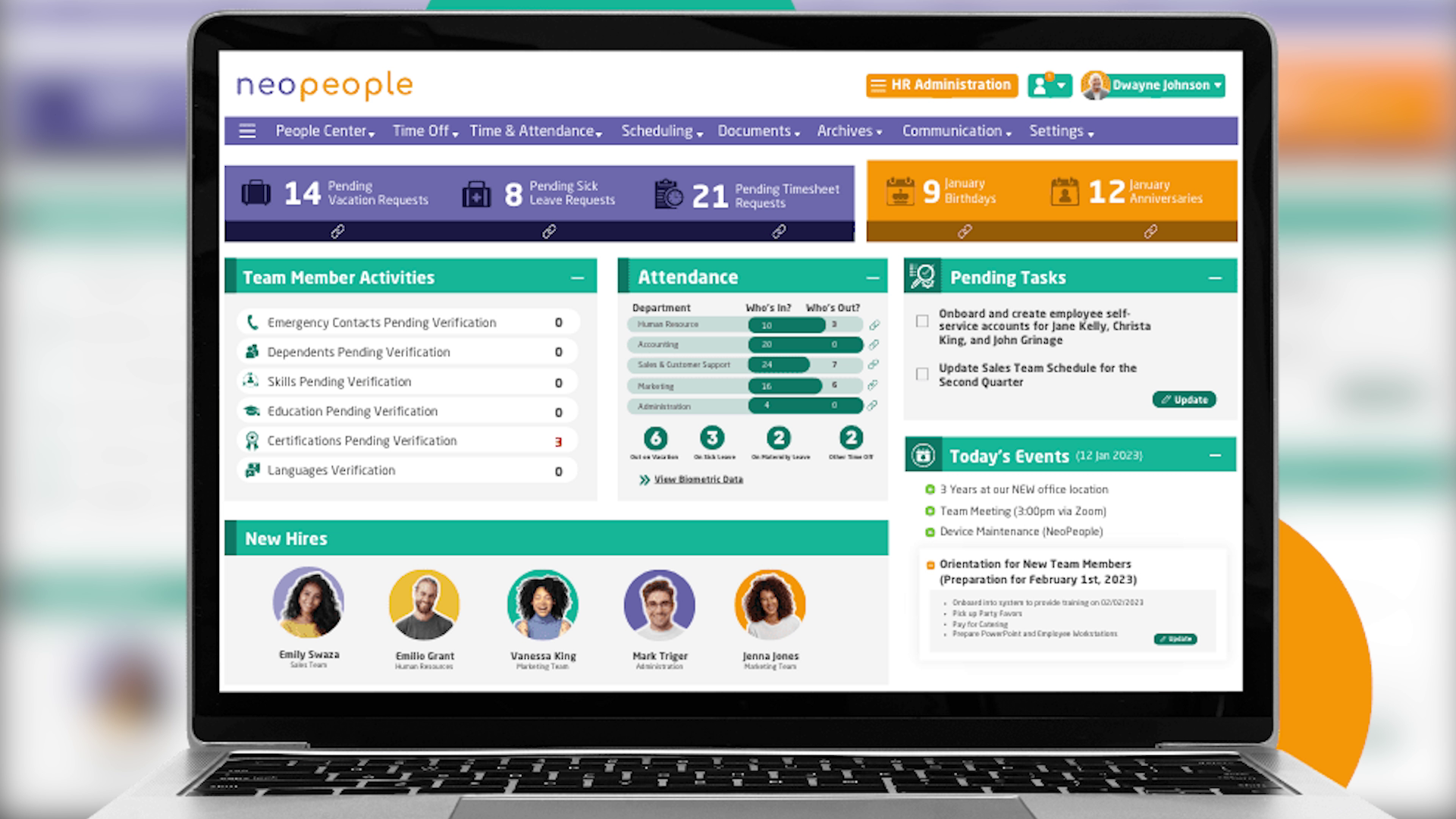
A government-led public service modernization initiative has triggered unexpected debate, centered not on whether the reform will boost administrative efficiency, but on whether sensitive employee data will remain secure after the decision to outsource core human resources tasks to private firm NeoPeople. The project, announced publicly on April 16, 2026, involves moving thousands of confidential personnel records from physical storage facilities to centralized digital systems, a shift that has left thousands of public servants raising urgent questions about access controls and data protection.
Public Service Minister Henry Charles Usher, who also holds the portfolio for Disaster Risk Management, moved quickly to address growing anxiety among government employees, laying out the rationale for the overhaul and detailing the safeguards the administration has put in place to guard personal information.
Usher acknowledged that worries over the security of personnel records, performance evaluations and confidential personal files are not new, even under the old system. For years, many government agencies have lacked sufficient on-site storage space for physical records, forcing departments to store sensitive paper files in off-site commercial storage containers, a practice that carried its own set of confidentiality risks. The digitization and outsourcing process, he emphasized, is a core component of the government’s broader push to modernize the underperforming public service.
“Regardless of whether data management is handled in-house by the Central Information Technology Office (CITO) or outsourced to a third-party provider like NeoPeople, maintaining the confidentiality of public servants’ personal information remains our top priority,” Usher stressed. He added that the government conducted extensive due diligence on NeoPeople before awarding the contract, verifying that the firm has the infrastructure and expertise to secure sensitive government data, and that the administration is confident in the company’s capacity to protect the records.
Usher also acknowledged the persistent threat of cyberattacks, noting that even major private sector organizations face constant attempted breaches. “Telecom provider BTL previously reported that they block thousands of attempted hacking incidents every day, and the same is true for banks, financial institutions and the Social Security Board,” he said. “We have implemented robust firewalls and ongoing security monitoring, and we will continuously update our protections to ensure they remain at the highest possible standard to guard against emerging threats.”
This report is a transcribed excerpt from an evening television newscast, with all statements reproduced accurately for online publication.