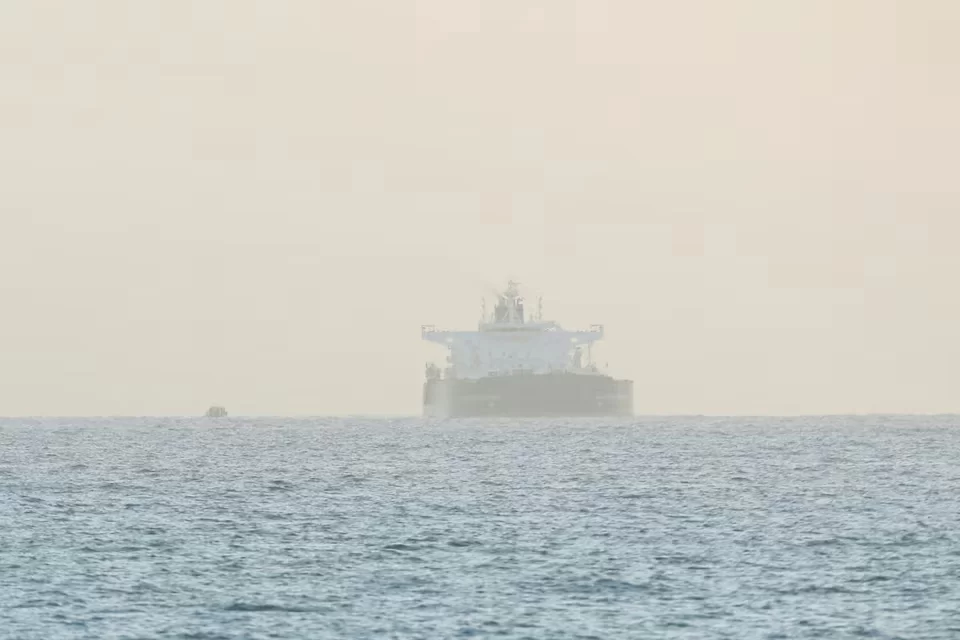
Two weeks after dispatching a 700,000-barrel crude oil tanker to the Caribbean island nation, Russian Foreign Minister Sergey Lavrov has publicly reaffirmed Moscow’s long-term commitment to delivering critical energy support to Cuba, a longstanding ally. The announcement, made Wednesday at the conclusion of Lavrov’s two-day visit to China, comes as Cuba grapples with a severe energy crisis triggered by shifts in regional oil supply chains and escalating U.S. pressure.
The crisis unfolded in early January, when U.S. authorities arrested Venezuelan President Nicolás Maduro during an international visit, prompting Washington to cut off all oil exports from Venezuela – Cuba’s most important traditional energy supplier. With domestic production covering less than one-third of the island’s 11 million residents’ energy needs, Cuba immediately plunged into acute fuel shortages that threatened critical public services and daily life.
The Trump administration has ramped up pressure on third-party countries to halt oil shipments to Cuba, threatening steep punitive tariffs on any nation that defies U.S. sanctions. Earlier this year, the U.S. granted a one-off exemption for Russian oil deliveries to Cuba on humanitarian grounds, but even that limited exception pushed other major suppliers to cut ties: Mexico, once a key oil provider to the island, has already suspended all shipments to avoid U.S. retaliation.
Lavrov confirmed that the first Russian tanker, carrying 100,000 metric tons of crude oil equal to approximately 700,000 barrels, has already arrived at Cuba’s Matanzas Bay, with cargo volumes projected to meet Cuba’s energy needs for roughly two months. “I have no doubt that we will continue this assistance, and I also expect China will maintain its participation in this cooperation,” Lavrov told reporters, declining to comment on whether the U.S. would approve future Russian shipments on a case-by-case basis, as the Trump administration has announced it will do.
In a sharp rebuke of Washington’s regional policy, Lavrov also expressed hope that the U.S. would abandon its current hardline approach in the Caribbean, which he compared to the era of historical colonial intervention. “We hope the U.S. will not return to the times of colonial wars,” he said, highlighting growing pushback against unilateral U.S. sanctions among Russia and other global powers that maintain ties with Havana.