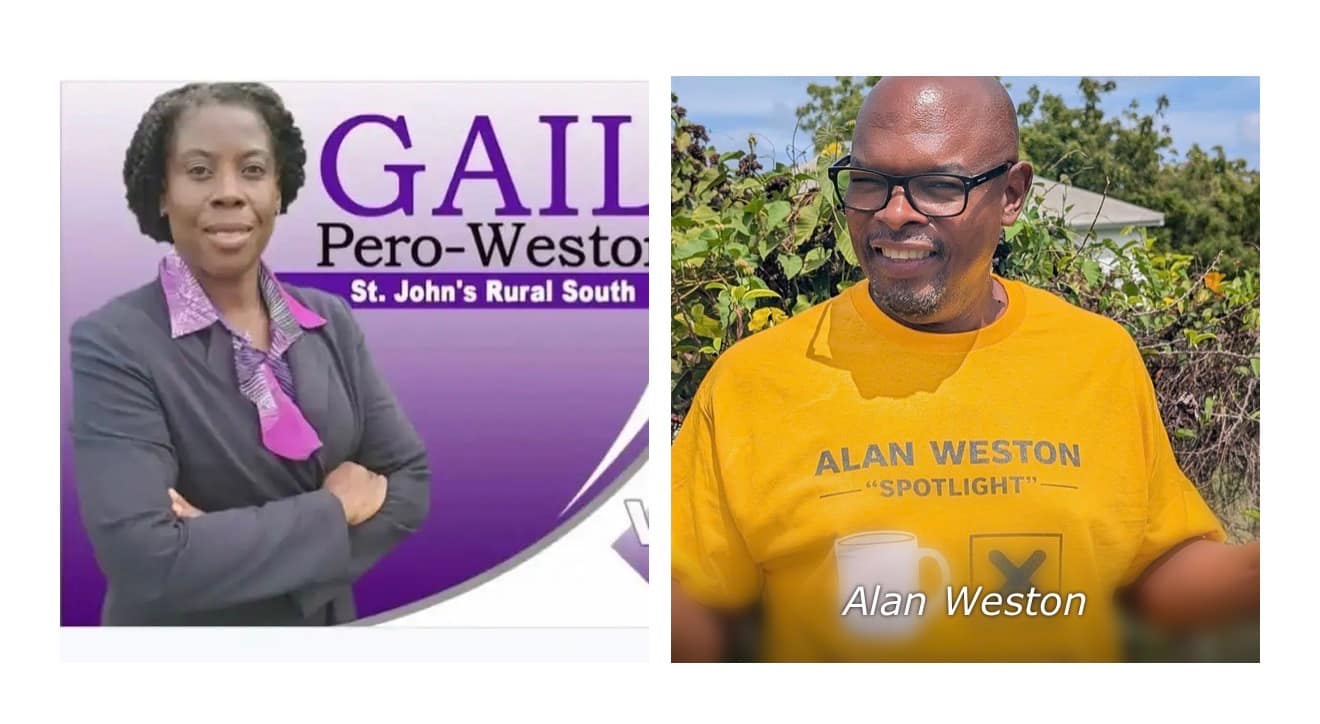
With the nomination period now closed for Antigua and Barbuda’s upcoming April 30 general election, election officials have finalized the full slate of competing candidates, marking the official entry of three independent contenders into races across key constituencies. This development has introduced competitive multi-candidate contests that break the long-standing two-party dynamic in three districts across the twin-island nation.
For the majority of the 19 House of Representatives constituencies, the electoral landscape remains dominated by the country’s two leading political forces: the incumbent Antigua and Barbuda Labour Party (ABLP) and the main opposition United Progressive Party (UPP). Just one candidate from the smaller Barbuda People’s Movement (BPM) is also in the running, alongside the three independent contenders who qualified to appear on the ballot after meeting all requirements laid out in the Representation of the People Act.
On the island of Barbuda, the race pits ABLP nominee Kendra Beazer against BPM incumbent Trevor Walker, a matchup that will determine the constituency’s single House seat. The independent candidates have turned three mainland districts into crowded competitive contests: in St. George, ABLP’s Michael Freeland and UPP’s Kelton Dalso will now face off against independent contender Debbie Pero Georges. St. Paul sees another three-way race, with ABLP incumbent EP Chet Greene and UPP candidate Franz deFreitas competing against independent Alan Weston. In St. John’s Rural West, independent Nigel Bascus joins the contest between the two major party nominees, creating a third multi-candidate race.
In the capital district of St. John’s, high-profile matchups have been confirmed across the city’s constituencies. In St. John’s City West, ABLP leader and incumbent Prime Minister Gaston Browne will challenge for re-election against UPP challenger Alister Thomas. Neighboring districts see equally clear matchups: St. John’s City South pits incumbent ABLP minister Steadroy “Cutie” Benjamin against UPP’s Adrian Williams, while St. John’s City East sees ABLP incumbent Melford Nicholas go up against UPP challenger Pearl Quinn-Williams.
Across rural St. John’s, most districts feature head-to-head contests between the two major parties. St. John’s Rural South matches ABLP’s Daryll Matthew against UPP’s Emanuel Peters, while St. John’s Rural North sees ABLP’s Henry Charles Fernandez face off against UPP’s Malaka Parker. St. John’s Rural East, like most rural constituencies, is a straight ABLP-UPP race, with only St. John’s Rural West disrupted by the addition of the independent candidate.
Matchups across the rest of the mainland hold to the two-party pattern. In St. Mary’s North, ABLP’s Dr. Philmore Benjamin will contest against UPP’s Jonathan Joseph, while St. Mary’s South sees ABLP’s Dwayne George face off against UPP’s Kelvin Simon. All Saints East and St. Luke has ABLP’s Lamin Newton James competing against UPP’s Jamal Pringle, and All Saints West matches ABLP’s Anthony Smith Jr. against former UPP leader Harold Lovell. In St. Peter, ABLP’s Rawdon Turner will challenge UPP’s George Wehner Weste, while both St. Philip North and St. Philip South host straight two-party contests. All candidates have been verified as eligible under national electoral law, and voters across Antigua and Barbuda will head to the polls on April 30 to select their new House of Representatives.