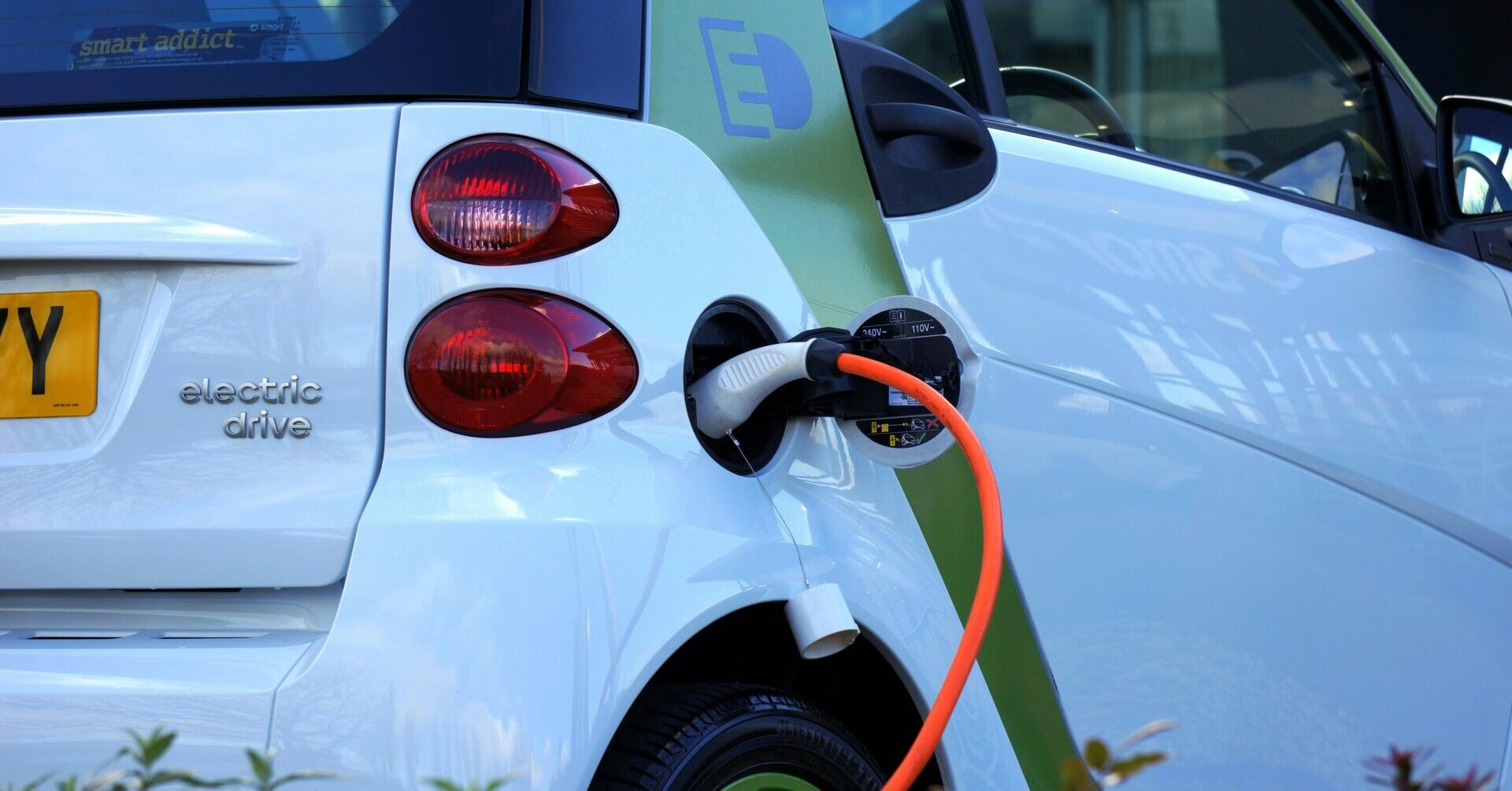
This is the second installment of a three-part series exploring the transformative intersection of geothermal energy development and transport electrification in Dominica, with all opinions belonging solely to the author. At its core, the argument frames geothermal energy as the foundational enabling infrastructure for widespread electric vehicle (EV) adoption, addressing one of the most common criticisms of EV transition: that powering EVs with diesel-generated electricity does little to cut reliance on imported fossil fuels. When transport electrification is paired with domestic, stable renewable geothermal power, it evolves from a simple transport policy to a full-scale economic transformation for small island nations like Dominica.
Unlike decades-old hypothetical plans for geothermal development in Dominica, the energy source is now moving from promise to tangible delivery. The country has already established a public commissioning timeline for its first geothermal plant, with the 10 megawatt facility on track to be fully integrated into the national grid by June 2026. This milestone is not just a win for clean energy; it clears the path for transport electrification that does not increase the country’s exposure to volatile global fossil fuel markets.
Critically, this strategy is far more than an energy policy—it is a core foreign exchange (FX) strategy critical to Dominica’s economic stability. As a small open economy, Dominica relies heavily on scarce foreign exchange reserves, and its 2023 mineral fuel import bill reached a substantial $56.3 million U.S. dollars. This foreign currency outflow is inherently unstable: it spikes when global oil prices rise, when freight and insurance costs increase, and when geopolitical conflict disrupts global supply chains. As a small player in global energy markets, Dominica cannot outcompete larger economies for limited oil supplies. The only meaningful, long-term solution is to cut the volume of imported fuel the country must purchase.
A key lesson drawn from the late-2025 surge in imports of used internal combustion engine (ICE) vehicles is that clear policy deadlines and aligned incentives drive rapid market change. Rather than lamenting this unplanned shift, the author argues that policymakers should structure the next phase of transition to guide market movement toward EV adoption, with four non-negotiable priorities: simplifying and standardizing EV import processes, expanding accessible EV financing, building out reliable public charging infrastructure, and accelerating geothermal energy expansion.
Full national fleet electrification will not happen overnight. With roughly 40,000 licensed vehicles already on Dominican roads and standard vehicle lifespans spanning more than a decade, the transition requires a phased, results-focused approach that delivers rapid fuel import cuts without forcing premature turnover. The proposed three-phase roadmap prioritizes fast impact over immediate full conversion:
– Phase 1 (2026–2029): Electrify high-mileage commercial and public fleets first, including taxis, buses, government vehicles, rental fleets and delivery vehicles. These vehicles consume massive amounts of fuel daily, so electrifying them delivers the fastest possible national import savings while providing visible, public proof that EV technology works reliably in Dominica.
– Phase 2 (2028–2032): Shift the default for new passenger vehicle imports to EVs, with narrow exemptions only for specialized heavy equipment where electrification is not yet practical. This ends the long-standing assumption that imported ICE passenger vehicles will remain the norm indefinitely.
– Phase 3 (2032 onward): Let market economics accelerate private vehicle turnover, rather than relying on government mandates. As geothermal expansion brings down electricity costs and EV charging becomes routine, the dramatic operating cost advantage of EVs will drive widespread voluntary adoption.
The author argues that the Dominican government has a critical role to play in making EV incentives tangible and accessible for ordinary citizens, removing unnecessary barriers that are slowing adoption. Drawing from personal experience, the author notes that switching from an ICE to an EV revealed a surprising gap in the market: many local insurance providers refused to cover EVs, with only one out of five contacted providers willing to issue a policy. To fix this, the government should quickly introduce or amend legislation to require all licensed motor vehicle insurers to end discrimination against EVs immediately, noting that policymakers should prioritize insuring the future, not protecting the fossil fuel past.
Another common barrier cited by prospective EV owners is the lack of local mechanics trained in EV maintenance and repair, a legitimate concern with a straightforward solution. According to recent remarks from China’s Ambassador to Dominica, China is now the world’s largest EV producer. Leveraging Dominica’s existing education and training partnerships with China, the author proposes that a diplomatic request can quickly arrange high-quality, short-term training for local mechanics and automotive instructors. This training can address the perceived skills gap in roughly six months, without requiring four-year university degrees for entry-level technicians.
While the government has already outlined duty and VAT exemptions for EVs, public clarity and speed of implementation remain major gaps. Every month of policy confusion locks in another round of ICE vehicle imports that will operate on Dominican roads for decades. The author calls for three simple, immediate publishing changes to resolve this: a one-page public guide to all available EV incentives, a standard transparent checklist for EV import approvals, and a clear, accessible financing pathway for fleet operators, particularly those serving the general public.
For ordinary Dominican drivers, the cost benefits of EV adoption are tangible and easy to measure, even before geothermal power fully reduces electricity generation costs. A head-to-head comparison between a 2012 Toyota RAV4 (one of the most popular compact ICE SUVs on Dominican roads) and a comparable modern EV, the BYD Atto 3, demonstrates the scale of savings. Calculations based on March 2026 petrol prices of EC$4.14 per liter show that the RAV4 costs between EC$65.82 and EC$67.39 per 100 miles to operate. By contrast, the BYD Atto 3 costs roughly EC$30 per 100 miles, even accounting for 10% charging losses and using the 2023 conservative residential electricity tariff of US$0.39 per kilowatt-hour. This works out to annual savings of EC$2,100 to EC$2,200 for a driver covering 6,000 miles per year, not including additional savings from lower EV maintenance requirements. Once geothermal expansion eliminates the fossil fuel component of electricity prices, these savings will grow even larger.
In the upcoming third and final installment of this series, the author will connect this national strategy to unfolding global energy shocks, including war risks and critical shipping chokepoints, explaining why expanded geothermal development is not just a climate policy—it is a form of critical national insurance for small island economies like Dominica.