标签: Trinidad and Tobago

特立尼达和多巴哥

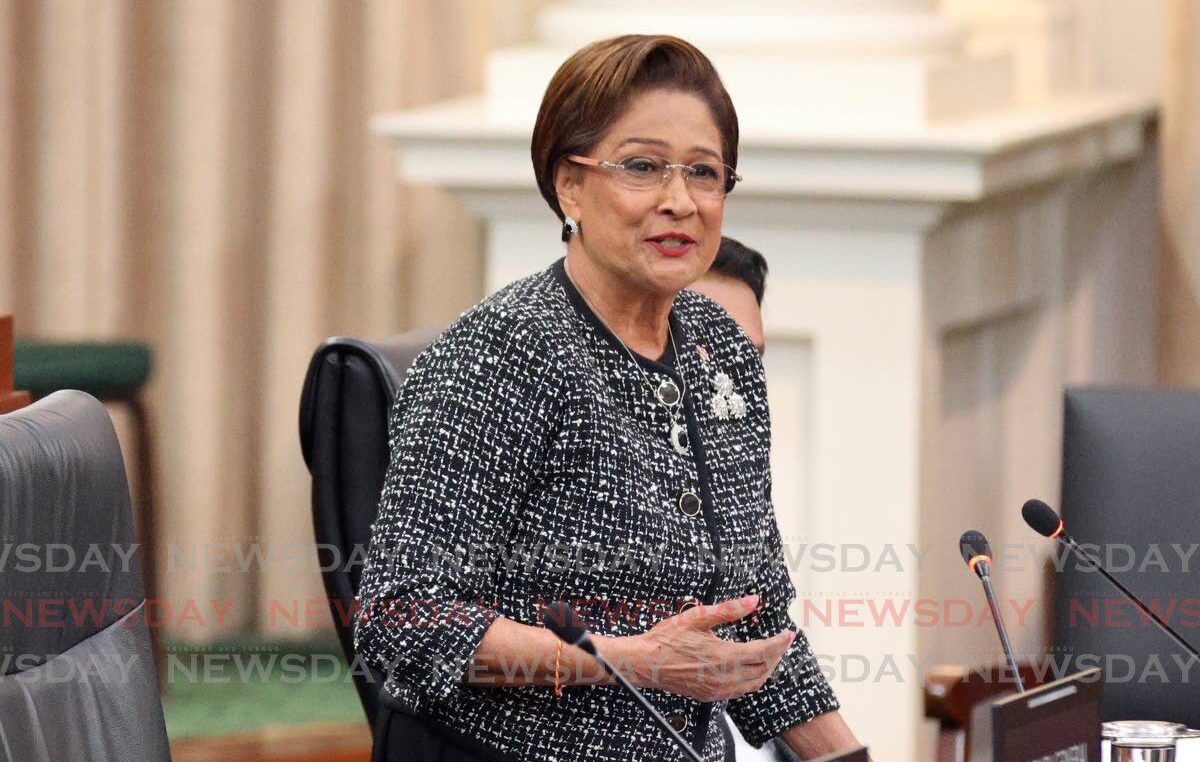
  • Red party’s health scandal

    Red party’s health scandal

    A massive healthcare scandal involving approximately $180 million in wasted medical resources has ignited public outrage and demands for criminal accountability in Trinidad and Tobago. The controversy centers on two separate but equally alarming revelations that expose systemic failures in the nation’s healthcare management.

    According to explosive reports, approximately $80 million worth of pharmaceutical drugs were allowed to expire over the past decade while the red party held governmental power. These essential medications, funded by taxpayer dollars, reportedly sat unused in Health Ministry warehouses despite critical shortages affecting public healthcare facilities. Simultaneously, an additional $100 million in advanced medical equipment, including MRI machines, has been left to deteriorate at the mothballed Couva hospital facility—a project originally constructed by the opposing yellow party.

    The situation highlights the devastating human cost of political tribalism in healthcare governance. Patients across the nation face extended waiting lists for basic diagnostic services, with some reports indicating wait times so prolonged that injuries heal before imaging appointments become available. The CDAP program, designed to provide affordable medication to vulnerable populations, has reportedly seen beneficiaries expire while awaiting treatment.

    This revelation raises serious questions about the ethical responsibility of previous administrations. Critics demand to know why functional medical equipment from the unused Couva facility wasn’t redistributed to operational healthcare institutions rather than being left to decay. The deliberate neglect appears driven by political animosity rather than practical considerations for public welfare.

    Calls for justice include demands for financial restitution from the red party equivalent to the wasted $180 million in public funds. There are growing appeals for criminal investigations into former officials, including ex-prime ministers, health ministers, and permanent secretaries who may have been complicit in these decisions. The public sentiment reflects profound disappointment in leadership that prioritized political rivalries over human lives and responsible stewardship of national resources.

  • Weak West Indies leadership

    Weak West Indies leadership

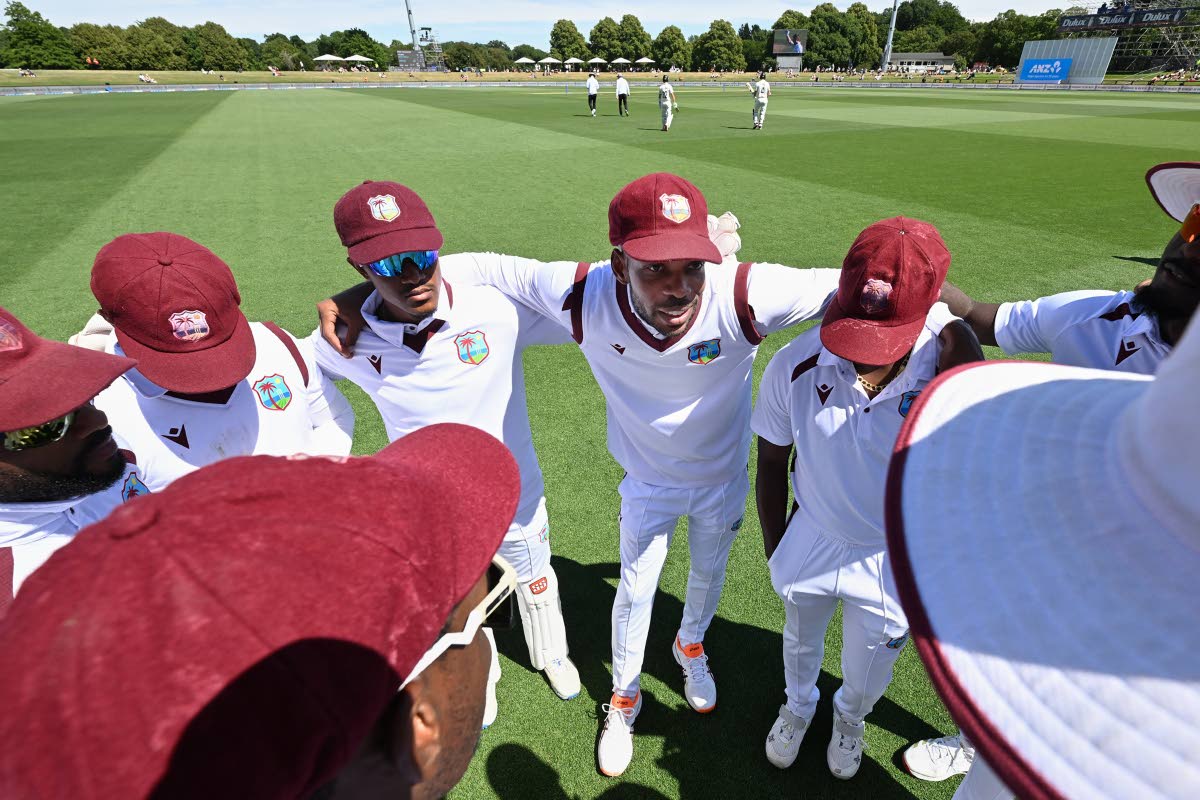
    The West Indies cricket team, once the undisputed monarchs of international cricket, now finds itself mired in profound institutional crisis. Current performances reveal a staggering decline from their legendary era of dominance, prompting serious questions about leadership competence within Cricket West Indies.

    President Kishore Shallow and his administration face mounting criticism for their apparent inability to diagnose or address the team’s systemic problems. This leadership vacuum has left supporters, well-wishers, and former players bewildered as the Caribbean squad continues its embarrassing descent in Test cricket rankings.

    The historical context makes this downfall particularly painful. Beginning their Test journey in 1928 with a 3-0 defeat to England, the West Indies gradually developed through dedication and technical refinement into the most feared team in world cricket for much of the 1970s and 1980s. Their current state represents a dramatic reversal from those glory days.

    Central to the controversy is coach Daren Sammy’s questionable retention despite overseeing historically poor performances, including the team being bowled out for a mere 27 runs last July at Sabina Park. Sammy’s strategic limitations appear particularly exposed in Test cricket, where complex tactical awareness separates competent coaches from exceptional ones.

    Equally puzzling is the appointment of Roston Chase as Test captain. Plucked from relative obscurity based on limited Caribbean Premier League leadership experience, Chase demonstrates concerning tactical naivety. His recent post-match analyses, where he simultaneously criticized batting conditions while praising bowlers’ performances on those same pitches, reveal fundamental logical flaws.

    The second Test against New Zealand exemplified these problems. After showing promising fight in the first match through Justin Greaves, Shai Hope, and Kemar Roach, the team delivered a profoundly disappointing performance that highlighted deeper structural issues beyond mere player execution.

    This crisis transcends individual matches, representing a fundamental breakdown in cricketing philosophy, strategic planning, and leadership accountability. Until Cricket West Indies addresses these core governance issues, the once-mighty Caribbean cricketing tradition risks permanent irrelevance.

  • Lucia Cabrera Jones wins 2025 Colin Robinson Hard Head Award

    Lucia Cabrera Jones wins 2025 Colin Robinson Hard Head Award

    In a ceremony held at ThinkArtWorkStudio in Port of Spain on December 6, women’s empowerment activist Lucia Cabrera Jones was declared the recipient of the fifth annual Colin Robinson Hard Head Award. The 52-year-old founder and CEO of Women Owned Media and Education Network (Women), herself a survivor of domestic violence, received recognition for her transformative work in underserved communities.

    Cabrera Jones’s innovative approach combines artistic expression, creativity, non-traditional training methodologies, and therapeutic storytelling to facilitate healing and empowerment. The award, organized by Caiso: Sex and Gender Justice, serves as a memorial to the organization’s late co-founder and director of imagination, Colin Robinson, who passed away following a brief battle with cancer in 2022.

    The selection process featured four additional distinguished finalists: community archivist and cultural heritage activist Avah Atherton; climate justice advocate and workers’ rights activist Princess Avianne Charles; feminist activist Jade Trim; and disability rights activist Kenneth Suratt, who serves as executive officer of the Blind Welfare Association. Among these exceptional candidates, Atherton and Suratt received special honorable mentions from the judging panel.

    This year’s nomination period, which ran from October 25 to November 12, yielded ten nominations spanning diverse areas of human rights and social justice advocacy. The submitted nominations represented fields including cultural activism, health policy and advocacy, LGBTQ+ rights, social media activism, and visual and performing arts-based activism.

    An independent award committee meticulously evaluated all nominations, ultimately shortlisting five finalists for adjudication. The distinguished judging panel comprised human rights advocate and political affairs professional André Blackburn, temporary Independent Senator and gender development specialist Dr. Deborah McFee, and Caiso director Omar Mohammed. The judges reached their final decision on December 2.

    In delivering the official citation, Blackburn and McFee praised the remarkable diversity and richness of civil society engagement demonstrated by all nominees. They particularly highlighted Atherton’s dedication to revitalizing the ancestral tradition of the griot and her philosophical conviction that memory constitutes a form of activism. Suratt received recognition for his purposeful determination and his unique ability to identify opportunities where others perceive only limitations.

    The judging panel ultimately selected Cabrera Jones for her “unwavering determination to create change even when resources are scarce, systems are resistant and the odds even.” The judges noted that her particular brand of “hard-headedness” has evolved into a comprehensive mission to establish access, equity, healing, and positive transformation for both local and migrant women and girls.

  • Trump peace via strength

    Trump peace via strength

    In a bold articulation of current U.S. foreign policy direction, a compelling perspective emerges regarding President Donald Trump’s strategic approach to global conflicts. The analysis positions Trump as operating from a position of strength rather than weakness, fundamentally rejecting diplomatic hesitation in favor of assertive action.

    The Ukrainian conflict serves as a primary case study, with the author noting that European allies appear increasingly aligned with Trump’s methodology of applying maximum pressure through comprehensive sanctions against Russia. This transatlantic unity suggests a significant shift in how Western nations approach Vladimir Putin’s prolonged engagement in Eastern Ukraine.

    Beyond European affairs, the geopolitical implications extend to South America, where the administration’s firm stance against Venezuelan leader Nicolás Maduro is predicted to generate regional shockwaves. The analysis further contends that nations relying on Russian or Chinese protection will soon recognize the limitations of these alliances as American influence reasserts itself.

    Most significantly, the Taiwan Strait emerges as the ultimate litmus test for Chinese aggression. The author asserts that President Xi Jinping fully understands the prohibitive costs of military escalation in this strategically vital region. This positioning represents a clear ultimatum: nations must choose between aligning with American-led stability or facing isolation.

    The overarching narrative describes a fundamental recalibration of international relations—subtle to some observers yet unmistakable to those analyzing strategic patterns. Those who presumed American global influence had diminished are cautioned to expect a dramatic demonstration of renewed power and purpose in the coming period.

  • WI team needs changes

    WI team needs changes

    West Indies cricket faces renewed scrutiny following a dramatic reversal of fortunes in their Test series against New Zealand. After an impressive performance in the opening match, the Caribbean side regressed to familiar batting frailties during the second Test, prompting serious questions about leadership and technical preparation.

    The team’s second innings collapse proved particularly concerning for supporters. A poorly executed run-out initiated a cascade of wickets that exposed fundamental deficiencies in application and temperament. While the bowling unit has demonstrated measurable improvement, the batting lineup continues to rely disproportionately on contributions from Shai Hope and Justin Greaves, with occasional support from Brandon King and Kavem Hodge.

    Test match fundamentals require first innings totals exceeding 300 runs to establish competitive positions, yet West Indies consistently fail to achieve this benchmark. Captain Roston Chase’s continued batting struggles have become particularly worrisome, with the most experienced player in the squad failing to deliver meaningful contributions through both matches. This has led to calls for his replacement by wicketkeeper-batsman Joshua Da Silva ahead of future fixtures.

    Selection recommendations include integrating Amir Jangoo into the squad and providing Alick Athanaze with specialized mentoring from Caribbean legends Brian Lara and Shivnarine Chanderpaul. The promising batsman would benefit from extended first-class exposure to rebuild technical foundations before returning to international cricket.

    Despite the disappointing outcome in the second Test, supporters remain hopeful that the batting unit can rediscover its form to properly support the increasingly effective bowling attack in future engagements.

  • Maestre and Friends keeping parang alive in Canada

    Maestre and Friends keeping parang alive in Canada

    For over three decades, Toronto-based financial advisor Antonio Maestre has sustained the vibrant sounds of Trinidadian Christmas through his musical ensemble Maestre and Friends. The 62-year-old founder has transformed his childhood memories of St. Augustine, Trinidad, into a cultural mission that brings authentic parang music to Caribbean communities across Canada.

    Maestre’s connection to parang runs generations deep. His grandfather, Luis de León, was a celebrated parang legend documented in Daphne Pawan Taylor’s book ‘Parang of Trinidad.’ Growing up in a household where music flowed naturally, Maestre began performing professionally at 17 with local bands Los Alumnos and later Los Niños de Dios, mastering the cuatro and guitar while developing as a lead vocalist.

    The journey to Canadian cultural preservation began in 1988 when Maestre migrated at 24. Despite drastic climate adjustments and cultural differences, he immediately joined La Petite Musical, a folk group performing seasonal parang. His collaboration with fellow Trinidadian Lionel Herbert eventually led to forming Maestre and Friends, now in its 14th year of operation.

    The ensemble features eight to ten predominantly Trinidadian musicians performing with traditional instruments including cuatro, maracas, bass guitar, percussion, box bass, and surprisingly incorporated steelpan. Their repertoire balances classic pieces like Daisy Voisin’s ‘Alegría’ with popular soca parang hits such as Scrunter’s ‘Madame Jeffrey’ and Baron’s ‘Spanish Woman’.

    Introducing parang to Canadian audiences required cultural education. ‘We had to explain this is an annual Trinidadian tradition,’ Maestre noted, contrasting parang with conventional caroling. The group adapted the traditional house-to-house parang into concentrated gatherings where ‘you go to one house for the night and everybody invites their friends over – it’s like a big party.’

    Their performances have expanded from intimate gatherings to significant venues including the Trinidad and Tobago High Commissioner’s office in Ottawa and the Consulate in Toronto. They’ve shared stages with iconic soca parang artists including Scrunter, Crazy, and Baron.

    The band now navigates generational evolution within the genre, with Maestre’s son Miguel incorporating stronger soca parang influences and recently releasing Carnival tracks. While the elder Maestre transitions to mentoring roles, he remains dedicated to preserving parang’s religious foundations as a devout Catholic who values the music’s spiritual narratives of Christ’s birth.

    Despite member transitions and evolving musical preferences within the diaspora community, Maestre and Friends continues to adapt while maintaining core traditions. Future plans include regular seasonal performances and potential recording projects, all aimed at keeping the parang flame alive for generations to come.

  • Government delivers campaign promises with 2 key legislations

    Government delivers campaign promises with 2 key legislations

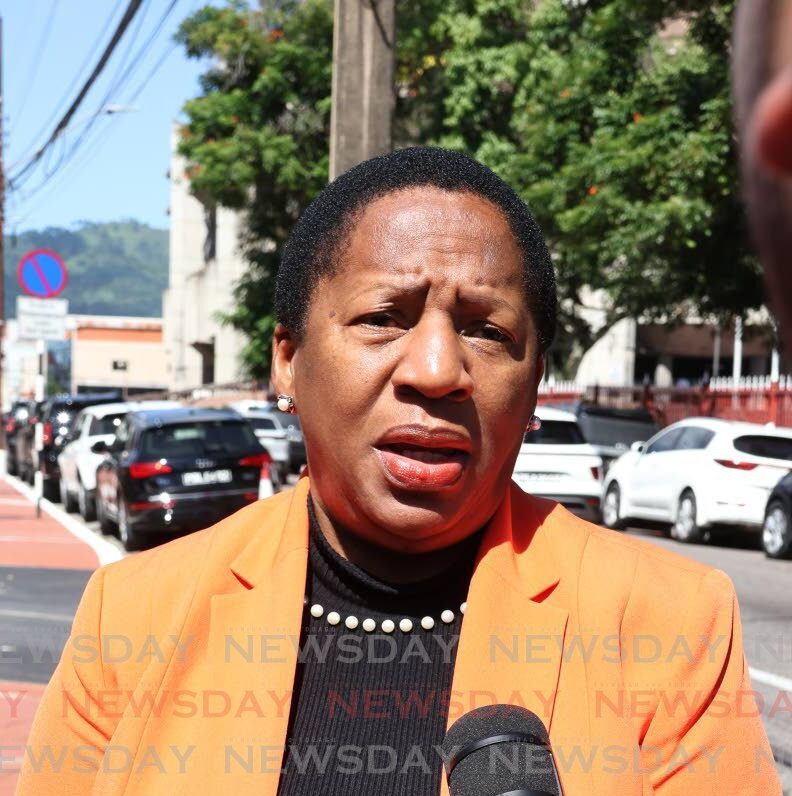
    In a significant move fulfilling campaign pledges, the Trinidad and Tobago government has announced the presidential assent of two pivotal legislative acts addressing public safety and community welfare. President Christine Kangaloo formally endorsed the Home Invasion (Self-Defence and Defence of Property) Act, 2025 and the Summary Offences (Amendment) Act, 2025, marking a substantial step in the administration’s policy implementation agenda.

    The newly enacted Home Invasion Act establishes home invasion as a specific criminal offense while unequivocally affirming citizens’ rights to protect themselves, their families, and property within their residences. This groundbreaking legislation eliminates any legal obligation to retreat when facing intruders and explicitly permits the use of reasonable defensive measures, including lethal force when deemed necessary for protection.

    Simultaneously, the amended Summary Offences Act introduces strengthened provisions against noise pollution and unregulated fireworks usage. The updated legislation addresses growing concerns about public health impacts and community disruption, particularly affecting vulnerable populations including children, elderly citizens, individuals with medical conditions, and those with sensory sensitivities. The act also acknowledges the detrimental effects on animals, both domestic pets and livestock, who frequently suffer trauma from explosive noises.

    Prime Minister Kamla Persad-Bissessar’s administration emphasized that these legislative measures directly respond to widespread public concerns expressed during the recent election campaign. The government’s statement highlighted that these actions contrast with previous administration’s perceived inaction on these issues, noting that voters provided a clear mandate for stronger public safety measures and enhanced quality of life protections.

    The implementation of these acts represents the government’s commitment to balancing celebratory traditions with community responsibility while providing law enforcement agencies with clearer authority and stronger deterrent mechanisms. The administration has characterized these developments as evidence of their dedication to following through on electoral promises and responding to citizens’ priorities in addressing crime and public disorder challenges.

  • High Court shuts down concrete plant in Chase Village

    High Court shuts down concrete plant in Chase Village

    In a landmark environmental ruling, High Court Justice Nadia Kangaloo has delivered a decisive verdict against Trinidad’s Environmental Management Authority (EMA) for permitting unlawful operations at a concrete batching facility in Chase Village. The December 15 judgment found the regulatory body acted illegally, irrationally, and in breach of procedural fairness by allowing Central Concrete and Pumps Ltd to operate without proper environmental clearance.

    The court nullified all EMA decisions pertaining to the Derrick Road facility, including the certificate of environmental clearance issued April 15, 2024. Justice Kangaloo mandated immediate enforcement action to cease all plant operations until the company properly applies for and obtains valid authorization under Section 35 of the Environmental Management Act.

    The case was initiated by Everton Phillip, a local pensioner whose two-decade struggle against the plant’s environmental impacts culminated in this legal victory. Phillip documented years of unresolved complaints regarding excessive noise and dust pollution from the facility operating in a residential-commercial zoned area.

    Justice Kangaloo’s ruling highlighted systemic regulatory failure, noting that despite a 2014 EMA investigation recommending legal action and issuing violation notices, the authority subsequently entered into a consent agreement that improperly exempted the company from standard environmental compliance requirements.

    The court awarded Phillip damages for losses sustained due to the unlawful operations, with quantum to be assessed by a master in chambers. The EMA was additionally ordered to cover the claimant’s legal costs. While the judgment takes immediate effect, operations may continue until January 26, 2026, under a temporary stay provision.

    Legal representatives for both parties included Kingsley Walesby and Stephanie Rajkumar (claimant), Ian Benjamin SC with Tekiyah Jorsling and Rachel Ramoodith (EMA), and Shiv Sharma representing the interested party, Central Concrete and Pumps Ltd.

  • Man charged in fatal crash involving Tobago couple freed

    Man charged in fatal crash involving Tobago couple freed

    In a dramatic courtroom development, prosecutors in Tobago have unexpectedly terminated the trial of Skeater Fredrick, who faced two counts of causing the deaths of firefighter Christian Adams and his wife Teresa Alleyne-Adams in a 2023 highway collision.

    The case concluded abruptly on its third day before Justice Nalini Singh at the Scarborough High Court. Prosecutor Dylan Martin announced the Director of Public Prosecutions had directed the state to offer no further evidence, citing that the available evidence disclosed ‘no reasonable prospect of securing a conviction’ under the code for prosecutors.

    The tragic incident occurred on the Claude Noel Highway when the Adams couple were en route to collect their three children from school. According to police reports, a rock-laden truck swerved to avoid an oncoming vehicle near the Rockly Vale traffic lights, collided with multiple vehicles, and ultimately overturned onto the Adams’ white Suzuki, crushing them instantly. The truck subsequently rolled down a hill near the botanical gardens during recovery efforts.

    Prior to the case’s dismissal, Justice Singh had received formal admissions from eight prosecution witnesses, while three others had testified and undergone cross-examination by Fredrick’s defense team led by attorney John Heath, SC. With the prosecution’s withdrawal, Justice Singh formally discharged Fredrick from the charges.

    The legal proceedings involved additional representation from Adanna Joseph-Wallace for the defense and Cassie Bisram for the prosecution. The unexpected conclusion leaves unanswered questions about the 2023 accident that claimed the lives of the prominent firefighter and finance division employee.

  • Venezuela fires back over US blockade

    Venezuela fires back over US blockade

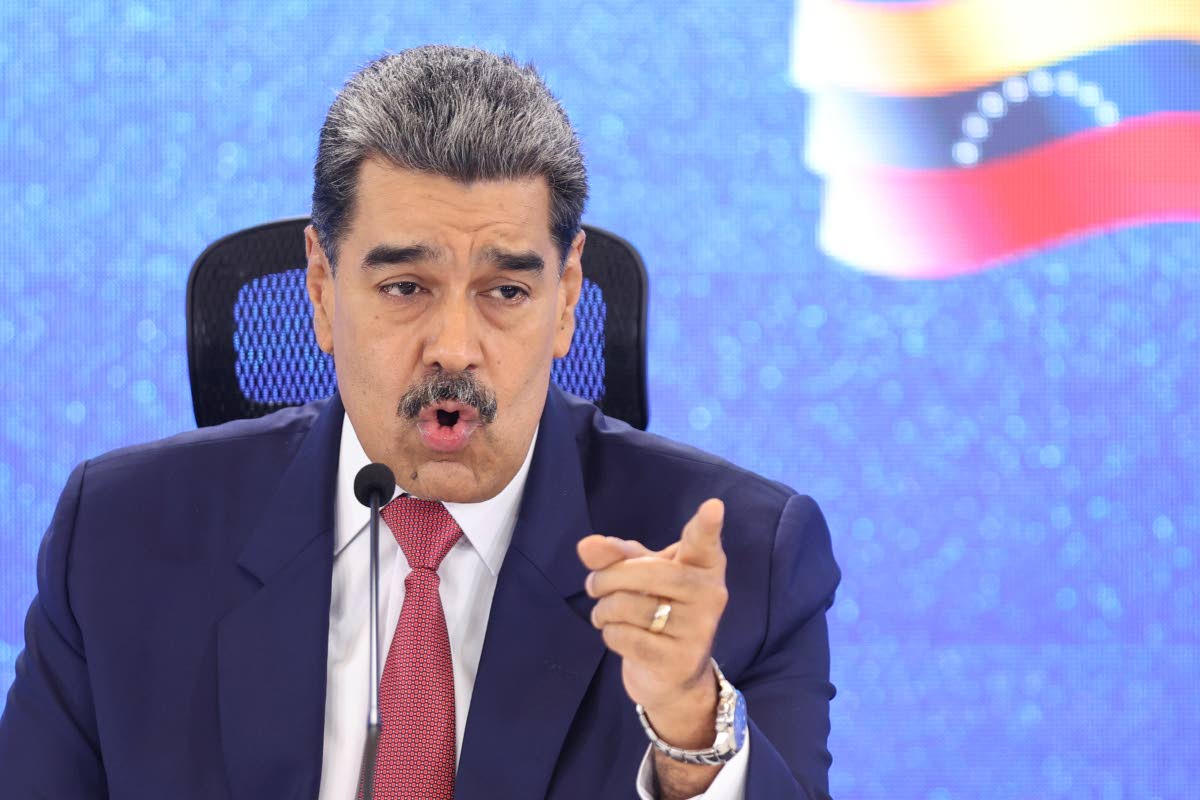
    Venezuela has launched a fierce diplomatic counteroffensive against the United States following President Donald Trump’s announcement of a comprehensive naval blockade targeting sanctioned oil tankers operating in Venezuelan waters. The dramatic escalation in tensions between the two nations unfolded through competing declarations on December 16th.\n\nPresident Trump utilized his Truth Social platform at 7:46 PM to declare unprecedented maritime restrictions, framing them as necessary to reclaim what he characterized as stolen American assets. \”The US will not allow criminals, terrorists, or other countries to rob, threaten, or harm the nation,\” Trump asserted, specifically accusing the Maduro regime of utilizing \”stolen oil fields\” to finance activities including \”drug terrorism, human trafficking, murder, and kidnapping.\”\n\nIn response, Venezuelan Vice President Delcy Rodríguez issued a comprehensive two-page rebuttal via Telegram at 11:10 PM, vehemently rejecting what she termed Trump’s \”grotesque threat\” and \”interventionist and colonialist statement.\” The official communication accused the American president of violating fundamental principles of international law, free trade, and maritime navigation.\n\nThe Venezuelan government’s statement presented Trump’s social media claims as effectively asserting ownership over Venezuela’s natural resources: \”He claims on his social media that Venezuela’s oil, land, and mineral wealth are his property. Consequently, Venezuela must immediately hand over all its riches.\”\n\nCaracas announced its intention to pursue immediate diplomatic recourse through the United Nations, with plans to formally denounce what it considers a grave breach of international legal standards. The statement called upon both the American public and global community to reject Trump’s \”extravagant threat by any means necessary.\”\n\nReaffirming Venezuela’s sovereign rights, the communication emphasized the nation’s commitment to \”free navigation and trade in the Caribbean Sea and the world’s oceans\” under international law and the UN Charter. The government positioned itself as defending national independence against what it characterized as attempted economic appropriation through \”gigantic campaigns of lies and manipulation.\”\n\nThe statement concluded with historical resonance, invoking liberator Simón Bolívar: \”Fortunately, a handful of free men has been seen defeating powerful empires.\” This rhetorical flourish underscored Venezuela’s declaration that it \”will never again be a colony of any empire or foreign power.\”\n\nTrump’s announcement referenced an imposing naval presence surrounding Venezuela—\”the largest armada ever assembled in the history of South America\”—promising it would \”only get bigger\” until Venezuelan authorities returned allegedly stolen assets.\n\nThe exchange represents one of the most significant confrontations in recent years between the two nations, with potentially substantial implications for global energy markets and regional stability in the Caribbean basin.