标签: Trinidad and Tobago

特立尼达和多巴哥

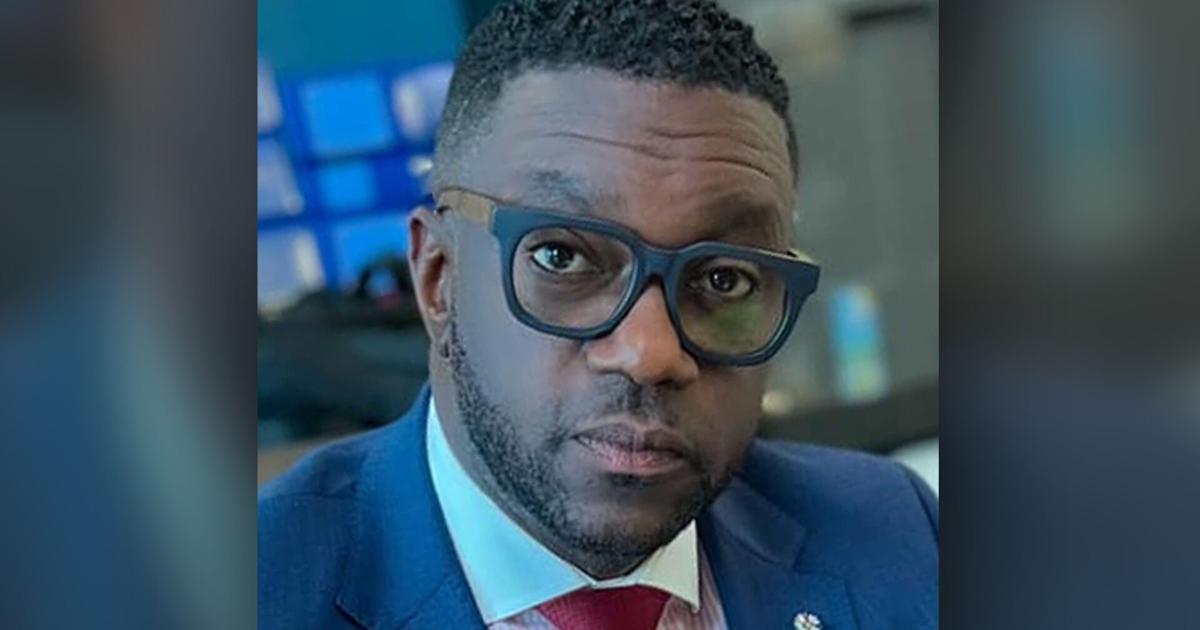
  • CoP: Joshua probe  at ‘advanced stage’

    CoP: Joshua probe at ‘advanced stage’

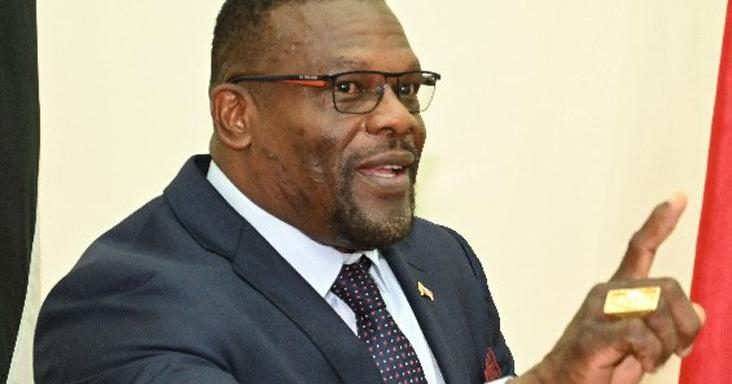
    The Trinidad and Tobago Police Service (TTPS) has reached an advanced stage in its investigation into the controversial police-involved shooting that resulted in the death of Joshua Samaroo and left Kaia Sealy with paralysis injuries. Police Commissioner Allister Guevarro confirmed that investigative files are being prepared for submission to the Office of the Director of Public Prosecutions (DPP), pending only the final forensic report.

    Commissioner Guevarro, speaking during a televised interview with TV6, emphasized the thoroughness of the ongoing investigation and pledged public transparency once the process reaches completion. “The investigative file is now in a state of readiness for the TTPS to return to the Office of the Director of Public Prosecutions, Mr. Roger Gaspard,” Guevarro stated. “However, we are currently awaiting the final report from the Forensic Science Centre before submitting the complete file for further direction.”

    The January 20 incident, which was captured on viral video footage, shows police officers pursuing Samaroo and his wife before their vehicle crashed into a drain in St. Augustine. The subsequent shooting, which left Samaroo deceased and Sealy paralyzed, has sparked significant public outrage and intensified scrutiny regarding police use of force protocols.

    Multiple investigations are currently underway, with parallel probes being conducted by the Professional Standards Bureau and the Police Complaints Authority. The Commissioner’s previous decision not to suspend the involved officers—instead providing them with counseling—had drawn criticism from both the public and the Law Association of Trinidad and Tobago.

    In related developments, police authorities are monitoring circulating information about planned protests outside various police stations seeking justice for Samaroo and Sealy. Acting Assistant Commissioner of Police for the North West Division Garvin Henry confirmed that a promotional flier had come to police attention, listing over 15 police stations—including the Red House and Police Administration Building—as potential protest sites.

    Henry noted that thorough checks with relevant authorities revealed no official applications for protest permissions. “I have reached out to stations including those in the Western Division to determine whether any application has been made,” Henry stated, adding that no such permissions had been granted for protests allegedly scheduled for upcoming months.

    While acknowledging that the current state of emergency does not explicitly prohibit protest action, Henry emphasized that any demonstrations must follow proper procedures outlined in the Summary Offenses Act. The Act requires formal application, investigation, and final approval from the Commissioner of Police. Henry warned that unauthorized protests would be handled “in accordance with the law” to maintain public order and safety.
  • Six children lost during Carnival all reunited with parents

    Six children lost during Carnival all reunited with parents

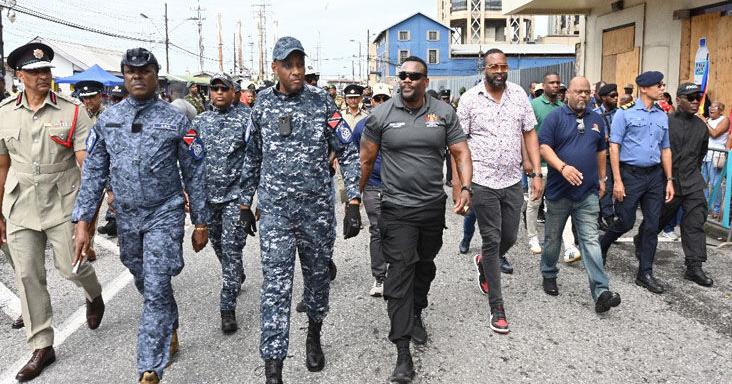
    Trinidad and Tobago’s national Carnival 2026 celebrations concluded with a perfect safety record regarding child protection incidents, according to official Senate testimony. Minister of Homeland Security Roger Alexander revealed that six children were formally reported as separated, lost, or missing during the festivities, with all successfully reunited with their families within approximately one hour of official police notification.

    The disclosure came in response to questioning from Independent Senator Dr. Desirée Murray during Tuesday’s Senate session, which sought detailed information about child safety protocols during mass public events. Minister Alexander elaborated on the sophisticated response framework that enabled these efficient reunifications, highlighting immediate officer engagement, supervisory notifications, coordinated search procedures, and secure temporary holding arrangements as key components.

    Notably, the minister confirmed that no formal psychosocial counseling services were required following these incidents, as all children were unified safely without reported injuries or trauma. The Trinidad and Tobago Police Service (TTPS) maintains comprehensive statistical records of such occurrences at both divisional and Operational Command Centre levels, enabling continuous monitoring and protocol refinement.

    Internal analysis identifies specific risk patterns: separation incidents occur most frequently during high-density crowd events, peak festive hours, and predominantly involve children under 12 years old. Minister Alexander emphasized the TTPS’s rigorous screening and vetting processes to ensure secure reunifications, operating under established protocols embedded within multiple regulatory frameworks including Public Order Policing Protocols, Carnival Operational Plans, and Child Protection Procedures developed in coordination with specialized social services agencies.

    These comprehensive measures undergo annual reviews as part of structured operational planning cycles for national events, with additional assessments triggered by any significant incidents requiring procedural adjustments.

  • ‘Patch’ gunned down

    ‘Patch’ gunned down

    In a development that intensifies concerns over organized crime violence, Rondell Adolphus, a quarry supervisor with known gang affiliations, was assassinated at a Matura resort just ten days after the killing of his employer, former state of emergency detainee Danny Guerra. The 34-year-old, also known as “Patch” or “Ponkie,” was shot multiple times late Monday night under circumstances mirroring the tactical precision of a professional hit.

    According to police reports, Adolphus had checked into Trini River Lime Resort alone approximately at 1 a.m. and was later joined by a female companion. The attack occurred when he exited his cabin to retrieve ice from a nearby machine. His companion reported hearing multiple gunshots before discovering Adolphus lying in a pool of blood. Despite emergency response efforts, he was pronounced dead before paramedics could arrive.

    Crime scene investigators recovered substantial ballistic evidence, including ten spent .223 shell casings, one live .223 round, and five spent 9mm shell casings, indicating the involvement of multiple firearms and potentially multiple assailants.

    Both Adolphus and Guerra had been previously detained under November 2022’s state of emergency measures pursuant to the Anti-Gang Act of 2021. Official detention orders identified Adolphus as a member of an Organized Crime Group involved in arms trafficking, money laundering, and illegal quarrying operations. The order specifically cited intelligence indicating the group’s plans to assassinate a government minister and escalate public violence using high-powered firearms.

    While police have not formally connected the two killings, investigators acknowledge both victims were linked to threats against Defense Minister Wayne Sturge. The minister has faced multiple security incidents since last year, including a July 29, 2022, attack where his convoy was ambushed with rocks in Wallerfield, and an August 9, 2022, incident where security details drew weapons on a suspicious vehicle approaching the minister’s car.

    The killings have generated widespread concern among those associated with Guerra’s operations, with several relatives avoiding his March 19 funeral due to safety fears. Homeland Security Minister Roger Alexander has publicly urged against speculation while appealing for credible information to assist ongoing investigations led by Region 2 Homicide investigators.

  • Consultancy payments: Duke, Jack, Dass deals revealed

    Consultancy payments: Duke, Jack, Dass deals revealed

    A series of lucrative consultancy agreements within Trinidad and Tobago’s state energy sector have drawn attention following revelations of substantial payments to individuals with political connections. Documents obtained by media outlets reveal three high-profile contracts totaling millions in public funds.

    Watson Duke, former Public Services Association head turned politician, secured a $40,000 monthly consultancy with The National Gas Company (NGC) commencing December 2025. The one-year contract tasks Duke with streamlining workforce rationalization, organizational restructuring, and providing strategic human resources guidance. His qualifications include a Bachelor’s degree in Industrial Relations from The University of the West Indies.

    Simultaneously, former Tobago House of Assembly finance secretary Joel Jack was engaged by Trinidad Petroleum Holdings Ltd (TPHL) as a Consultant Specialist Adviser at $70,000 monthly from November 2024. Jack’s comprehensive mandate includes reviewing TPHL’s operational framework, evaluating asset monetization opportunities, and overseeing the winding up of former state oil company Petrotrin. His appointment came shortly before President Christine Kangaloo named him to the Central Bank board in September 2024.

    Most notably, former news anchor and senior political adviser Shelly Dass—spouse of former PNM minister Brian Manning—received multiple contract extensions from the National Energy Corporation totaling TT$1.7 million. Initially hired in December 2021 at US$125 hourly with guaranteed minimum monthly hours, her consultancy was repeatedly extended through May 2025. Her role expanded significantly to include diplomatic engagement with government officials in Trinidad and Suriname, with guaranteed monthly hours increasing from 40 to 58 during the contract period.

    When contacted for comment, Dass confirmed her consultancy underwent “an intense independent vetting process” and referenced her “background in international work.” Neither Duke nor Jack responded to requests for comment regarding their appointments.

    The contracts reveal pattern of substantial expenditures on external consultants within the state energy sector, raising questions about procurement processes and the allocation of public resources to individuals with political affiliations.

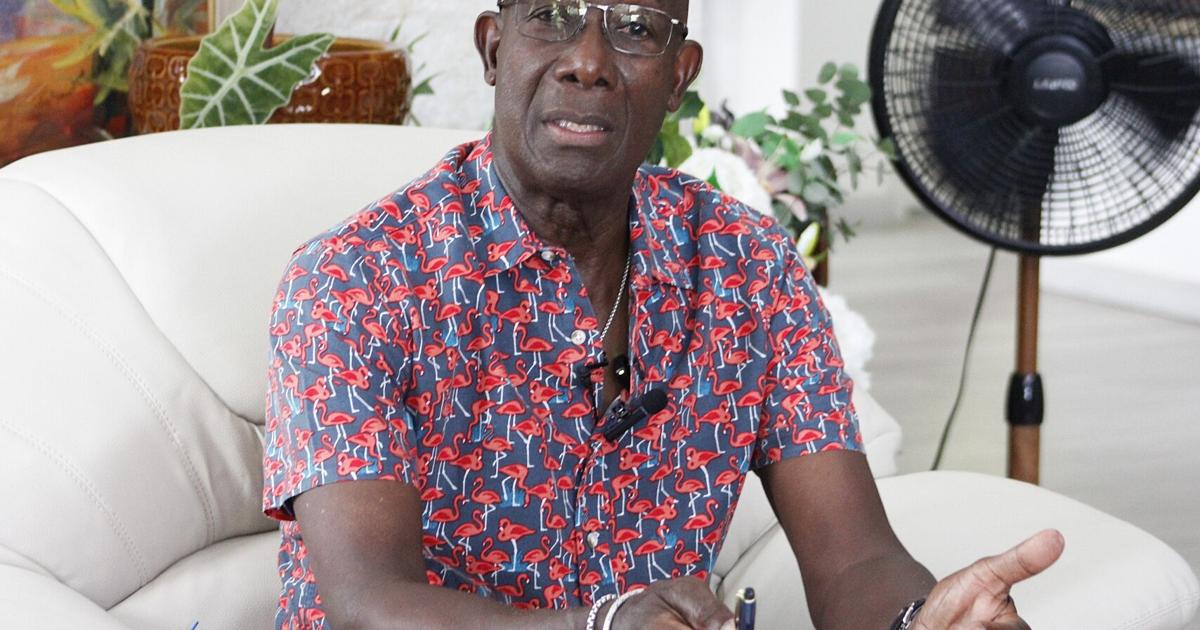
  • Kamla ‘unbothered’

    Kamla ‘unbothered’

    In a striking display of political composure, Trinidad and Tobago Prime Minister Kamla Persad-Bissessar has publicly declared her indifference toward derogatory comments made by opposition leader Keith Rowley. The former prime minister had repeatedly used the term “jamette”—a historically derogatory term referring to women of low social standing—during a March 17 press conference to dismiss Persad-Bissessar’s allegations about drug money financing the opposition party’s headquarters.

    Speaking to TV6 News, Persad-Bissessar stated: “While it might appear superficially that I remain unbothered when Rowley and PNM affiliates direct such vulgar remarks toward me, the profound truth remains that internally, I am profoundly, thoroughly unbothered.” She confirmed she would not pursue legal action against Rowley or media outlets that broadcast his comments.

    The incident has triggered significant institutional response, with the Telecommunications Authority of Trinidad and Tobago (TATT) formally notifying Guardian Media Ltd about potential regulatory violations. In a March 20 correspondence, TATT referenced Section D9 of broadcasting licenses, which prohibits content that “degrades or portrays in a negative manner any person or group by reason of race, origin, class, religion or sex.”

    Rowley has intensified his stance despite mounting criticism, questioning TATT’s intervention as potentially infringing upon media freedom. He asserted his intention to continue publicly responding to parliamentary attacks, framing the regulatory scrutiny as a threat to democratic discourse. The confrontation highlights deepening political divisions and evolving debates about acceptable speech, gender politics, and regulatory oversight in Trinidad and Tobago’s media landscape.

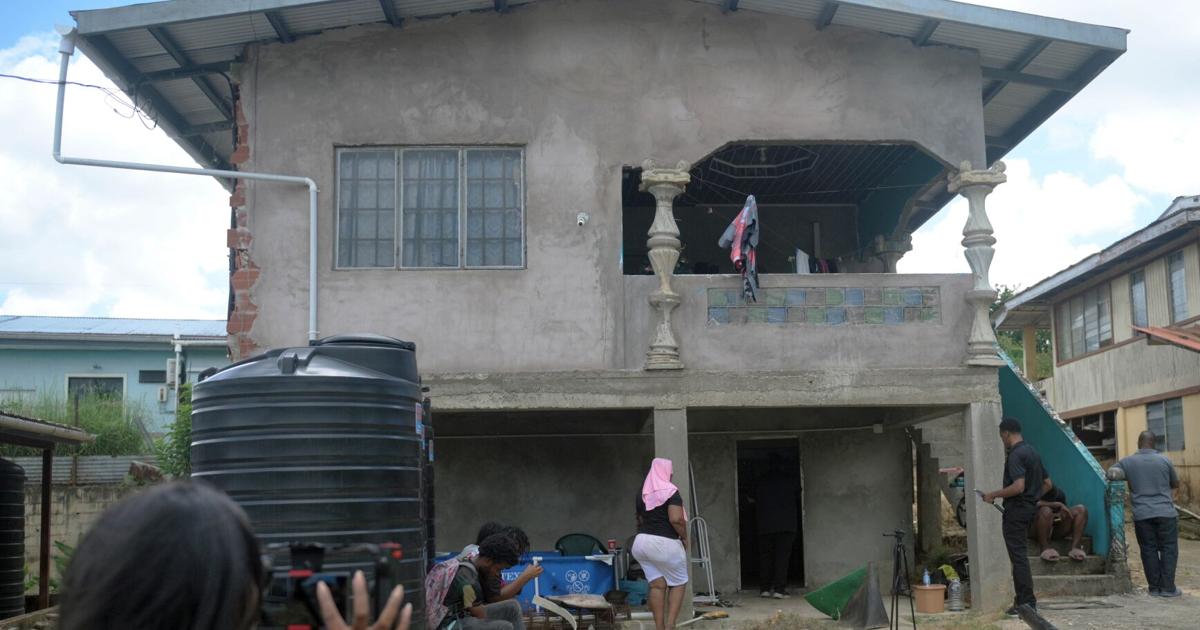
  • Burkie’s son, 2 others shot dead

    Burkie’s son, 2 others shot dead

    A pre-dawn shooting in Penal has left three young men dead, including the 17-year-old son of deceased Port of Spain businessman Cedric “Burkie” Burke. The victims—Jordan Cudjoe Burke, Ishmael Matthews (22), and Roberto Samuel Carlos (21)—were discovered in a blood-soaked bedroom of a ground-floor apartment on the Burke family property around 2:56 a.m. Tuesday.

    According to police reports, the scene revealed a brutal execution-style killing with ten spent nine-millimeter shells and twelve live rounds recovered near the bodies. Burke was found leaning against a bed base, Matthews lay on his back on the floor, and Carlos was positioned beneath the bed.

    The tragedy has left families grappling for answers. A relative of Burke, who requested anonymity, recounted receiving a frantic call from Burke’s girlfriend screaming “Come fast, they shooting up the place.” She dismissed speculation that Burke was targeted because of his father’s notorious reputation, noting that other children from the family live normal lives without incident.

    Burke, a Form Five student at St. Benedict’s College preparing for CSEC examinations, had recently faced legal troubles involving counterfeit money charges. His mother has been incarcerated since November on firearm possession allegations, leaving the teenager to reside with his grandmother.

    At Matthews’ home, aunt Marinda Yearwood described the three victims as “the three Musketeers—always together.” She revealed Matthews was an academically gifted student who had earned nine subjects with distinction at Shiva Boys’ College but struggled to find steady employment despite numerous applications.

    Yearwood expressed frustration about rampant youth unemployment and lack of opportunities, stating “The Government is not giving enough opportunities for youths coming off the block.” She acknowledged hearing rumors about the victims “doing mischief by some people” but emphasized that nothing warranted execution.

    Homicide Bureau detectives from Region Three are actively investigating and have appealed for information through emergency hotlines and Crime Stoppers. The case highlights ongoing concerns about youth violence and socioeconomic challenges in Trinidadian communities.

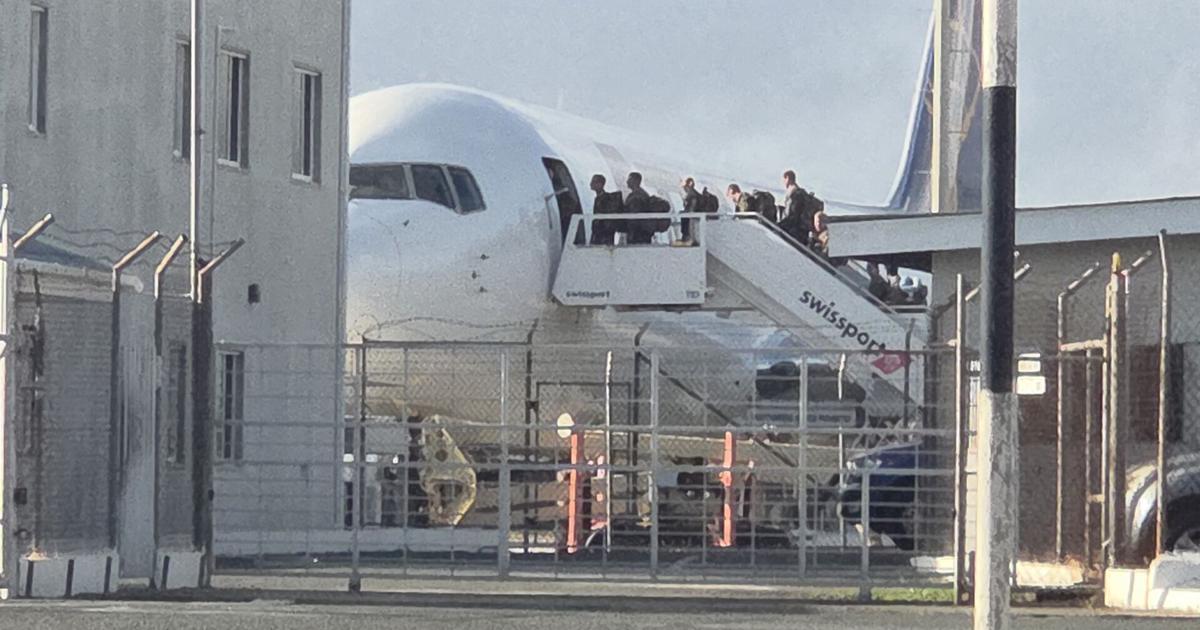
  • US TROOPS LEAVE

    US TROOPS LEAVE

    A contingent of 108 United States military personnel formally concluded their four-month security deployment in Tobago yesterday morning, departing from ANR Robinson International Airport aboard an Atlas Air aircraft. The departure marks the end of a controversial security cooperation initiative between the US and Trinidad and Tobago governments that began in November last year.

    The exit follows last week’s dismantling of the advanced Ground/Air Task Oriented Radar (G/ATOR) system that had been operational since late November. Military personnel departed in full uniform, with some offering farewell gestures as they boarded the aircraft.

    Defence Minister Wayne Sturge expressed gratitude for the cooperation, stating, “We are thankful for their assistance and support and look forward to continuing our partnership.”

    However, the presence of foreign troops sparked significant political opposition in Tobago. Ancil Dennis, political leader of the Tobago Council of the People’s National Movement, accused the government of misleading citizens about the mission’s true nature and potentially exposing the nation to security risks. “The fact that it has been removed already shows us clearly that we were lied to and misled and our lives were placed at risk,” Dennis asserted.

    Dennis further contextualized the deployment within regional geopolitics, noting Trinidad and Tobago’s fortunate avoidance of potential conflict spillover from neighboring Venezuela. He emphasized the nation’s narrow escape from becoming entangled in international military tensions similar to current Middle East conflicts.

    Dr. Denise Tsoiafatt Angus of the Innovative Democratic Alliance welcomed the departure as “a great relief” and closure to a concerning chapter in Tobago’s history. While acknowledging some minimal economic benefits through troop spending at local businesses, she emphasized the importance of stabilizing Tobago’s tourism industry, which continues to face challenges due to ongoing travel advisories from the US Embassy.

    The logistical withdrawal process commenced last Tuesday when US military aircraft GROG71 arrived to transport the dismantled radar system off the island, setting the stage for yesterday’s final troop departure.

  • P/Town sisters missing

    P/Town sisters missing

    A concerned relative of two missing teenage sisters from Princes Town is urging the government to implement stringent restrictions on minors’ access to social media platforms, citing grave dangers posed by unsupervised online activity. The appeal follows the disappearance of Celina Balliram, 15, and her sister Alena Baksh, 12, from their grandmother’s home in St. Croix last Friday.

    The girls were last observed around 8:45 a.m. departing to purchase doubles from a local vendor. After their failure to return nearly two hours later, family members alerted authorities. Police descriptions detail Celina as 4’5″ with brown complexion, medium build, long black hair, brown eyes, and last seen in a blue short dress with black netting. Alena is described as 5′ tall with light brown complexion, slim build, long black hair, grey eyes, and was wearing a white crop top with a black short skirt.

    In an anonymous telephone interview, the relative expressed conviction that the sisters were deliberately targeted by older males through their active Instagram profiles. ‘The Government should impose a complete ban on social media for children,’ she asserted. ‘They are exposed to predatory individuals who conceal their identities behind false profiles. These platforms enable adults to systematically target vulnerable youth.’

    The relative revealed this marks the third disappearance incident for Celina, each spanning approximately two months, though notably the first for Alena. Despite attempted communication via WhatsApp, the sisters reportedly responded with hostility before blocking family contacts. Their father’s recent imprisonment for robbery and their mother’s inability to provide care have compounded familial challenges, leaving the grandmother to manage the household while simultaneously caring for her bedridden daughter and the sisters’ younger siblings, aged five and eight.

    Neither sister has attended school since Carnival period. Celina was enrolled in Form Two at Princes Town West Secondary School, while Alena attended Standard Four at St. Stephen’s Anglican Primary School. The relative emphasized the grandmother’s overwhelmed circumstances and appealed directly for the sisters’ safe return.

  • US Embassy to now cost US$.5b

    US Embassy to now cost US$.5b

    The United States has officially confirmed a major diplomatic infrastructure investment exceeding $500 million for the construction of a new embassy compound in Port of Spain, Trinidad and Tobago. This substantial financial commitment, announced through the US Embassy’s social media channels, signifies a significant upgrade from earlier projections of $400 million when initial work commenced last year.

    The ambitious project, situated on the former Trinidad Country Club property along Long Circular Road in Maraval, represents one of America’s most substantial diplomatic construction endeavors in the Caribbean region. Embassy officials emphasize that the modern facility will incorporate advanced eco-friendly designs and sustainable materials, aligning with contemporary environmental standards while preserving historical elements of the site, including protected trees.

    Beyond its architectural significance, the embassy highlights the project’s substantial local economic impact. The construction phase is projected to generate numerous employment opportunities for Trinidad and Tobago nationals, providing a boost to the local workforce. The completed compound will feature expanded consular services and enhanced facilities aimed at improving the experience for visa applicants and citizens engaging with U.S. government services.

    While specific timelines weren’t reiterated in the latest announcement, previous indications pointed toward a projected completion date in 2029. The investment underscores the United States’ continued diplomatic commitment to Trinidad and Tobago and the wider Caribbean region, with the new embassy serving as both a functional diplomatic hub and a symbol of bilateral relations.

  • Rowley hit for  ‘wajang’ language

    Rowley hit for ‘wajang’ language

    Trinidad and Tobago’s Homeland Security Minister Roger Alexander has issued a scathing condemnation of former Prime Minister Dr. Keith Rowley, characterizing his recent statements on law enforcement protocols as “irresponsible and reckless.” The political confrontation emerged after Rowley suggested that legal advice obtained by the Attorney General could encourage security forces to employ lethal measures based solely on suspicion.

    At a Tuesday news conference, Rowley referenced a King’s Counsel opinion regarding the legality of US kinetic strikes against drug trafficking vessels in international waters. The former prime minister extrapolated this maritime precedent to suggest it created an “inducement” for Trinidadian law enforcement to apply similar lethal force standards on land. “If it is okay to kill people on the ocean on suspicion,” Rowley questioned, “isn’t it easier to kill people on land on the same suspicion?”

    Minister Alexander provided the Trinidad and Tobago Police Service’s explicit clarification to the Express, emphasizing that all officers operate under a strict “use of force” policy that clearly delineates when deadly force is legally permissible. Alexander expressed particular concern that Rowley’s commentary endangered police personnel by potentially emboldening criminal elements. “The former prime minister was reckless,” Alexander stated, “and only criminal elements will find great pleasure in that statement.”

    The security minister further criticized Rowley’s employment of derogatory language toward current Prime Minister Kamla Persad-Bissessar, who he reportedly called a “jamette” during the political exchange. Alexander characterized this terminology as “wajang” and “gutter language,” expressing profound disappointment as an African male who was taught to respect women as queens. “How can you sit aside and call a person’s name like that?” Alexander questioned, noting that such language reflects “shameful behavior” unbecoming of any former national leader.

    Rowley’s original comments referenced the Leahy Act, a United States human rights policy that prohibits military assistance to foreign security units implicated in gross human rights violations. The former prime minister revealed that during his administration, US authorities had approached him with concerns about extra-judicial killings by named police officers, suggesting that the current administration’s position might conflict with international human rights standards.