
The United States military has intensified its maritime counter-narcotics operations in the Caribbean basin, with the latest lethal strike marking the 47th such engagement in the region. Conducted on March 25th under the authority of General Francis L. Donovan’s Joint Task Force Southern Spear, this operation resulted in the deaths of four individuals aboard a suspected trafficking vessel.
标签: Trinidad and Tobago
特立尼达和多巴哥
-

Exam easy, easy!
Students across two primary schools in Arima, Trinidad, expressed widespread relief and satisfaction following yesterday’s Secondary Entrance Assessment (SEA) examination, with many describing the test as surprisingly manageable. The Express conducted interviews at Arima Presbyterian and Malabar Government Primary Schools, capturing the emotional responses from students and parents alike.
Arianna Maharaj of Arima Presbyterian Primary School enthusiastically declared the exam ‘easy,’ a sentiment echoed by her father Vishal, who shared his overwhelming excitement and anticipation for the results. The day held double celebration for 11-year-old Annilie Amoroso, who emerged from the examination compound wearing a birthday crown and sash. Despite encountering one challenging mathematics question, Amoroso expressed confidence in her performance and hopes to secure placement at Bishop Anstey High School East.
Maya Noreiga provided comparative insight, noting that ‘past papers were harder than the actual exams,’ while acknowledging her aspiration to attend St. Joseph’s Convent. Her mother, Natasha Caldon, attributed this confidence to thorough preparation that left her daughter ‘comfortable, happy and at peace.’
The examination experience varied among participants. Caleb Austarlie reported minor difficulties with creative writing but found preparation exercises ‘relaxing,’ aiming to join his sister at Arima Central Secondary School. Conversely, Kemiley St Benard described mathematics as ‘kind of hard,’ though she maintained belief in her overall performance.
Parental perspectives highlighted the emotional toll of preparation. Kerishma Johnson characterized her daughter’s study period as ‘frustrating,’ while Kristin Martinez acknowledged the ‘plenty work’ involved in completing numerous booklets. At Malabar Government Primary, Janae Bharose completed the exam with visual concessions, expressing happiness that the intensive ‘exam style’ preparation had concluded despite mathematics challenges.
The collective mood reflected significant relief as families transition from examination stress to celebratory anticipation of results, marking both an educational milestone and personal achievement for Trinidad’s youth.
-
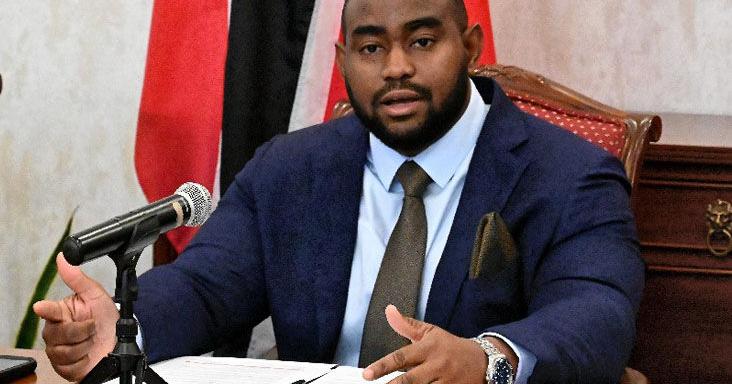
Sobers insists T&T excluded from Caricom decision
A significant diplomatic dispute has erupted within the Caribbean Community (CARICOM) following Trinidad and Tobago’s formal protest against the reappointment process of Secretary-General Dr. Carla Barnett. Foreign Minister Sean Sobers has emphatically stated that his nation was entirely excluded from consultation procedures prior to Barnett’s reappointment, learning of the decision only after it was finalized.
Minister Sobers characterized the unilateral action as both ‘disrespectful and insulting,’ expressing profound disappointment that established diplomatic protocols were disregarded. The controversy emerged when CARICOM Chairman and St. Kitts and Nevis Prime Minister Dr. Terrance Drew announced that a ‘required majority’ of member states had approved Barnett’s second term during February meetings in St. Kitts.
Prime Minister Kamla Persad-Bissessar has declared Trinidad and Tobago’s intention to reduce its substantial financial contribution to CARICOM, which currently constitutes 22% of the organization’s total budget. This financial leverage represents the largest single contribution among member states.
The political conflict has intensified domestically, with Minister Sobers launching sharp criticism against Opposition Leader Pennelope Beckles for her support of the reappointment process. Sobers dismissed Beckles’ comments as ‘inane’ and indicative of her ‘continued pattern of supporting wrongdoing,’ while defending the government’s position as principled opposition to procedural violations.
Central to the dispute is the allegation that three CARICOM members—Trinidad and Tobago, Antigua and Barbuda, and The Bahamas—were systematically excluded from critical discussions during the February retreat where Barnett’s reappointment was decided. Minister Sobers maintains this violates the revised Treaty of Chaguaramas governing CARICOM operations.
The government has framed its stance as a defense of democratic principles and transparent governance, vowing to pursue formal review mechanisms while reconsidering its financial commitments to the regional body.
-
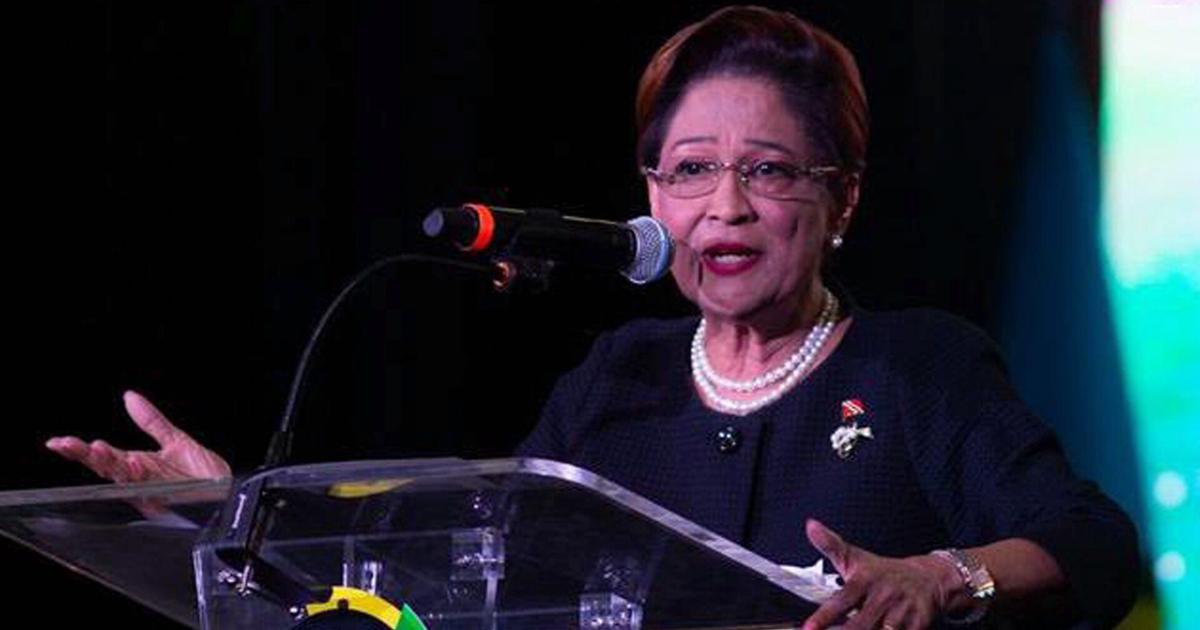
PM opposes Barnett renewal
In a significant development for Caribbean regional politics, Trinidad and Tobago’s Prime Minister Kamla Persad-Bissessar has publicly opposed the reappointment of CARICOM Secretary-General Dr. Carla Barnett while announcing substantial reductions in her nation’s financial contributions to the regional bloc. This decisive stance emerges amid growing tensions regarding CARICOM’s governance transparency and operational effectiveness.
The controversy centers on the reappointment process that occurred during February’s CARICOM meeting in St. Kitts, where a majority of member states approved Barnett’s second term beginning August 2026. Prime Minister Persad-Bissessar explicitly rejected this decision, stating bluntly: ‘Caricom has been failing for 52 years and will continue to fail for the next 52 years.’
Financial implications form a critical component of this dispute. Trinidad and Tobago currently contributes approximately 22% of CARICOM’s annual budget—amounting to $4-5 million—under the organization’s funding formula that requires more developed economies to provide larger shares. The Prime Minister confirmed that these contributions would be substantially reduced, though specific figures remain undisclosed.
Foreign Minister Sean Sobers formally articulated the government’s objections in an official letter to CARICOM leadership, obtained by media sources. The correspondence highlights procedural irregularities, noting that Barnett’s reappointment was neither included on the provisional agenda nor discussed during plenary sessions. Particularly concerning was the exclusion of Trinidad and Tobago, Antigua and Barbuda, and The Bahamas from critical retreat discussions where the reappointment was reportedly decided.
The diplomatic communication references Article 24 of the Revised Treaty of Chaguaramas, emphasizing that the Secretary-General’s appointment must follow proper channels through the Community Council and Conference. Minister Sobers maintained that while Trinidad and Tobago remains committed to CARICOM’s revitalization, the current process violated both the spirit and letter of established protocols.
Historical context reveals deeper tensions. Prime Minister Persad-Bissessar had previously criticized CARICOM’s silence during the 2022 incident involving Trinidadian national Brent Thomas, who was allegedly kidnapped from Barbados using Regional Security System aircraft. The Prime Minister’s unanswered inquiries to the Secretariat during her tenure as opposition leader apparently fueled perceptions of institutional bias toward governing parties.
This development signals broader strategic shifts in Trinidad and Tobago’s foreign policy. The administration has clearly indicated it will no longer automatically align with CARICOM’s collective political ideologies, security frameworks, or foreign policy positions. Instead, the nation will pursue independent foreign and security policies prioritizing national sovereignty.
Concurrently, Trinidad and Tobago is expanding its international engagements beyond traditional regional boundaries. The government has applied for associate membership in Mercosur—the South American trade bloc—while joining a new hemispheric coalition focused on combating drug cartels and external threats. These moves, coupled with strengthened bilateral relations with the United States and attendance at the Shield of the Americas Summit, illustrate a deliberate diversification of diplomatic and economic partnerships.
The current impasse reflects fundamental questions about CARICOM’s relevance, governance transparency, and operational effectiveness. As one of the organization’s principal funders, Trinidad and Tobago’s reduced financial commitment and vocal criticism could prompt significant structural reevaluation within the regional body. How CARICOM addresses these challenges may determine its future viability in an evolving geopolitical landscape.
-
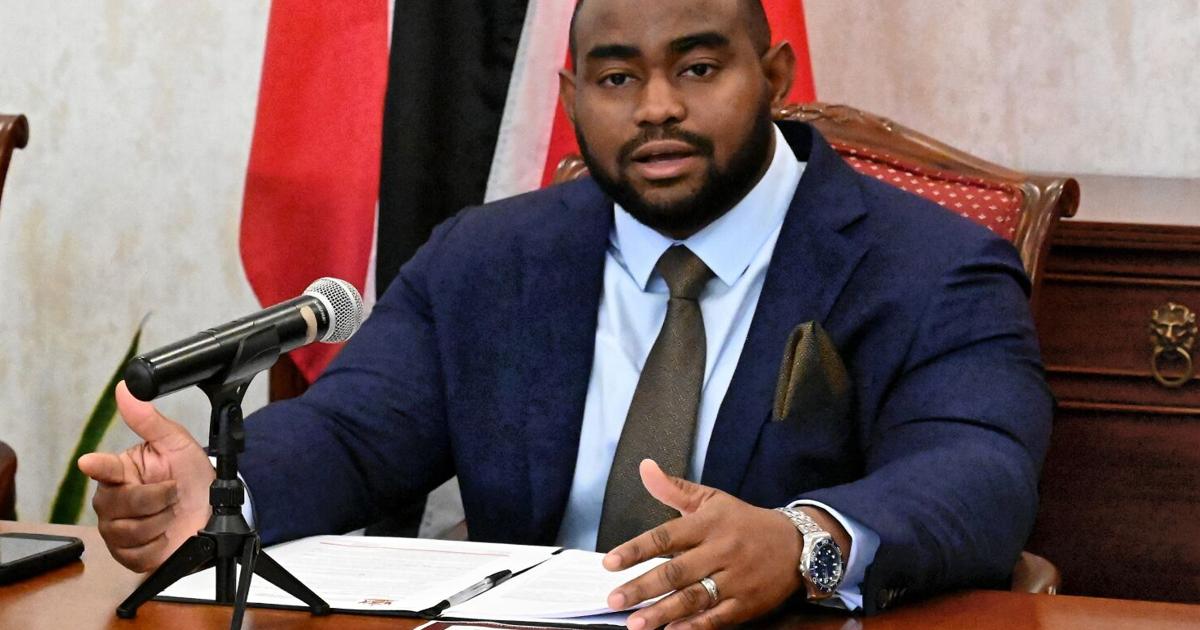
T&T opts out of Caricom Cuba aid
In a distinct departure from regional consensus, the Republic of Trinidad and Tobago has declared its intention to provide humanitarian assistance to Cuba through independent channels, rather than participating in the collective effort organized by the Caribbean Community (Caricom). Foreign and Caricom Affairs Minister, Dr. Sean Sobers, confirmed the nation’s strategic decision to collaborate directly with established relief agencies operating within Cuban territory.
This development follows an official communiqué from the Caricom Secretariat, headquartered in Georgetown, Guyana, which detailed a coordinated regional initiative to dispatch essential supplies. The multinational aid package, supported by the Mexican government, encompasses critical items such as infant formula, powdered milk, assorted non-perishable food staples, medical provisions, solar energy equipment, and water storage solutions.
Minister Sobers elaborated on Trinidad and Tobago’s autonomous approach, revealing that diplomatic channels have been actively engaged with Cuban humanitarian organizations. The objective is to procure a precise inventory of necessities to prevent redundant efforts and maximize the efficacy of the aid delivered. Emphasizing a longstanding tradition of international solidarity, Sobers reaffirmed the nation’s unwavering commitment to supporting Cuba’s populace during times of crisis.
Concurrently, the Minister addressed separate inquiries regarding his refusal to disclose details on national security strategies, particularly concerning U.S.-led counter-narcoterrorism operations. Invoking Parliamentary Standing Order 26(3), which permits the withholding of information deemed detrimental to public interest, Sobers defended his position against criticisms from opposition senators. He asserted that matters pertaining to security and public safety necessitate prudent confidentiality, underscoring a governance philosophy predicated on judicious discretion rather than political pressure.
-
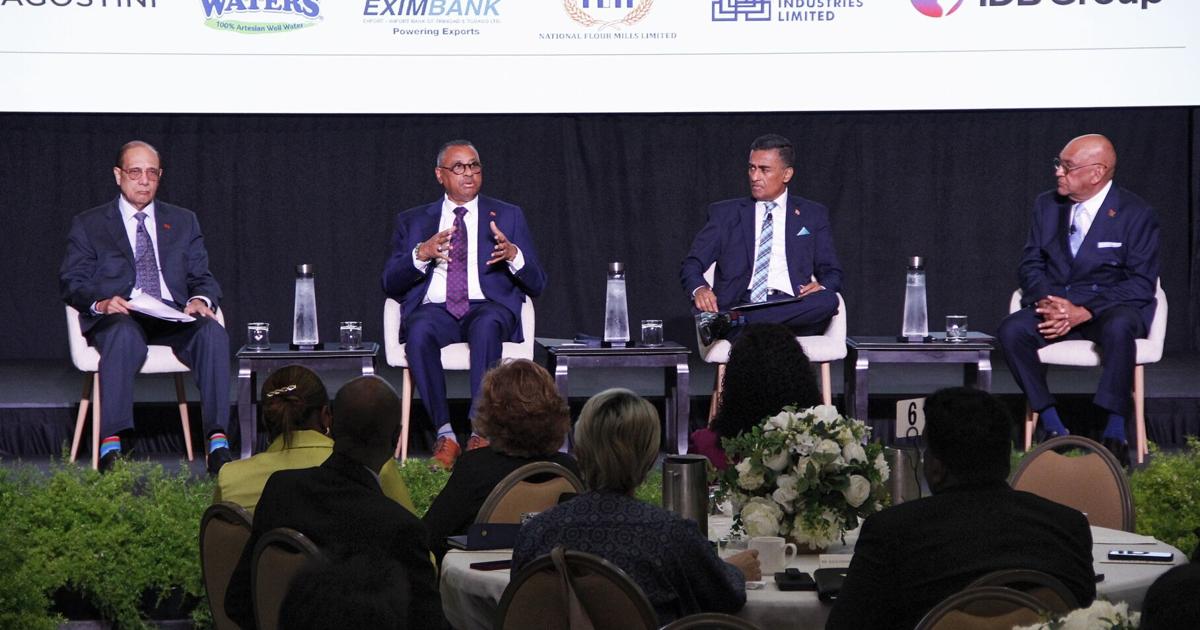
Tancoo: No increase in fuel costs
Amid escalating Middle East tensions that have driven global oil prices upward, Trinidad and Tobago’s Finance Minister Davendranath Tancoo has unequivocally stated the government will not adjust domestic fuel prices. The minister addressed concerns during his appearance at the Trinidad and Tobago Manufacturers Association’s Leadership Discussion and Networking Event in Port of Spain.
The recent surge in oil prices, triggered by intensified conflicts between a US/Israel coalition and Iran, has created widespread apprehension about potential disruptions to energy supply chains. Minister Tancoo acknowledged these developments while emphasizing Trinidad and Tobago’s limited influence over geopolitical events in the region.
“We cannot interfere with the situation in the Middle East. We have no real role as a country there,” Tancoo stated. “However, I know that the price of fuel and other energy products has increased.”
The minister characterized the situation as a “mixed blessing” for the nation, explaining that while Trinidad and Tobago produces some oil, it simultaneously imports significant portions of its fuel requirements. This dual energy dynamic creates complex economic pressures as global prices fluctuate.
“Therefore, the cost to the Government has gone up. Shipping costs have also gone up,” Tancoo elaborated. “We produce some oil and, therefore, as a result, we would have increased the take from the higher prices that have resulted.”
Tancoo described the government’s approach as “a bit of a balancing act” between increased revenue from oil exports and heightened import costs for refined fuels. While acknowledging some revenue improvement, he cautioned against excessive optimism due to corresponding cost increases.
The minister’s assurances come as Energy Minister Dr. Roodal Moonilal previously highlighted potential benefits from rising global liquefied natural gas (LNG) prices. Moonilal noted Trinidad and Tobago’s position as a net LNG exporter provides relative resilience compared to import-dependent economies during periods of global supply uncertainty.
Government officials indicate a mid-term budget review is imminent, which will further address these energy economic dynamics.
-
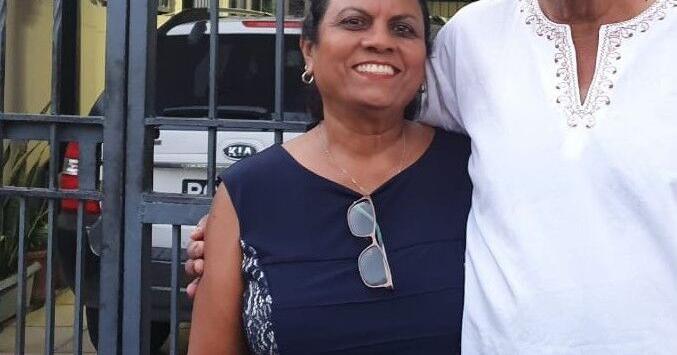
Rescue at sea: pensioner saved before being taken to Venezuela
A multi-agency law enforcement operation has successfully rescued a 73-year-old woman following her violent abduction from a San Juan residence, resulting in the arrest of seven suspected migrants allegedly connected to an international kidnapping network. The incident, which transpired on Wednesday evening, culminated in a dramatic Coast Guard interception off Trinidad’s northern coastline. Senior officials from the North Eastern Division confirmed the safe recovery of Tara Poliah, who was forcibly taken from her Don Miguel Road home around 7:30 p.m. Commissioner of Police Allister Gueverro revealed that the criminal investigation triggered an immediate coordinated response across multiple security agencies. According to official statements, the perpetrators transported Poliah via a Nissan AD Wagon before transferring her to a marine vessel approximately at midnight, intending to transport her to Venezuelan waters. Their plans were thwarted when Coast Guard units intervened, securing the victim’s release and detaining all seven suspects aboard the vessel. Security footage obtained from Poliah’s residential garage documented the harrowing initial assault, showing one assailant in a black hat approaching from behind to cover her mouth while another, wearing a red hoodie, pressed an object resembling a weapon against her neck before forcing her into a waiting vehicle. Commissioner Gueverro emphasized that this operation has effectively disrupted a sophisticated cross-border criminal network, noting that Trinidad and Tobago police have been actively monitoring Venezuela-linked criminal operations. While investigation details regarding the tactical rescue remain classified, authorities continue searching for Cody Narine, another kidnapping victim from the Tyrico Bay area who remains missing since his abduction last week.
-
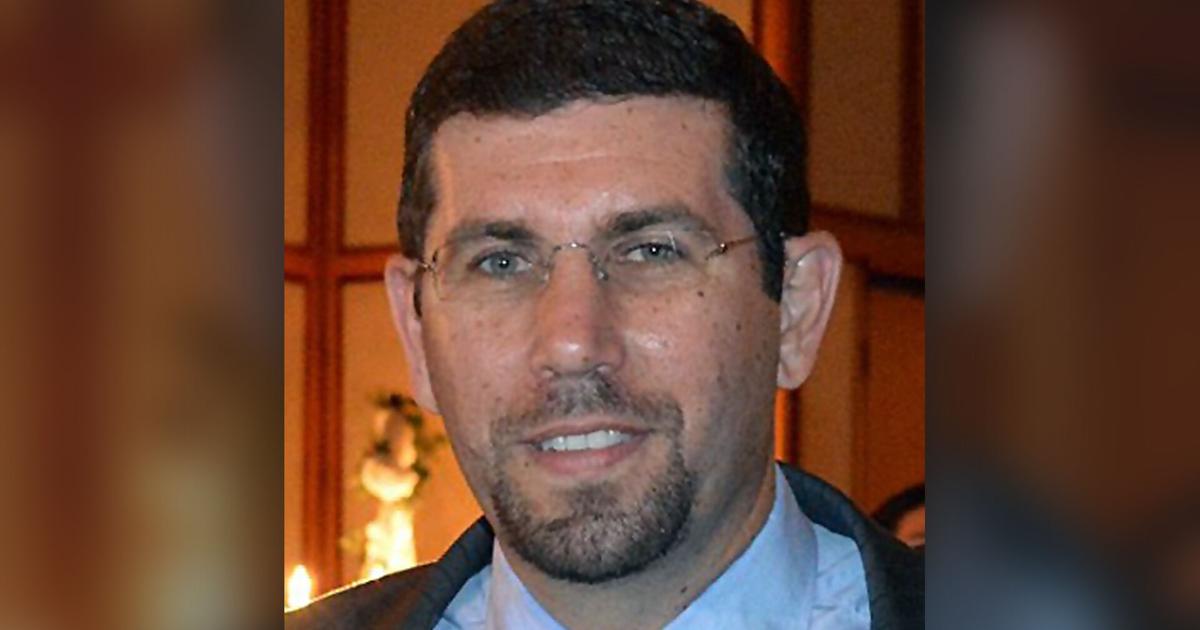
Hadeed puts Govt under fire over taxes, VAT refunds
A dramatic confrontation unfolded at the Trinidad and Tobago Manufacturers Association’s Leadership Discussion when prominent business executive Dominic Hadeed delivered a scathing critique of government taxation policies. The Blue Waters owner sparked enthusiastic applause from attendees by asserting that the government claims 30% of business earnings “without doing or investing anything.”
Addressing ministers of Finance, Planning, Economic Affairs, and Trade directly, Hadeed presented a detailed case against current fiscal approaches. He highlighted how recent 100% excise tax increases on tobacco products had backfired economically, resulting in halved sales and consequently reduced government revenue rather than increased income. Hadeed attributed this paradox to increased smuggling activity through the country’s porous borders, estimating that $1.2 billion in annual cigarette sales could be concealed in just two weekly shipping containers.
The business leader proposed collaborative reform, urging ministers to consult with private sector representatives to develop mutually beneficial solutions. “Sit with us, we are willing to work with you all,” Hadeed offered, suggesting that cooperative approaches would ultimately generate more revenue than aggressive taxation.
Government ministers responded with mixed receptions. Planning Minister Kennedy Swaratsingh acknowledged the observations as “fair” but defended government expenditures by referencing substantial social responsibilities including infrastructure development, education, and national security investments totaling billions over recent years.
Finance Minister Davendranath Tancoo countered Hadeed’s characterization of government non-involvement, citing public goods like road maintenance, utility infrastructure, and emergency services as essential government-provided services requiring funding. While acknowledging ongoing work with private sector representatives, Tancoo emphasized that governing requires balancing multiple perspectives beyond business interests alone.
The exchange highlighted the persistent tension between Trinidad’s private sector and government regarding optimal economic policy and revenue generation strategies.
-

Phillip apologises, donates ‘fine’
A government official’s parking decision has ignited a national conversation about disability rights and accountability in Trinidad and Tobago. Phillip Alexander, a Minister in the Ministry of Housing, has publicly apologized and made a symbolic $2,000 donation after being photographed parking in a disabled parking spot at a Maraval SuperPharm on March 15.
The incident, which quickly circulated on social media under the hashtag #ParkingSpotGate, showed Alexander’s vehicle occupying a space reserved for persons with disabilities. The minister initially claimed a security guard had directed him to park there, but later reconsidered his position.
In a remarkable scene captured on video, Alexander returned to the exact parking spot where the violation occurred to make a public apology alongside representatives from the Trinidad and Tobago Chapter of Disabled Peoples International (TTCDPI). Standing with chairman Andre Herbert, a wheelchair user, and secretary Usha Rampersad, Alexander acknowledged his error without qualification.
“Regardless of the situation and whatever those circumstances were that led me to park here, if I say it’s wrong, it’s wrong,” Alexander stated, referencing his longstanding advocacy for disability rights. The minister presented a cheque for $2,000 – the exact amount of the fine he could have received under the Motor Vehicles and Road Traffic Act.
TTCDPI chairman Herbert accepted the apology while acknowledging Alexander’s historical support for disability causes, noting: “He’s been our voice even before he became a minister.”
The incident has prompted broader institutional response. Temporary Opposition Senator Kyron James, who himself lives with arthrogryposis multiplex congenita (AMG), called for police to charge the minister during a Senate debate on a Comprehensive National Strategic Plan for Persons with Disabilities. James emphasized that designated parking spaces are not mere conveniences but essential accessibility tools that enable participation in everyday activities.
The controversy has highlighted ongoing challenges in disability advocacy and the importance of consistent accountability, even for those who historically supported disability rights initiatives.
-
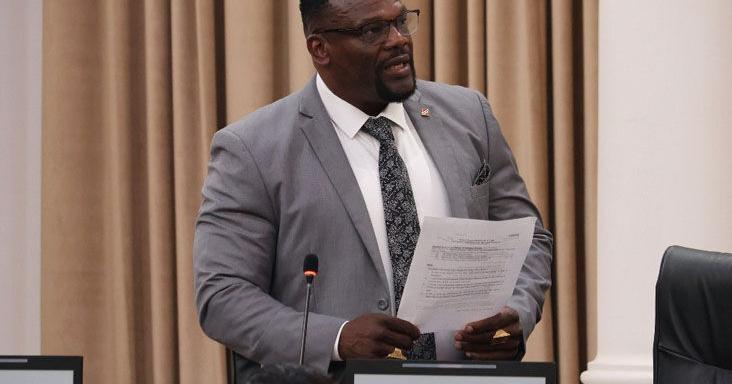
19 arrested in schools in 3 months, says Alexander
Trinidad and Tobago’s Minister of Homeland Security, Roger Alexander, has declared the nation’s School-Oriented Policing Initiative a successful endeavor following the arrest and charging of 19 students for various offenses during its initial implementation phase from September to December 2025. The disclosure was made during a Senate session in response to an inquiry from Opposition Senator Melanie Roberts-Radgman.
Launched as a cornerstone of the government’s broader security strategy, the program involves the strategic deployment of Trinidad and Tobago Police Service (TTPS) officers to educational institutions deemed ‘high risk.’ Minister Alexander emphasized that the primary objective is prevention and protection, creating a visible law enforcement presence to deter violence and ensure the prompt addressing of any threats to the safety of students and staff.
According to official data provided to the Express newspaper, the charges brought against the 19 students included:
– One count of assault with a weapon
– Two counts of possession of a weapon
– One combined charge of possession of a weapon and assault with a weapon
– Five counts of marijuana possession
– Three counts of possession of marijuana for the purpose of trafficking
– One combined charge of trafficking marijuana and weapon possession
– Two counts of robbery involving laptops
– Two counts of assault by beating
– Two counts encompassing obscene language, resisting arrest, and disorderly behaviorIn subsequent remarks, Minister Alexander positioned the initiative as a decisive break from the policies of the former administration, which he accused of allowing school violence to ‘flourish.’ He credited Prime Minister Kamla Persad-Bissessar with mandating the direct intervention of police within schools and the legal prosecution of violent students.
Beyond enforcement, the Minister is advocating for a holistic approach to the root causes of student misconduct. Following visits to four schools in his Tunapuna constituency, Alexander reflected on the prevalence of students from single-parent households, sharing his own background to illustrate that one’s origins do not predetermined one’s future. However, he also issued a stern call for greater parental accountability, announcing his intention to bring legislation to Cabinet that would legally hold parents responsible for their children’s actions. He argued that behavior modeled at home is often replicated in schools, and that the state cannot be solely responsible for child-rearing.