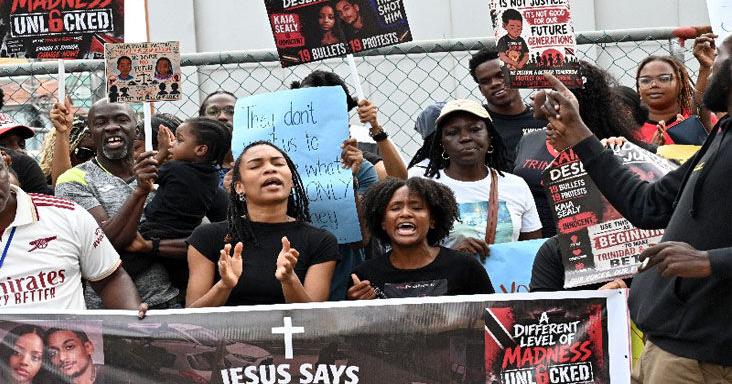
A growing public dispute over a high-profile police-involved fatal shooting has erupted into a confrontation between law enforcement and protest organizers in Trinidad and Tobago, just 24 hours before a planned demonstration outside the Office of the Director of Public Prosecutions. On Wednesday, the Trinidad and Tobago Police Service (TTPS) issued an official statement clarifying that no formal permission had been submitted or approved for the protest scheduled for 4 p.m. Thursday. While the release did not explicitly name the Kaia Sealy-led demonstration, it issued a clear warning that any unauthorised public gathering held amid the current state of emergency (SoE) — governed by the 2026 Emergency Powers Regulations — would carry serious legal consequences for attendees.
标签: Trinidad and Tobago
特立尼达和多巴哥
-

Four more charges for Kaia Sealy
A developing legal case in Trinidad and Tobago has taken a new turn, as authorities have announced four additional criminal charges against 24-year-old Kaia Sealy, who is already facing multiple allegations connected to a January police-involved shooting that left her common-law husband Joshua Samaroo dead.
The new charges laid by the Trinidad and Tobago Police Service (TTPS) include possession of a firearm, possession of ammunition, possession of a firearm with intent to endanger life, and discharging a firearm within 40 meters of a public place. Once the associated warrants are officially issued, they will be served to Sealy immediately upon her re-entry to the country. Sealy is currently receiving medical care in the United States for injuries she sustained during the January 20 incident.
These four new charges bring the total number of accusations Sealy faces to eight. Just last week, TTPS already confirmed three charges of shooting with intent to cause grievous bodily harm against serving police officers, filed under Section 12 of the country’s Offences Against the Person Act. Authorities have also previously issued a manslaughter warrant, alleging Sealy unlawfully caused Samaroo’s death.
The fatal encounter dates back to January 20, when both Samaroo and Sealy were shot during a confrontation with police following a high-speed pursuit. According to the official police account, the pair traveled to Maloney in a white Toyota Aqua that day to arrange the sale of a firearm and an unspecified quantity of narcotics to a man working as a police informant. The informant has already given a formal statement to investigators, and his mobile phone has been transferred to the TTPS Cyber Crime Unit for forensic analysis.
Police allege that when Samaroo and Sealy arrived at the meeting location, Sealy concealed a firearm in her bra before Samaroo removed it to show the informant. When officers from the Maloney Police Station moved in to approach the vehicle, Samaroo allegedly accelerated away, sparking a lengthy high-speed chase that saw police activate emergency lights and sirens. The National Operations and Dispatch Centre was quickly alerted to the possibility that the vehicle was carrying illegal weapons and ammunition, and additional units from the North Central Task Force Area West joined the pursuit after the vehicle was identified via radio dispatch.
Investigators say multiple attempts to force the vehicle to stop were ignored by Samaroo. The chase finally came to an end when the Toyota Aqua crashed into a roadside drain on Bassie Street Extension in St Augustine, a moment that was captured on video and circulated widely across social media platforms.
Moments after the crash, officers opened fire, after Samaroo raised his hands out of the driver’s side window. Participating officers have defended their use of force, stating they perceived an immediate threat from the vehicle and that Sealy was armed. One officer involved in the shooting reported seeing Sealy, who was in the front passenger seat, point a gun in his direction. He told investigators he returned fire after hearing what he described as muffled explosions and seeing the vehicle’s rear windscreen shatter. He added that other officers surrounded the crashed car and repeatedly ordered the occupants to drop their weapon before more shots were fired. According to evidence police submitted to the Director of Public Prosecutions (DPP), one officer recovered a firearm from the driver’s side of the vehicle after the shooting stopped.
Both injured parties were transported to the Eric Williams Medical Sciences Complex in Mt Hope for emergency care, and forensic investigators processed the crash and shooting scene thoroughly after the incident.
Sealy’s account of the events contradicts the narrative laid out by police. In a statement included in the evidence submitted to the DPP, Sealy says she was running routine errands with Samaroo when he received an unexpected phone call asking him to meet someone in the Maloney area. After the pair arrived and Samaroo spoke briefly with the man, she heard him change his tone and say “Don’t bother,” before he began reversing the car. Moments later, a marked police vehicle pulled up with an officer exiting the car holding a drawn weapon, prompting Samaroo to reverse and flee the area. Sealy also says she observed the man who had been speaking with Samaroo get into the police vehicle after the chase began.
Sealy states that she repeatedly begged Samaroo to stop the car during the pursuit, but he refused. After the crash, she says she saw Samaroo raise both of his hands out the open window before multiple gunshots rang out. She has repeatedly maintained that neither she nor Samaroo was in possession of a firearm at any point during the encounter. In a formal written statement released through her legal representative last Saturday, Sealy reaffirmed her innocence, questioned key elements of the police investigation, and claimed she has never handled a gun at any point in her life.
-
Farley tears into cops
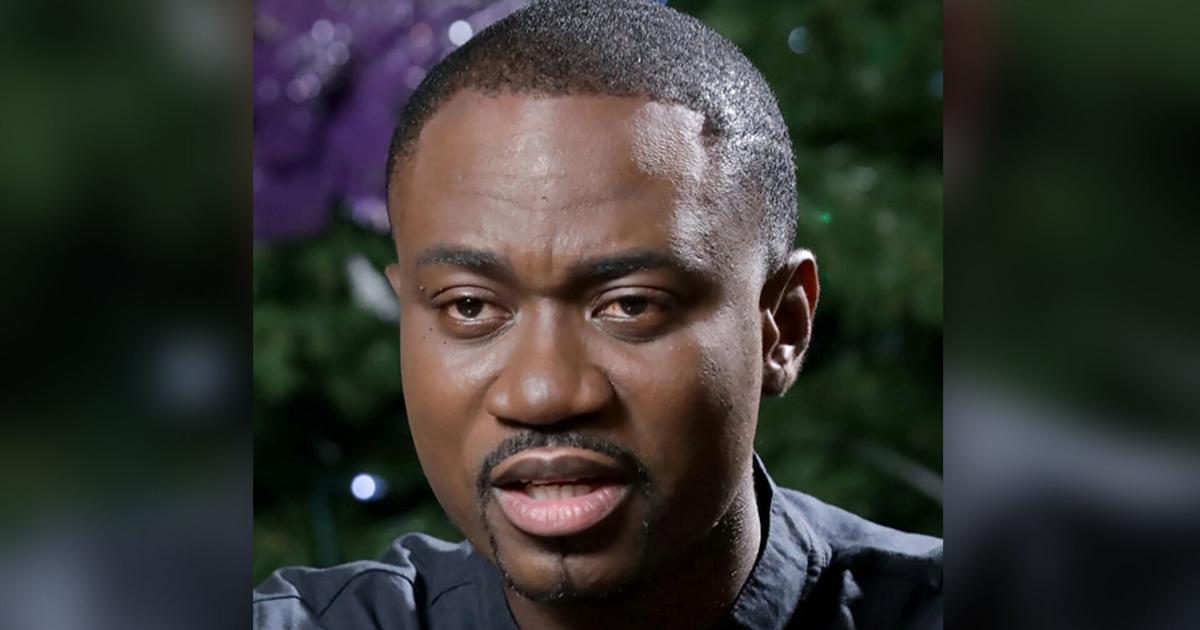
The high-stakes investigation into the disappearance of two-year-old Angelo Tobias Plaza has sparked public and official friction in Tobago, after the Tobago House of Assembly’s top leader publicly condemned the Trinidad and Tobago Police Service (TTPS) for critical missteps in handling the case. Chief Secretary Farley Augustine made his scathing criticism clear in an interview at Scarborough’s Shaw Park Complex this week, stating he has deep dissatisfaction with the investigative response that falls far short of public expectations.
Augustine argued that mishandling of the case began from the moment the toddler was reported missing, with the critical first 48 hours — a window widely recognized as make-or-break for missing person investigations — marked by unforced errors. While he stopped short of releasing detailed public criticism that could erode public trust in the TTPS, Augustine left no doubt that the response has been unacceptable. “I am not satisfied with how the TTPS managed this case. I feel as though justice is not being served, I feel as though justice is still delayed,” he told local outlet the Express.
Speaking from the perspective of a parent, Augustine questioned the extensive delay in questioning the child’s family, a gap that he described as unfathomable. He questioned why investigators did not move sooner to question the toddler’s parents, noting that a two-year-old child is incapable of surviving independently or evading search efforts. “How do you lose a two-year-old in such an awfully spectacular manner is beyond me,” Augustine said, adding that the extended wait to question the toddler’s guardians does not align with basic investigative urgency.
He amplified the public’s growing anger over the botched response, emphasizing that the disappearance of a young child is far from a minor inconvenience that can be brushed aside. “This is a whole human being that cannot give account for [himself], and Tobago and Tobagonians have every right to be dissatisfied, to be incensed, in how this entire case was managed,” he said. Augustine added that the case should stand as a critical learning lesson for the TTPS, highlighting major gaps in protocol for high-stakes missing person cases involving young children.
For context, Angelo was reported missing from his Goodwood, Tobago home on May 11. To date, the toddler has not been found, though law enforcement has secured one major charge: Angelo’s 24-year-old stepfather, Shannon Miller, is currently facing a murder charge in connection with the toddler’s death. The child’s mother, Kalifah Tobias, and five other people previously detained as part of the investigation have all been released without charge.
In response to Augustine’s criticism, Assistant Commissioner of Police Rishi Singh pushed back on claims of mismanagement while extending an open hand for dialogue. Singh confirmed that he remains open to meeting with Augustine to discuss the chief secretary’s concerns, noting that he welcomes input from all public stakeholders to improve police service delivery. “I am open for engagement with the Chief Secretary as I am with any citizen for the improvements to our service delivery. I am sure we will engage to foster mutually beneficial development of the professional output our offices are responsible for,” Singh said.
Singh defended the investigative team’s work, arguing that officers acted consistent with professional standards and constitutional legal requirements. He noted that when children are harmed or go missing, the tragedy impacts every member of the community, but police must balance public urgency with legal obligations. Specifically, he pointed to the requirement of building solid evidence before making moves, the constitutional presumption of innocence, and the right to privacy for all involved. He added that releasing full investigative details to the public before the case goes through court proceedings would risk undermining the integrity of the final outcome.
Singh also closed by acknowledging Augustine’s role, noting that the chief secretary has supported search efforts for Angelo from the moment the missing person report was filed, and that the TTPS respects his perspective on the case.
-
Sealy fired Glock at cops
A high-stakes police-involved fatal shooting in Trinidad and Tobago has ignited widespread public debate, after top prosecutors approved an arrest warrant for manslaughter and other charges against Kaia Sealy, a woman who maintains she has never touched a gun and is innocent of all allegations against her.
The incident, which unfolded on January 20, 2026, left Sealy’s common-law husband Joshua Samaroo dead and has raised pressing unanswered questions about the chain of events that led to officers opening fire. The case now stands at a crossroads, with conflicting accounts from law enforcement and the accused, who is currently outside the country receiving medical care for injuries she sustained during the shooting.
Per the official narrative outlined by Trinidad and Tobago Police Service (TTPS) investigators, the encounter began when Samaroo and Sealy traveled to the Maloney area in a white Toyota Aqua, registered under plate PDS 1703, to complete an illegal sale of a firearm and narcotics to a confidential police informant. The informant told investigators that after the pair arrived, the weapon — which Sealy had allegedly hidden in her bra — was pulled out by Samaroo to show to the source.
Once plainclothes officers from the Maloney Police Station moved in to intercept the vehicle, Samaroo allegedly sped away, triggering a high-velocity pursuit that spanned multiple jurisdictions. Police immediately notified the National Operations and Dispatch Centre (NODC) of the potential weapons and narcotics involvement, and the North Central Task Force Area West was called in to assist with the manhunt as the chase moved west along the Churchill Roosevelt Highway.
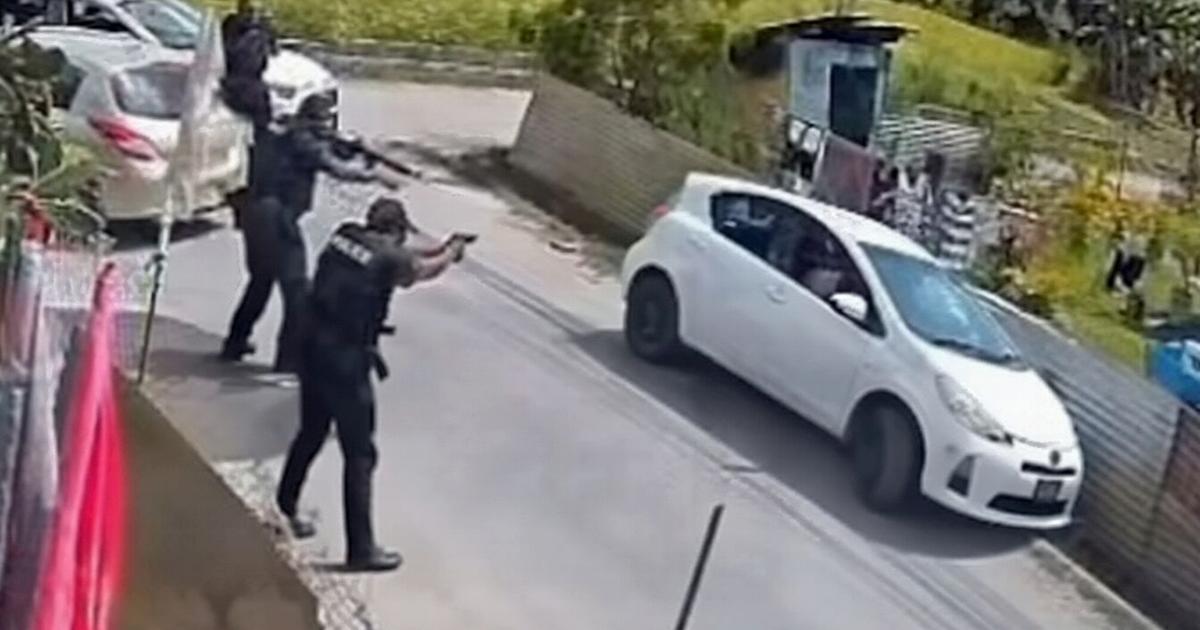
The pursuit finally ended when Samaroo lost control of the vehicle and crashed into a roadside drain on Bassie Street Extension in St Augustine. Cell phone video circulated widely on social media captured the immediate aftermath: the crumpled Aqua at a standstill, with Samaroo’s hands raised clearly through the open driver’s side window. Seconds later, officers opened fire, striking both Samaroo and Sealy.
Multiple responding officers have given consistent statements to investigators justifying the use of force. One officer, who approached the crashed vehicle from the rear, told investigators he saw Samaroo holding his hands up, but spotted Sealy — the front-seat passenger — aiming a gun directly at him through the windshield. He told investigators he heard what sounded like gunfire, saw the rear windshield shatter, believed he was under active attack, and returned fire. Seconds before additional shots were fired, multiple officers can be heard on scene shouting repeated commands of “drop the gun!”, according to the officer’s account.
A second officer at the scene corroborated this timeline, confirming he fired one round from his service weapon before seeing Sealy lower her right arm — which he described as holding a black object matching the description of a handgun. A third officer added that he also observed Samaroo moving his left hand toward the front passenger seat, prompting him to shout a warning for Samaroo to stop moving. After the shooting ended, officers recovered a loaded Glock 9mm pistol from the vehicle, which was packaged and sent to the Scene Evidence Recovery Unit (SERU) for forensic testing. Investigators also recovered three spent 9mm shell casings from inside the vehicle during processing at the St Joseph Police Station, and the confidential informant’s cell phone was sent to the TTPS Cyber Crime Unit for forensic analysis. Both the informant and a second named witness have provided formal statements to investigators.
Following the shooting, both injured victims were rushed to the Eric Williams Medical Sciences Complex (EWMSC) in Mt Hope for emergency care; Samaroo ultimately died of his injuries, while Sealy was later allowed to travel abroad for ongoing treatment of wounds she sustained in the shooting.
Sealy’s account of the incident, however, directly contradicts every key element of the police narrative. In her formal statement included in the case file submitted to prosecutors, Sealy claims she was simply running routine errands with Samaroo when he got an unexpected phone call asking him to meet someone in Maloney. After a short, tense conversation that ended with Samaroo saying “don’t bother” and reversing the car, a marked police unit pulled up with an officer holding a drawn gun — and Sealy says she witnessed the man Samaroo had just met get into the police vehicle.
Sealy told investigators she repeatedly begged Samaroo to stop the car as the chase unfolded, but he refused to pull over. After the crash, she said she saw Samaroo immediately raise both hands out the window before officers opened fire. She maintains that neither she nor Samaroo was in possession of a firearm at any point during the encounter.
In a formal statement released through her legal team last Saturday, Sealy doubled down on her claim of innocence. “I am not a gangster, and I have never held a gun in my life,” she reiterated, while openly questioning key gaps and inconsistencies in the TTPS investigation.
After reviewing all evidence collected by investigators, Director of Public Prosecutions Roger Gaspard, SC, approved the issuance of arrest warrants for Sealy on four total charges: three counts of shooting with intent to cause grievous bodily harm, and one count of manslaughter. The TTPS publicly confirmed the warrants in an official release issued last Thursday.
The public confirmation of the charges has sent shockwaves through Trinidad and Tobago, with members of the public raising a series of unanswered questions about the case: Why did Samaroo and Sealy flee instead of stopping for officers? Why did officers open fire when Samaroo’s hands were visibly raised and surrendered? The conflicting accounts from police and Sealy have left many demanding full transparency as the case moves through the legal system.
-
Rising tension between public, police
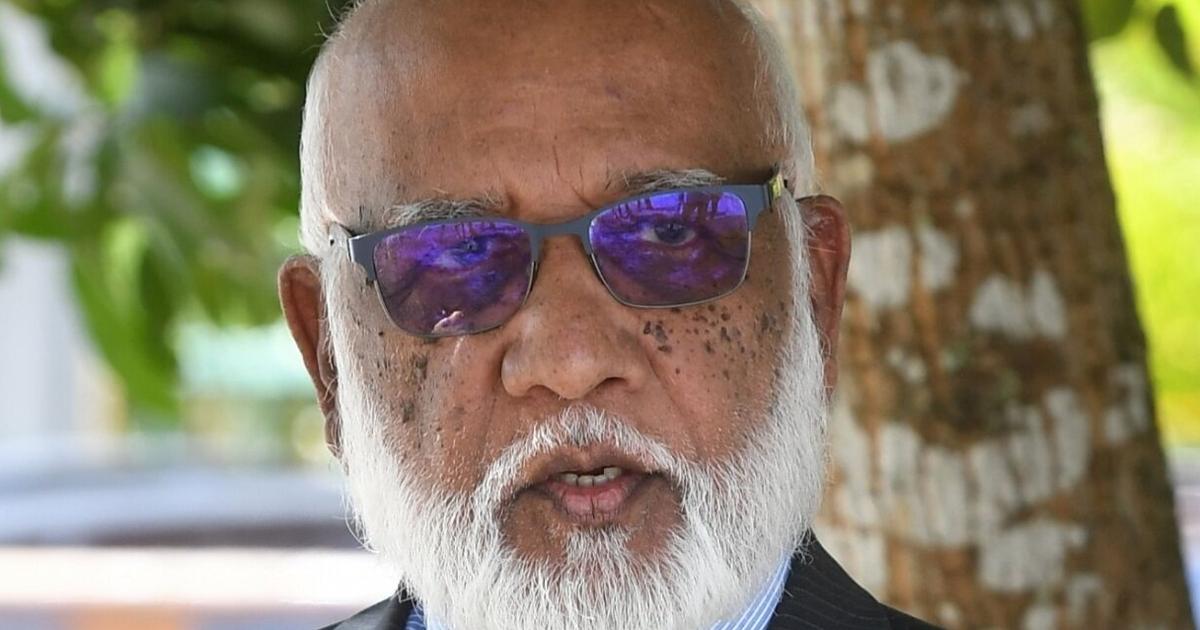
A former top law enforcement oversight leader in Trinidad and Tobago is sounding the alarm over growing rifts between citizens and the national police force, as public outrage mounts over recent legal action against a paralyzed woman linked to a controversial 2026 police shooting. Nizam Mohammed, who previously chaired the Police Service Commission (PolSC), is calling for immediate intervention from state authorities to head off deepening tensions that he says have already pushed public confidence in the justice system to a breaking point.
The controversy centers on the January 20, 2026 shooting of Kaia Sealy and her common-law husband Joshua Samaroo, following a police chase in St Augustine. The encounter left Samaroo dead and Sealy paralyzed from her injuries. Last week, nearly a year after the incident, police announced multiple arrest warrants for Sealy – who is currently receiving medical treatment abroad – including a charge of manslaughter for Samaroo’s death. Law enforcement alleges Sealy opened fire on responding officers during the chase.
The unexpected charges have sparked widespread public demonstrations in support of Sealy, with the most recent rally held Sunday drawing roughly 200 attendees. At that protest, organizer Allyssa Phillip accused authorities of making Sealy a scapegoat for the incident and repeated calls for the resignation of Police Commissioner Allister Guevarro.
Speaking during an interview with TV6’s Morning Edition on Monday, Mohammed argued that the mishandling of the high-profile case has widened an already dangerous gap between the Trinidad and Tobago public and state institutions, including the Trinidad and Tobago Police Service (TTPS). He noted that grassroots citizen groups across the country have now mobilized around the case, demanding transparent answers from law enforcement that have yet to be provided.
One of the core public grievances Mohammed highlighted is the mixed messaging around Sealy’s status in the months immediately after the shooting. When Sealy was hospitalized under police guard following the incident, authorities framed the presence of officers as a protective measure, not as surveillance of a suspect. Only recently has the state moved to formalize charges, leaving many members of the public confused and distrustful of the investigation’s timeline.
Mohammed criticized the investigation into the shooting for taking what he called an “inordinately long time” to reach the current stage, saying authorities failed to act with the urgency and diligence required to prevent public anger from escalating. From the earliest days of the incident, members of the public have had access to video footage of the encounter, allowing them to form their own conclusions about what unfolded. Mohammed said widespread public opinion already views the manslaughter charge against Sealy as shocking, and he remains unconvinced that senior law enforcement and administrative leaders understand the depth of public concern.
Sunday’s spontaneous, well-attended demonstration, he argued, is proof that the public is demanding answers – and that authorities have a non-negotiable duty to respond. He pointed out that Sealy is not just a suspect: she is a mother, permanently disabled by the shooting, now facing a life-altering criminal trial that could end in a conviction for manslaughter. Mohammed questioned whether any jury in Trinidad and Tobago, having seen the widely circulated footage of the shooting that shaped public perception, could ultimately find Sealy guilty. He warned that failure to address public concerns will only lead to more civil unrest and deeper polarization in the coming months.
Mohammed acknowledged that the Director of Public Prosecutions is legally required to make charging decisions based on the evidence submitted by investigators, but stressed that state leaders have a responsibility to eliminate widespread public doubt around the case. The administration of justice impacts every segment of society, he said, and this issue requires a coordinated, collective response from all relevant state institutions. He warned that governance cannot simply ignore the widespread frustration of the public, noting that the disconnect between citizens and leaders is growing at an accelerating pace.
Both the PolSC and the Police Complaints Authority have so far had no formal role in reviewing the case, Mohammed confirmed, adding that the unexplained delays in the investigation have left the general public increasingly restless. To repair the fractured relationship between the TTPS and the community, Mohammed said, meaningful institutional change is needed. He recalled that under former Police Commissioner Dwayne Gibbs, who led the force from 2010 to 2012, the service launched a successful initiative to build community-focused “model police stations” designed to improve access and relations between officers and residents. Today, those facilities are shuttered and unused, and many existing police stations still lack the basic infrastructure needed to serve the public effectively.
Beyond infrastructure, Mohammed called for cultural reform within law enforcement, saying all ranks of the service – from junior officers to senior leadership – need to be trained to engage respectfully with the public. He criticized the detached, “high and mighty” approach adopted by too many current law enforcement leaders, which he says has directly contributed to the erosion of public trust that the Sealy case has now brought to a head.
“Time has run out,” Mohammed said, reiterating his urgent call for authorities to intervene immediately to address the crisis. He stressed that for Trinidad and Tobago to remain a free, functional society, all state institutions must adhere to the rule of law, ethical governance and accountability to the public. Failure to do so, he warned, will leave the divide between citizens and the state unbridgeable.
-
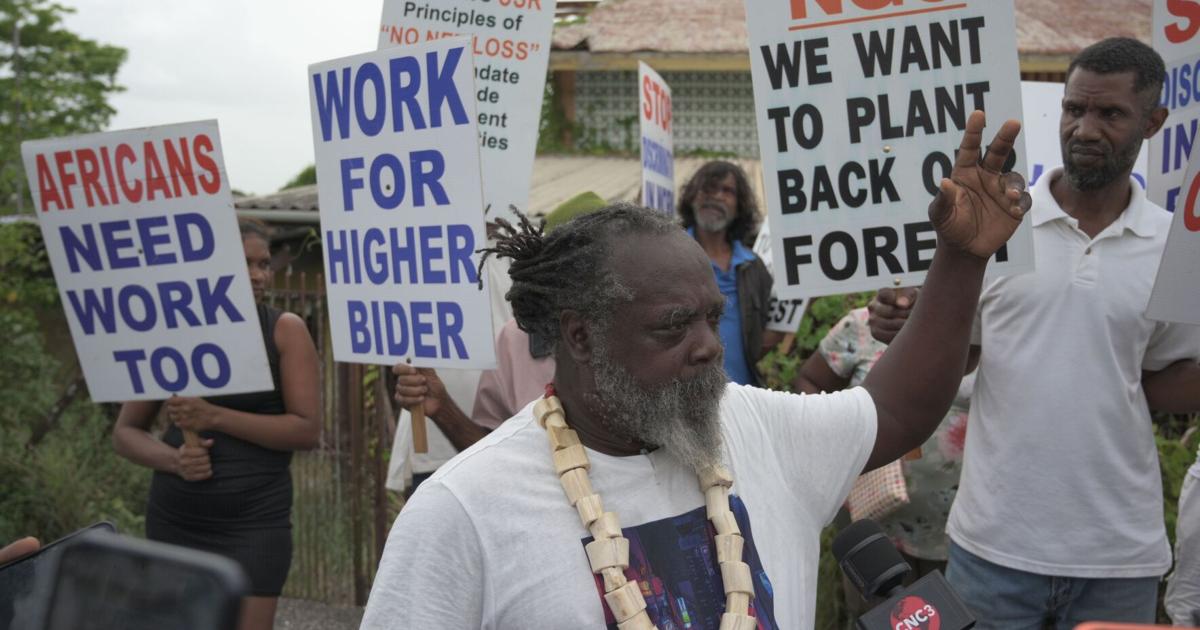
Group protests for jobs
For three years, a local unemployment advocacy group in Trinidad and Tobago has waited for a promised opportunity to secure community reforestation jobs tied to a major energy project. On Wednesday, that frustration boiled over into public demonstration, as roughly 20 members of the Rio Claro Unemployment Association marched through the streets of San Fernando to demand long-overdue answers from the National Gas Company (NGC) and the country’s Minister of Agriculture, Ravi Ratiram.
The protest, held along Circular Road, saw demonstrators chanting two clear, urgent demands: “Create employment, right now!” and “Plant back the forest, right now!” The proposed work stems from the Cascadura exploration project along Trinidad’s east coast, where NGC cleared large swathes of vegetation for energy exploration. Under the company’s own “No Net Loss” environmental policy, NGC is required to replenish all cleared vegetation through reforestation work. The association, a registered non-profit organization, says it has been vying for this community-focused job contract since 2022, and received formal indication from NGC back in April 2025 that its proposal was under active consideration.
A copy of that 2025 correspondence, shared with local outlet *Trinidad Express*, explicitly states that “NGC will consider the Rio Claro Unemployment Association’s role in fulfilling our respective mandates including the potential for employment opportunities in the community.” But three years after that initial indication of interest, group leadership says members have only been met with delays and bureaucratic runaround.
Group president Louis Castillo told reporters that NGC representatives have repeatedly told the association the project is still waiting for final approval from relevant government bodies, despite public announcements that Cabinet has already signed off on a national reforestation programme that would include this project. Castillo added that the group has sent multiple formal letters to both Ratiram and NGC leadership, but has been met with silence. Ratiram has reportedly claimed he never received the group’s correspondence, even though Castillo confirms the letters were delivered directly to the minister’s office, as well as to the NGC president and the company’s designated liaison for the project.
“ It is the same back and forth. They are playing politics with our livelihoods,” Castillo said. “I am not giving up until the people of Rio Claro get to plant back the forests. This is not the same as the generic national reforestation programme — this is a specific commitment tied to the environmental damage done in our region.”
Fewer members joined the protest than the group expected, Castillo noted, as many participants fear professional or political retaliation for speaking out. Amid unstated claims that the protest is a politically motivated effort aligned with the opposition People’s National Movement (PNM), Castillo pushed back firmly on those assertions. He acknowledged that he ran for a city councillor seat as a PNM candidate back in 2010, but stressed that his work with the unemployment association is entirely independent of any political party.
“That is my constitutional right to support a party, but right now I am the head of an NPO, not acting as a party representative,” he explained. “All of our correspondence has been submitted in my capacity as leader of this group, not as a PNM member. I even paid $3,000 out of my own pocket to cover transportation costs to bring protesters here today — the PNM had no involvement and did not fund this effort at all. Why is my past political affiliation being made an issue when all we are asking for is jobs for unemployed people in our community?”
Media outlets have attempted to get comment from NGC and Minister Ratiram on multiple occasions. When the association first raised concerns, NGC declined to comment on the record, and follow-up requests for response issued during Wednesday’s protest have not been answered. *Express* reporters have also repeatedly reached out to Ratiram’s office to confirm the status of the reforestation programme and request a response to the association’s claims, but have received no reply as of press time.
-
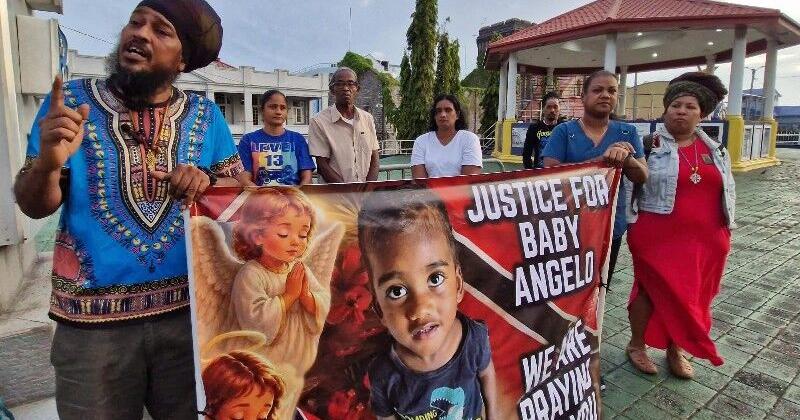
Vigil for recovery of little Angelo’s body
A somber, resolute gathering of community activists and concerned locals unfolded on San Fernando’s Harris Promenade yesterday, centered on a single urgent plea: bring home the body of two-year-old Angelo Tobias Plaza and deliver justice for his untimely death. The toddler went missing two weeks prior in Goodwood, Tobago, and his suspected murder has sent waves of shock and grief across the entire nation of Trinidad and Tobago. Participants held high a banner emblazoned with Angelo’s photo and the words “Justice for Baby Angelo. We are praying for you,” before lighting candles, offering hymns, and saying prayers for both the recovery of the child’s remains and comfort for his devastated family, as official investigations into his killing continue.
Speaking for the assembled group, organizer Kevin Lalchan — a veteran activist who has previously led vigils for other high-profile local tragedies, including the 2019 pipeline deaths of four divers working for Paria Fuel Trading Company and the 2023 killing of teenager Mariah Seenath — said that both divine help and persistent public pressure are needed to bring the case to a close. “We want closure. We want justice. We want baby Angelo’s body to be found so that he may get his final rites,” Lalchan told attendees. He also expressed public solidarity with a separate protest gathering that took place yesterday in Port of Spain, organized to demand answers for Kaia Sealy, a woman shot by police on January 20 in an incident that left her husband Joshua Samaroo dead. Sealy currently faces charges of manslaughter and three counts of aggravated assault with a firearm. “Justice must be served for each and every one. While fellow citizens are burning their fire in Port of Spain, I decided to burn my fire in San Fernando. But I stand and support those who are rallying for justice for Joshua and Kaia,” Lalchan said.
Lalchan used the vigil to shine a light on a growing crisis of vulnerable community members across the country, arguing that Angelo’s killing exposes a critical gap in child protection that demands urgent systemic and social action. “It grieves me to know that we as a nation cannot protect our women, children and elderly folks. Who shall stand for the innocent when they are being slaughtered? Where are the voices Trinidad and Tobago? Where is the national outrage, concern and interest? Today we stand here tugging at your conscience,” he added. Reviving the long-held community principle that “it takes a village to raise a child,” Lalchan emphasized that every sector of society — from individual families and local schools to regional communities and national law enforcement — shares responsibility for keeping children safe. “We must be prepared to go the distance to protect our beloveds,” he said.
The group issued a formal call for state agencies and law enforcement bodies to adopt more proactive intervention strategies when children are identified as being at risk of harm, noting that early, decisive action could stop countless future tragedies before they occur. Quinlan Achat, a community advocate who goes by the public name Empress Q, reinforced this call, stressing that Angelo’s death is far from an isolated incident in Trinidad and Tobago. “This is not a one-off incident; every day, teenagers and babies are missing. This is so tragic. It shows that families do not have the support or community. My heart grieves. We are citizens, and who else will stand up for justice? I think of the 300 or 500 families that grieve due to gun violence every year in this country, and we multiply that over the last ten years. We represent the most high Jah, and the most high nah sleep,” Achat said.
goThe San Fernando gathering was framed by attendees as both a demand for accountability and a collective act of healing for a nation shaken by the young child’s death, which has already sparked widespread national outrage and sorrow. As of yesterday, Angelo’s stepfather, Shannon Miller of Goodwood, Tobago, has been formally charged with the toddler’s murder and is scheduled to make his first court appearance this week.
-
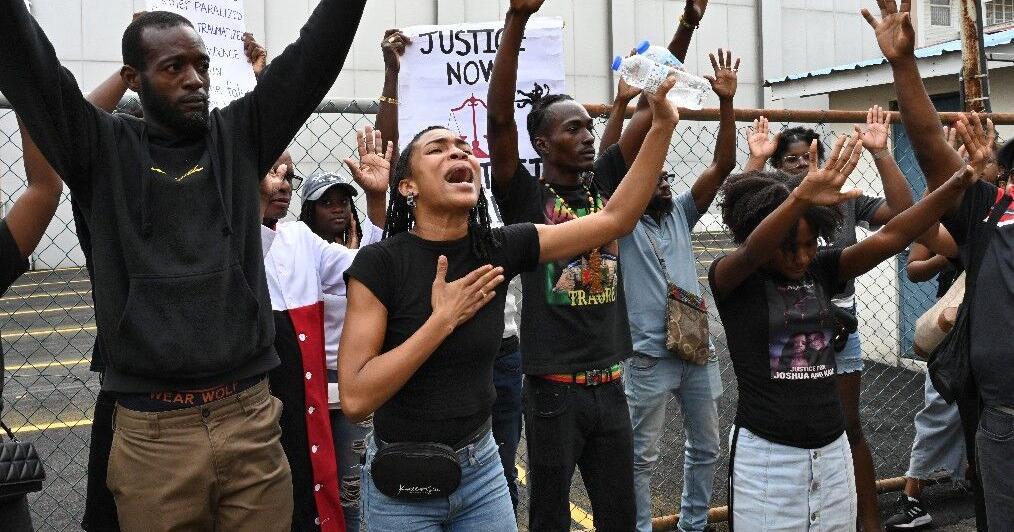
Marchers must seek permission before protesting, warn police
On a recent day in Port of Spain, a group of demonstrators assembled outside the city’s Police Administration Building to voice public support for local figure Kaia Sealy, in a move that bypassed established regulatory procedures for public demonstrations. Senior law enforcement official Senior Superintendent Raymond Thom later confirmed that no formal notification or approval application had been submitted to the Commissioner of Police ahead of the gathering, a required step under current regional regulations.
Trinidad and Tobago currently operates under a declared state of emergency, which brings with it adjusted public order rules that grant expanded authority to law enforcement agencies. When reached for comment on the demonstration, Deputy Commissioner of Police Suzette Martin clarified that small, non-disruptive groups of people gathering in public do not automatically violate existing legislation. Even so, Martin stressed that formal advance approval remains a mandatory legal step for any organized public gathering of this nature.
In an official media statement released later the same day, the Trinidad and Tobago Police Service (TTPS) laid out its formal position on the incident and the broader regulatory framework governing protest activity under the ongoing state of emergency. The TTPS confirmed that while peaceful protest is not explicitly banned by the current state of emergency declaration, all public assemblies are required to adhere fully to the provisions laid out in the Emergency Powers Regulations 2026.
Acknowledging the demonstrators’ presence outside the Police Administration Building, the statement detailed the law enforcement response to the unauthorized gathering: “In this instance, officers engaged the individuals present and issued clear, lawful instructions in accordance with the Emergency Powers Regulations. The decision to disperse the gathering was based on assessed concerns relating to public safety and the maintenance of public order.”
The TTPS underlined that it carries a binding statutory obligation to protect public safety and uphold civic order across the country. “Where any gathering presents a potential risk to either, officers are duly empowered to take appropriate and proportionate action, including the lawful dispersal of such assemblies,” the statement added.
The official release also walked the public through the full scope of powers granted to police under the current emergency regulations, noting that the legislation grants law enforcement broad latitude to regulate, restrict, or break up public assemblies when conditions demand such action. Per the regulations, the Commissioner of Police holds the authority to limit individual association and communication, block public access to specific geographic areas, and designate sensitive sites as “protected places.” Unauthorized entry into these protected zones counts as a criminal offense, and police are legally permitted to search or remove any unauthorised individuals from these locations.
Further provisions of the regulations expand police powers to stop, search, detain, and arrest individuals without requiring a prior warrant, as long as officers hold reasonable suspicion that the individual’s actions could put public safety at risk. The TTPS also noted that public speech, organizing work, or advocacy connected to unapproved protests can be classified as criminal offenses if those activities are judged to influence public opinion in a way that undermines public safety.
The TTPS reiterated that all protest activity, especially demonstrations held near police facilities and other sensitive infrastructure, must be carried out in full compliance with existing public order laws and state of emergency rules. It also issued a formal warning about the consequences of violating the Emergency Powers Regulations: breaches can result in fines reaching $100,000 and prison sentences of up to five years.
The current regulatory framework governing the state of emergency is formally established under the Emergency Powers Regulations, 2026 (Legal Notice No. 40 of 2026), which was enacted to support the ongoing state of emergency declaration currently in effect across the country.
-
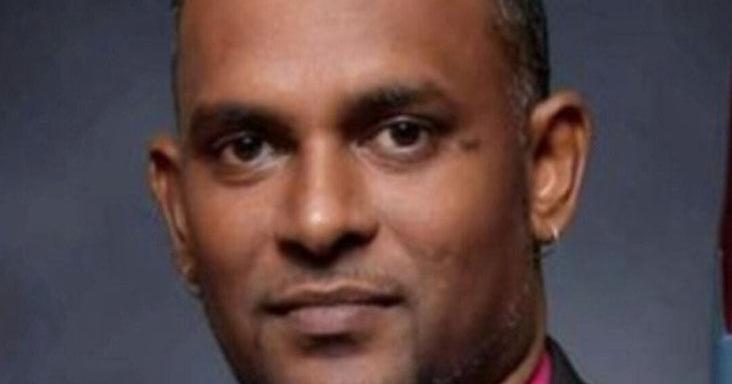
UNC councillor critical in hospital
A long-serving local government official in Trinidad is fighting for his life in intensive care, following a suspected suicide attempt at his home over the weekend.
Anil Baliram, who has represented the Freeport/Chickland district for at least 16 years, experienced the medical emergency at his Couva residence early Sunday morning. The Couva Police Station received an urgent distress call just after 8 a.m., and law enforcement officers immediately dispatched to the property to respond.
Before emergency transport, a family member and emergency medical services paramedics administered life-saving cardiopulmonary resuscitation to stabilize Baliram. He was first rushed to the Couva District Health Facility for urgent initial care, before being transferred to the Intensive Care Unit at the San Fernando General Hospital, where he remains listed in critical condition as of the latest updates. Law enforcement sources have confirmed that investigators are working on the theory that Baliram attempted suicide following the incident.
Khadijah Ameen, Trinidad’s Minister of Rural Development and Local Government, released an official statement addressing the tragedy in the days following the incident, expressing widespread shock and concern across local government circles. Ameen, who also leads the political opposition United National Congress (UNC), noted that Baliram is one of the UNC’s longest-tenured local government representatives, serving on the Couva/Tabaquite/Talparo Regional Corporation.
“Today, I received the deeply troubling news surrounding the reported incident involving Anil Baliram,” Ameen wrote in her statement. “My thoughts and prayers are with Councillor Baliram, his loved ones, colleagues, and all those affected by this painful and distressing situation. Many of our councillors have expressed shock and concern, with his colleagues at the Couva Corporation especially distressed by the news. We continue to pray for his strength, healing, and speedy recovery.”
Ameen used the moment to draw public attention to the often unspoken burdens carried by public servants, who work daily on the frontlines of community service. “Incidents such as this remind us of the emotional, mental, and social pressures many individuals silently carry,” she said. “I urge the national community to approach this matter with compassion, sensitivity, and responsibility, particularly on social media, while medical professionals and the relevant authorities continue their work.”
She emphasized the critical need for open dialogue and accessible support for people struggling with mental health challenges across the country. “As a nation, we must continue encouraging support systems, empathy, dialogue, and intervention for those facing personal struggles or emotional distress. Seeking help must never be viewed as weakness,” Ameen added. “On behalf of the Ministry of Rural Development and Local Government, I extend sincere prayers and support during this difficult time.”
As of Tuesday, attempts by local media to reach additional leadership at the Couva/Tabaquite/Talparo Regional Corporation, including chairman Ryan Rampersad and vice-chairman Henry Awong, for comment have not received a response.
Local health authorities remind any member of the public experiencing suicidal thoughts or who has a loved one in crisis that free 24/7 support is available through the national suicide prevention hotline at 800-COPE (2673).
-
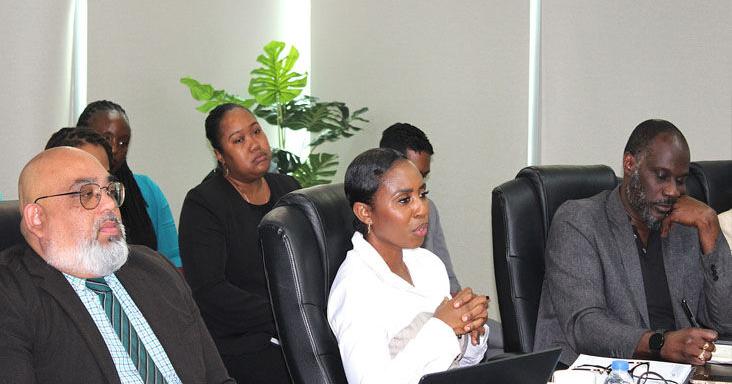
PSA rejects CPO proposal
Long-running negotiations over years of unpaid salary arrears for public sector workers and retirees in Trinidad and Tobago have entered a new phase, with the country’s leading public service union rejecting a revised government offer and preparing to table a fresh counter-proposal this week.
The Public Services Association (PSA), which represents employees across the Civil Service, Statutory Authorities and the Tobago House of Assembly, has been negotiating backlogged salary adjustments for two multi-year periods: 2014 through 2016, and 2017 through 2019. In a major breakthrough for workers, the union secured a 10% total salary increase by December 2025, alongside a landmark consolidation of the Cost of Living Allowance (COLA) and back-adjusted payments owed to retirees. In its official bulletin to members dated May 23, 2026, PSA President Felisha Thomas framed this earlier agreement as a critical win, noting it represented a stark improvement over the previous administration’s offer of just 4% total increase with no COLA consolidation, delivering tangible financial gains for working households across the public sector.
The current dispute centers on the payment structure for the accumulated arrears, which the government values at an estimated $3.8 billion. In January 2026, the Chief Personnel Officer (CPO), the government’s lead negotiator for public sector pay, put forward an initial proposal: 40% of arrears paid in cash split across three fiscal years, with the remaining 60% issued through non-cash arrangements. The non-cash options included offsets against existing mortgage or rental debts owed to the state-run Housing Development Corporation and Trinidad and Tobago Mortgage Bank, settlement of outstanding personal tax bills, $3,500-worth of executive medical coverage, tuition fee offsets for state-owned higher education institutions, tax exemptions for new and roll-on/roll-off vehicle purchases, and conversion of cash entitlements into additional paid leave. The PSA rejected this initial offer, and put forward an 80% cash counter-proposal at the time, with the remaining 20% held as deferred payment via interest-bearing government bonds. The union also added supplementary demands including full settlement of outstanding debts to public sector medical plans, priority access to state housing, and expanded access to residential and agricultural land across both Trinidad and Tobago.
During a negotiation session held the Friday before the bulletin’s release, CPO Dr. Daryl Dindial resubmitted a proposal substantially identical to the January framework, adding only a new carveout for retirees: only those with arrears accumulated through 2018 would receive full cash payment, while all later arrears for retirees would be issued via non-cash arrangements. The PSA rejected this revised offer immediately. Union negotiators have continued informal talks with the CPO, floating a range of alternative flexible arrangements, including allowing workers to apply arrears toward existing mortgage obligations, convert cash to extra leave, receive temporary income tax relief, access supermarket and fuel credits, or put arrears toward future pension entitlements.
Throughout the talks, the PSA has held firm on two core demands: all retirees must receive 100% of their outstanding arrears as full cash payment, and all cash disbursements must be completed no later than March 31, 2027. On Monday, May 25, 2026, the union will submit a formal revised counter-proposal to the CPO, calling for a new structure of 60% of arrears paid in immediate cash, and 40% held as deferred cash, backed by equity stakes in state-owned publicly traded assets on acceptable terms.
In her message to members, President Thomas reaffirmed the union’s commitment to securing the best possible outcome, recalling the organization’s earlier work to force a better deal than the previous administration’s “shameless and disrespectful 4%” offer, and to protect the COLA consolidation the union won. On the government side, CPO Dr. Dindial has characterized the original 40% cash / 60% non-cash proposal as the administration’s “best and final offer,” and gave the PSA a four-week window to respond to the terms.