标签: Trinidad and Tobago

特立尼达和多巴哥

  • Defence partnership

    Defence partnership

    In a significant development for Caribbean security cooperation, the United States has pledged enhanced support to Trinidad and Tobago’s ongoing battle against drug trafficking networks and designated terrorist organizations. Prime Minister Kamla Persad-Bissessar conducted high-level talks at the US Southern Command (SOUTHCOM) headquarters in Doral, Florida, marking a strategic escalation in bilateral defense partnerships.

    The diplomatic engagement focused on concrete measures to strengthen collaborative security initiatives, particularly addressing the critical challenges of narco-terrorism and transnational criminal operations proliferating throughout the Caribbean region. Prime Minister Persad-Bissessar emphasized the urgent requirement for advanced US assistance in cybersecurity capabilities, forensic analysis, and ballistic technology to effectively combat sophisticated criminal enterprises.

    This high-stakes meeting occurred against the backdrop of Trinidad and Tobago’s currently active state of emergency, declared on March 3rd to address escalating security concerns. The discussions built upon previous multilateral agreements, including the recent Americas Counter-Cartel Conference where Defense Minister Wayne Sturge advocated for increased operational assets for Caribbean nations.

    Notably, the partnership already demonstrates tangible outcomes with the operational deployment of a US-funded radar surveillance system at Tobago’s ANR Robinson International Airport, representing a daily investment of $3 million in regional security infrastructure. Prime Minister Persad-Bissessar characterized the collaboration as essential, stating: ‘We cannot do it alone; the assistance of the US will help us win the war against the criminals.’

    The bilateral talks also produced commitments for expanded operational support and technological exchange, with SOUTHCOM commander Francis L. Donovan receiving an official invitation to continue strategic discussions in Trinidad and Tobago later this year. Both nations reaffirmed their shared dedication to regional stability through enhanced intelligence sharing and coordinated counter-narcotics operations.

  • Tyrico horror

    Tyrico horror

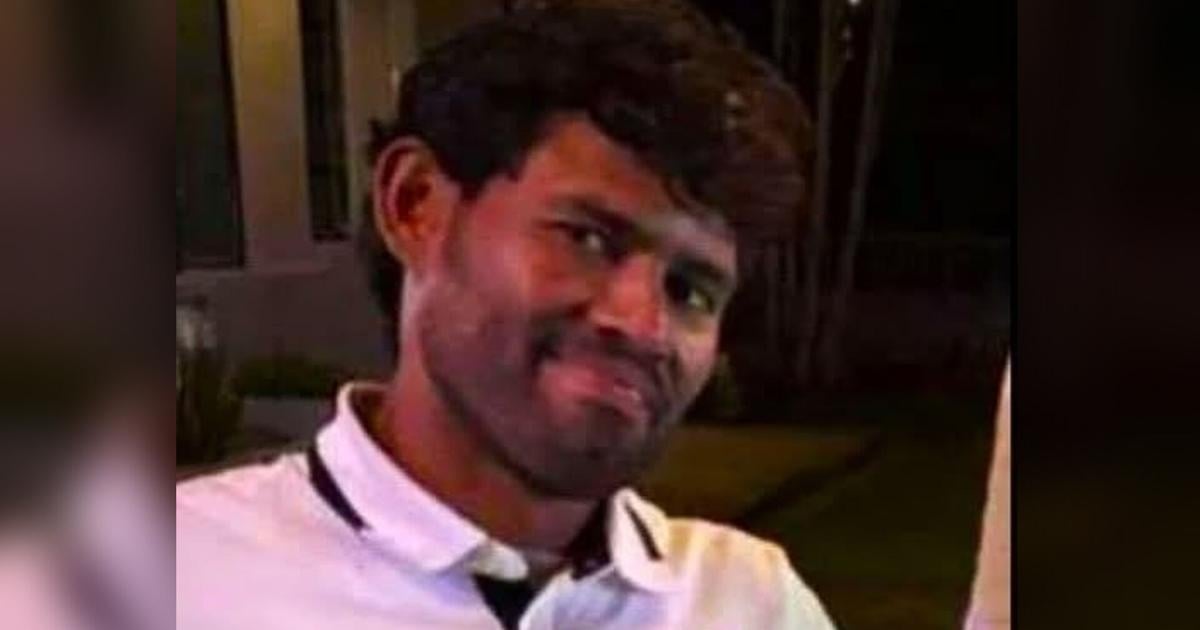
    The tranquil community of Longdenville has been plunged into mourning following the brutal murder of 44-year-old Homadath Sookdeo, whose bound body was discovered at Tyrico Bay last Sunday morning. The discovery has triggered widespread condemnation of Trinidad’s ongoing crime epidemic and raised serious questions about the effectiveness of current security measures.

    Sookdeo, described by neighbors as a ‘quiet, humble man who wouldn’t even harm a fly,’ failed to appear for his customary Sunday family lunch, immediately alerting relatives to potential danger. His body was found with hands and feet bound and mouth gagged, wearing only red three-quarter pants, near the main carpark of the popular beach area.

    According to investigation details, Sookdeo was last seen alive on Saturday afternoon around 4 p.m. when he departed to collect rental payments from Venezuelan nationals residing in an apartment building he managed for his brother overseas. His abandoned pick-up truck was later recovered in Maracas, though police confirmed no visible gunshot or stab wounds were present on his body. An autopsy has been ordered to determine the exact cause of death.

    The tragedy has exposed deep-seated frustrations with the government’s crime prevention strategies. A family member, who requested anonymity, directly criticized the current state of emergency: ‘(Sookdeo) was killed during an SoE. So the SoE is clearly not working. The Government needs more stringent measures to deal with crime.’

    Neighbors and colleagues expressed profound shock at the violent death of a man known for his predictable routines and gentle nature. Gopalak Baboolal, a neighbor for over 15 years, recounted: ‘We lived like brothers. His sister said he sends her good morning message every day and she didn’t get none Sunday.’ Another colleague from Kallco Ltd, where Sookdeo worked as a supervisor, described him as exceptionally cautious with his vehicle, making the circumstances of his abduction particularly mysterious.

    The case has mobilized multiple police units including Region One Homicide Bureau, Crime Scene Unit, and Morvant CID. Investigators believe Sookdeo was murdered elsewhere and transported to Tyrico Bay sometime Saturday night. Authorities are attempting to locate the Venezuelan tenants Sookdeo was scheduled to meet before his disappearance.

  • Ankle-monitored accused gunned down near home

    Ankle-monitored accused gunned down near home

    In a brazen morning attack that raises serious questions about judicial monitoring systems, 38-year-old Isiah Garcia—a man under court-ordered electronic surveillance—was ambushed and executed near his D’Abadie residence on Thursday. The shooting occurred just hours before Garcia was scheduled to reappear in court for serious charges dating back to 2021.

    According to Trinidad Police reports, residents of First Street West off Recreation Road were startled by multiple gunshots around 7:15 a.m. Upon investigation, they discovered Garcia’s lifeless body bearing multiple gunshot wounds. Crucially, the deceased still wore the ankle monitoring device mandated as a condition of his bail in a pending attempted murder case.

    Garcia’s legal troubles stemmed from a violent August 2021 incident in Carapo, where he allegedly attacked a man and woman with lethal intent. Following his arrest days after the shooting by Region Two Homicide Bureau detectives, he faced an extensive list of charges including attempted murder, common assault, firearm possession, and ammunition-related offenses.

    Despite the severity of these charges, judicial authorities had granted Garcia bail with the specific condition of continuous electronic monitoring. This monitoring system, implemented in April 2021 through the National Security Ministry’s Electronic Monitoring Unit, represented the judiciary’s attempt to balance bail rights with public safety concerns.

    The assassination occurs against a troubling backdrop of violent crime in Trinidad. Official statistics indicate the nation’s murder toll had reached 66 by Thursday night, showing a modest decrease from the 75 recorded during the same period last year.

    Law enforcement authorities have launched a comprehensive investigation into both the execution-style killing and the apparent failure of the monitoring system to prevent this tragedy. The case has ignited urgent discussions about the effectiveness of electronic surveillance measures for defendants facing serious violent charges.

  • Notice of Appointment of Liquidator Order 2026

    Notice of Appointment of Liquidator Order 2026

    In an era dominated by complex digital infrastructures, the role of the webmaster has undergone a remarkable transformation from basic site maintenance to becoming the cornerstone of organizational digital strategy. This professional evolution reflects the increasing sophistication of online platforms that require multifaceted expertise in cybersecurity, user experience optimization, and technical infrastructure management.

    The contemporary webmaster functions as a digital architect, balancing technical proficiency with strategic vision. These professionals now oversee critical aspects including cloud server management, advanced SEO implementation, comprehensive analytics interpretation, and cross-platform compatibility assurance. Their responsibilities extend beyond traditional coding to encompass data protection compliance, accessibility standards adherence, and continuous performance monitoring.

    This professional category has gained unprecedented significance as businesses increasingly rely on digital presence for revenue generation and customer engagement. The modern webmaster ensures operational continuity during traffic surges, implements robust security protocols against cyber threats, and optimizes digital experiences across diverse devices and browsers. Their role has become particularly crucial for e-commerce platforms, educational institutions, and government services where uninterrupted digital access is essential.

    The evolution of this position demonstrates how technological advancement creates specialized hybrid roles that merge technical expertise with business acumen. As artificial intelligence and machine learning become integrated into web services, the webmaster’s function continues to adapt, incorporating emerging technologies while maintaining the fundamental stability of digital operations. This professional trajectory highlights the dynamic nature of tech careers in responding to evolving digital demands.

  • Trinidad and Tobago Newsday – Saturday January 31st 2026

    Trinidad and Tobago Newsday – Saturday January 31st 2026

    The global dietary supplement industry, a multi-billion dollar market, operates in a regulatory gray zone that continues to challenge consumers and health professionals alike. Unlike pharmaceutical drugs that undergo rigorous FDA testing for safety and efficacy before market entry, supplements benefit from considerably more lenient regulations under the Dietary Supplement Health and Education Act (DSHEA) of 1994.

    This regulatory framework places the burden of proof on the FDA to demonstrate a supplement is unsafe after it has already reached consumers, rather than requiring pre-market approval. This fundamental difference means new supplement products can appear on store shelves and e-commerce platforms with minimal oversight, relying primarily on manufacturer integrity for quality and accuracy in labeling.

    Recent analyses reveal concerning gaps between marketing claims and scientific evidence. While some supplements demonstrate clear benefits for specific nutrient deficiencies or health conditions, many products make ambitious claims that lack robust clinical validation. The industry faces ongoing challenges with product contamination, inconsistent dosing, and occasionally, the inclusion of undeclared pharmaceutical ingredients in products marketed as ‘all-natural’.
    Health experts emphasize the importance of consulting healthcare providers before beginning any supplement regimen, particularly for individuals with pre-existing conditions or those taking prescription medications. Potential interactions between supplements and medications can produce unintended consequences that consumers may not anticipate.

    The digital age has further complicated the landscape, with social media influencers and targeted advertising creating unprecedented demand for various supplements often without adequate context about their appropriate use or limitations. Regulatory bodies worldwide are increasingly examining how to modernize oversight approaches for these products that occupy the complex intersection between food, medicine, and consumer wellness.

  • ‘Batman’ pleads guilty to manslaughter, apologies to victim’s family

    ‘Batman’ pleads guilty to manslaughter, apologies to victim’s family

    A decade-long legal proceeding reached its conclusion this week as Shervon Darvick “Batman” Grant received his final sentencing for the 2014 fatal stabbing of Damien Alexander. Justice Devan Rampersad presided over the case at the High Court, delivering a sentence that accounts for Grant’s extensive pre-trial incarceration and guilty plea.

    The incident traces back to June 7, 2014, when a violent confrontation erupted outside the Universal Bar in St. James at approximately 4:10 am. Surveillance footage and witness accounts detailed how Grant, then 32, engaged in a heated argument with Alexander that escalated dramatically. During the altercation, Grant shattered a Carib beer bottle and wielded the broken implement, resulting in a severe neck wound that proved fatal.

    Emergency responders transported Alexander to St. James Hospital before transferring him to Port of Spain General Hospital, where he succumbed to his injuries. Crime scene investigators documented critical evidence including the broken bottle, blood samples, and a blood-soaked bandana. Grant was apprehended shortly thereafter at Freddie’s Bakery on Church Street.

    Forensic pathologist Dr. Hugh Des Vignes confirmed the cause of death as a single stab or incised wound to the neck. During police interrogation on June 9, 2014, Grant acknowledged his presence at the scene and admitted to the stabbing after reviewing CCTV evidence.

    The judicial process spanned eleven years, beginning with murder charges filed on June 13, 2014. The case progressed through preliminary inquiries from 2015-2017, culminating in indictment proceedings in 2021. A breakthrough occurred in November 2025 when Grant, through his legal representatives Tristle Khan-Leu and Tracy Wiltshire, negotiated a plea agreement with the Office of the Director of Public Prosecutions, reducing the charge to manslaughter.

    In mitigation arguments, the defense emphasized the spontaneous nature of the offense, noting Grant’s intoxication during the incident and his immediate cooperation with authorities. The court received documentation of Grant’s rehabilitation efforts during his 11-year, 7-month pre-sentence detention, including academic pursuits, prison programming, and his role as assistant pastor with The Way of Holiness ministry.

    Justice Rampersad evaluated multiple sentencing factors including retribution, deterrence, public protection, and rehabilitation. The final judgment incorporated substantial credit for time served and the guilty plea, resulting in a remaining sentence of just over four years.

    A profound letter of remorse from Grant was entered into the court record, expressing deep regret to Alexander’s family: “I know that what I did was wrong, and I take full responsibility for my actions. I know that being ‘out of it’ is no excuse. A person’s life is precious, and I had no right to take his.” Grant additionally apologized to his own family for the shame and pain caused by his actions, detailing his spiritual transformation and commitment to societal reintegration.

  • Horizons Art Gallery set to host silent art auction

    Horizons Art Gallery set to host silent art auction

    Horizons Art Gallery is poised to host an exclusive silent art auction on February 3rd, creating a distinctive opportunity for collectors and art aficionados to acquire original works from a prestigious private collection. The meticulously curated event will showcase an impressive array of pieces from both established and emerging artists across the region.

    The auction features significant contributions from renowned local talents including Lisa O’Connor, Joanna Aldred, Colin Boothman, Shawn Peters, Ken Crichlow, Glen Roopchand, and Sarah Beckett among other distinguished artists. Each artwork has been carefully selected for its exceptional quality and unique artistic voice, ensuring a diverse and compelling collection for discerning buyers.

    Unlike traditional auctions, the silent format fosters a contemplative atmosphere where attendees can engage deeply with each piece without the pressure of rapid-fire bidding. This approach encourages personal connection with the artworks while allowing participants to bid at their leisure throughout the evening.

    The gallery emphasizes the intimate nature of this one-day-only event, welcoming both experienced collectors and those new to art acquisition. The refined setting of the Mucurapo Road venue provides an ideal backdrop for this sophisticated art experience.

    Due to limited capacity, early arrival is recommended for optimal viewing and bidding opportunities. The auction will run from 5:00 PM to 7:00 PM at the gallery’s Port of Spain location. Interested parties may contact 628-9769 or 280-3058 for additional information regarding the exhibition and bidding process.

  • Reflections on life at Newsday

    Reflections on life at Newsday

    In a heartfelt farewell, Newsday’s editorial team has shared profound reflections on their careers at the Trinidad-based publication, highlighting both personal journeys and the critical importance of journalism in society.

    Sports Editor Stephon Nicholas, after an 18-year tenure, emphasized the enduring legacy of media despite industry challenges. ‘Media cannot die,’ Nicholas stated, acknowledging the mentorship from news titans and the responsibility to document truth through various crises—from sports events to volcanic eruptions and elections.

    Veteran specialist writer Sean Douglas, with nearly 30 years of service, reflected on the evolution of news consumption and the financial struggles facing traditional media. He expressed hope that the public would recognize the value of verified news, suggesting a modest daily subscription fee equivalent to ‘a doubles or a short drop in a maxi taxi.’ Douglas warned against a future where society relies solely on press releases and influencers rather than robust journalism.

    Reporter Paula Lindo, who joined just before the COVID-19 pandemic, described her rapid integration into the newsroom and the diverse storytelling opportunities she encountered. From pandemic coverage to highlighting systemic issues like discrimination and racism, Lindo valued the platform Newsday provided for amplifying community voices. She also praised the collaborative spirit among colleagues, including photographers and digital teams, who enriched the storytelling process.

    Administrative assistant Sasha Gulston, celebrating 28 years with Newsday, shared a journey of personal and professional growth. From receptionist to administrative roles, Gulston highlighted the familial atmosphere and the pride in nurturing media talent that later flourished elsewhere. She fondly recalled the bonds formed and the legacy of figures like Therese Mills in shaping Newsday’s impact.

    Across these accounts, a common theme emerges: Newsday was more than a workplace—it was a hub of learning, camaraderie, and unwavering commitment to public service. Despite the sadness surrounding its closure, the team’s gratitude and resolve underscore the indispensable role of journalism in informing and educating society.

  • Learning from the source

    Learning from the source

    In an era of escalating climate crises, environmental educator Faraaz Abdool proposes a radical shift in how we approach learning—by turning to nature itself as the ultimate classroom. Despite global efforts to implement environmental education, humanity continues its trajectory toward ecological catastrophe, suggesting fundamental flaws in our current educational paradigms.

    The prevailing extractive mindset cultivated by modern education systems treats nature as a commodity to be harvested and exploited rather than a complex system to be understood and preserved. This approach produces professionals who value timber over forests, economic gain over ecological balance, and resource extraction over sustainability.

    Abdool identifies our profound disconnection from natural systems as the core issue, manifested not just physically but cognitively—through diminished patience, avoidance of uncertainty, and manufactured fears of wild creatures. This separation has been carefully engineered through comfort-oriented lifestyles and sensationalized media portrayals of nature.

    The solution proposed is both simple and revolutionary: begin reconnecting with nature through bird observation. Birds serve as ideal entry points to natural education due to their accessibility, diversity, captivating behaviors, and ability to command attention in an increasingly distracted world. They require no prior knowledge or equipment to appreciate, making them perfect ambassadors for the natural world.

    Through observing species like Trinidad and Tobago’s distinctive yellow-rumped caciques (locally known as ‘cornbirds’), students of nature can uncover complex ecological relationships. These birds flock to swamp immortelle trees during flowering season, attracting smaller birds like tanagers and hummingbirds. Later, parrots arrive to feed on seed pods, inadvertently assisting in seed dispersal. These observations reveal seasonal patterns, habitat preferences, and ecosystem functions that formal education often overlooks.

    This nature-based learning generates practical wisdom that informs responsible decision-making—recognizing that swamp immortelle populations indicate seasonal flooding patterns and aquifer recharge zones, knowledge crucial for sustainable land use planning. Such insights surpass what conventional degrees offer and cannot be replaced by recycling initiatives or corporate sustainability rhetoric.

    Abdool concludes that rekindling our connection to nature through simple observation represents our best hope for developing the ecological literacy necessary to navigate impending environmental challenges. This approach benefits not just children but lifelong learners seeking wisdom from nature’s infinite classroom.

  • A note from the liquidator

    A note from the liquidator

    In a significant development for Caribbean media, Trinidad and Tobago Newsday has published its final edition and entered formal liquidation proceedings. Liquidator Maria Daniel confirmed the difficult decision, acknowledging the profound impact on employees, readers, and the nation’s media landscape.

    The closure stems from challenges facing legacy media worldwide, including escalating operational expenses, transformative digital disruption, and structural decline in traditional advertising markets. Despite these pressures, Daniel emphasized that the liquidation process prioritizes treating employees with fairness and dignity, recognizing their decades of service and contributions to national storytelling and democratic discourse.

    Notably, employee severance obligations constitute the largest creditor claim in the liquidation. Daniel called upon all parties with outstanding debts to Newsday to fulfill their obligations promptly, as these collections are essential for providing former staff with deserved financial compensation for their service.

    While the print edition has ceased, Newsday’s substantial digital assets remain valuable. The publication maintains significant digital traction with millions of annual website visits, an engaged social media following, and one of the most comprehensive journalistic archives documenting Trinidad and Tobago’s modern history. These assets—including digital reach, brand equity, and historical archives—represent meaningful commercial value and form a core component of the liquidation sale.

    During the transition period, businesses can leverage greatly reduced advertising rates and free digital subscriptions to access Newsday’s established national audience at below-market costs. These measures aim to support the business community while maintaining platform engagement and funding operational expenses.

    The liquidator has issued a formal call for prospective buyers and partners, describing Newsday as a “uniquely positioned media asset: nationally recognized, digitally active, culturally embedded, and historically significant.” Opportunities exist for media operators seeking expansion, investors desiring digital footholds, academic institutions valuing historical archives, or corporations needing trusted communication platforms.

    Interested parties are directed to contact the liquidator’s office at the provided email addresses for confidential discussions regarding asset acquisition or partnership opportunities.

    The message concluded with gratitude to readers who welcomed Newsday into their lives for over three decades, recognition of staff who built the institution, and affirmation that the stories captured in Newsday’s pages remain part of Trinidad and Tobago’s national memory.