标签: Trinidad and Tobago

特立尼达和多巴哥

  • DCP Martin: Police responded to fireworks calls

    DCP Martin: Police responded to fireworks calls

    In the aftermath of Trinidad’s first New Year’s Eve under restrictive fireworks legislation, Deputy Commissioner of Police Suzette Martin has characterized police operations as “quite successful” despite acknowledging no enforcement penalties were issued. The new regulation, designed to limit fireworks discharge to a single hour surrounding midnight, faced its inaugural test amid public skepticism regarding enforcement capabilities.

    During a January 2nd interview at the Police Administration Building in Port of Spain, DCP Martin reported that law enforcement achieved its primary safety objectives. “We had no reports of injury,” Martin stated, emphasizing that officers successfully mitigated fire hazards and maintained traffic control throughout the celebrations. Preliminary data indicated merely five formal complaints were registered, all originating from North Trinidad regions, with additional reports still pending from three other jurisdictions.

    When confronted with revelations that no monetary penalties were imposed despite legislation authorizing $450 fines for violations, Martin confirmed: “At this time no, we didn’t fine anyone. No tickets were issued to anyone.” This admission came alongside defense of police preparedness, with Martin contradicting allegations that front-line officers received inadequate briefing regarding the new statutory framework.

    The senior police official addressed concerns about noise pollution’s psychological impacts, asserting that “the police service remains committed to ensuring safety for residents” while acknowledging response efficacy varies significantly by geographical location. Martin encouraged continued public reporting of violations, stressing that historical inaction on noise complaints should not deter citizens from engaging with law enforcement regarding fireworks infractions.

  • NGC on shutdown: ‘Nutrien held TT to ransom’

    NGC on shutdown: ‘Nutrien held TT to ransom’

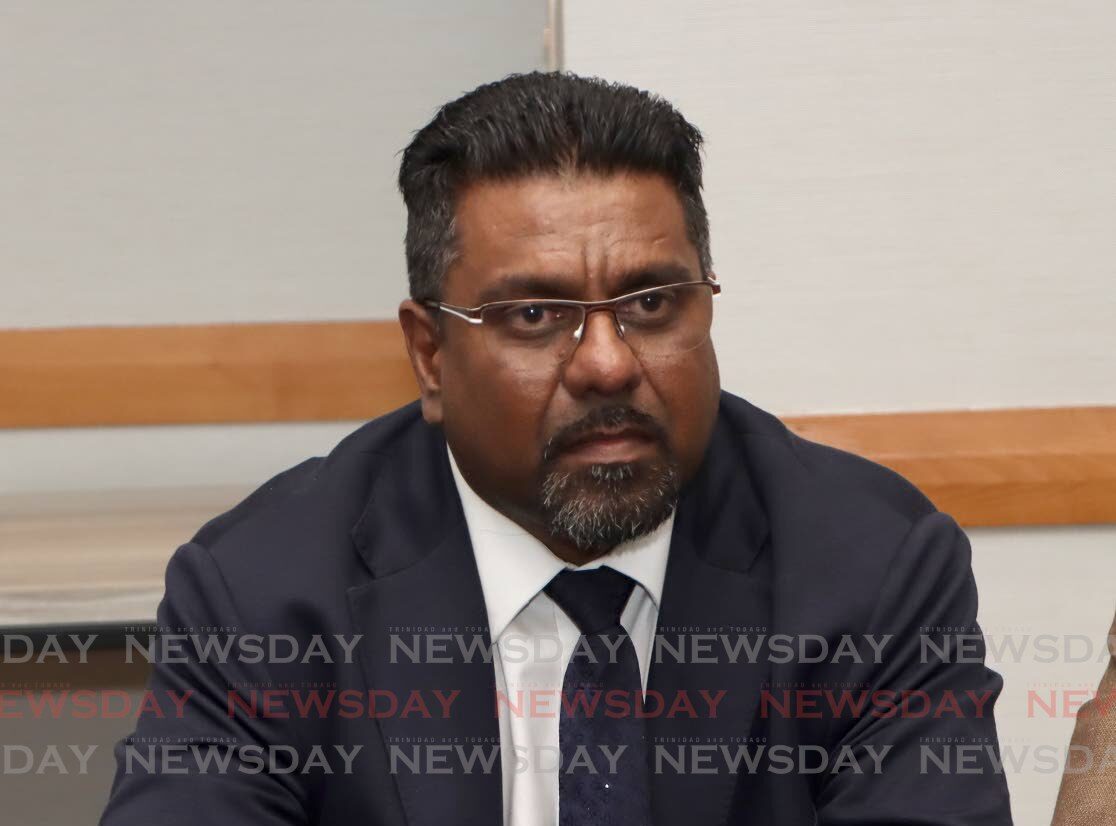
    In a sharply worded statement issued January 2, Trinidad and Tobago’s National Gas Company (NGC) has accused Canadian fertilizer giant Nutrien of holding the nation “to ransom” by deliberately shutting down operations despite government efforts to maintain its presence. The NGC asserts that Nutrien’s closure decision stemmed exclusively from profit-maximization motives rather than legitimate operational constraints.

    The controversy emerged following criticism from former Energy Minister Stuart Young, who blamed the current administration for the plant shutdown that will eliminate hundreds of jobs. The NGC responded by detailing how Nutrien had rejected multiple compromise proposals while attempting to secure favorable long-term gas contracts and maintain legacy port rates.

    According to the state company, the dispute originated from Nutrien’s resistance to updated pier user charges at Savonetta and concerns about natural gas supply reliability. The Canadian company, which produced approximately 85,000 tonnes of ammonia and 55,000 tonnes of urea monthly from its Trinidad facility, ceased operations in October after negotiations stalled.

    The NGC revealed that during five separate negotiation sessions, Nutrien representatives threatened to launch a public relations campaign portraying the company as a victim of government pressure. In one particularly contentious incident, National Energy officials were served with an injunction application while en route to what was supposed to be a good-faith negotiation meeting.

    Countering Young’s allegations, the NGC statement highlighted that the previous administration had allowed pier user contracts to expire without renewal since 2018, resulting in over $500 million in lost revenue. The former administration also waived $14.35 million in “take or pay” liabilities owed by Nutrien in August 2024 and permitted downstream companies to manipulate payment terms, creating a de facto $160 million overdraft facility.

    The gas company emphasized that most petrochemical producers in Point Lisas Estate do not repatriate US dollar revenues to Trinidad, instead maintaining foreign accounts in financial hubs including New York, London, Zurich, and Brussels. Despite Nutrien’s departure, NGC has successfully reallocated the gas supply to other downstream customers and fulfilled its Atlantic LNG commitments, generating significant financial benefits for the nation.

  • Redemption with Prisons FC – YTC inmate creates history by playing pro football

    Redemption with Prisons FC – YTC inmate creates history by playing pro football

    Behind the fortified gates of Trinidad and Tobago’s Youth Transformation and Rehabilitation Centre (YTC) in Arouca, 25-year-old Ainsley Grazette is redefining redemption through football. Despite being detained for seven years and awaiting trial for murder, Grazette made history on October 25 by becoming the first YTC resident to compete professionally in the TT Premier Football League tier one, scoring a decisive goal for Prisons FC in his debut match.

    Grazette’s journey began in Carenage, where sports were embedded in his family legacy. His mother was an accomplished footballer, and relatives excelled in national tennis. However, his path was derailed by community gang violence, leading to his incarceration. “When I got incarcerated, I sat down and studied my situation,” Grazette recalled. “The same friends I considered… put me through this, but they weren’t there.”

    His transformation accelerated through mentorship from Sean Reyes, who oversees YTC’s gym program. Starting as a groundskeeper, Grazette progressed to ball boy before his technical prowess caught coaches’ attention. His integration into prison football teams culminated in the historic professional debut where he scored in the ninth minute, securing a 3-2 victory against Caledonia AIA.

    The emotional impact was profound. “Seeing young fellas I grew with calling my number—it brought tears to my eyes,” Grazette shared. His success has inspired younger detainees, with children as young as 12 now seeking football opportunities.

    Reyes emphasized YTC’s rehabilitative philosophy: “You can’t want to rehabilitate somebody and have them locked down 24/7. That builds hatred.” The facility employs sports, education, and cultural programs to redirect energies positively. Despite external skepticism about privileges for those charged with serious crimes, Reyes maintains that holistic engagement is essential for meaningful rehabilitation.

    Prisons FC coach Dexter Cyrus praised Grazette’s discipline and seamless team integration. The squad now eyes a top-three finish for continental qualification. Grazette remains committed: “Whatever the coach asks, I’m doing it. This year is our year.”

    His message to incarcerated youth is unequivocal: “The sky is the limit no matter where you are. Don’t ever be ashamed to be a good person.”

  • Alexander, chief immigration officer discuss priorities

    Alexander, chief immigration officer discuss priorities

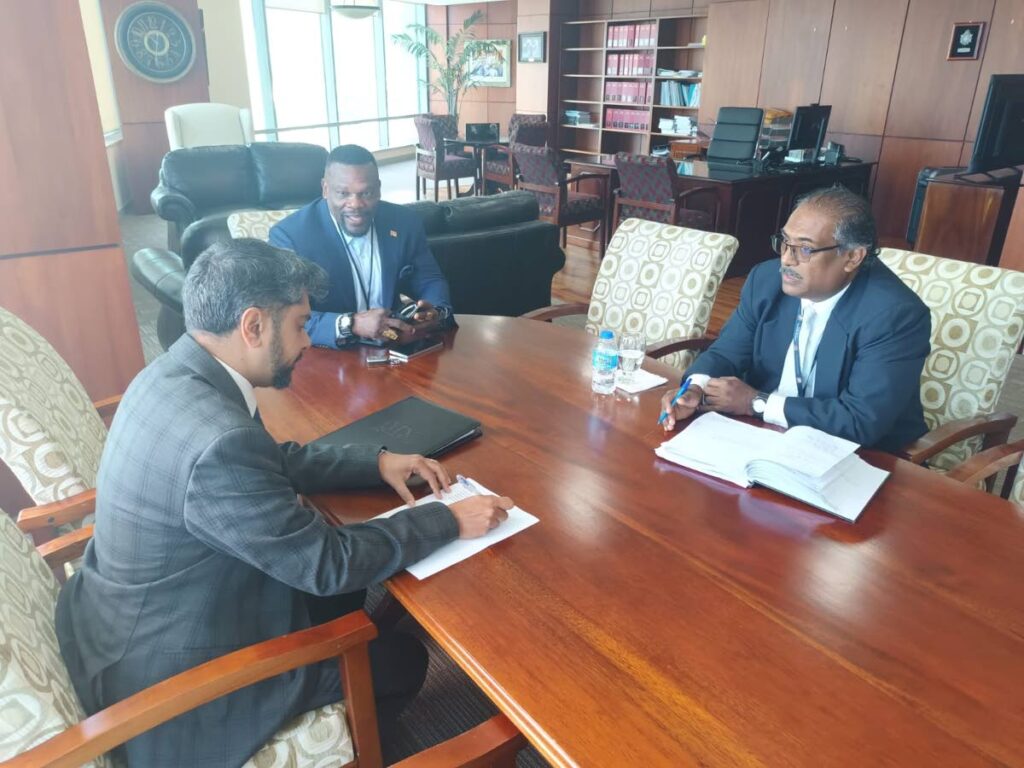
    The Ministry of Homeland Security of Trinidad and Tobago has announced a comprehensive four-pillar strategic framework for 2026 following a high-level meeting on January 2. Minister Roger Alexander convened with Permanent Secretary Videsh Maharaj and Acting Chief Immigration Officer Gewan Haricoo to establish the nation’s security priorities for the coming year.

    The strategic blueprint centers on digital transformation, with plans to implement electronic disembarkation cards to streamline border entry processes and significantly reduce passenger waiting times. Security enhancements form the second pillar, featuring a comprehensive review of registration protocols for undocumented migrants to strengthen legal compliance.

    Infrastructure modernization constitutes the third strategic priority, focusing on technological upgrades to the Immigration Detention Center (IDC) with advanced security systems and improved humane facilities. The final pillar addresses public service accessibility, prioritizing the reopening of the San Fernando Immigration Office to better serve southern residents.

    This strategic announcement follows closely on the heels of significant fee adjustments implemented January 1 under the Immigration (Amendment) Regulations, 2025. Standard adult passport costs have doubled from $250 to $500, while business passport fees increased to $700 from $350. Expedited processing services now cost $600, and replacement fees for lost valid passports have risen to $2,000 for both children and adults.

    The ministry characterizes these changes as essential components of the government’s commitment to modernizing border management systems and improving service delivery efficiency across all immigration operations.

  • Unease in Caracas after US strike

    Unease in Caracas after US strike

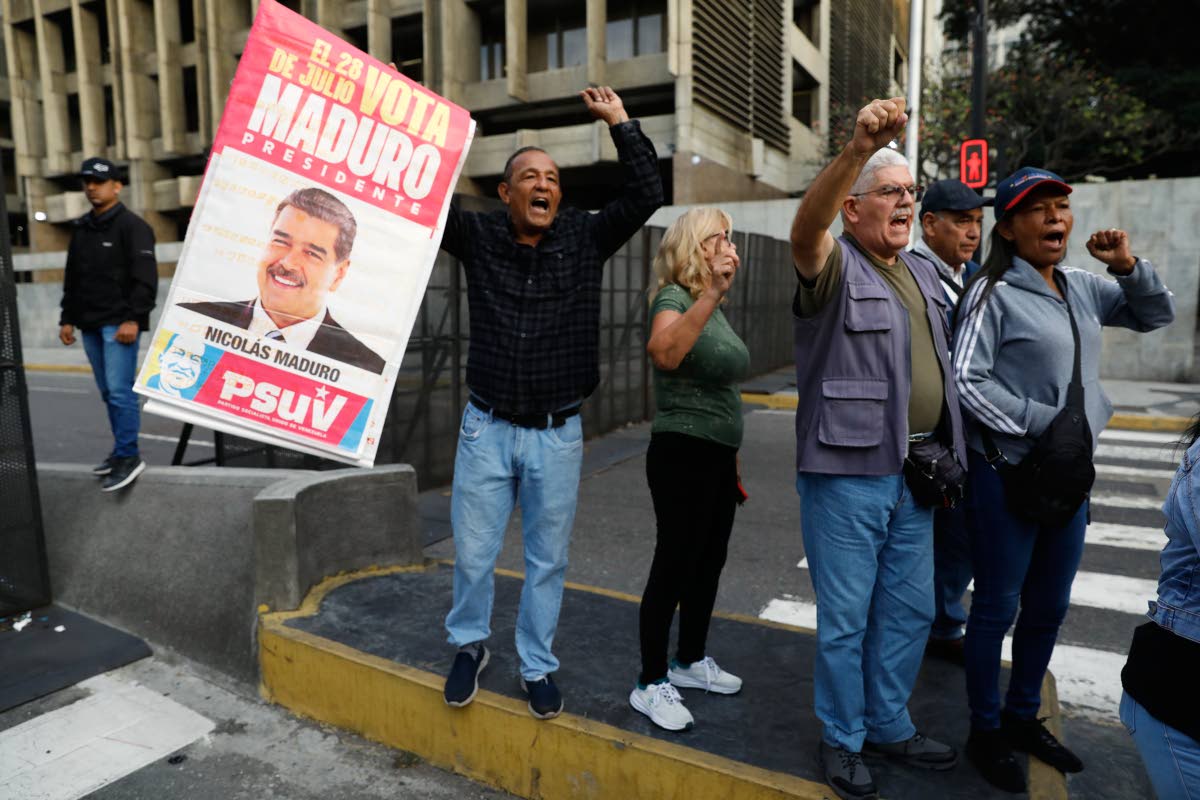
    In an unprecedented military operation, United States forces have captured Venezuelan President Nicolás Maduro and his wife following a large-scale assault on the South American nation. The dramatic events unfolded in the early hours of January 3rd, when explosions rocked Venezuela’s capital city of Caracas at approximately 1:50 AM local time.

    President Donald Trump confirmed the operation through social media, characterizing the action as a decisive strike against the Venezuelan leadership. According to international media reports, the military intervention resulted in multiple casualties among government officials, military personnel, and civilians caught in the crossfire.

    The operation marks a significant escalation in the ongoing tensions between the United States and Venezuela, following months of missile strikes targeting suspected narcotics trafficking operations in the Caribbean Sea and Eastern Pacific regions. These previous engagements had already claimed over 100 lives before culminating in the ground assault that resulted in Maduro’s capture.

    Eyewitness accounts and photographic evidence depict a city in chaos, with pedestrians fleeing through streets as low-flying aircraft buzzed overhead. The port of La Guaira showed significant damage with destroyed containers littering the area, while smoke billowed from La Carlota airport and various locations throughout the capital.

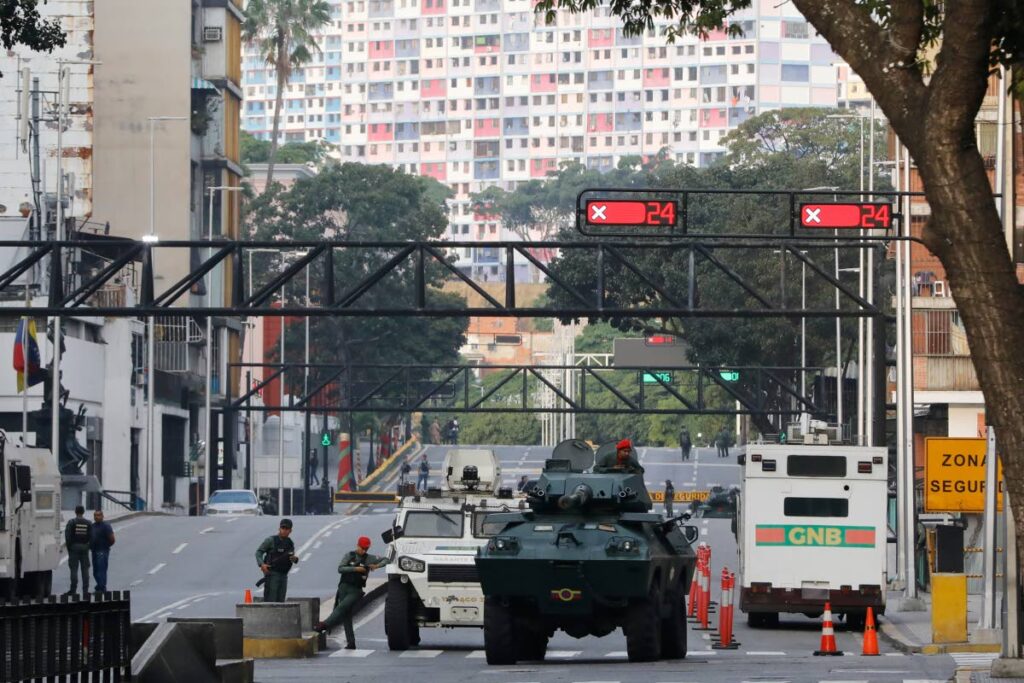
    National Guard armored vehicles swiftly deployed to secure key areas, particularly around the Miraflores presidential palace, as residents evacuated buildings in the vicinity. The successful extraction of Maduro and his wife from Venezuelan territory represents one of the most significant geopolitical developments in recent Latin American history, with potentially far-reaching implications for regional stability and international relations.

  • New chapter for The Cloth – fashion house opens at Trinidad Gingerbread House

    New chapter for The Cloth – fashion house opens at Trinidad Gingerbread House

    Trinidad and Tobago’s pioneering fashion house The Cloth has inaugurated a new boutique at the historic Trinidad Gingerbread House on Carlos Street, Woodbrook, marking a significant expansion as the brand approaches its 40th anniversary in 2026. The December 20 opening represents both a physical and philosophical evolution for designer Robert Young’s enterprise, which maintains its foundational commitment to cultural storytelling through wearable art.

    The new space features curated capsule collections and seasonal releases that integrate local craftsmanship heritage, offering visitors bespoke fittings and in-house styling services. Young emphasizes that the location transcends commercial considerations, serving as a repository of encoded cultural language through its distinctive African-crafted fretwork that embodies “liberatory hopes” of post-colonial artisans.

    Young’s unconventional journey into fashion began when the former agricultural science student purchased a sewing machine on impulse despite no prior experience. His breakthrough came in May 1986 when his politically-charged debut collection featuring messages like “Free Mandela” and “Crush Racism” garnered front-page newspaper coverage. This established The Cloth’s distinctive approach to fashion as “spiritual armor” that celebrates Caribbean identity rather than conforming to Western aesthetics.

    The brand has achieved remarkable international reach, with collections currently stocked in boutiques across Mustique, Jamaica, Martha’s Vineyard, Japan, Spain, and several European nations. Notable collaborations include dressing cultural icons like David Rudder and 3canal, while The Cloth’s designs have been exhibited at prestigious institutions including the Smithsonian National Museum of African Art and the Museum at FIT in New York.

    In 2017, Young partnered with British anthropologist Sophie Bufton to form The Cloth Caribbean, enhancing the brand’s global market navigation while maintaining its Belmont-based headquarters. Despite international acclaim, Young remains committed to sovereignty in creative expression and economic models, advocating for regional control of rare sea island cotton and developing worker-owned cooperatives for artisans.

    Looking forward, Young plans to establish an experimental creative space in Toco to nurture emerging designers while continuing Vulgar Fraction, his independent Carnival band that transforms masquerade into cultural commentary. The designer acknowledges four decades of community support that has sustained The Cloth’s unique vision of fashion as a medium for Caribbean self-determination and cultural preservation.

  • JMMB reorganises its boards

    JMMB reorganises its boards

    Jamaican financial services conglomerate JMMB Group Ltd has implemented a significant board reorganization across its corporate structure, effective December 31, 2025. The restructuring impacts both the parent company and its subsidiary, JMMB Financial Holdings Ltd, following regulatory approval from the Bank of Jamaica.

    Five directors have stepped down from JMMB Group Ltd’s board: Andrew Cocking, High Wayne Powell, V Andrew Whyte, Dr. M Anne Crick, and Reece Kong. Simultaneously, JMMB Financial Holdings Ltd witnessed the departure of two board members: Audrey Deer Williams and Audrey Welds.

    The transformation comes after the Bank of Jamaica granted formal authorization under Section A (1) (a) of the Banking Services Act 2014, permitting JMMB Financial Holdings Ltd to operate as an official financial holding company. This regulatory milestone prompted the comprehensive governance review.

    Corporate governance principles served as the driving force behind the board restructuring. JMMB Group emphasized that the changes aim to establish clearer independence between the two boards, enhancing oversight mechanisms and strengthening accountability frameworks throughout the organization.

    The Group publicly acknowledged the contributions of departing directors, recognizing their service during a period of significant regulatory advancement. This restructuring represents a strategic alignment of corporate governance with the company’s newly approved financial holding company status, potentially signaling a new chapter in JMMB’s operational framework.

  • Residents told mud volcano still active

    Residents told mud volcano still active

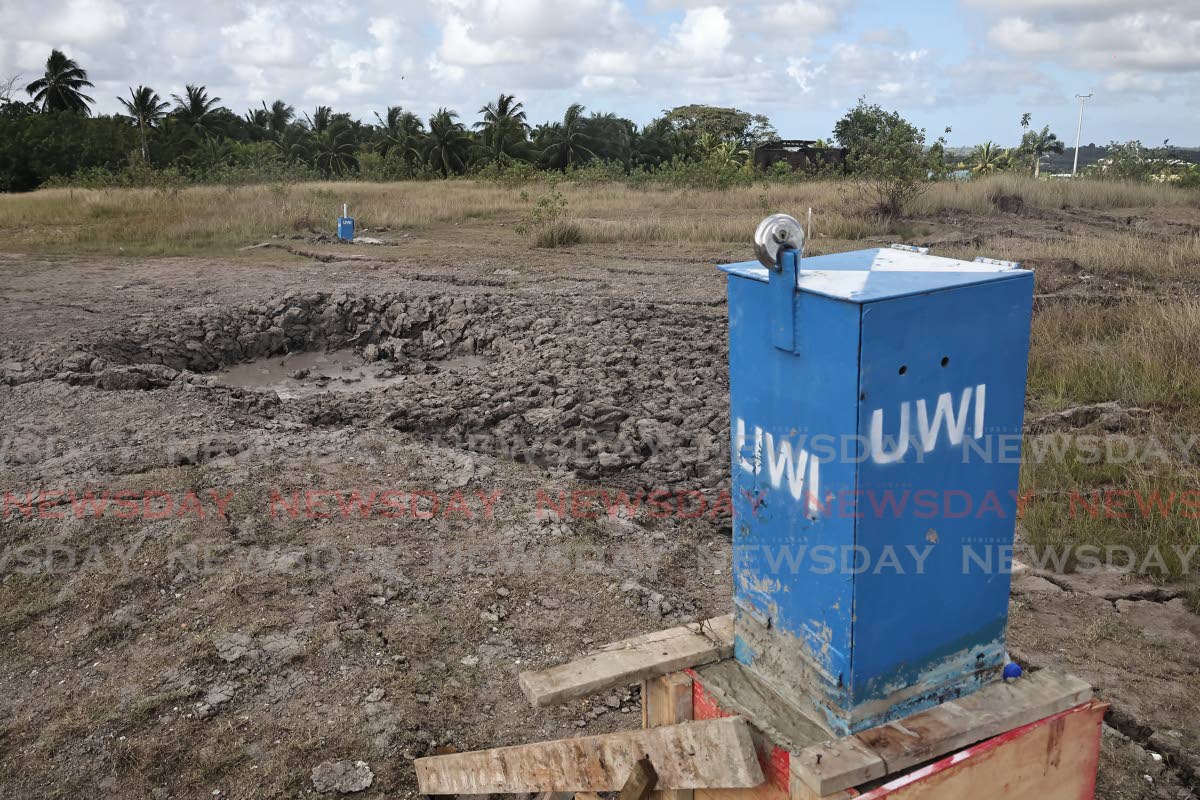
    The Piparo mud volcano in Trinidad continues demonstrating significant geological instability, with researchers from the University of the West Indies (UWI) documenting multiple new fractures emerging around the site in recent days. According to the team’s third official update issued on January 1st, sophisticated monitoring systems have captured the underground structure essentially ‘breathing’ through cycles of pressure accumulation and subsequent release via both existing and newly formed surface cracks.

    At monitoring well #3, positioned adjacent to the primary vent, instrumentation recorded pressure fluctuations displaying a general downward trajectory. While this pattern indicates temporary pressure alleviation, the persistent variability confirms the system remains actively unstable rather than achieving equilibrium. Simultaneously, at northwest monitoring well #6, scientists observed another zone of oscillating pressure, where fractures developing between December 29th and 30th precipitated a sharp pressure decline from approximately 61 to 59 pounds per square inch (PSI). Following this abrupt release, pressures resumed their cyclical rise and fall, confirming the volcano’s ongoing activity.

    The report emphasized that despite these temporary pressure releases through surface fractures, substantial risks persist for adjacent communities. Current advisories consequently maintain warnings for residents to remain vigilant, avoid the main crater and fractured zones, report emergent cracks or gas emissions, and adhere to guidance from emergency authorities.

    This heightened activity follows a significant event on December 24th that induced substantial ground movement, partially destroying at least two residences, collapsing roadways—rendering one completely impassable—and disrupting utility services. UWI’s assessment suggests this activation potentially stemmed from tectonic compression or human-induced environmental alterations, notably absent typical triggers like seismic activity or prolonged rainfall.

    Researchers also identified that mud and pressure flows are migrating northwestward away from the principal vent. In response to these developments, the UWI team has issued an urgent appeal for enhanced funding to bolster monitoring capabilities, improve eruption prediction models, and develop more effective risk mitigation strategies. This data would subsequently inform comprehensive risk assessments and detailed hazard zoning maps for vulnerable communities.

    The Office of Disaster Preparedness and Management recently coordinated a meeting at the Piparo Community Center, convening first responders including the Fire Service, Police Service, Electricity Commission, and regional disaster management units. During this session, UWI researchers presented their scientific findings to inform and refine emergency response planning.

  • Regime change by force in Venezuela

    Regime change by force in Venezuela

    In a dramatic escalation of tensions, United States military forces initiated a covert operation in Venezuela during the early hours of Saturday, resulting in the capture of President Nicolás Maduro. The intervention began with precision airstrikes targeting key Venezuelan military installations including La Guaira port, Higuerote airport, La Cariota airport, and the Fuerte Tiuna military complex. Notably, the country’s critical oil infrastructure remained untouched throughout the operation.

    Eyewitnesses reported explosions illuminating the night sky over Caracas as military helicopters patrolled the capital. The strategic strikes appear to have served as a diversion for the primary objective: the extraction and detention of President Maduro, who was transported with his wife, Cilia Flores, to the USS Iwo Jima naval vessel.

    The operation culminates years of mounting pressure on Maduro’s administration, which faced indictment by U.S. authorities in 2020 on multiple charges including corruption and drug trafficking. The State Department had previously offered a $50 million reward for information leading to his arrest or conviction.

    Following the military incursion, Attorney General Pam Bondi declared that Maduro would face ‘American justice on American soil in American courts.’ With Maduro’s capture, constitutional power has transferred to Vice President Delcy Rodríguez, who was swiftly sworn in as interim leader.

    The action represents a significant evolution from previous U.S. military interventions in the region, notably the 1989 Operation Just Cause in Panama which required several days to capture General Manuel Noriega. That operation drew widespread international condemnation and resulted in substantial civilian casualties.

    This intervention occurs against the backdrop of a newly articulated ‘Trump Corollary’ to the Monroe Doctrine, which advances a doctrine of American preeminence and flexible realism as pillars of foreign policy. During a recent press conference, President Trump explicitly connected the operation to Venezuela’s substantial oil reserves, suggesting the newly installed leadership would cooperate with U.S. economic interests.

  • Commissioner on decline in murders, serious crime…’Thanks to cops, not SOE’

    Commissioner on decline in murders, serious crime…’Thanks to cops, not SOE’

    In a landmark achievement for national security, Trinidad and Tobago recorded its lowest homicide rate in over fifteen years during 2025, with official statistics confirming 369 murders—a dramatic 42% reduction from the previous year’s tally of 626. Police Commissioner Allister Guevarro has emphatically attributed this historic decline to sophisticated intelligence-gathering methodologies and dedicated police work rather than the controversial State of Emergency (SoE) measures implemented throughout much of the year.

    Commissioner Guevarro, communicating via WhatsApp messages on January 2, emphasized that this breakthrough represents “a significant national achievement” reflecting “sustained, intelligence-driven policing, stronger divisional accountability and a co-ordinated national effort across the police service.” The Commissioner’s statements directly counter public commentary suggesting the crime reduction resulted primarily from emergency powers.

    The TTPS leadership maintains that strategic precision-targeting of violent offenders, gang leadership, and firearm traffickers—supported by Preventative Detention Orders and intensified operations—drove the measurable improvements in public safety. Notably, Commissioner Guevarro highlighted that previous SoEs during 2020-2022 pandemic years, which included strict curfews and movement restrictions, failed to produce comparable crime reduction, further substantiating his assessment that tactical policing effectiveness rather than emergency measures accounted for the 2025 success.

    Addressing concerns about a potential crime surge following the SoE’s scheduled expiration on January 31, Commissioner Guevarro expressed confidence in the sustainability of these gains, noting that “many of the strategies implemented are not SoE-dependent.” The TTPS has substantially strengthened its intelligence architecture, improved inter-divisional coordination, and enhanced capabilities to identify, track, and disrupt high-risk individuals—developments that will persist beyond the emergency framework.

    Supporting this operational assessment, Deputy Commissioner of Police Junior Benjamin detailed significant organizational reforms implemented throughout 2025, including the adoption of emotional intelligence principles and flexible 24/48-hour rotation schedules designed to combat officer burnout while maintaining operational tempo. The service has prioritized mental health support through its Social Work Unit and maintained vacation leave provisions despite heightened operational demands.

    While December witnessed an concerning uptick with approximately 37 murders, the year still concluded with the lowest annual total since 2011. The TTPS executive leadership acknowledges the tremendous operational load carried by officers over the past eight months and has committed to continuing targeted enforcement, offender management, and intelligence operations throughout 2026 to maintain the downward trajectory in serious crimes.