
Endurance swimmer John Procope embarked on a monumental challenge on October 13, aiming to swim around the island of Tobago within 48 hours. The grueling endeavor began at Pigeon Point, where Procope was met by a group of supporters, including Wane Clarke, the Secretary of Community Development for the Tobago House of Assembly (THA). A support vessel equipped with essential supplies like food and water will accompany him throughout the journey. Additionally, two fellow swimmers, Jacob Cox and William Carr, will join Procope for portions of the swim to provide moral and physical support. Procope’s ambitious goal is to complete the circumnavigation by 9 a.m. on October 15. This is not the first time Procope has taken on such a daunting task. In October 2024, he successfully swam from Tobago to Trinidad in approximately 25 hours, showcasing his exceptional endurance and determination. This latest challenge further cements his reputation as a pioneer in the world of extreme swimming.
标签: Trinidad and Tobago
特立尼达和多巴哥
-
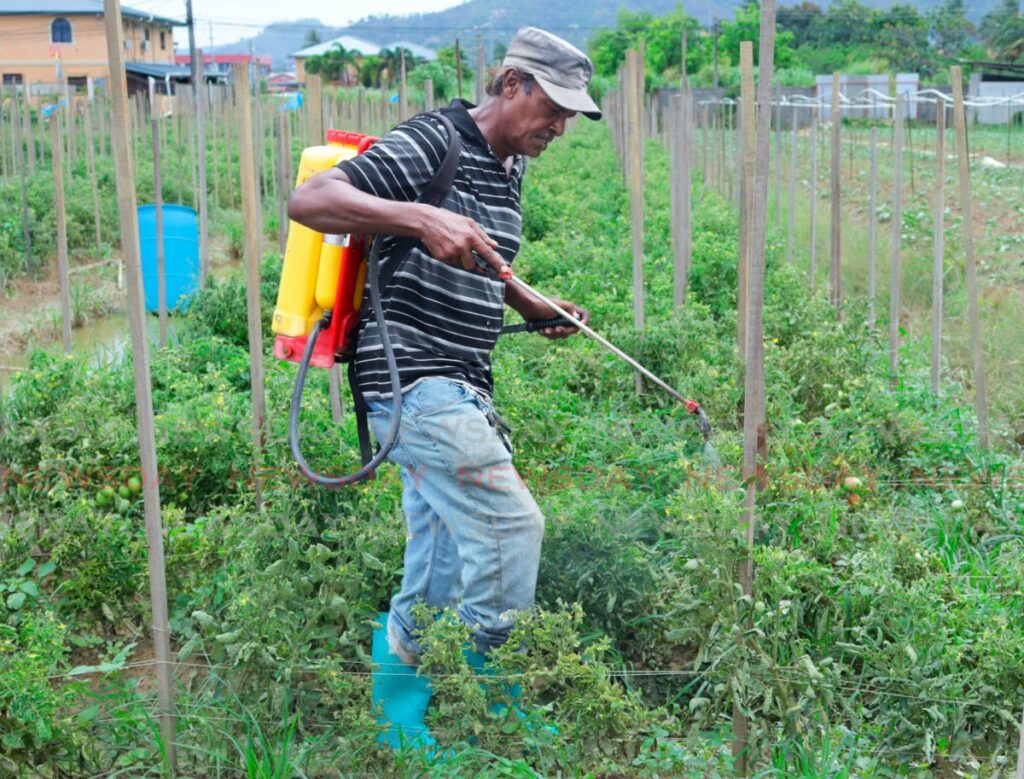
Agri Society: Expand incentives, no more ‘talk shop’
The Trinidad and Tobago agriculture sector is cautiously optimistic about the promises outlined in the 2025/2026 national budget, presented by Finance Minister Davendranath Tancoo on October 13. With a total expenditure of $59.232 billion, the agriculture sector is set to receive $1.13 billion, a slight decrease from the previous year’s allocation of $1.184 billion. However, stakeholders are urging the government to move beyond rhetoric and deliver tangible results. Darryl Rampersad, president of the Agriculture Society, expressed skepticism, noting that past government pledges often failed to materialize. He emphasized the need for agriculture to be prioritized and for existing incentive programs to be expanded, including the removal of VAT on essential agricultural items. Minister Tancoo announced several measures aimed at revitalizing the sector, including VAT exemptions on machinery and equipment for agricultural use, hydroponic and greenhouse farming components, and locally grown produce. Additionally, Customs Duty on feed for poultry, cattle, and pigs will be removed starting January 1, 2026. The government is also aligning with Caricom’s ’25 by 2025′ initiative, aiming to reduce food imports by 25% by 2030. Key strategies include a three-year priority commodities program, climate-resilient farming, crop insurance, and investments in agri-tech and smart agriculture. With $793.7 million allocated for infrastructure, irrigation, and fisheries, the government is targeting $1 billion in agricultural exports in the next fiscal year.
-

PNM hits ‘unrealistic,’ ‘fake,’ ‘fraudulent’ budget
The 2025-2026 national budget, presented by Finance Minister Davendranath Tancoo, has been met with fierce criticism from the opposition People’s National Movement (PNM), who labeled it as ‘fake and fraudulent.’ Central to the controversy is the government’s decision to peg the budget to an oil price of US$73.25 per barrel and a natural gas price of US$4.35 per mmbtu, figures that have been deemed unrealistic by critics. Current market prices for WTI crude and Brent crude stand at approximately US$60 and US$63.50 per barrel, respectively, while natural gas is priced at US$3.09 per mmbtu. Former Finance Minister Colm Imbert accused the government of deliberately inflating revenue estimates to access funds from the Heritage and Stabilisation Fund (HSF), a claim Prime Minister Kamla Persad-Bissessar vehemently denied. Opposition Leader Pennelope Beckles criticized the budget for ‘giving with one hand and taking away with the other,’ citing increased taxes and insufficient measures to stimulate the economy. Former Energy Minister Stuart Young echoed these concerns, warning that higher electricity rates and taxes would ultimately burden citizens. The opposition also accused the government of neglecting critical issues such as crime and education, with Port of Spain East MP Keith Scotland questioning the logic behind policies aimed at increasing revenue through traffic fines. Despite the backlash, Tancoo defended the budget, asserting that the figures were realistic and based on a ‘basket price’ approach rather than individual crude benchmarks.
-
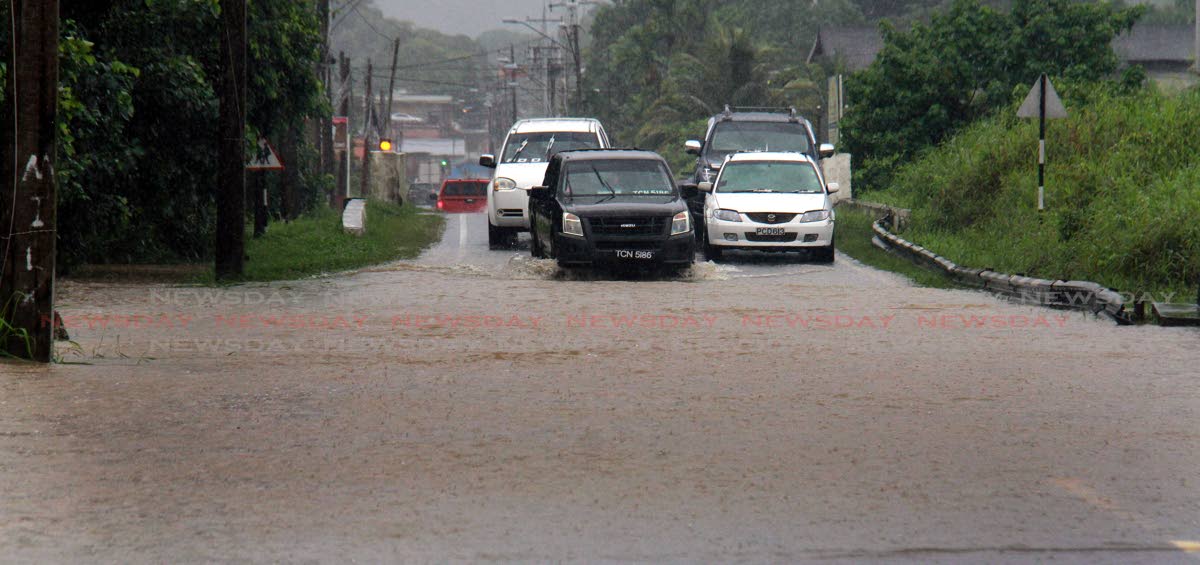
Flash flooding in south, central Trinidad
Heavy rainfall on the afternoon of October 13 led to sudden flash floods in multiple regions of central and south Trinidad, prompting urgent warnings from disaster management authorities. The Office of Disaster Preparedness and Management (ODPM) issued a 4 pm update, highlighting significant flooding in the Couva/Tabaquite/Talparo and Princes Town municipalities. In the central area, residential flooding was reported along Hermitage Road in Claxton Bay, while Pine Avenue in Fairview Park, Freeport, and Macaulay Trace Junction faced street flooding. In Princes Town, Guaracara Tabaquite Road near the Williamsville Community Centre and Piparo Junction were also affected. Fortunately, no property damage was reported. The ODPM urged residents in flood-prone zones to secure household items, relocate vehicles to higher ground, and avoid walking or driving through floodwaters to ensure safety.
-

New board appointed to TATT
The Ministry of Public Administration and Artificial Intelligence has officially inaugurated a new board of directors for the Telecommunications Authority of Trinidad and Tobago (TATT). The installation ceremony, held on October 10 in Port of Spain, marked a significant step in advancing the nation’s telecommunications and broadcasting sectors. The newly appointed board is led by Chairman Chris Seecharanm and Deputy Chairman Jerome Khan, alongside members Mentor Baptiste, Dr. Justin Koo, Avanti Supersad, Russel Romero, Suresh Boodoo, Dion Khan, and Danielle Pounder. Each member brings extensive expertise in telecommunications, law, entrepreneurship, and education, ensuring a diverse and capable leadership team. Minister Dominic Smith emphasized TATT’s critical role in ensuring equitable access to technological advancements for all citizens. He urged the board to focus on core regulatory functions, leverage artificial intelligence to enhance operations, and prioritize empathy in addressing citizens’ challenges. Drawing inspiration from Steve Jobs’ ‘signal versus noise’ theory, Smith encouraged the board to dedicate 80% of their efforts to purposeful execution while fostering innovation and agility. He stressed that technology must serve humanity, aligning with the government’s commitment to people-centered progress. TATT, as an independent regulatory body, is tasked with managing spectrum and numbering resources, setting service standards, promoting sector liberalization, and fostering investment to ensure nationwide access to reliable and affordable communications services. The ministry expressed confidence that the new board will uphold transparency, fairness, and excellence, driving innovation and sustainable growth in a sector vital to Trinidad and Tobago’s national development.
-

Tancoo: New board will revamp CAL
In a significant move to address long-standing financial mismanagement, Caribbean Airlines (CAL) has appointed a new board of directors tasked with rectifying what Finance Minister Davendranath Tancoo described as ‘criminal negligence’ under the previous administration. During the 2025/2026 budget presentation in Parliament on October 13, Tancoo revealed that CAL had spent over $60 million on audits conducted by Ernst & Young and PriceWaterhouseCoopers (PwC) but failed to submit audited financial statements for nearly a decade. Despite this lack of transparency, the former finance minister repeatedly approved funding for CAL between 2017 and 2025 to cover operational pressures. Tancoo condemned this as a failure of governance, stating that the airline had descended into inefficiency and fiscal indiscipline. The new board, appointed by the Ministry of Finance, is expected to implement stringent measures to restore accountability and modernize governance standards. This includes updating the outdated State Enterprise Performance Monitoring Manual to align with international best practices in corporate governance, transparency, and fiscal responsibility. The leadership transition also saw the immediate resignation of CEO Garvin Medera, who was replaced by Chief Operating Officer Nirmala Ramai. Medera expressed gratitude to employees, partners, and customers for their support during his tenure. Under Ramai’s leadership, CAL will focus on five key initiatives: enhancing employee and stakeholder communication, improving operational efficiency, elevating customer experience, developing a sustainable growth plan, and conducting comprehensive audits to strengthen governance and accountability. The airline remains committed to its full schedule and aims to prioritize internal talent development for career advancement opportunities.
-
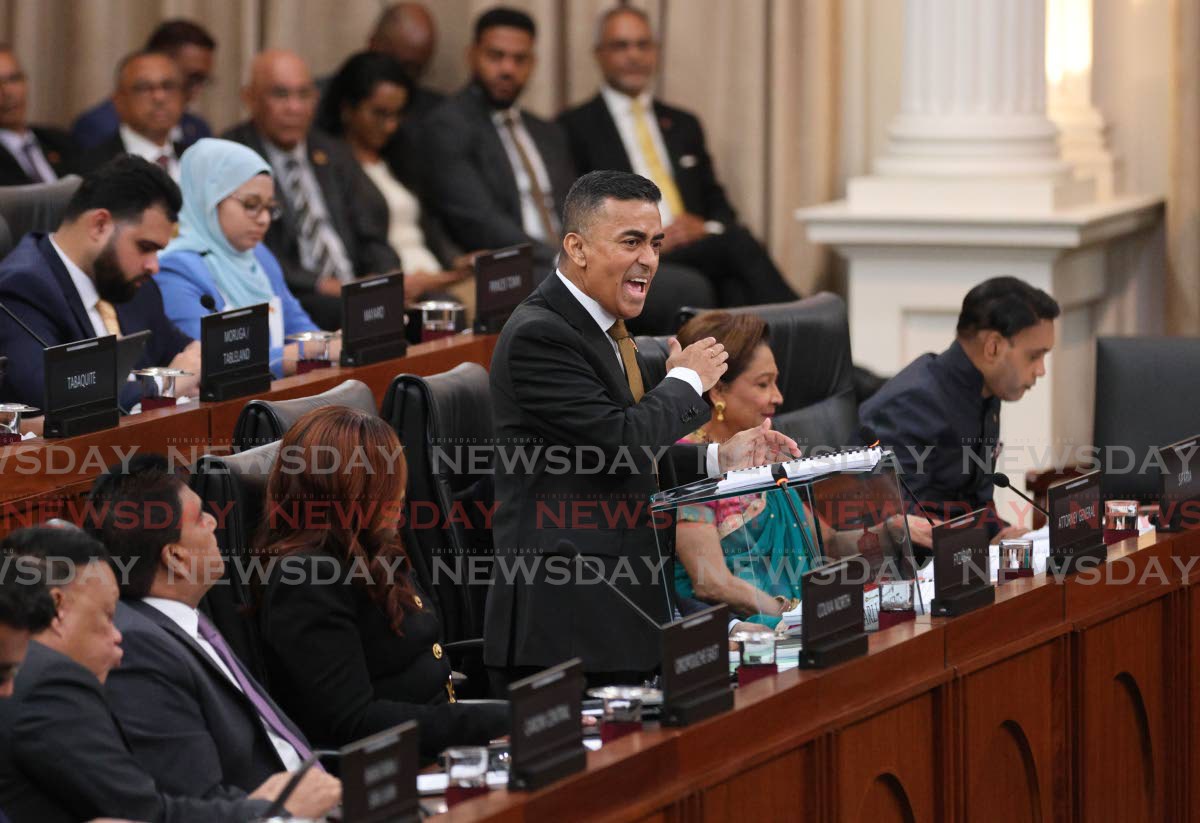
Tancoo’s ‘give & take’ budget
The United National Congress (UNC) government, led by Finance Minister Davendranath Tancoo, presented its inaugural national budget for 2025-2026, striking a balance between relief measures and revenue-generating policies. The budget, delivered in the House of Representatives on October 13, 2025, was framed as a ‘give and take’ fiscal package aimed at fulfilling election promises while addressing economic challenges. Key highlights include a $1 per litre reduction in super gasoline prices, a 10% wage increase for public servants, and the removal of VAT on essential food items—measures designed to ease the financial burden on citizens. However, the government also introduced new levies, such as increased customs duties on alcohol and tobacco, a 3% hike in National Insurance System (NIS) contributions, and a landlord surcharge, targeting big businesses and commercial entities. Tancoo emphasized that the budget reflects the UNC’s commitment to ‘putting the people of Trinidad and Tobago first,’ with a projected expenditure of $59.232 billion and revenue of $55.367 billion, resulting in a $3.865 billion deficit. The budget also allocated significant funds to Tobago ($3.724 billion) and prioritized sectors like education ($8.766 billion), health ($8.214 billion), and national security ($6.366 billion). Additionally, Prime Minister Kamla Persad-Bissessar will oversee a newly established Financial Oversight & Appropriations Committee (FOAC) to ensure transparent management of state resources. The budget debate is set to begin on October 17, with Opposition Leader Pennelope Beckles expected to respond.
-
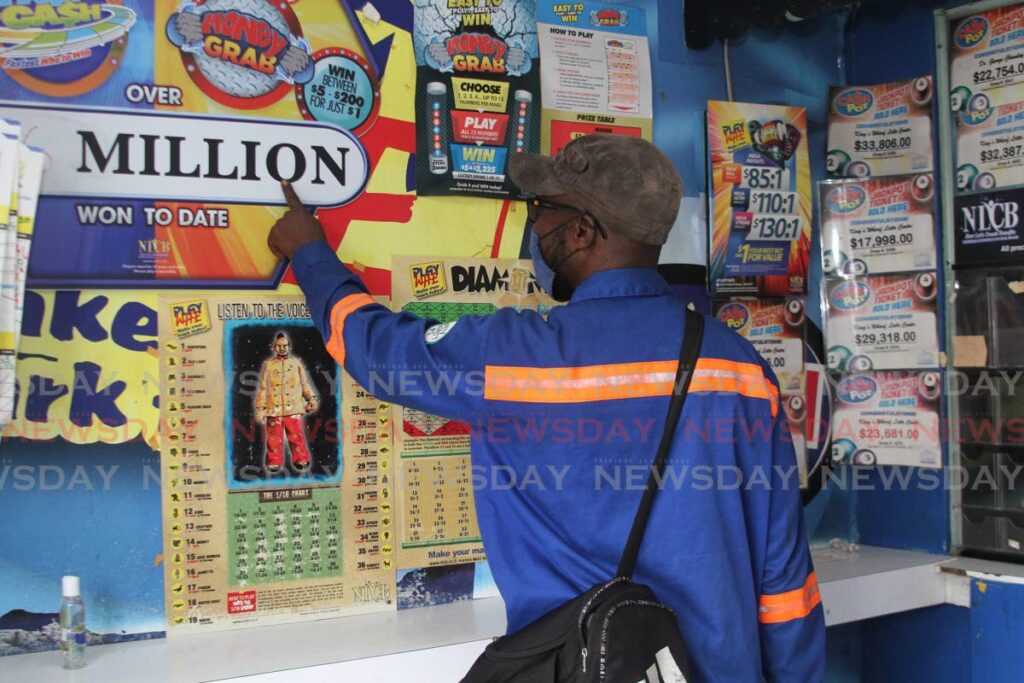
Gambling commission: Crackdown on illegal operators will level playing field
In a significant move to combat illegal gambling and strengthen regulatory oversight, the Gambling (Gaming and Betting) Control Commission has proposed amendments to the Gambling and Betting Act. Corporate Communications Manager Shahad Ali emphasized that these changes, which include harsher penalties for illegal operators, aim to create a fairer playing field for licensed businesses and foster sustainable industry growth. Ali highlighted that the reforms prioritize responsible gaming practices and the protection of vulnerable groups, aligning with public expectations and regulatory mandates. Finance Minister Davendranath Tancoo, during his 2025/2026 budget presentation, underscored the financial toll of illegal gambling, estimating a $9 billion illegal market that deprives the state of significant tax revenue and fuels criminal activities like money laundering and human trafficking. To address this, the amendments introduce penalties of up to $3 million and seven years’ imprisonment for illegal operators. Additionally, the National Lotteries Control Board (NLCB) will now make quarterly payments into the Consolidated Fund to enhance revenue oversight. These measures are part of a broader fiscal strategy to improve compliance and boost state revenue collection.
-

Health sector gets $8.214m budget allocation
The 2023/2024 national budget has earmarked a historic $8.214 billion for the health sector, marking the largest allocation in recent years. While this figure falls slightly behind the $8.766 billion allocated to education and training, it represents a significant increase from the previous year’s $7.409 billion. Finance Minister Davendranath Tancoo detailed the allocation during his budget presentation on October 13, highlighting key investments such as $35 million for refurbishment, $45 million for facility upgrades, $60 million for critical medical equipment, $20 million for cardiac care, $100 million for dialysis, and $10 million for orthopedic and eye surgeries. Notably, the Couva Medical and Multi-Training Facility will be repurposed as the Couva Children’s Hospital, with rehabilitation efforts supported by a Memorandum of Understanding with the United Arab Emirates. Additionally, the San Fernando Hospital will receive a new catheterization lab, the Port of Spain central block is set to become operational by March 2026, and the Sangre Grande Hospital will be commissioned this year. Thirty-seven clinics will also be equipped with new dental service tools. Minister Tancoo emphasized the government’s commitment to reducing wait times for life-saving procedures, stating, ‘Faster care saves lives.’ The digitization of the National Health Management Information System is progressing, with plans to introduce a secure Health ID, a Medical Malpractice Court, a No Fault Compensation Fund, and a revised Patients’ Charter. However, critics like Dr. Neil Singh, former president of the Medical Board, labeled the budget as ‘window dressing,’ arguing that it prioritizes tertiary care over primary and secondary healthcare needs. Singh highlighted systemic issues such as outdated medications, insufficient facilities, and long wait times for surgeries. He also criticized the focus on dialysis, suggesting that better primary healthcare could reduce the need for such treatments. The TT National Nursing Association president, Idi Stuart, welcomed initiatives like the Medical Malpractice Court but expressed concerns over the lack of timelines and implementation details. Stuart urged the government to address critical issues such as patient-to-nurse ratios and the establishment of a National Health Insurance System.
-
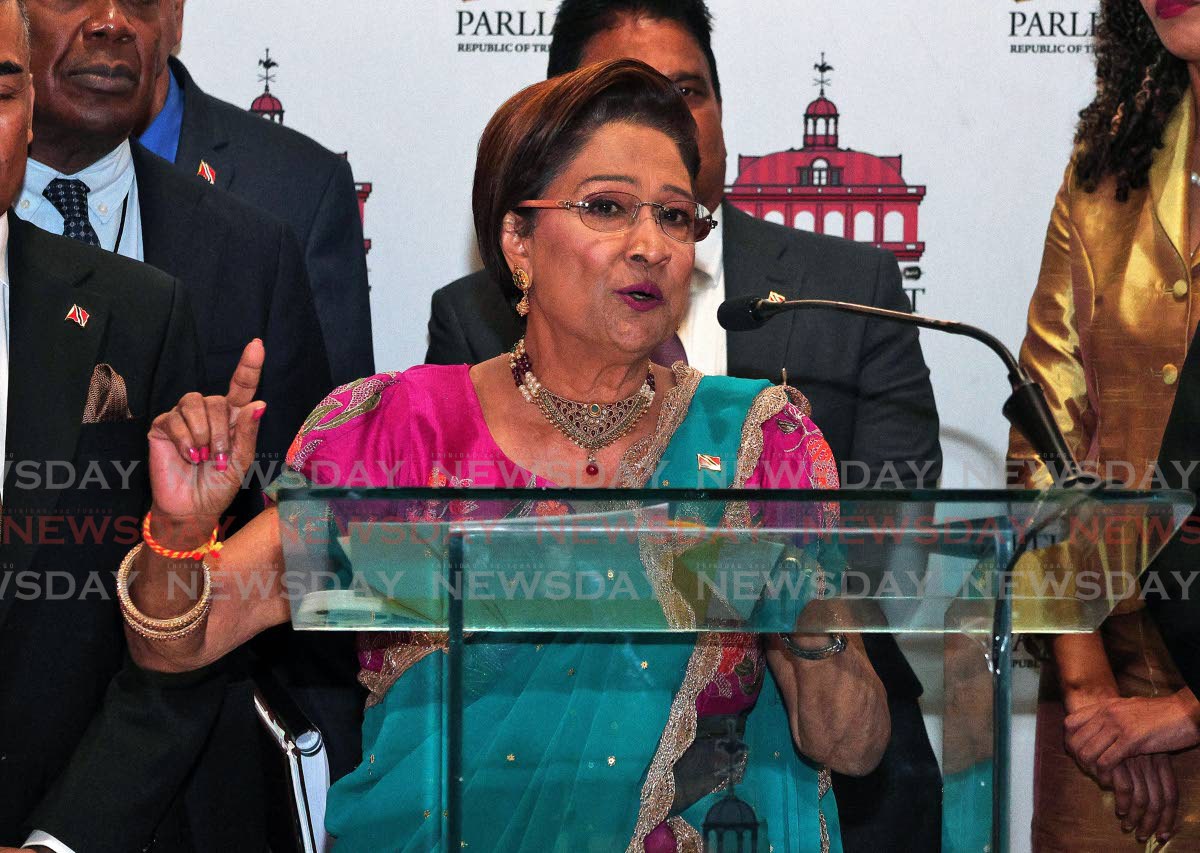
PM on UNC government’s first budget – ‘All about fairness and equality’
Prime Minister Kamla Persad-Bissessar emphasized fairness and equality as the cornerstone of her UNC government’s 2025-2026 budget during a press briefing at the Red House rotunda on October 13. The fiscal package, presented by Finance Minister Davendranath Tancoo, introduced several measures aimed at rebalancing economic disparities and ensuring accountability. Among the key announcements was a 0.25% levy on the assets of banks and insurance companies, alongside a landlord business surcharge targeting undeclared rental properties. Persad-Bissessar clarified that the surcharge was not a property tax but a mechanism to protect both landlords and tenants while boosting public revenue. She also highlighted a reduction in the price of super gasoline by $1 per liter, which she estimated would save consumers $500,000 annually. Additionally, the removal of VAT on agricultural inputs was framed as a move to empower farmers. The Prime Minister contrasted her government’s $3 billion budget deficit with the former PNM administration’s $16-$18 billion deficits over a decade, attributing the improvement to diligent management. Other measures included a 3% increase in National Insurance Scheme (NIS) contributions, expected to raise the National Insurance Board’s annual collections by 23%. Persad-Bissessar also addressed the dire state of the NIS, warning that without immediate action, funds for pensions and benefits would soon be depleted. She praised Tancoo’s allocation of $2.96 billion for the Tobago House of Assembly’s development plan, which represents 5% of the national budget, and an additional $763 million through various ministries, bringing Tobago’s total allocation to $3.7 billion. In response to a reporter’s question, the PM identified 8,000 public sector vacancies, promising better job opportunities.