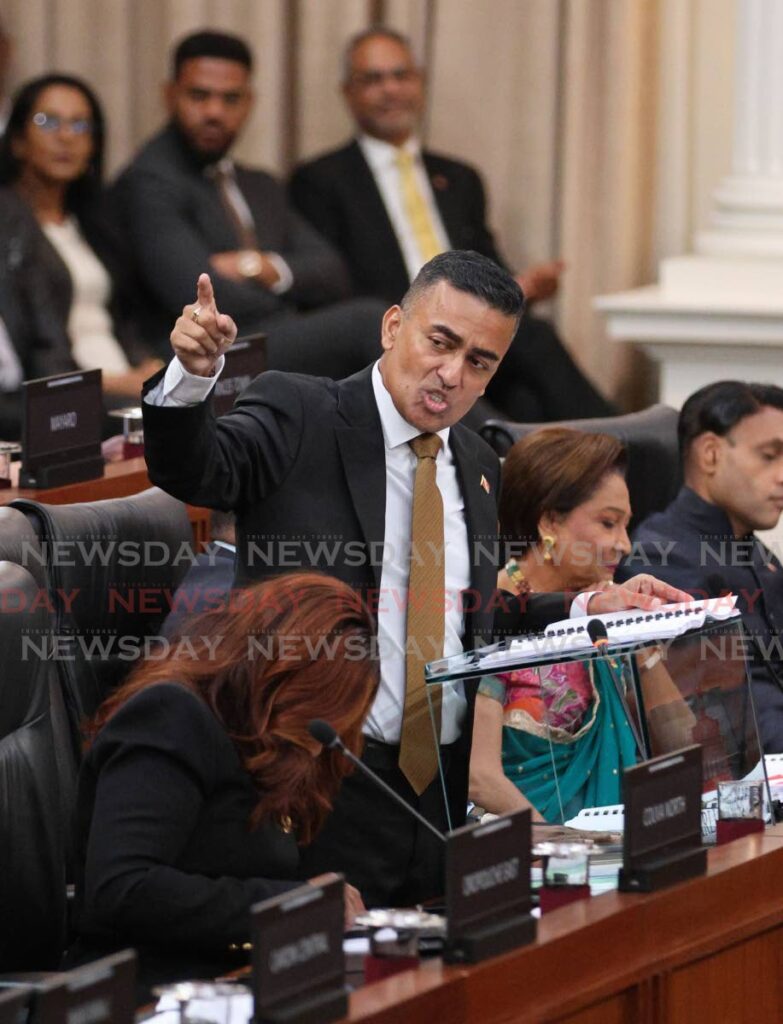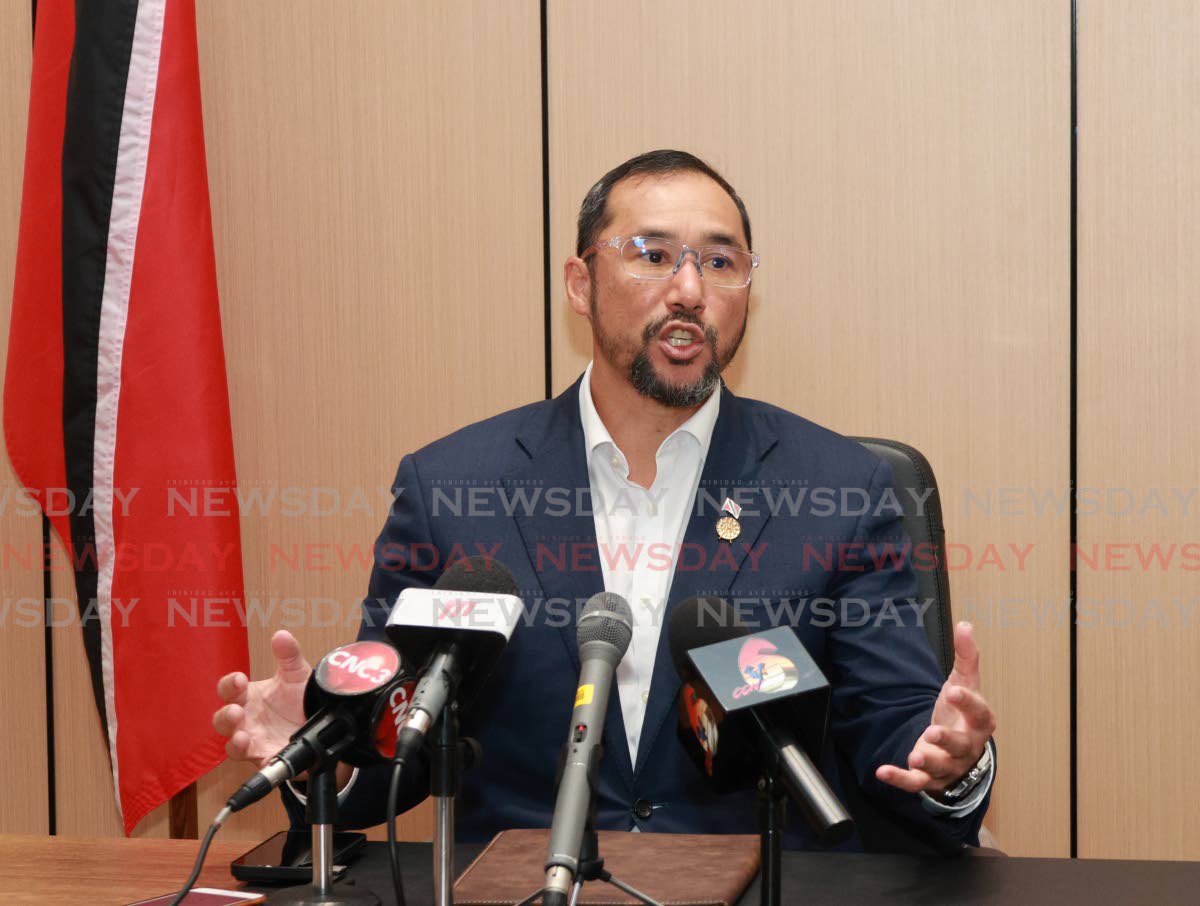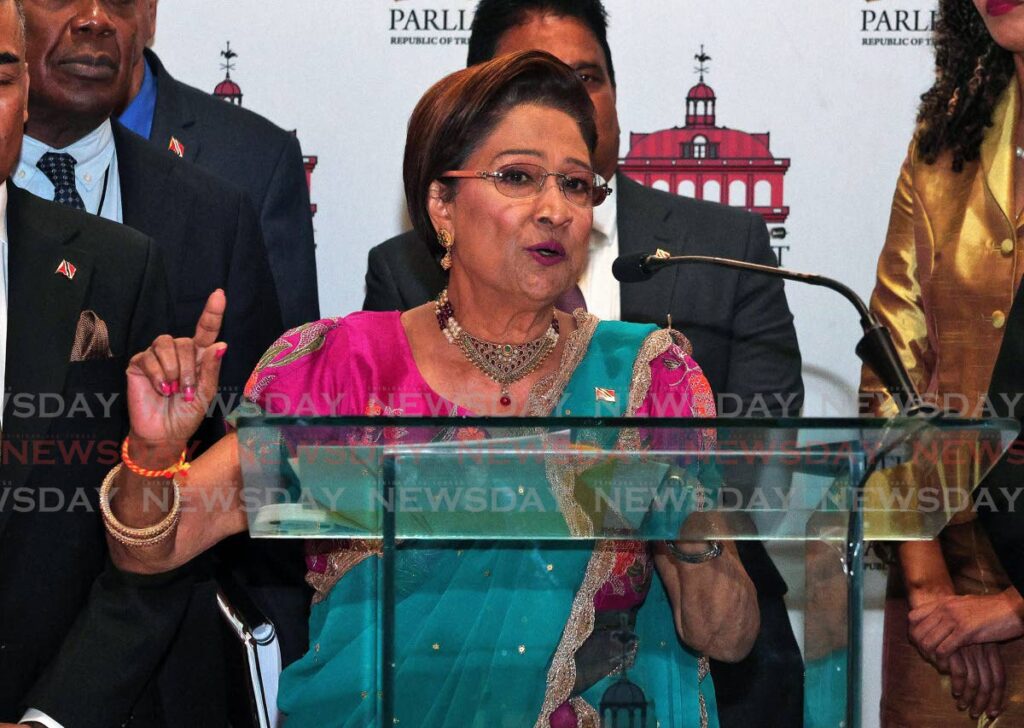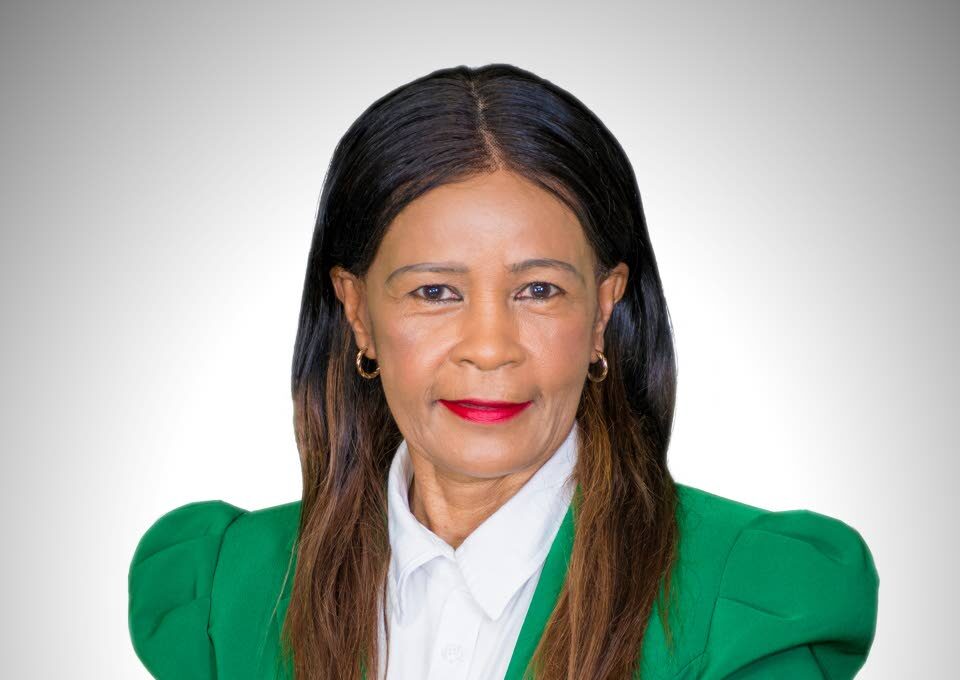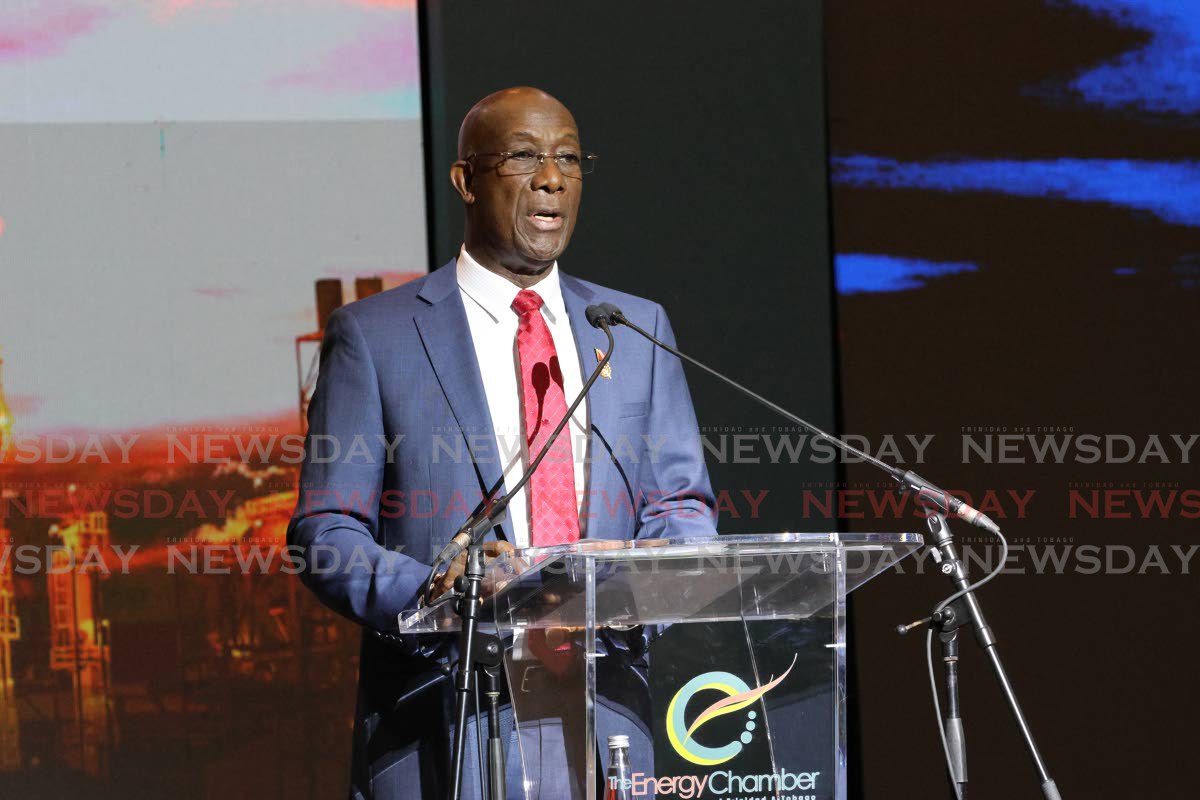
A recent proposal by Homeland Security Minister Roger Alexander to try child offenders as adults has ignited widespread concern and criticism. The suggestion, described as regressive and potentially discriminatory, threatens to undo decades of progress in juvenile justice reform. Critics argue that such a policy would disproportionately impact marginalized communities, particularly Afro-Trinidadian youth, and exacerbate cycles of inequality. The international consensus on juvenile justice emphasizes rehabilitation over retribution, grounded in developmental science and human rights principles. Children, lacking the cognitive maturity of adults, require systems that foster growth and reintegration rather than punitive measures. The minister’s proposal risks reinforcing harmful stereotypes and dehumanizing vulnerable youth, portraying them as inherently criminal rather than products of systemic social challenges. Experts warn that harsher penalties will not address the root causes of youth crime, such as poverty, family instability, and limited access to education and mental health services. Instead, they advocate for investments in education, mentorship programs, and community-based rehabilitation to provide young offenders with opportunities for reform. True leadership, they argue, demands a balanced approach that prioritizes fairness, compassion, and long-term societal well-being over punitive measures.
标签: Trinidad and Tobago
特立尼达和多巴哥
-

Teachers attend convention on October 10
Commuters in Trinidad and Tobago can look forward to smoother travel on October 10, 2025, as schools across the nation will be closed to accommodate the National Teachers Convention. The announcement was confirmed by Martin Lum Kin, President of the Trinidad and Tobago Unified Teachers’ Association (TTUTA), in a WhatsApp message to Newsday on October 9. Lum Kin emphasized that teachers would be actively participating in professional discussions at various district and branch meetings organized by TTUTA. Additionally, a formal letter from the Division of Education, Research and Technology to Kady Beckles, TTUTA’s Tobago Office General Secretary, granted approval for all teachers to take time off from 8 am to 2 pm on the same day to attend the convention. This decision underscores the importance of professional development for educators while providing a temporary reprieve for daily commuters.
-

Ex-Point Fortin mayor: Divided TT must unite on stand-your-ground law
Former Point Fortin Mayor Abdon Mason has issued a compelling call for all 41 Members of Parliament (MPs) in Trinidad and Tobago to set aside partisan differences and collaborate on the proposed stand-your-ground legislation. Speaking at a public consultation held at the Point Fortin Borough Corporation on October 7, Mason emphasized the importance of prioritizing national interests over political affiliations. While he expressed gratitude to Point Fortin MP Ernesto Kesar for organizing the session, Mason refrained from outright endorsing the bill, stating, ‘I would support any legislation which aims to protect the citizens of Trinidad and Tobago.’ Mason highlighted the nation’s growing divide between ‘the fearless and the fearful,’ placing himself in the latter category as a father concerned for his children’s safety. He also lamented the polarization between political factions and ethnic groups, urging unity and mutual respect. Recalling a dramatic demonstration by Minister of National Security Roger Alexander, Mason underscored the urgency of addressing home invasion fears. He appealed to MPs to transcend political noise and focus on the legislation’s potential benefits for the population, emphasizing the need for progress beyond electoral disappointments. Mason concluded, ‘Let us leave the pettiness aside and look at the true value of the legislation and its benefit to the population.’
-

Yuh Doh Leave Fowl to Watch Corn! returns to Cipriani College
RS/RR Productions’ acclaimed play, *Yuh Doh Leave Fowl to Watch Corn!*, is set to make a triumphant return to Cipriani College for two performances on October 11 and 12. This production continues the company’s tradition of delivering engaging and humorous theatrical experiences, following the success of previous hits like *Married and Mischievous* and *Love Is Ah Wuk*. The play explores the chaos that ensues when trust is misplaced, as a seemingly ordinary day descends into a series of hilarious mishaps. With a stellar cast including Richard Ragoobarsingh, Leslie Ann Lavine, Zo Mari Tanker, Kala Neehall, Benita Wilson, and the comedic standout Andrew Friday, the production is directed by Debra Boucaud Mason and Ragoobarsingh. Tickets are available at the Cipriani College box office from 12 pm to 6 pm or online, with showtimes at 8:30 pm on October 11 and 6:30 pm on October 12. For further details, contact 481-2185, 338-6024, or 744-7581.
-

Coast Guard captain Don Polo takes charge — Defence Force shake-up
In a significant leadership transition, Captain Don Polo, the Commanding Officer of the Coast Guard, has been appointed as the new Chief of Defence Staff (CDS) of the Trinidad and Tobago Defence Force (TTDF). This decision, advised by the government to President Christine Kangaloo, marks a pivotal shift in the nation’s military hierarchy. The appointment comes amidst a state of emergency and escalating military tensions in the Caribbean region, particularly between US forces and Venezuela. Captain Polo’s predecessor, Air Vice Marshal Darryl Daniel, whose contract was set to expire in March 2026, was relieved of his duties. The Ministry of Defence confirmed that the decision to replace Daniel was made after thorough deliberations, ensuring it would not disrupt the operational effectiveness of the TTDF. Captain Polo, described as a leader with a wealth of experience and unwavering dedication to maritime security, has been praised for his commitment to national sovereignty. His promotion, however, has raised eyebrows within military circles, as it bypasses several senior officers. The Defence Force, one of the largest in the English-speaking Caribbean, plays a critical role in national security, community development, and international objectives. This leadership change underscores the government’s focus on addressing internal challenges and enhancing the Defence Force’s capabilities in a volatile geopolitical landscape.
-

Why no celebration of drop in murders?
In a remarkable turn of events, the country has witnessed a dramatic decline in violent crimes, particularly murders, under the new government and leadership of Commissioner of Police Allister Guevarro. As of October 1, the murder toll has plummeted to 270, a stark contrast to the 474 recorded on the same date last year. This represents a 43% reduction, a figure that underscores the effectiveness of recent law enforcement strategies.
-

Stability not optional for Trinidad and Tobago
As Trinidad and Tobago (TT) prepares for the 2025-2026 national budget presentation on October 13, the nation stands at a critical juncture. Finance Minister Davendranath Tancoo faces the daunting task of addressing deep-rooted economic challenges that have plagued the country for years. Persistent issues such as low national savings, fragile foreign exchange reserves, stagnant productivity, and institutional inefficiencies have hindered growth and competitiveness. The upcoming budget must transcend the incremental adjustments of the past and deliver a decisive policy reset to restore economic stability and resilience.
Global uncertainties, including energy market volatility, rising US interest rates, and geopolitical risks, compound TT’s domestic pressures. Chronic fiscal deficits, an unstable foreign exchange market, and eroding buffers have weakened confidence in the economy. On the real economy front, weak productivity growth, distorted wages, and sluggish non-energy investment further exacerbate the situation. Policy measures often clash rather than complement each other, creating a cycle of inefficiency and diminishing credibility.
Drawing lessons from successful economies like the Gulf states and the Asian tigers, TT must prioritize long-term strategies over short-term fixes. These nations leveraged energy windfalls and mobilized savings to build robust sovereign wealth funds, reduce dependency on rents, and drive efficiency. In contrast, TT has seen low savings, inefficient public projects, and hesitant private investment. The lack of institutional adaptability has further hindered coherent policy design.
The 2025-2026 budget must focus on four key priorities: external stability, national savings mobilization, capital efficiency, and institutional reinforcement. A transparent and credible foreign exchange regime, robust savings frameworks, smarter public investment, and strengthened institutions are essential for sustainable growth. The budget should balance short-term stabilization with long-term reforms, demonstrating a clear trajectory for citizens, investors, and international partners.
This budget is not just a fiscal exercise; it is a moment for leadership. TT must move beyond improvisation and chart a durable course anchored in savings, efficiency, and credibility. The government’s choice is clear: continue with patchwork measures and risk decline, or seize this opportunity to transform the economic model and secure a stable future.
-

Budget for homeless, hungry
On July 1, Newsday published an article titled “Homeless man killed near Grand Bazaar,” highlighting the tragic death of an unidentified man in a hit-and-run accident on June 29. This incident, though overlooked by many media outlets, underscores the plight of the homeless, who often remain invisible to society. These individuals, resilient yet vulnerable, are frequently seen sleeping on sidewalks, scavenging for food, and begging for money. Despite past and future budget allocations aimed at addressing homelessness and hunger, the impact remains minimal, as funds often fail to reach those in need. In contrast, the Jubilee Memorial Presbyterian Church in Caroni has taken a proactive approach through its Feed the Need initiative. Every Sunday for over six years, the church prepares and distributes 130 meals to the homeless, funded not by the church’s coffers but by its members and even non-Presbyterians. This program, inspired by the teachings of Jesus Christ, serves as a model of volunteerism and compassion. The initiative not only provides sustenance but also fosters a sense of community and hope among the recipients. The author, witnessing this effort, reflects on the broader issue of hunger in the country and the Caribbean, questioning who will feed the hungry on the other six days of the week. The church’s dedication to alleviating poverty through direct action challenges the notion that religious institutions are stagnant or irrelevant. Instead, it demonstrates how faith can translate into tangible support for the destitute, emphasizing that helping the poor should be a fundamental human desire, not just a religious duty.
-

Light The Way
In a world increasingly burdened by challenges, it is easy to feel overwhelmed. Yet, it is crucial to hold onto hope and extend a helping hand to one another. Renuka Ria Maraj, in her heartfelt letter to the editor, shares a poignant poem that serves as a beacon of light amidst the darkness. Her words remind us of the power of kindness, goodwill, and unity in addressing the world’s pressing issues. Maraj’s poem emphasizes the importance of being ‘salves’ in a ‘world of bruises,’ urging us to restore common courtesy and champion peace and righteousness. She highlights the marginalization of vulnerable voices and the unchecked dominance of big business, which often prioritizes profit over planetary well-being. Maraj’s message is clear: silence in the face of injustice leads to chaos, and it is our collective responsibility to speak out and act before it is too late. Her poetic plea resonates as a call to action, encouraging individuals to become ambassadors of hope and agents of positive change.
-

Tornado terror
A devastating tornado struck northwest Trinidad on October 7, causing widespread damage in Westmoorings, ripping off roofs, and leaving hundreds without power. The incident, captured on phone cameras, triggered panic and traffic chaos, though fortunately, no injuries were reported. The tornado’s formation was linked to soaring temperatures and shifting air columns, as predicted by the Met Service earlier in the month. This natural disaster occurred just days after Prime Minister Kamla Persad-Bissessar’s controversial speech at the United Nations General Assembly, where she criticized global climate change efforts as “blackmail” by developed countries and accused activists of an “antagonistic approach.” Her remarks, which also praised climate-sceptic Donald Trump, marked a stark departure from her predecessor’s pragmatic stance on environmental issues. The tornado has reignited debates over Trinidad and Tobago’s climate policies, particularly in light of the government’s continued reliance on hydrocarbon extraction. While the ruling UNC and opposition PNM spar over funding for the Met Service, the incident underscores the urgent need for a comprehensive environmental policy reset. Finance Minister Davendranath Tancoo’s upcoming budget presents an opportunity for the administration to prioritize diversification and reduce dependence on fossil fuels, as the country faces increasingly unpredictable weather patterns.