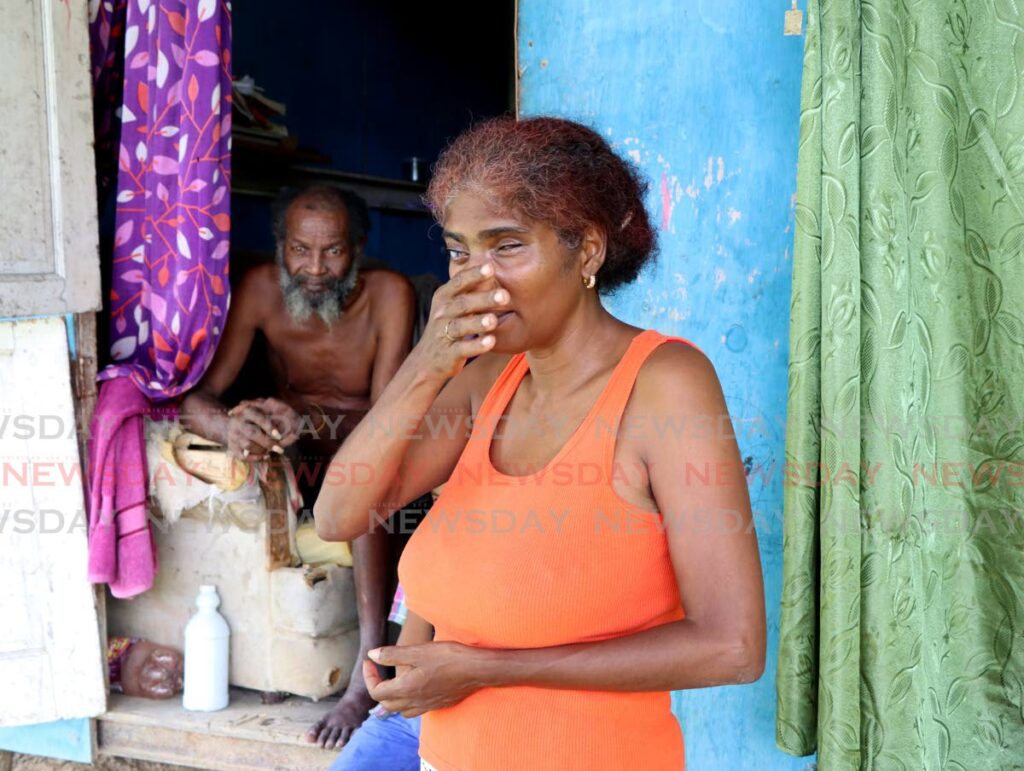
A tragic shooting in Brasso Village, central Trinidad, has left a family in mourning and a community in shock. On October 15, 20-year-old construction worker Christopher Ricardo “Ricky” Joseph was killed when gunmen opened fire at a house along Caparo Valley Brasso Road. His brother, Colly Joseph, 23, and two teenagers, Jerryl Ganness, 15, and Darias Shadrack, 16, were also injured in the attack. The incident occurred around 2 am inside an unfinished wooden structure on the compound of Darias’s relatives. Villagers reported hearing gunshots and later discovered Christopher’s body with multiple bullet wounds. The wounded were initially taken to the Chaguanas Health Centre before being transferred to Mt Hope Hospital. Christopher’s mother, Marsha Joseph, 45, who is visually impaired, recounted her last conversation with her son, who had called to express his love for her just hours before his death. She described Ricky as a reserved individual who, despite his interest in gangster music, was not involved in criminal activities. The family has faced tragedy before, with Marsha’s uncle, Rajindra “Syo” Ramcharan, 33, being shot and killed in February. Christopher’s father, Smith Joseph, 65, who suffered a stroke in 2020 and had a leg amputated, urged the police to fully commit to solving all crimes. The family is now seeking justice for Christopher’s death and his brother’s shooting, expressing their faith in divine justice if the legal system fails. The shooting is believed to be drug-related, and police investigations are ongoing. This incident adds to the growing concern over the rising crime rate in Trinidad, with 299 murders recorded so far this year, including more than two dozen in the past two weeks. Despite the ongoing state of emergency, the monthly murder toll for October has surpassed last year’s figures, highlighting the urgent need for effective crime control measures.
标签: Trinidad and Tobago
特立尼达和多巴哥
-

AI can help tackle crime
Artificial intelligence (AI) holds immense promise in transforming crime prevention, offering tools like predictive policing and enhanced detection of illicit activities. Yet, the high costs associated with developing and implementing such technologies, particularly in smaller economies like Trinidad and Tobago (TT), raise critical concerns about affordability, transparency, and the potential for misuse or overreach. The debate centers on whether the benefits of AI can truly outweigh these risks.
Meanwhile, the COVID-19 pandemic has been exploited by various sectors, including food, freight, and utilities, as a pretext for unjustified price hikes. These opaque practices, designed to manipulate public perception, mirror tactics reminiscent of former US President Donald Trump’s dismissal of climate change as a ‘con job.’ Such economic manipulation erodes purchasing power and exacerbates financial strain on individuals and families.
On the environmental front, a glaring inconsistency persists. While some global leaders champion green energy initiatives, major economies like China, Iran, Russia, and Iraq continue to rely heavily on coal and fossil fuels, perpetuating the climate crisis. This dichotomy highlights the intricate interplay between economic interests and environmental sustainability in global energy politics.
Ultimately, whether addressing AI, economic exploitation, or climate policy, the need for transparency, responsible leadership, and strategic planning is paramount. Misinformation and distractions only hinder progress, benefiting a select few while burdening the majority. The call for clarity and genuine action has never been more urgent.
Gordon Laughlin, via e-mail
-
Howai heads delegation at World Bank, IMF meeting
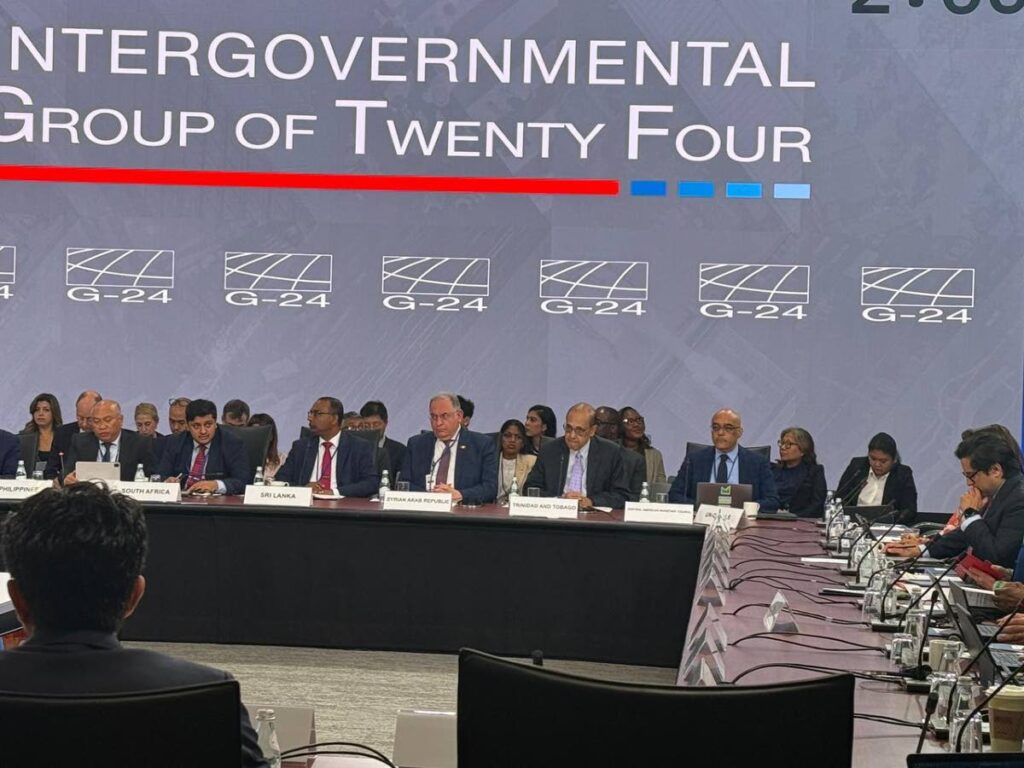
Central Bank Governor Larry Howai is currently in Washington, DC, participating in the 2025 annual meetings of the World Bank Group, the International Monetary Fund (IMF), and the Inter-Governmental Group of Twenty Four on International Monetary Affairs and Development (G-24). The meetings, which span from October 13 to 18, bring together global financial leaders to discuss pressing economic issues. Howai is leading the Trinidad and Tobago (TT) delegation, which includes key figures such as Delvin Cox, advisor to the executive director of the World Bank Group; Kimberly Roberts, TT’s IMF representative; Zarah Mohammed, manager of debt management; and Stephanie Toolsie, assistant manager of debt management at the Ministry of Finance. During his address to the G-24 group on October 14, Howai emphasized the urgent need for international cooperation to eliminate tariff and non-tariff barriers that hinder trade and disproportionately impact developing economies. He stressed that restoring confidence in a fair and transparent multilateral trading system is crucial for revitalizing global demand, encouraging investment, and supporting economic diversification across all regions.
-

A win against period poverty
The 2025 Budget marks a historic milestone by addressing period poverty, a critical issue framed by global and local feminist activism as a matter of public health, human rights, and gender equity. Finance Minister Davendranath Tancoo highlighted the detrimental impact of period poverty on health and education, particularly for those unable to afford menstrual hygiene products. St Lucia has already taken proactive steps by allocating US$250,000 to support students in need. In response, the finance minister proposed a Women’s Health Fund with an initial $5 million, aimed at launching a pilot program to distribute free menstrual kits in educational institutions and provide menstrual health education to various groups, including men and boys, to foster inclusivity and dismantle stigma. The fund also seeks to address the broader spectrum of menstrual health needs, such as access to clean water, sanitation facilities, and privacy. This initiative builds on previous efforts, such as the removal of VAT on menstrual products in 2001, which recognized these items as basic necessities. The budget also emphasizes the importance of comprehensive sexuality education in schools to empower adolescents with knowledge about their bodies and reproductive health. Organizations like Feminitt and Crown Her TT have been instrumental in advocating for menstrual equity, recommending measures such as a ‘period card’ and increased research on menstrual inequity. The 2025 Budget represents a significant win for people who menstruate, particularly girls and women, and underscores the importance of youth-led activism in shaping state policies.
-
Banks, insurance companies await details of new tax/levy
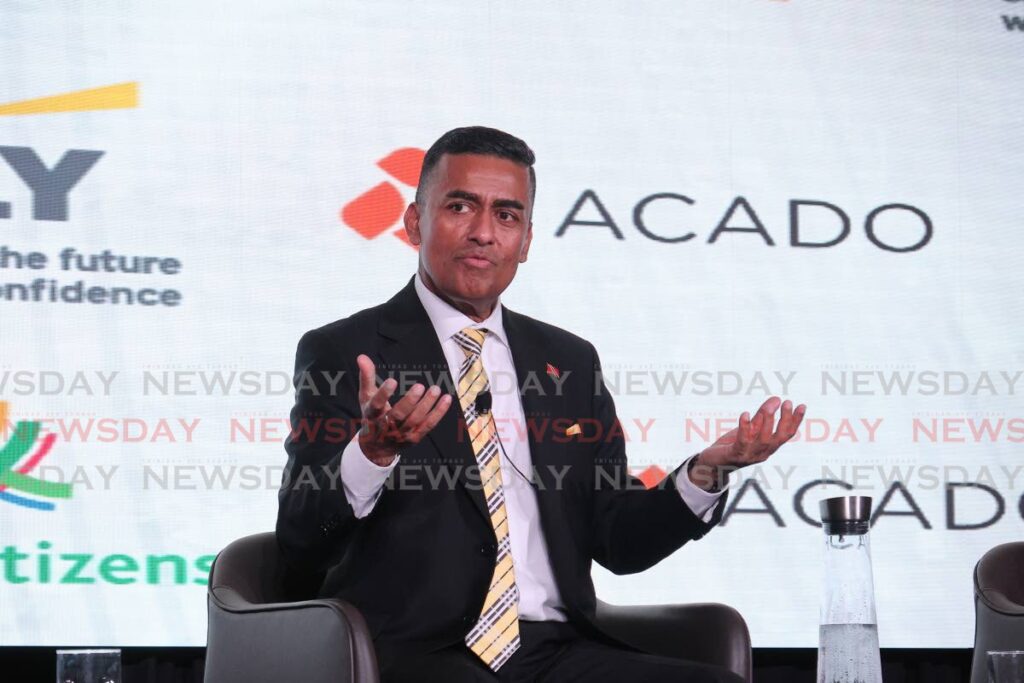
The Bankers Association of Trinidad and Tobago (BATT) has adopted a cautious stance regarding the government’s newly proposed 0.25% levy on assets held by banks and insurance companies. Announced by Finance Minister Davendranath Tancoo on October 13, the levy is set to take effect on January 1, 2026, and is projected to generate $575 million annually. Tancoo justified the measure by highlighting the robust financial health of these institutions, citing their sustained earnings, high liquidity ratios, and strong asset base growth, while lamenting the ‘unreasonably high fees and near-zero returns’ faced by average citizens. Prime Minister Kamla Persad-Bissessar assured the public that the government would prevent banks from passing the levy’s cost onto customers, emphasizing her administration’s readiness to address such practices. BATT, in its response, expressed a desire for detailed discussions on the levy’s implementation, seeking exemptions or reduced rates for government securities and inter-bank placements, as well as clarity on its deductibility from corporate income tax. The association stressed the importance of balancing the government’s revenue needs with the stability and growth of the banking sector. Consultant Paul Traboulay noted that similar levies are already in place in Barbados and Jamaica, with Jamaica’s 0.25% levy applying to all assets of insurers, regardless of location. Barbados, meanwhile, imposes a 0.35% levy exclusively on domestic assets held in the national currency. Audit firms PriceWaterhouseCooper (PWC) and Ernst and Young (E&Y) observed that the levy aligns with a growing regional trend of fiscal reform, though PWC warned of potential increases in insurance premiums. Critics, including MP Stuart Young, have raised concerns about the levy’s inflationary impact, predicting that the costs will ultimately be borne by consumers.
-

PNM hits ‘unrealistic,’ ‘fake,’ ‘fraudulent’ budget
The 2025-2026 national budget, presented by Finance Minister Davendranath Tancoo, has been met with fierce criticism from the opposition People’s National Movement (PNM), who labeled it as ‘fake and fraudulent.’ Central to the controversy is the government’s decision to peg the budget to an oil price of US$73.25 per barrel and a natural gas price of US$4.35 per mmbtu, figures that have been deemed unrealistic by critics. Current market prices for WTI crude and Brent crude stand at approximately US$60 and US$63.50 per barrel, respectively, while natural gas is priced at US$3.09 per mmbtu. Former Finance Minister Colm Imbert accused the government of deliberately inflating revenue estimates to access funds from the Heritage and Stabilisation Fund (HSF), a claim Prime Minister Kamla Persad-Bissessar vehemently denied. Opposition Leader Pennelope Beckles criticized the budget for ‘giving with one hand and taking away with the other,’ citing increased taxes and insufficient measures to stimulate the economy. Former Energy Minister Stuart Young echoed these concerns, warning that higher electricity rates and taxes would ultimately burden citizens. The opposition also accused the government of neglecting critical issues such as crime and education, with Port of Spain East MP Keith Scotland questioning the logic behind policies aimed at increasing revenue through traffic fines. Despite the backlash, Tancoo defended the budget, asserting that the figures were realistic and based on a ‘basket price’ approach rather than individual crude benchmarks.
-
Flash flooding in south, central Trinidad
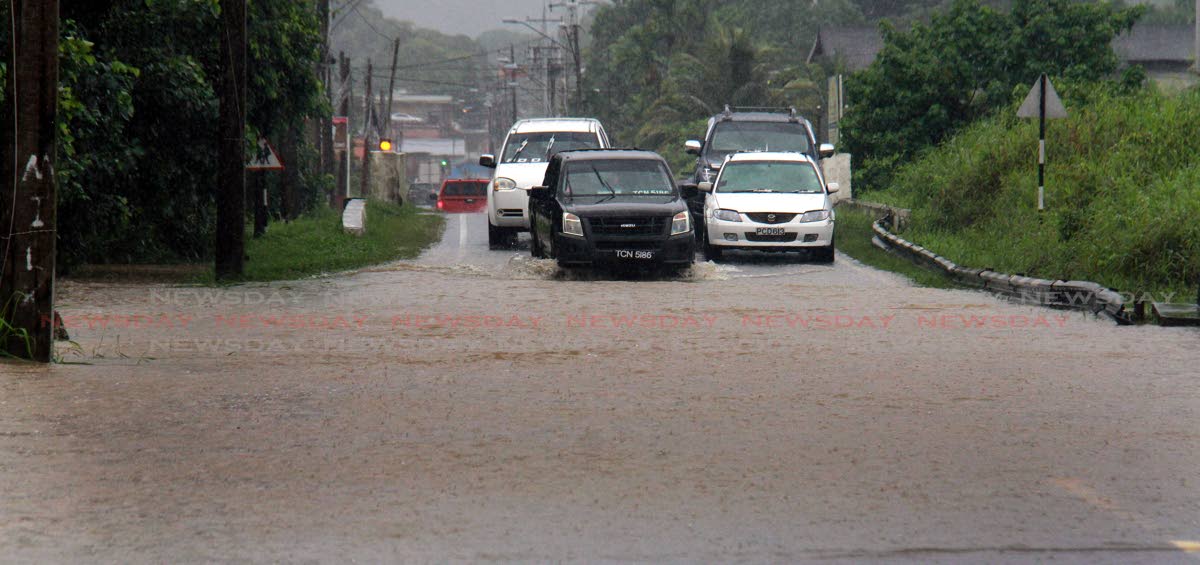
Heavy rainfall on the afternoon of October 13 led to sudden flash floods in multiple regions of central and south Trinidad, prompting urgent warnings from disaster management authorities. The Office of Disaster Preparedness and Management (ODPM) issued a 4 pm update, highlighting significant flooding in the Couva/Tabaquite/Talparo and Princes Town municipalities. In the central area, residential flooding was reported along Hermitage Road in Claxton Bay, while Pine Avenue in Fairview Park, Freeport, and Macaulay Trace Junction faced street flooding. In Princes Town, Guaracara Tabaquite Road near the Williamsville Community Centre and Piparo Junction were also affected. Fortunately, no property damage was reported. The ODPM urged residents in flood-prone zones to secure household items, relocate vehicles to higher ground, and avoid walking or driving through floodwaters to ensure safety.
-

New board appointed to TATT
The Ministry of Public Administration and Artificial Intelligence has officially inaugurated a new board of directors for the Telecommunications Authority of Trinidad and Tobago (TATT). The installation ceremony, held on October 10 in Port of Spain, marked a significant step in advancing the nation’s telecommunications and broadcasting sectors. The newly appointed board is led by Chairman Chris Seecharanm and Deputy Chairman Jerome Khan, alongside members Mentor Baptiste, Dr. Justin Koo, Avanti Supersad, Russel Romero, Suresh Boodoo, Dion Khan, and Danielle Pounder. Each member brings extensive expertise in telecommunications, law, entrepreneurship, and education, ensuring a diverse and capable leadership team. Minister Dominic Smith emphasized TATT’s critical role in ensuring equitable access to technological advancements for all citizens. He urged the board to focus on core regulatory functions, leverage artificial intelligence to enhance operations, and prioritize empathy in addressing citizens’ challenges. Drawing inspiration from Steve Jobs’ ‘signal versus noise’ theory, Smith encouraged the board to dedicate 80% of their efforts to purposeful execution while fostering innovation and agility. He stressed that technology must serve humanity, aligning with the government’s commitment to people-centered progress. TATT, as an independent regulatory body, is tasked with managing spectrum and numbering resources, setting service standards, promoting sector liberalization, and fostering investment to ensure nationwide access to reliable and affordable communications services. The ministry expressed confidence that the new board will uphold transparency, fairness, and excellence, driving innovation and sustainable growth in a sector vital to Trinidad and Tobago’s national development.
-

Tancoo: New board will revamp CAL
In a significant move to address long-standing financial mismanagement, Caribbean Airlines (CAL) has appointed a new board of directors tasked with rectifying what Finance Minister Davendranath Tancoo described as ‘criminal negligence’ under the previous administration. During the 2025/2026 budget presentation in Parliament on October 13, Tancoo revealed that CAL had spent over $60 million on audits conducted by Ernst & Young and PriceWaterhouseCoopers (PwC) but failed to submit audited financial statements for nearly a decade. Despite this lack of transparency, the former finance minister repeatedly approved funding for CAL between 2017 and 2025 to cover operational pressures. Tancoo condemned this as a failure of governance, stating that the airline had descended into inefficiency and fiscal indiscipline. The new board, appointed by the Ministry of Finance, is expected to implement stringent measures to restore accountability and modernize governance standards. This includes updating the outdated State Enterprise Performance Monitoring Manual to align with international best practices in corporate governance, transparency, and fiscal responsibility. The leadership transition also saw the immediate resignation of CEO Garvin Medera, who was replaced by Chief Operating Officer Nirmala Ramai. Medera expressed gratitude to employees, partners, and customers for their support during his tenure. Under Ramai’s leadership, CAL will focus on five key initiatives: enhancing employee and stakeholder communication, improving operational efficiency, elevating customer experience, developing a sustainable growth plan, and conducting comprehensive audits to strengthen governance and accountability. The airline remains committed to its full schedule and aims to prioritize internal talent development for career advancement opportunities.
-
Tancoo’s ‘give & take’ budget
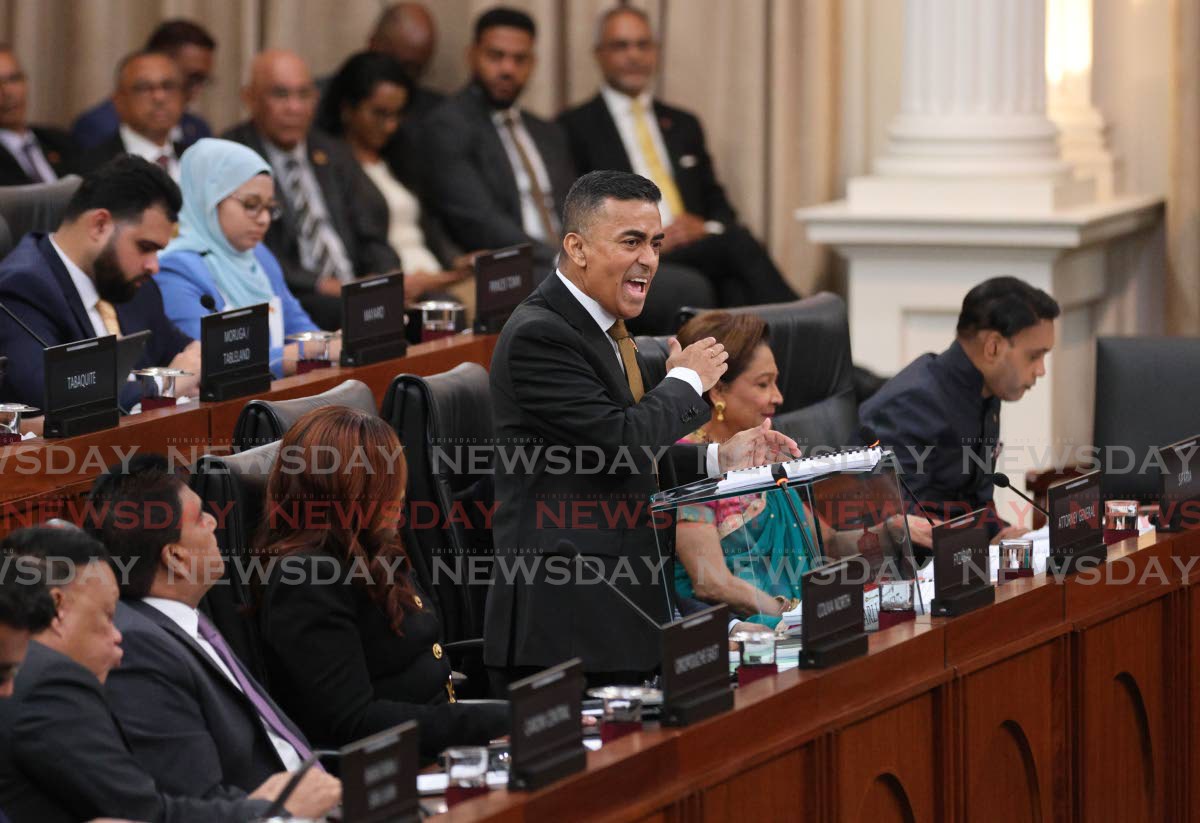
The United National Congress (UNC) government, led by Finance Minister Davendranath Tancoo, presented its inaugural national budget for 2025-2026, striking a balance between relief measures and revenue-generating policies. The budget, delivered in the House of Representatives on October 13, 2025, was framed as a ‘give and take’ fiscal package aimed at fulfilling election promises while addressing economic challenges. Key highlights include a $1 per litre reduction in super gasoline prices, a 10% wage increase for public servants, and the removal of VAT on essential food items—measures designed to ease the financial burden on citizens. However, the government also introduced new levies, such as increased customs duties on alcohol and tobacco, a 3% hike in National Insurance System (NIS) contributions, and a landlord surcharge, targeting big businesses and commercial entities. Tancoo emphasized that the budget reflects the UNC’s commitment to ‘putting the people of Trinidad and Tobago first,’ with a projected expenditure of $59.232 billion and revenue of $55.367 billion, resulting in a $3.865 billion deficit. The budget also allocated significant funds to Tobago ($3.724 billion) and prioritized sectors like education ($8.766 billion), health ($8.214 billion), and national security ($6.366 billion). Additionally, Prime Minister Kamla Persad-Bissessar will oversee a newly established Financial Oversight & Appropriations Committee (FOAC) to ensure transparent management of state resources. The budget debate is set to begin on October 17, with Opposition Leader Pennelope Beckles expected to respond.