标签: Trinidad and Tobago

特立尼达和多巴哥

  • Las Cuevas woman tells Trump: Stop killing innocent people

    Las Cuevas woman tells Trump: Stop killing innocent people

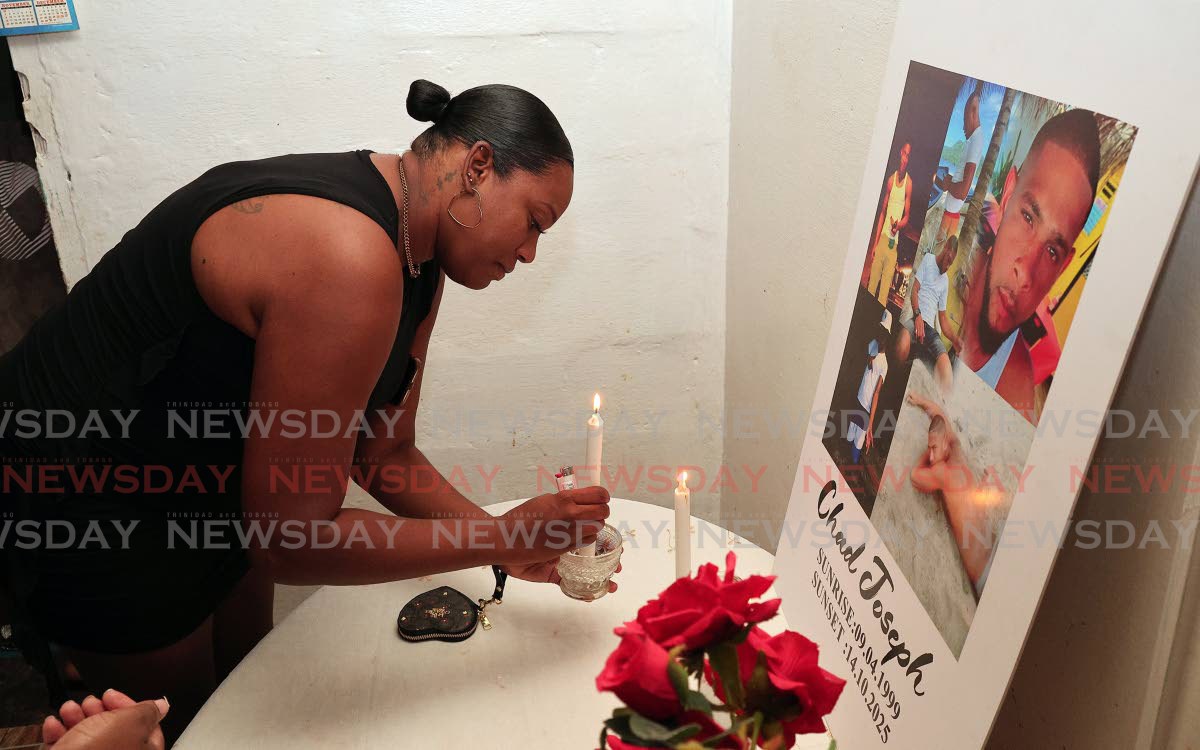
    The family of Chad Joseph, a Las Cuevas resident allegedly killed in a US missile strike on a boat suspected of drug trafficking, is demanding accountability and an end to what they describe as the killing of innocent people in Caribbean waters. Speaking after a nine-night memorial service at St Michael’s RC Church on October 22, Lynette Burnley, Joseph’s aunt, addressed US President Donald Trump directly, urging him to halt such actions. “I just want to tell him to stop it,” Burnley said. “He’s killing innocent people and destroying families. He wouldn’t want this to happen to his family, so he needs to stop.”

    The October 14 strike reportedly claimed six lives, including Joseph and another Trinidadian, Samaroo. Burnley condemned the attack as an extrajudicial killing, emphasizing that the fishermen in the area are now too fearful to venture out to sea. She also criticized the Prime Minister’s recent remarks advocating violent measures against drug traffickers, arguing that such actions are inhumane and unjust. “They’re human beings. They should be warned, held accountable, and charged if necessary, but not killed,” she said.

    Burnley expressed skepticism about the authorities treating the incident as a missing-persons case, questioning how they could be certain no Trinidadians were killed. Despite the overwhelming grief, she clings to hope that Joseph might still be alive. “Every day brings more pain, but I can’t believe he’s gone. I still believe he’s out there, and someone could find him,” she said.

    Joseph’s grandmother, Christine Clement, echoed this sentiment, describing the family’s sorrow and their refusal to file a missing person’s report as advised by Homeland Security Minister Roger Alexander. She vehemently denied allegations that Joseph was involved in drug trafficking, calling them “a big lie.” Burnley added that Joseph frequently traveled between Trinidad and Venezuela for work, assisting with farming and land maintenance.

    The family first learned of Joseph’s alleged death through social media, where a video of the destroyed boat circulated. During the memorial service, Father Kenneth Assing acknowledged the tragic and unexpected nature of Joseph’s death, offering comfort to the grieving family and community. “This burden of tragic death is not easy. It will weigh heavily on your hearts and minds,” he said, reminding attendees of God’s grace and mercy.

  • End thisfireworksassault on peace, sanity

    End thisfireworksassault on peace, sanity

    In a compelling letter to the editor of Newsday, Roger Neckles has urged for a comprehensive ban on the public sale and use of fireworks, citing the widespread harm they cause to citizens, pets, and wildlife. Neckles highlights how what should be joyous celebrations have turned into nights of trauma, anxiety, and environmental disruption. Despite existing laws under the Summary Offences Act (Chap 11:02) and the Explosives Act (Chap 16:02), which regulate the use, importation, and sale of fireworks, enforcement remains lax, leading to indiscriminate explosions in communities across the country. The Environmental Management Authority (EMA) has already recommended banning loud fireworks and promoting quieter alternatives, a move Neckles supports as both logical and compassionate. He proposes a total ban on fireworks, with exceptions only for Independence Day and New Year’s Eve celebrations at government-supervised venues. This approach, he argues, would balance cultural traditions with the need to protect public safety, animal welfare, and the environment. Neckles also emphasizes the suffering fireworks cause to vulnerable populations, including the elderly, the sick, and children on the autism spectrum, as well as the devastating impact on wildlife, such as disorienting nesting birds and forest animals. He calls for celebrations to be expressed through acts of kindness, such as supporting charities or community causes, rather than through harmful noise and debris. Neckles concludes by urging leaders to enforce existing laws and protect both people and wildlife from the annual disruption caused by fireworks.

  • A fracture in Caribbean unity

    A fracture in Caribbean unity

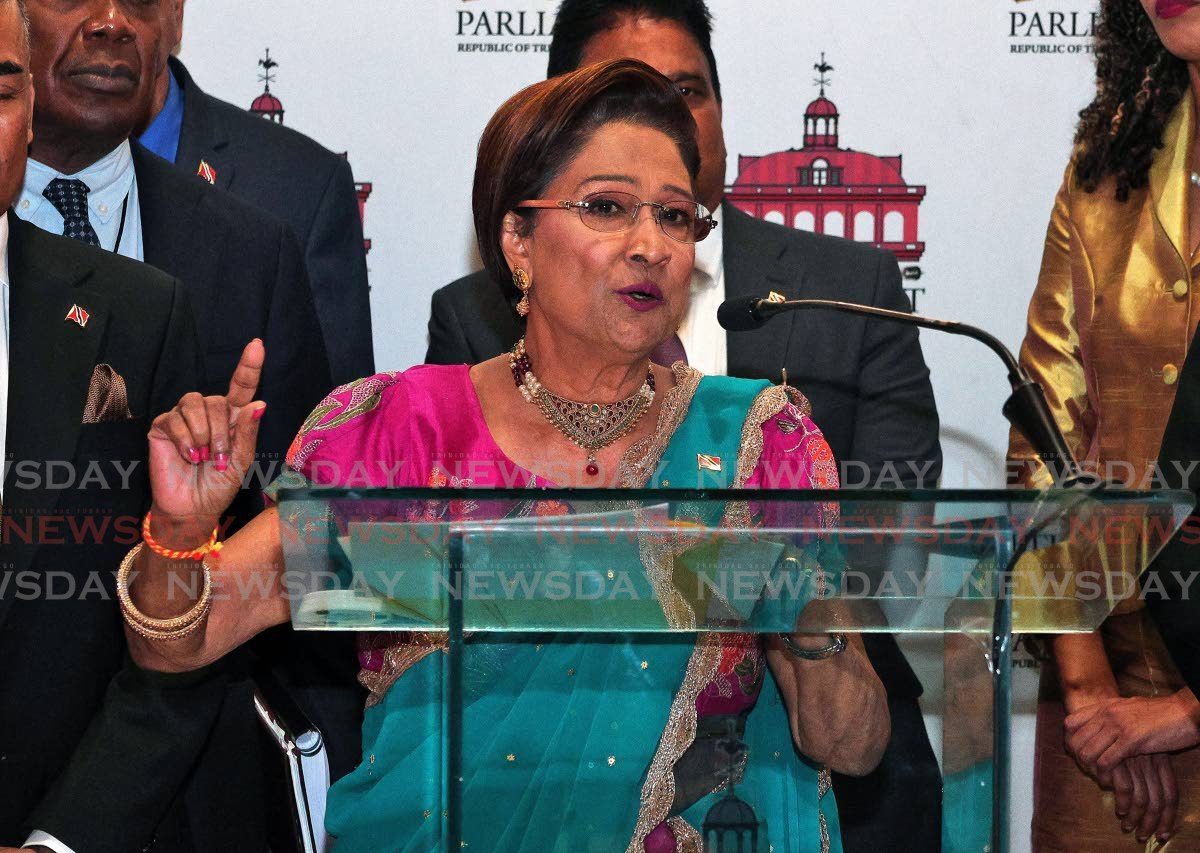
    Prime Minister Kamla Persad-Bissessar of Trinidad and Tobago has stirred significant regional discord by endorsing US military expansion near Venezuela and advocating for lethal measures against drug traffickers. This stance has not only fractured Caribbean unity but also drawn sharp criticism from both citizens and regional leaders. The Caribbean Community (Caricom) has promptly distanced itself from Persad-Bissessar’s position, emphasizing its commitment to non-interference and respect for sovereignty. Her assertion that Caricom was ‘already divided’ has been labeled as dismissive and divisive, further exacerbating existing tensions. The implications of this controversy are far-reaching: diplomatically, it undermines Caricom’s collective voice and weakens its global credibility; geopolitically, it risks provoking retaliation from Venezuela and destabilizing regional relations; domestically, it threatens to incite civic unrest due to the lack of democratic consultation; and ethically, it raises concerns about the blurring of lines between law enforcement and extrajudicial violence. Critics argue that Persad-Bissessar’s foreign policy is influenced by narrow identity politics, which could alienate diverse constituencies and undermine democratic norms. This episode represents a significant rupture in Caribbean diplomacy, jeopardizing Trinidad and Tobago’s legacy as a peaceful, sovereign nation and straining Caricom’s already fragile unity.

  • Homeland Security Minister: Police will lease, buy vehicles

    Homeland Security Minister: Police will lease, buy vehicles

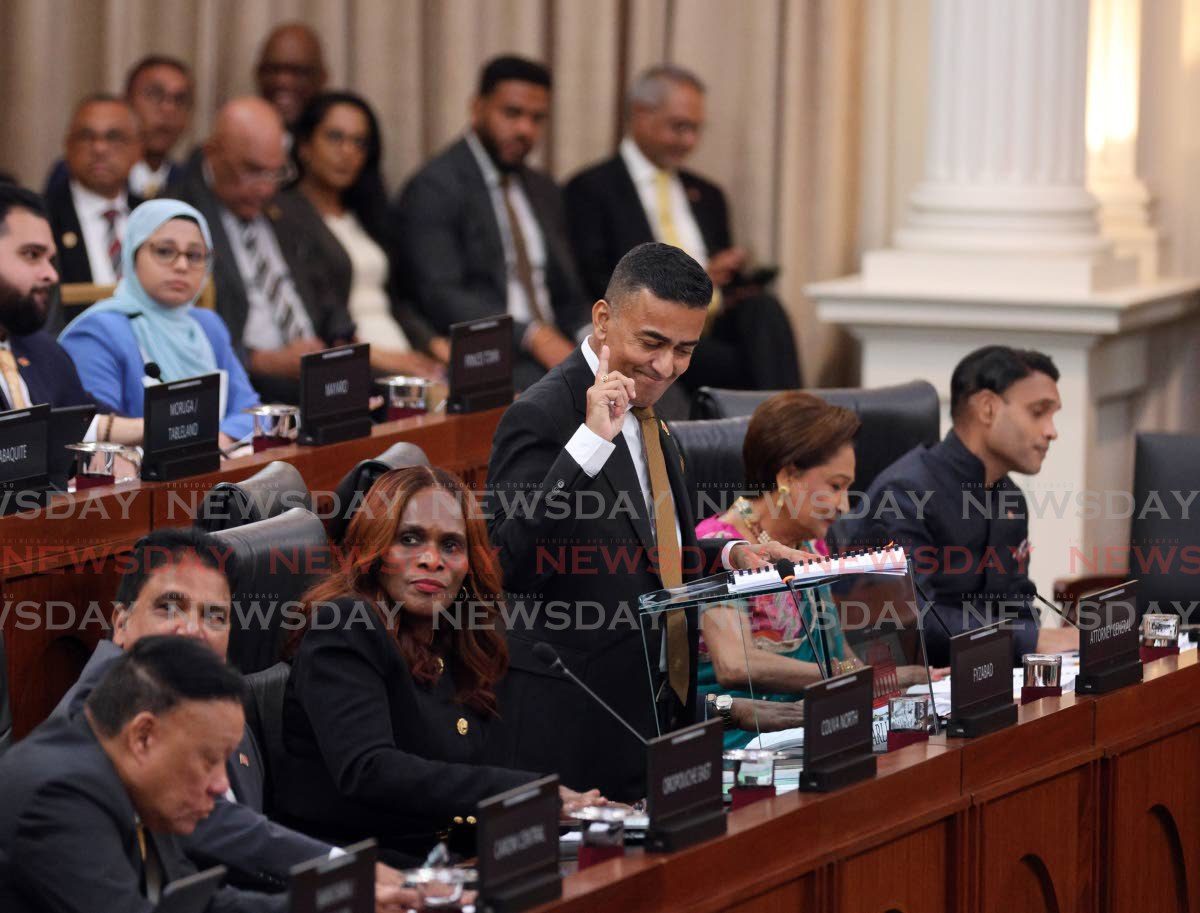
    During a heated session at the Standing Finance Committee of the House of Representatives on October 22, Minister of National Security Roger Alexander outlined a dual strategy for police vehicle procurement: purchasing and leasing. The latter, he emphasized, is aimed at reducing maintenance costs. The draft estimates of recurrent expenditure revealed a significant shift in allocations, with $25 million earmarked for vehicle rentals—a rise from $18.5 million last year—while maintenance costs saw a $15 million reduction, dropping from $39.95 million to $25 million. Arouca/Lopinot MP Marvin Gonzales pressed Alexander on the number of suppliers involved, to which the minister responded with a vague ’18,’ declining to disclose specifics citing national security concerns. Opposition MPs, including Diego Martin North East MP Colm Imbert, challenged the secrecy, questioning how routine vehicle details could pose a security risk. Alexander remained steadfast, asserting that compromising national security was not an option. He later clarified that the government would lease vehicles to cut maintenance expenses, with Port of Spain North/St Ann’s West MP Stuart Young arguing that the public had a right to know the leasing companies. Laventille West MP Kareem Marcelle probed the leasing process, but Alexander’s responses remained evasive. The minister also announced plans to purchase 300 ‘purpose-built’ vehicles, though opposition MPs questioned the adequacy of the budget. Laventille East/Morvant MP Christian Birchwood highlighted a ‘sharp increase’ in funds for minor police equipment, with Alexander citing national security as the reason for withholding detailed purchase lists.

  • Time to ban fireworks for good

    Time to ban fireworks for good

    In Trinidad and Tobago (TT), the annual tradition of fireworks, intended to symbolize joy and celebration, has instead become a source of widespread distress and danger. The Editor of Newsday, Jeff K. Mayers, highlights the severe consequences of this practice, which affects everyone from the elderly to infants, and even pets and wildlife. The trauma caused by fireworks is not an isolated issue but a systemic failure that demands urgent attention.

    Historical incidents underscore the gravity of the situation. In 2019, ‘Joey,’ a kangaroo at the Emperor Valley Zoo, died from shock following a fireworks display. In 2015, Arjun Maraj, a 54-year-old from Freeport, suffered severe hand injuries from a scratch bomb during Divali celebrations. On New Year’s Day 2022, a fire sparked by fireworks in Port-of-Spain left 23 residents homeless. A 2020 survey by the Environmental Management Authority (EMA) revealed that 79% of nearly 3,000 respondents reported negative effects from fireworks, including panic attacks, hypertension, and distress in animals.

    Despite repeated calls for action, successive governments have failed to address the issue decisively. The EMA has advocated for a ban on noisy fireworks and proposed limiting sales to ‘noise-reduced’ alternatives under 100 decibels. However, no significant measures have been implemented.

    Other countries have already taken progressive steps. Ireland, the Netherlands, and many Chinese cities have banned consumer fireworks, reserving displays for licensed professionals. These nations demonstrate that celebrations can be both beautiful and safe, without causing harm or pollution.

    The Editor argues that true progress is measured not by GDP growth alone but by the happiness, safety, and well-being of the population. Bhutan’s Gross National Happiness Index serves as a model, emphasizing community welfare over commercial spectacle. TT, the Editor suggests, should adopt a similar approach.

    The call to action is clear: ban the importation, sale, and use of fireworks by the public, reserving displays for licensed professionals under strict regulation. This would foster a culture of compassion, creativity, and care for all living beings, ensuring a safer and happier society.

    The time for half-measures has passed. It is time to make TT fireworks-free, prioritizing the safety, sanity, and well-being of everyone.

  • No increase for HDC homes despite budget cut

    No increase for HDC homes despite budget cut

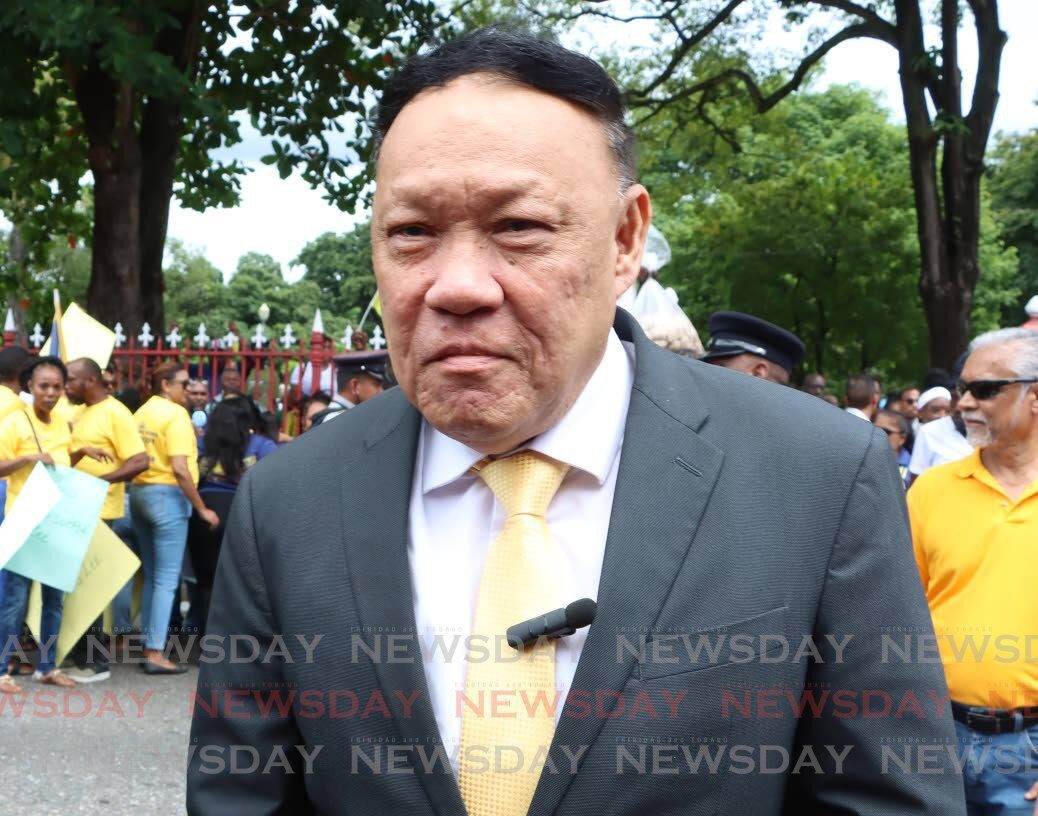
    Despite a significant reduction in the Housing Ministry’s budget for the 2025/2026 fiscal year, Minister David Lee has assured the public that the cost of government homes will remain unchanged. Speaking to reporters outside Parliament on October 23, Lee revealed that the ministry’s allocation had been reduced from $750 million in 2024 to $600 million, marking a 20% decrease. However, he emphasized that this cut would not hinder the ministry’s ability to fulfill its housing commitments. Lee attributed this confidence to a strategic shift toward public-private partnerships, which aims to diversify funding sources and reduce reliance on government guarantees or loans. Over the past five months, Lee has collaborated with the Ministers of Finance and Planning to secure international funding, ensuring the sustainability of housing projects. When questioned about potential increases in housing costs due to this new model, Lee firmly denied the possibility, stating, ‘We will be much more efficient. There was a lot of wastage under the previous government, but I will be running a very tight ship.’ He also promised citizens greater value for money, criticizing the previous administration for failing to deliver on this promise. Lee expressed frustration at not being able to fully contribute to the parliamentary debate, hinting at undisclosed information regarding contracts and past housing arrangements. He also criticized the opposition’s lack of depth in their questioning during the Standing Finance Committee deliberations, which are expected to conclude by October 25.

  • Nutrien shutdown puts 1,600 jobs at risk

    Nutrien shutdown puts 1,600 jobs at risk

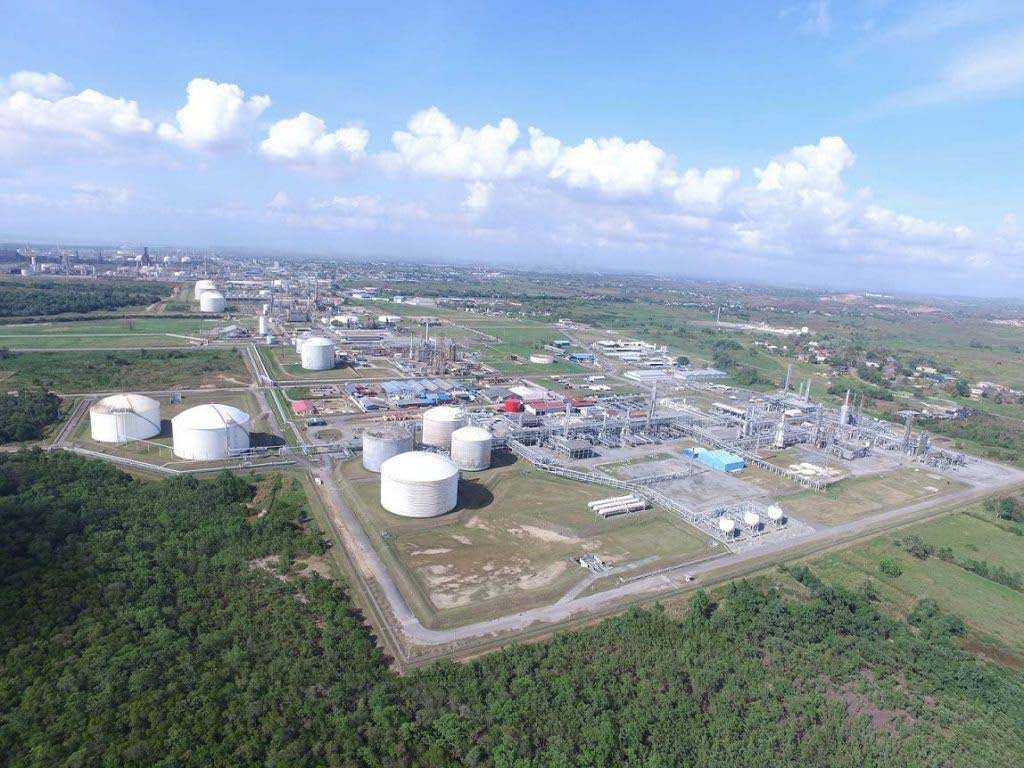
    The impending controlled shutdown of Nutrien Trinidad, a global leader in crop inputs and services, has raised concerns over the potential loss of more than 1,600 jobs. The shutdown, effective October 23, stems from limited port access and challenges in securing affordable natural gas supplies. Nutrien’s Point Lisas facility, operational since 1998, is a critical hub for its global fertilizer supply chain, exporting ammonia and urea to markets in North and South America, Europe, and Africa. The closure could significantly impact Trinidad and Tobago’s economy, as Nutrien contributes substantial foreign exchange earnings.

    The National Energy Corporation (NEC), a subsidiary of the National Gas Company (NGC), issued formal notices to companies with significant arrears, including Nutrien, warning of suspended port access if balances exceeding $610 million were not settled within 14 days. Edmond Thompson, Nutrien’s Vice President and Managing Director, stated that the company disputes NEC’s claims of retroactive port service fees and has been engaged in constructive dialogue to resolve the matter. However, NEC’s decision to restrict port access has left Nutrien with no choice but to initiate a temporary shutdown.

    Thompson acknowledged the potential need for temporary workforce adjustments, including short-term layoffs, while maintaining essential services and safeguarding assets. He emphasized the company’s commitment to supporting employees through the Employee Assistance Programme. The shutdown has sparked political tensions, with Energy Minister Roodal Moonilal attributing the crisis to the previous administration’s failure to negotiate new contractual arrangements with downstream operators. Former Energy Minister Stuart Young criticized the current government, warning that the energy sector is collapsing under its management.

    The American Chamber of Commerce (Amcham) and the Energy Chamber of Trinidad and Tobago have called for continued collaboration among stakeholders to address operational and infrastructural challenges. Both chambers emphasized the importance of maintaining investor confidence and ensuring Trinidad and Tobago remains an attractive destination for energy investment. The government’s efforts to resolve gas supply and infrastructure issues are seen as critical to safeguarding jobs and the future of Point Lisas.

  • Reflections on the national budget

    Reflections on the national budget

    As the budget debate in Trinidad and Tobago’s Parliament concludes, the fiscal measures announced by Finance Minister Davendranath Tancoo have come under scrutiny. While initially perceived as fair to the average citizen, the budget has revealed itself to be largely a continuation of past policies, lacking the bold reforms needed to steer the nation toward economic stability and growth. The government’s revenue projections remain heavily reliant on optimistic assumptions about oil and gas prices, the country’s primary income sources. This approach has drawn criticism for its failure to address systemic issues and its reliance on short-term fixes. Key concerns include rising tax burdens on consumers, ineffective tax collection mechanisms, and the absence of a clear strategy to diversify the economy beyond energy. The proposed reforms to the National Insurance Scheme also face skepticism, given the challenges posed by an ageing population and declining workforce participation. Critics argue that the budget lacks strategic direction, offering little insight into plans for critical sectors such as housing, education, agriculture, and national security. The financial burden, as in previous years, will likely fall on consumers, while escalating public debt threatens to burden future generations. Amid these challenges, the author advocates for the implementation of site value taxation, a system that could distribute the tax burden more equitably, promote economic diversification, and stimulate broad-based prosperity. This approach, phased in over several years, could correct imbalances in land, labor, and capital values, fostering a more inclusive and sustainable economy. While the current budget represents a missed opportunity for transformative change, the adoption of innovative fiscal policies could pave the way for a brighter economic future for Trinidad and Tobago.

  • Trinidad and Tobago grouped with Mexico for 2026 Concacaf U-17 Men’s qualifiers

    Trinidad and Tobago grouped with Mexico for 2026 Concacaf U-17 Men’s qualifiers

    Trinidad and Tobago’s men’s under-17 football team has been placed in a challenging group for the 2026 Concacaf Under-17 Men’s Qualifiers, which will determine the participants for the upcoming Fifa Under-17 Men’s World Cup. The draw, held on October 21, placed TT in Group A alongside regional powerhouse Mexico, as well as Barbados, Saint Martin, and Sint Maarten. The qualifiers are scheduled to take place from February 3 to 12, with TT hosting their matches at the Hasely Crawford Stadium in Mucurapo. TT’s campaign begins on February 3 against Barbados, followed by games against Saint Martin (February 5), Sint Maarten (February 9), and Mexico (February 12). The top team from each of the eight groups will secure a spot in the World Cup. Mexico, already qualified for the 2025 Under-17 World Cup in Qatar, will be a formidable opponent for TT. Earlier this year, TT narrowly missed out on qualification for the 2025 World Cup after finishing second in their group behind Costa Rica. The 2026 qualifiers feature 34 Concacaf member associations divided into eight groups, with TT ranked 15th in the region’s under-17 rankings as of April 2025. The competition promises to be intense as teams vie for a chance to represent their nations on the global stage.

  • [UPDATED] CJ Ivor Archie retires, PM extends ‘deep gratitude’ for his service

    [UPDATED] CJ Ivor Archie retires, PM extends ‘deep gratitude’ for his service

    After nearly two decades at the helm of Trinidad and Tobago’s Judiciary, Chief Justice Ivor Archie has officially announced his retirement, effective October 22. In a statement released on October 21, Archie reflected on his tenure, expressing gratitude for the opportunity to serve his country and optimism for the future of the Judiciary. He emphasized the importance of leadership succession, stating, “The office of chief justice is not private property… It is a sacred baton held in trust for one’s successors and the nation.” Archie, who became the youngest chief justice in 2008, highlighted his deliberate decision to retire at 65, rather than waiting until the mandatory retirement age of 70, to pursue new challenges and opportunities. Prime Minister Kamla Persad-Bissessar extended her “deep gratitude” for Archie’s 18 years of distinguished service, acknowledging his significant contributions to the nation’s judicial landscape. During his tenure, Archie spearheaded judicial reforms, including the modernization of the Judiciary and the expansion of information technology use. However, his leadership was not without controversy, including legal challenges and allegations of misconduct. Archie’s successor will be appointed by the President after consultation with the Prime Minister and Opposition Leader. As he steps down, Archie pledged his full support to his successor, vowing to offer no unsolicited advice. He also expressed heartfelt thanks to his colleagues, staff, and family for their unwavering support throughout his career.