
In a thrilling turn of events in the Secondary Schools Football League (SSFL) premier division, St Benedict’s College, currently in second place, is set to face Malick Secondary in a crucial match on October 28. The game, scheduled for 3:30 PM at Mahaica Oval in Point Fortin, could potentially propel St Benedict’s to the top of the league table. Known as the La Romaine Lions, St Benedict’s has been in impressive form, accumulating 27 points, just one point behind the leaders, Naparima College. A victory against 12th-placed Malick, coupled with a stumble by Naparima, would see St Benedict’s take the lead. Naparima, who started the season with nine consecutive wins, have recently faltered with a 1-0 loss to Presentation College San Fernando and a 1-1 draw with San Juan North Secondary, leaving the title race wide open. The top four teams are now separated by just three points, with Fatima College in third place on 26 points and Presentation College still in contention with 25 points. As the season enters its final stages, Naparima and St Benedict’s each have four matches remaining, while Fatima and Presentation have three games left. In other key fixtures, Naparima will face fifth-placed St Anthony’s College, Fatima will take on bottom-placed Carapichaima East Secondary, and Presentation will meet 14th-placed St Augustine Secondary. The outcome of these matches could significantly impact the final standings, making the remaining games crucial for all teams involved.
标签: Trinidad and Tobago
特立尼达和多巴哥
-
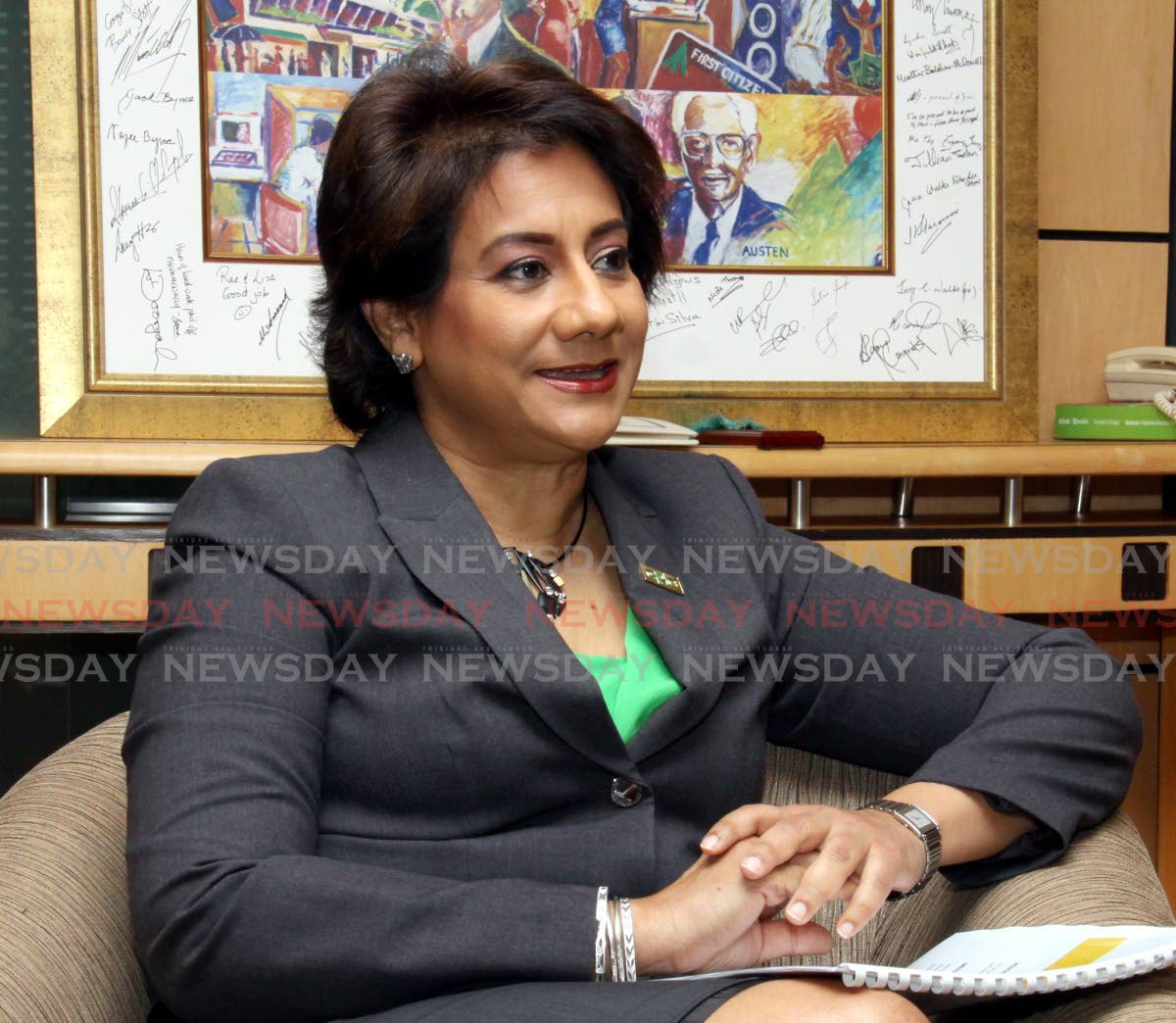
Karen Darbasie officially retires as First Citizens group CEO
Karen Darbasie, the trailblazing CEO of First Citizens Group, has officially retired after nearly a decade of leadership. Her departure was confirmed through a legal notice published on the Trinidad and Tobago Stock Exchange’s website on October 28, 2025. The notice stated that Darbasie’s retirement took effect on October 21, 2025, marking the end of her tenure that began in April 2015 when she succeeded Larry Nath. Notably, Darbasie was the first woman to hold the position of CEO in the history of First Citizens Group.
Darbasie’s retirement follows a period of significant organizational changes within the company. On August 21, 2025, she commenced approved vacation leave, as announced in an all-staff memorandum by then group chairman Anthony Smart. During her absence, Jason Julien, the group deputy CEO, assumed the role of acting CEO. The transition occurred amidst broader concerns about the bank’s operations, as hinted by Finance Minister Davendranath Tancoo on August 22. Subsequently, a new board was appointed to First Citizens Holdings, the majority shareholder of First Citizens Group.
In a surprising turn of events, the entire board of directors resigned on October 7, just one day before a special general meeting scheduled to elect a new board and CEO. The meeting on October 8 resulted in the appointment of a new board led by chairman Shankar Bidaisee, who also serves as chairman of Udecott and First Citizens Holdings Ltd. Jason Julien remains in the acting CEO position as the organization navigates this transitional phase.
Darbasie’s legacy includes not only her groundbreaking role as the first female CEO of First Citizens Group but also her appointment as president of the Bankers Association of Trinidad and Tobago (BATT). Her retirement marks the end of an era for the financial institution, which now faces the challenge of maintaining stability and continuity under new leadership.
-

Recasting teaching as a collaborative profession
The teaching profession stands out for its intrinsic need for collaboration among educators and stakeholders. The 2025 World Teachers’ Day theme, ‘Recasting Teaching as a Collaborative Profession,’ championed by Education International, underscores unity, shared expertise, and mutual support as vital for strengthening teaching and enhancing learning outcomes. This theme, encapsulated by the slogan ‘Together for Teachers; Together for the Future,’ reframes teaching as a cooperative endeavor rather than a solitary one. Successful educators recognize the value of working within a learning community, sharing knowledge, and aligning with the common goal of improving student achievement. The narrative of ‘we’ and ‘us’ must replace ‘I’ and ‘me,’ fostering a mindset essential for school effectiveness. Collaboration is not optional but a fundamental characteristic of the profession. Policies, practices, and environments that promote mutual support and joint responsibility are crucial for teacher empowerment and educational transformation. Quality teachers understand that collaboration with peers, mentors, and other professionals enhances their practice and strengthens the education system. This approach is key to school improvement and success, enabling educators to adapt to evolving classroom dynamics. A shared understanding of learning narratives is essential for achieving these goals. Collaboration also transforms schools’ capacity to meet community needs and respond confidently to challenges. It highlights the importance of professional teamwork and addresses issues like unequal access to professional development and inadequate resources. Teachers must see themselves as part of a network of professionals pooling resources for better student outcomes. Continuous stakeholder engagement is integral to school systems, reflecting the unique and evolving needs of the community. Schools that neglect collaboration risk failing in their mandate as agents of human development. Reinventing schools requires ongoing rejuvenation of knowledge through collaboration at all levels. Mutual respect and humility are essential in acknowledging stakeholder input and addressing the diversity of school mandates. Collaboration, partnership, and teamwork must be core principles of school strategic plans, fostering constructive interaction and addressing teacher frustration. Lifelong learners among teachers must embrace collaboration as essential for professional development and survival. Empowered teachers create empowered learners, and students from professional learning communities reflect this collaborative capacity in their personal and professional lives. Meaningful collaboration rooted in mutual respect leads to enhanced learning outcomes.
-
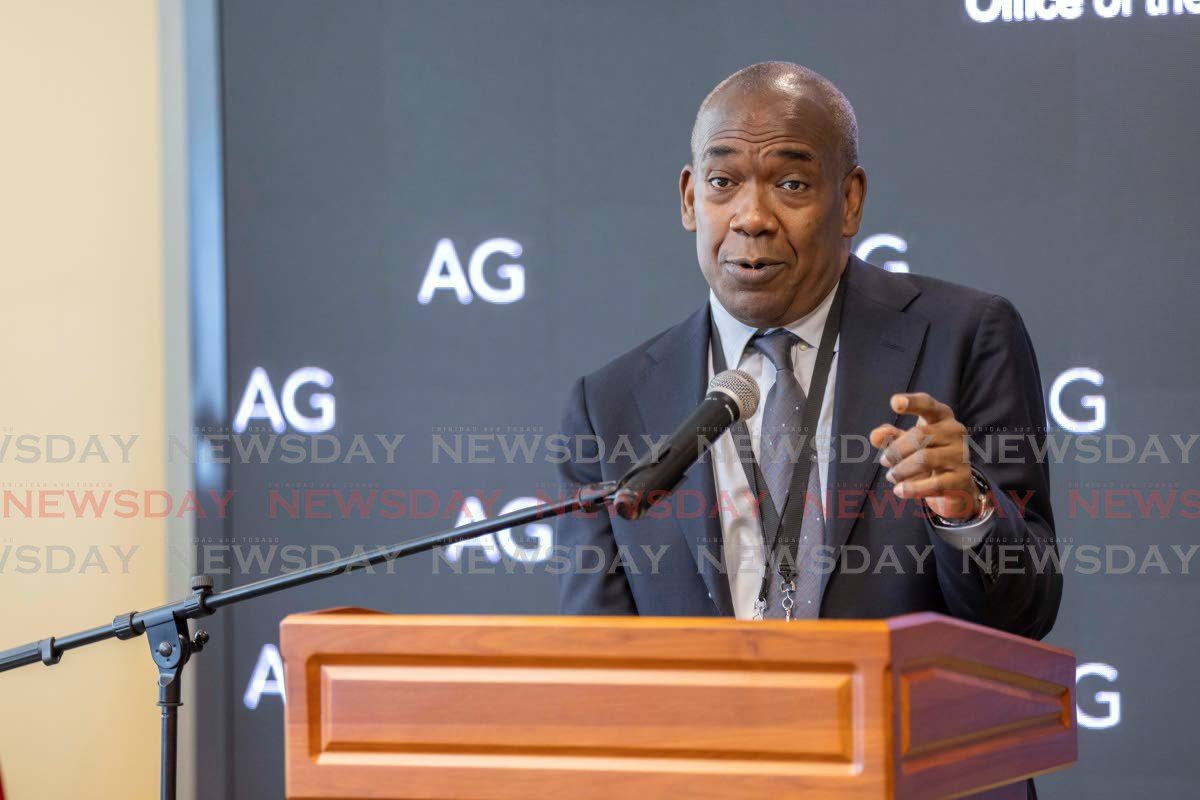
House sits October 31 to debate SoE extension
The Parliament of Trinidad and Tobago is set to convene on October 31 at 1:30 pm to deliberate on the government’s proposal to extend the current state of emergency (SoE). This follows Prime Minister Kamla Persad-Bissessar’s announcement on the Crime Watch television show on October 27. Attorney General John Jeremie will present the motion seeking a three-month extension of the SoE, initially declared on July 18, 2025, in response to intelligence suggesting criminal gangs were plotting to destabilize the government. The SoE was previously extended on July 28 for three months, with legal provisions allowing for further extensions up to six months in total. The motion emphasizes the necessity of maintaining the SoE to ensure national security and public safety. Concurrently, the Senate will meet on October 22 to discuss amendments to excise duties on tobacco and alcoholic beverages, as outlined in the recent budget. These amendments propose doubling the duties on rum, spirits, beer, and cigarettes, reflecting the government’s fiscal strategy to address economic challenges.
-
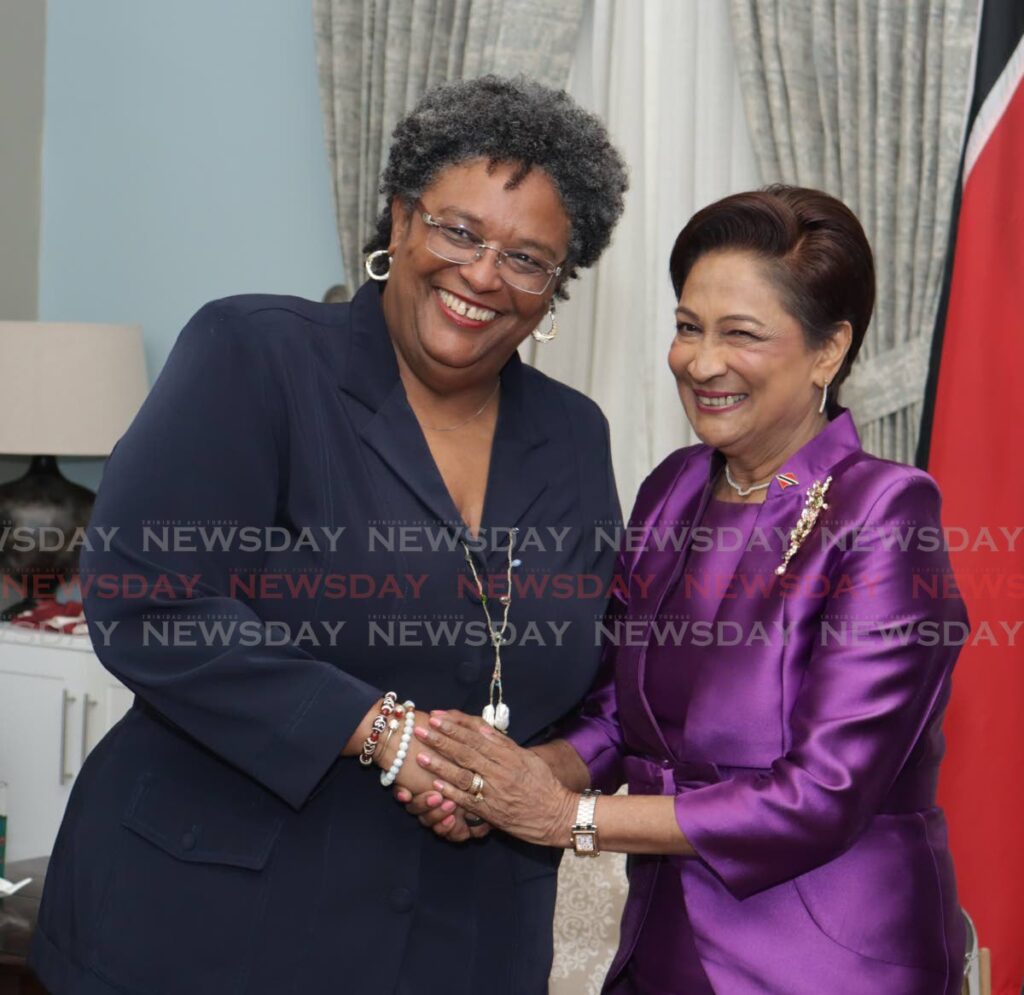
Mottley: US military threatening regional peace
Barbados Prime Minister Mia Mottley has strongly criticized recent US military airstrikes in the southern Caribbean, labeling them as a threat to regional peace. Speaking at the Barbados Labour Party’s annual conference on October 25, Mottley emphasized that disputes should be resolved through the United Nations rather than unilateral military actions. Her remarks were later shared by former Trinidad and Tobago Prime Minister Dr. Keith Rowley on his Facebook page on October 26. Mottley argued that extra-judicial killings, even of suspected criminals, violate the rule of law and undermine regional stability. She urged the US to share intelligence with Caribbean nations if there is an immediate threat, stressing that dialogue and negotiation are essential to prevent conflicts. Mottley’s comments came shortly after an Al Jazeera report where Trinidad and Tobago’s Defence Minister Wayne Sturge defended the US actions, stating that the US has the prerogative to interpret and act against perceived terrorist threats in international waters. Mottley countered that almost all wars in history have been resolved through dialogue, advocating for preemptive discussions to avoid violence.
-

West Indies grab 1-0 T20 series lead against Bangladesh
The West Indies cricket team secured a commanding 1-0 lead in their three-match T20 series against Bangladesh with a hard-fought 16-run victory in the opening game on October 27 in Chattogram. Opting to bat first, the West Indies openers, Alick Athanaze and Brandon King, laid a solid foundation with a 59-run partnership. However, their progress was cautious, with boundaries proving elusive. Athanaze departed for 34 off 27 balls, followed by King for 33 off 36 deliveries, leaving the team at 82/3 by the 13th over. Captain Shai Hope and former skipper Rovman Powell then took charge, accelerating the innings with a flurry of boundaries. Their unbeaten partnership of 83 runs propelled the West Indies to a competitive total of 165/3 in their allotted 20 overs. Hope finished with 46 not out, while Powell remained unbeaten on 44. Taskin Ahmed was the standout bowler for Bangladesh, claiming 2/36. In reply, Bangladesh started aggressively but lost early wickets, including Tanzid Hasan and captain Litton Das. Despite a valiant effort from Tanzim Hasan Sakib, who scored 33 off 27 balls, Bangladesh faltered, bowled out for 149 in 19.4 overs. The West Indies’ bowling attack, led by Jason Holder (3/31) and Jayden Seales (3/32), proved decisive. Akeal Hosein also contributed with 2/22. The second match of the series is scheduled for October 29.
-
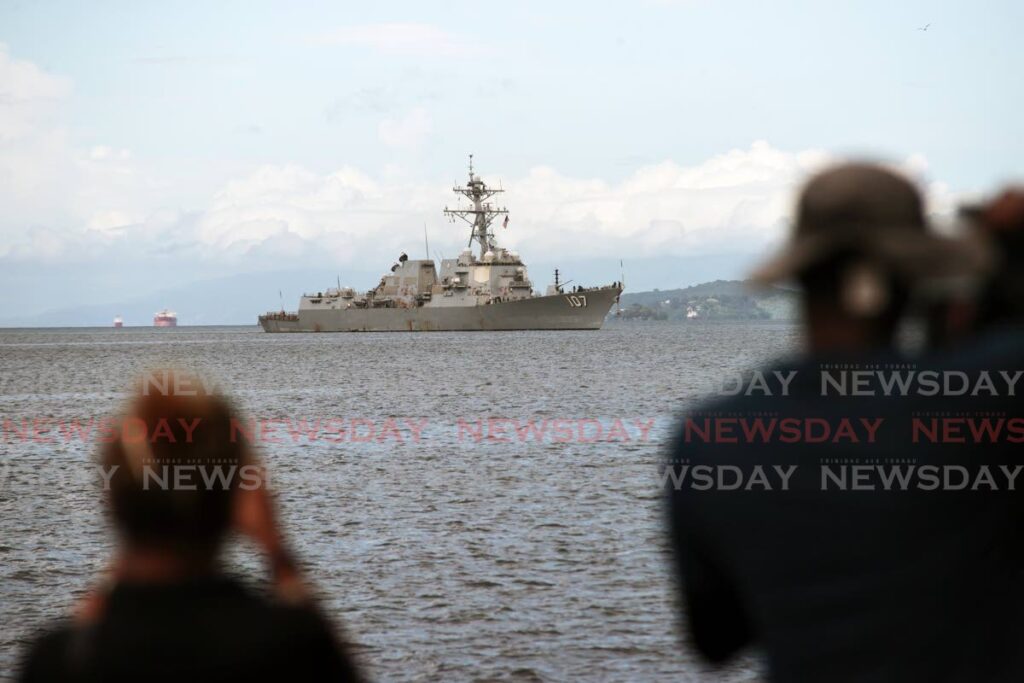
‘Warship not just here for training’ – public worried about possible Gravely fallout
The US naval vessel USS Gravely arrived at the Port of Spain on October 26, drawing curious onlookers to the waterfront. The warship, escorted by tugboats and Coast Guard vessels, docked at approximately 9:30 am as part of a joint training exercise with the Trinidad and Tobago Defence Force. The exercise, scheduled to conclude on October 30, involves approximately 60 members of the TT Defence Force, including infantry officers, medics, engineers, and Special Forces troops, alongside members of the 22nd US Marine Expeditionary Unit.
Security was heightened at the port, with marked and unmarked police vehicles and officers in both uniform and plain clothes patrolling the area. While onlookers at ground level struggled to view the vessel due to obstructing fences and a moored tug, guests at the Hyatt hotel enjoyed an unobstructed vantage point.
The arrival of the USS Gravely comes amid escalating tensions between the US and Venezuela. The US has recently claimed to have destroyed 11 vessels in regional waters, killing 49 alleged drug traffickers. President Donald Trump has labeled regional drug traffickers as ‘narco terrorists’ and approved covert military operations in Venezuela, with considerations for targeting land-based drug trafficking hubs.
TT Prime Minister Kamla Persad-Bissessar has welcomed the US Navy’s presence, praising their efforts against drug traffickers and asserting that the region is ‘not a zone of peace.’ However, some citizens expressed concerns over the potential fallout if the US and Venezuela engage in conflict. One onlooker warned that TT’s alignment with the US could make the country a target for Venezuela, emphasizing the need for transparency from the government.
Despite differing opinions on the warship’s presence, all onlookers shared a common sentiment: they have no plans to leave Trinidad and Tobago, regardless of the potential consequences. ‘This is my country,’ one man stated, ‘Why should I leave?’
-

What are prisons for?
The purpose and efficacy of prisons in Trinidad and Tobago have come under intense scrutiny, particularly in light of the country’s chronic delays in the justice system. Debbie Jacob, a long-time advocate and educator within the prison system, has highlighted these issues, drawing parallels to the systemic racial injustices in the United States as described in Michelle Alexander’s seminal work, *The New Jim Crow: Mass Incarceration in the Age of Colorblindness*. Alexander’s book, which has influenced legal education and advocacy in the U.S., argues that prisons serve as a modern form of racialized social control—a perspective that resonates with Jacob’s observations in Trinidad and Tobago.
Jacob began teaching at the Youth Training Centre (YTC) in 2010, where she encountered young men aged 24-26 still awaiting trial in a facility designed for 16-18-year-olds. The delays in the justice system have only worsened, with many individuals losing over a decade of their lives waiting for their day in court. This prolonged uncertainty often forces the accused to plead guilty, undermining the very essence of justice. In 2010, 67% of the prison population was on remand, a figure Jacob fears has since increased, placing a significant financial burden on taxpayers for housing, feeding, and transporting these individuals.
Despite some progress, such as the introduction of electronic filing and virtual courtrooms under former Chief Justice Ivor Archie, systemic delays remain a defining feature of the judiciary. Jacob questions the integrity of investigations and the ease with which individuals are incarcerated, often without solid evidence. Her concerns are compounded by the low murder detection rate and the police’s decision to create their own prison system, further eroding public trust.
Jacob’s work underscores a pressing need for reform. She challenges the judiciary to address these delays and ensure that prisons serve their intended purpose—rehabilitation and justice—rather than perpetuating a cycle of injustice and inefficiency.
-

NLCL Nation’s Cup to kick-off Xmas holidays
Trinidad and Tobago’s premier youth football academies and clubs are preparing to showcase their talent against Caribbean rivals at the NLCL Nation’s Cup – International Holiday Fun Festival. Scheduled to take place from December 19 to 21 at the Manny Ramjohn Stadium in Marabella, this event promises to be a thrilling showcase of young footballing talent. The tournament will feature competitions in four age categories: Under 9, Under 11, Under 13, and Under 15, with participants vying for cash prizes, trophies, and medals. Organized by the Next Level Foundation, the event builds on the success of previous NLCL Community Cup tournaments. Bermudez Biscuit Company’s Dixiee returns as an official sponsor, alongside key supporters such as Next Level Consulting Ltd, Agostini Ltd, Point Lisas Nitrogen Ltd, and First Citizens. Notable youth clubs like City FC, Cox Coaching School, Creek Sports & Cultural Club, Dunstan Williams Soccer Academy, and Union Hall United have already confirmed their participation. Beyond the matches, attendees can enjoy live performances, DJs, a Family Fun Zone, and complimentary samples from vendors. Brian K Jordan, foundation chairman, emphasized the event’s focus on community engagement and youth development. Germaine Jordan, tournament chairperson, encouraged additional sponsors and teams to join, highlighting the importance of investing in young footballers. For further details, interested parties can visit NLCL Community Cup’s social media pages or contact the organizers directly.
-

A short column about killing
The government of Trinidad and Tobago (TT) has sparked widespread debate and criticism for its aggressive policies centered around state-sanctioned killing. Since assuming office six months ago, Prime Minister Kamla Persad-Bissessar has prioritized executions, advocating for the resumption of the death penalty for prisoners on Death Row. This stance has been further reinforced by Defence Minister Wayne Sturge’s promotion of ‘shoot first, kill first’ legislation, framed as a stand-your-ground policy. Most recently, the PM has aligned TT with the United States’ controversial strategy of targeting small boats in the Caribbean Sea, a move that has been described by international observers as a ‘kill them all violently’ approach to foreign policy. Critics argue that these measures lack empirical evidence to support their efficacy. The global trend has shifted away from the death penalty, with studies showing it does not deter crime. Similarly, stand-your-ground laws in the U.S. have led to increased violence rather than reduced crime. The U.S. government’s tactic of extrajudicial killings at sea to combat drug trafficking has also been widely criticized as ineffective and counterproductive. Mexico’s ongoing cartel violence, with over 30,000 homicides annually, serves as a stark reminder that murder does not equate to peace. The TT government’s reliance on such medieval solutions raises questions about its legitimacy and effectiveness. As the U.S. reportedly destroys nine small boats, killing 37 people, including two TT citizens, the Prime Minister has yet to define what constitutes success in this brutal anti-drug policy. Attorney General John Jeremie’s lamentation of TT’s high murder rate and near ‘state of anarchy’ further highlights the irony of a government attempting to curb violence through more violence. This approach not only undermines the social contract but also risks plunging society into deeper chaos, as even political philosopher Thomas Hobbes acknowledged that a government’s legitimacy hinges on its ability to protect, not threaten, its citizens.