
The Asa Wright Nature Centre, nestled in Trinidad’s Northern Range rainforest, stands as a timeless sanctuary for nature enthusiasts and researchers alike. Dr. Anjani Ganase, a marine scientist, reflects on her transformative experiences at the Centre, which played a pivotal role in shaping her career and deepening her connection to Trinidad’s natural heritage. Her journey began as an undergraduate volunteer for the Guppy Project, led by Dr. David Reznik, where she explored the Arima-Blanchisseuse Valley’s river ecosystems. Despite the challenges of fieldwork—mosquito bites, muddy trails, and Deet mishaps—the experience ignited her passion for environmental science. Later, as a volunteer for the Asa Wright Educational Programme, she contributed to drafting grant applications and leading educational outreach initiatives, fostering a deeper appreciation for the Centre’s ecological richness. The Centre’s vibrant biodiversity, from toucans and bellbirds to nocturnal wildlife like scorpions and porcupines, continues to captivate visitors. Dr. Ganase’s recent return to the Centre, now revitalized by Hadco Experiences, reaffirmed its enduring charm and significance. She hopes that locals and visitors, especially children from the Arima-Blanchisseuse Valley, will experience this tropical haven at least once in their lives.
标签: Trinidad and Tobago
特立尼达和多巴哥
-

Hard timesahead forthousands
The victory of the United National Congress (UNC) in the 2025 elections was largely driven by the numerous promises made to the electorate. However, the reality of fulfilling these pledges is proving to be a daunting task for the government. Prime Minister Kamla Persad-Bissessar and her administration are now grappling with the financial implications of their campaign commitments, which include a 10% salary increase for public servants and the distribution of laptops to students. These initiatives, though popular, are facing delays due to budgetary constraints—a challenge the UNC was well aware of during the campaign but chose to downplay. The government’s inability to secure sufficient funds is likely to place additional financial burdens on citizens. Already, landlords are being asked to contribute more, electricity rates for commercial and industrial users are rising, and new taxes are being introduced, all of which will ultimately affect consumers. There is also speculation that the government may resort to withdrawing significant amounts from the Heritage and Stabilisation Fund to meet its obligations. This situation highlights a recurring issue in Trinidad and Tobago’s political landscape: election promises often fail to materialize, leaving the population disillusioned. The gap between the wealthy and the less fortunate continues to widen, while politicians maintain their privileged lifestyles. The author of the letter, Arnold Gopeesingh, expresses skepticism about any meaningful change, citing arrogance, disrespect, and divisiveness as prevailing attitudes among leaders. He warns that unless these behaviors are addressed, the nation will continue to face the consequences of its actions.
-
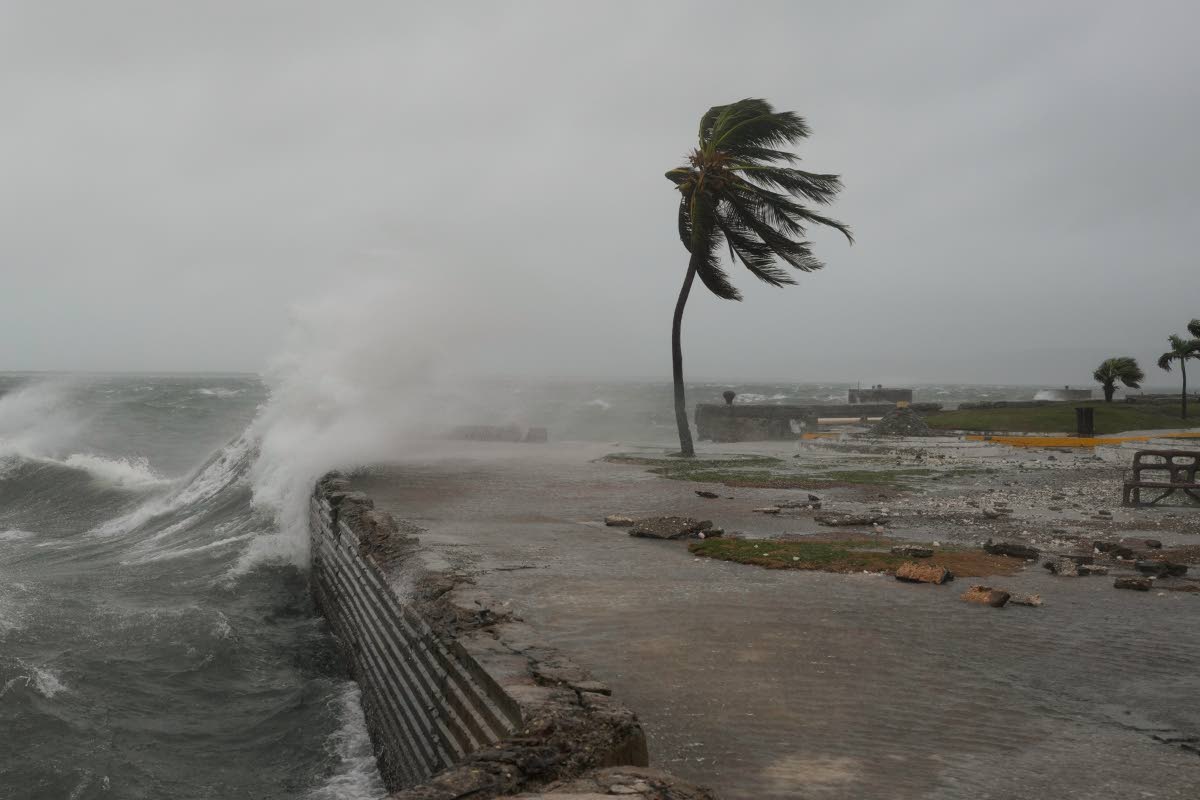
Message from monster Melissa
As Hurricane Melissa, one of the most powerful Atlantic cyclones in history, battered Jamaica, Haiti, the Dominican Republic, Cuba, and the Bahamas, it left behind a trail of devastation that underscores two critical issues: the escalating climate crisis and the indispensable role of Caribbean unity. The storm, with sustained winds exceeding 157 mph, caused significant damage, displacing thousands and claiming lives even before making landfall. Jamaican Prime Minister Andrew Holness reported severe impacts on infrastructure, including roads, hospitals, and properties, as the storm reached Category 5 intensity. In Haiti, floodwaters claimed 25 lives, including children, while Cuba evacuated 735,000 residents. The storm’s ferocity was fueled by unusually warm seawater, a direct consequence of climate change. UN Secretary-General António Guterres warned that humanity has already surpassed the 1.5°C global heating target, with devastating consequences for ecosystems worldwide. Despite these warnings, global discourse remains mired in political divisions, with oil and gas interests influencing populist agendas. Even figures like Bill Gates have downplayed the urgency, suggesting humanity can adapt to climate change. Meanwhile, regional leaders like Prime Minister Persad-Bissessar of Trinidad and Tobago have undermined Caribbean unity, prioritizing national interests over collective action. Hurricane Melissa serves as a stark reminder that no nation is an island; the Caribbean must stand together to face the existential threat of climate change.
-

Desperate times call for decisive action
The deployment of US warships in Caribbean waters, including one docked at the Port of Spain, has ignited a heated debate over regional security and the fight against the drug trade. While the US frames its actions as necessary to protect its citizens and the wider region from the scourge of narcotics, local voices have raised concerns about the implications of such military presence. The Antilles Episcopal Conference has issued a strongly worded letter condemning these actions and advocating for peace, questioning the long-term consequences of militarized interventions. In a region historically plagued by gang violence and the devastating effects of the drug trade, the arrival of US forces has been met with mixed reactions. Some view it as a decisive step toward curbing the narcotics epidemic, while others fear it undermines the Caribbean’s identity as a ‘zone of peace.’ The USS Gravely’s presence, however, sends a clear message to narco-terrorists that the region is no longer undefended. This development comes amid a broader call for unity and action against the drug trade, which has long ravaged communities and corrupted institutions. The Vatican has consistently condemned drug-related activities, with Pope Francis emphasizing that addiction is an evil that demands unyielding resistance. Yet, the Caribbean’s struggle against the narcotics economy remains fraught with challenges, including complicity and inaction. As the region grapples with these issues, the question remains: Can decisive action, even if led by external forces, bring about the peace and justice that decades of prayer and advocacy have sought?
-

TTMA CEO: ‘Looking beyond Caricom’
In a strategic move signaling a shift in economic priorities, Trinidad and Tobago (TT) Prime Minister Kamla Persad-Bissessar has announced a “significant realignment” in the nation’s foreign partnerships. Speaking on October 29, Persad-Bissessar emphasized the need to strengthen ties and foster cooperation with countries outside the Caribbean region. This announcement comes amidst a backdrop of geopolitical tensions, including disagreements within Caricom over the region’s designation as a “zone of peace” and strained relations with Venezuela due to TT’s support for the United States’ military presence in the area. These developments have led to Venezuela suspending energy deals with TT and labeling Persad-Bissessar as “persona non grata.” While some view this pivot as a potential risk to TT’s economic stability, Dr. Mahindra Ramesh Ramdeen, CEO of the Trinidad and Tobago Manufacturers Association (TTMA), sees it as a positive step. Ramdeen highlighted that the Prime Minister’s statement does not imply a cessation of trade with Caricom but rather a call to diversify and expand into new markets. He noted that the Caricom market, while significant, is saturated, and TT’s manufacturing sector must look beyond regional borders to sustain growth. Ramdeen also pointed to the impact of climate change, such as Hurricane Melissa’s devastation in Jamaica, as a reminder of the need for risk mitigation through market diversification. Despite geopolitical challenges, Ramdeen assured that private sector trade would remain resilient, emphasizing the importance of innovation and expansion. TT’s business community has already begun exploring opportunities outside Caricom, with conglomerates like Ansa McAL, Agostini, and Massy making inroads into markets such as the United States, India, and Europe. These moves, coupled with increased exports of products like Angostura rum, underscore the potential for TT to carve out a stronger global presence. Ramdeen concluded that this strategic shift is a natural trajectory for growth, essential for fostering the next generation of successful TT businesses.
-

Court of Appeal moves to clarify law
The Bail (Amendment) Act, passed last year with bipartisan support from both the PNM and UNC, introduced significant changes to how individuals accused of serious crimes are treated. This legislation was necessitated by a landmark Privy Council ruling that declared the long-standing ban on bail for murder charges unconstitutional. The amendment allows bail in ‘exceptional circumstances’ and permits those charged with murder to petition for release if the state fails to present evidence within 180 days or if a trial extends beyond a year. However, the law left ambiguity regarding whether the same standards apply in cases of prolonged trials.
On October 27, the Court of Appeal signaled its intention to address this unresolved issue. Justices of Appeal Gillian Lucky, Mira Dean-Armorer, and Carla Brown-Antoine have consolidated several ongoing cases to determine the correct legal test. The court will hear arguments in early 2026, weighing whether the legislative intent was to ease the burden on defendants, as argued by defense attorneys, or to maintain a high threshold even in cases of delay, as contended by the state. Stakeholders, including the Public Defenders’ Department, the Law Association, the Criminal Bar Association, and the Office of the Attorney General, will participate as interested parties.
Justice Lucky emphasized the need for a consistent approach, stating, ‘What is the correct test?’ This judicial intervention highlights deficiencies in the parliamentary process, as the ambiguity was raised during committee discussions when the bill was debated last July.
The urgency for clarity is underscored by recent observations from prison reform advocate Debbie Jacob, who noted that innocent individuals languish in prison for over a decade awaiting trial. A 2023 parliamentary committee survey further revealed that some citizens are reluctant to report crimes due to the ‘terrifyingly delayed process.’ The court’s move to clarify the law is a welcome step, potentially obviating the need for further legislative action.
-

Princes Town men win appeal against jail terms for disorderly conduct, obscene language
In a significant legal development, two men from Princes Town, Eric Phillip and Paul Phillip, have successfully appealed their 14-day jail sentences for disorderly behavior and using obscene language. The Court of Appeal, presided over by Justices Charmaine Pemberton and Carla Browne-Antoine, ruled on October 28 that the sentences imposed by Magistrate Lisa Singh-Phillip were excessive. The incident, which occurred on November 27, 2024, on Tarouba Link Road in San Fernando, involved a verbal altercation with police officers at the scene of a family member’s vehicle accident. Both men pleaded guilty to the charges, while their relative, who also faced charges, pleaded not guilty, with his case still pending. During the initial hearing, the men’s attorneys emphasized their clients’ good character and remorse, pleading for leniency. However, the magistrate sentenced each man to 14 days’ simple imprisonment for each offense, to be served concurrently. The men’s legal team, comprising Aaron Mahabir, Yves Jacques Nicholson, and Mathias Sylvester, argued on appeal that the custodial sentences were unduly harsh and disproportionate. The Court of Appeal agreed, stating that while the conduct was improper, it did not warrant imprisonment. The court invoked Section 149(2)(a) of the Summary Courts Act, which allows for the substitution of a more appropriate sentence. Consequently, the prison sentences were quashed, and fines of $200 were imposed for each charge, with a default term of seven days’ simple imprisonment. The attorneys also highlighted the outdated nature of laws on obscene language, describing them as relics of colonial history that suppress local cultural norms and expressions. They argued that such laws are inconsistent with modern principles of free expression and personal autonomy. The State was represented by Sabrina Dougdeen-Jaglal.
-

Misrepresentation of Privy Council
In a recent letter to the editor, E Galy’s critique of the Judicial Committee of the Privy Council’s role in the Jason Jones case demonstrates a profound misunderstanding of constitutional law and the judiciary’s function in a democratic society. Galy’s assertion that the Privy Council overstepped its bounds by altering the Constitution is not only incorrect but also dangerously misleading. This rebuttal seeks to clarify the constitutional principles at play and reaffirm the judiciary’s vital role in safeguarding the rule of law.
First and foremost, the Privy Council, as the highest appellate court for Trinidad and Tobago (TT), is tasked with interpreting and enforcing the Constitution. Section 2 of the Constitution explicitly designates it as the ‘supreme law of the land,’ rendering any inconsistent legislation void. The judiciary, not Parliament, is the ultimate arbiter of constitutional validity. This separation of powers is foundational to preventing elected dictatorship and ensuring democratic governance.
Second, the Jason Jones decision did not ‘change’ the Constitution but rather interpreted it in light of its guarantees of equality, privacy, and personal protection (sections 4 and 5). The court ruled that colonial-era laws criminalizing consensual adult acts in private violated these fundamental rights. This was not judicial activism but the fulfillment of the court’s constitutional duty to strike down laws that contravene the supreme law, as mandated by section 14(1).
Third, Galy’s claim that the court cannot render a law inoperable if it aligns with the Constitution is a fundamental misrepresentation of judicial review. Established in cases like Marbury v Madison (1803) and reaffirmed in Commonwealth jurisprudence, judicial review empowers courts to invalidate statutes inconsistent with the Constitution. This principle ensures that constitutional supremacy is upheld.
Fourth, Galy’s dismissal of ‘changed times’ as irrelevant to constitutional interpretation is misguided. The Constitution is a living document, as affirmed by the Privy Council in cases like Reyes v The Queen (2002) and Matthew v The State (2004). It must be interpreted in a manner that reflects evolving societal standards of dignity and equality.
Galy’s argument, rooted in theocratic posturing rather than constitutional reasoning, conflates religious morality with legal interpretation. This stance is incompatible with the secular rule of law enshrined in TT’s 1976 Constitution. Sovereignty lies with the people and the Constitution, not with religious dogma.
Finally, the assertion that judicial review ‘mutates’ civil and criminal law is legally untenable. When a law is declared unconstitutional, it is void ab initio, ensuring the coherence of the legal system. The judiciary’s role is to preserve constitutional order, not to subvert it.
In conclusion, the Privy Council’s decision in the Jason Jones case was a reaffirmation of constitutional supremacy and judicial duty. Public discourse must rise above misconceptions that equate judicial independence with political interference. The true tragedy lies in the persistence of such uninformed critiques in our public dialogue.
MOHAN RAMCHARAN
Birmingham, UK -

Windies claim T20 series win vs Bangladesh
The West Indies cricket team clinched an unassailable 2-0 lead in their three-match T20 series against Bangladesh with a 14-run victory in the second game, held on October 29 in Chattogram. Fast bowler Romario Shepherd was awarded Player of the Match for his stellar performance, taking 3/29, as the visitors defended their total of 149/9. The Windies’ innings was anchored by half-centuries from skipper Shai Hope (55) and Alick Athanaze (52), who built a solid 105-run partnership for the second wicket. Despite a valiant effort from Bangladesh’s opener Tanzid Hasan (61), the hosts fell short, managing only 135/8 in their chase. The West Indies’ bowling attack, led by Akeal Hosein (3/22), Shepherd, and Jason Holder (2/20), proved decisive in restricting Bangladesh. The final T20 of the series is scheduled for October 31.
-

Some budget concerns
The 2025-2026 budget of Trinidad and Tobago has sparked skepticism among analysts, including economist Trevor Sudama, who questions its ability to deliver sustainable economic improvements. While the budget aims to enhance citizens’ quality of life through diversification and innovation, Sudama highlights several concerns that undermine its credibility. The budget relies on overly optimistic revenue projections, which are unlikely to materialize, potentially widening the fiscal deficit. Increased borrowing may be necessary to cover the shortfall, raising concerns about long-term economic stability. Additionally, the budget lacks clarity on funding for newly announced job creation initiatives, further fueling doubts about its feasibility. A critical issue is the country’s lagging innovation capacity. Despite allocating funds to initiatives like the Research and Development Impact Fund and a national innovation program, the budget fails to outline concrete measures to foster innovation. Trinidad and Tobago ranks poorly in global innovation indices, with only a small percentage of firms engaged in innovative activities. The agricultural sector, identified as a key pillar for diversification, also faces significant challenges. Despite repeated incentives, agricultural output remains minimal, and food imports continue to rise. Sudama raises critical questions about the sector’s lack of scientific input, low youth participation, and underutilized resources. Without addressing these systemic issues, the budget’s proposed measures are unlikely to yield meaningful results. The budget’s ambitious goals, while commendable, appear disconnected from the economic realities and structural weaknesses that hinder sustainable growth.