
The Trinidad and Tobago (TT) women’s football team faced a challenging return to the pitch after a year-long hiatus, succumbing to a 4-1 defeat against Jamaica in a friendly match at the Ato Boldon Stadium in Balmain, Couva, on October 28. Despite the loss, co-coach Damian Briggs emphasized the positive takeaways, viewing the game as a crucial step in their preparation for the upcoming Concacaf Women’s Qualifiers and the 2027 FIFA Women’s World Cup in Brazil. The match marked TT’s first competitive outing in over a year, and the team showed glimpses of potential, particularly in the first half when Nikita Gosine equalized with a stunning strike after Jody Brown had given Jamaica an early lead. However, Jamaica dominated the second half, scoring three unanswered goals, including a fortuitous second for Brown in the closing minutes. Briggs praised his team’s energy and adaptability, highlighting the importance of learning from the experience as they aim to rebuild and refine their style of play. The TT squad, featuring a mix of local and overseas-based players, will next face Barbados on November 30 in their opening Concacaf qualifier. Briggs remains optimistic, stressing the need for continuous improvement and fitness as they navigate a challenging qualifying campaign.
标签: Trinidad and Tobago
特立尼达和多巴哥
-

The silent storm: TT grapples with rising tide of stroke, especially in the young
Stroke, once considered a condition primarily affecting the elderly, is now increasingly striking younger adults in Trinidad and Tobago, with devastating consequences for individuals, families, and society. On World Stroke Day (October 29), medical professionals are raising the alarm about this growing crisis, emphasizing that stroke is no longer confined to older populations. The two main types of stroke—ischaemic and haemorrhagic—are both on the rise, driven by factors such as hypertension, diabetes, obesity, and unhealthy lifestyles. Ischaemic strokes, caused by blood clots blocking brain vessels, account for 85% of cases, while haemorrhagic strokes, resulting from ruptured blood vessels, make up the remaining 15%. Both types share common risk factors, with uncontrolled hypertension being the most significant. The trend is particularly alarming among adults in their 30s, 40s, and 50s, who are increasingly falling victim to stroke due to poor diets, sedentary habits, and unmanaged stress. This shift not only imposes heavy medical costs but also leads to lost income, emotional trauma, and a decline in the nation’s productive workforce. To combat this, the BEFAST campaign—which stands for Balance, Eyes, Face, Arms, Speech, and Time—is being promoted as a critical tool for recognizing stroke symptoms and seeking immediate medical attention. Advances in treatment, such as thrombolysis and thrombectomy for ischaemic strokes, and neurosurgical interventions for haemorrhagic strokes, offer hope, but timely action is essential. The medical community is calling for a national effort to raise awareness, manage risk factors, and promote healthier lifestyles to prevent and treat stroke effectively.
-

The silent storm: Trinidad and Tobago grapples with rising tide of stroke, especially in the young
Stroke, once considered a condition primarily affecting the elderly, is now increasingly striking younger adults in Trinidad and Tobago. On World Stroke Day (October 29), medical professionals highlighted this alarming trend, emphasizing the urgent need for awareness and preventive measures. The story of Anita B, a 52-year-old market vendor from Chaguanas, illustrates the severity of the issue. Anita suffered a haemorrhagic stroke caused by a ruptured aneurysm, leading to a sudden, violent headache, nausea, blurred vision, and collapse. Her case is emblematic of a broader crisis unfolding across the nation. Strokes are broadly categorized into two types: ischaemic strokes, caused by blood clots blocking brain vessels, and haemorrhagic strokes, resulting from ruptured blood vessels. Both types share common risk factors, including hypertension, diabetes, high cholesterol, and obesity, which are prevalent in Trinidad and Tobago. The rise in stroke cases among individuals in their 30s, 40s, and 50s is attributed to unhealthy diets, sedentary lifestyles, and unmanaged stress. This trend carries significant economic and social consequences, as it affects breadwinners and families, leading to lost income and emotional strain. The BEFAST campaign—Balance, Eyes, Face, Arms, Speech, Time—is a critical tool for early detection and response. Immediate medical intervention is essential, as treatments like thrombolysis and thrombectomy can significantly improve outcomes if administered promptly. Dr. Nicholas N Maraj, a consultant neurologist, underscores the importance of public education, hypertension management, and national health policies to combat this growing crisis. Anita’s journey of recovery serves as a poignant reminder of the need for vigilance and proactive health measures to prevent strokes and protect the nation’s most valuable resource—its people.
-

Pan and Powder in Tobago
The streets of Scarborough came alive on October 25 as the annual Pan and Powder event marked a highlight of the Tobago carnival festivities. The celebration featured electrifying performances by renowned steel orchestras, including Hope Pan Groovers, Plymouth Bethesda Steel Sensations, T&TEC New East Side Dimension, Katzenjammers Steel Orchestra, RBC Redemption Sound Setters, Massy Trinidad All Stars Steel Orchestra, Steel Xplosion Steel Orchestra, NLCB Buccooneers Steel Orchestra, and bp Renegades Steel Orchestra. Pan Trinbago president Beverly Ramsey-Moore joined the festivities, showcasing her enthusiasm for the vibrant cultural tradition. Newsday photographer Alva Viarruel captured the essence of the event, documenting the energy and joy of pan enthusiasts as they followed the orchestras along Calypso Rose Blvd. The event not only celebrated Tobago’s rich musical heritage but also brought together locals and visitors in a spirited display of unity and creativity.
-
Venezuelan activist urges Trump to end Maduro’s rule
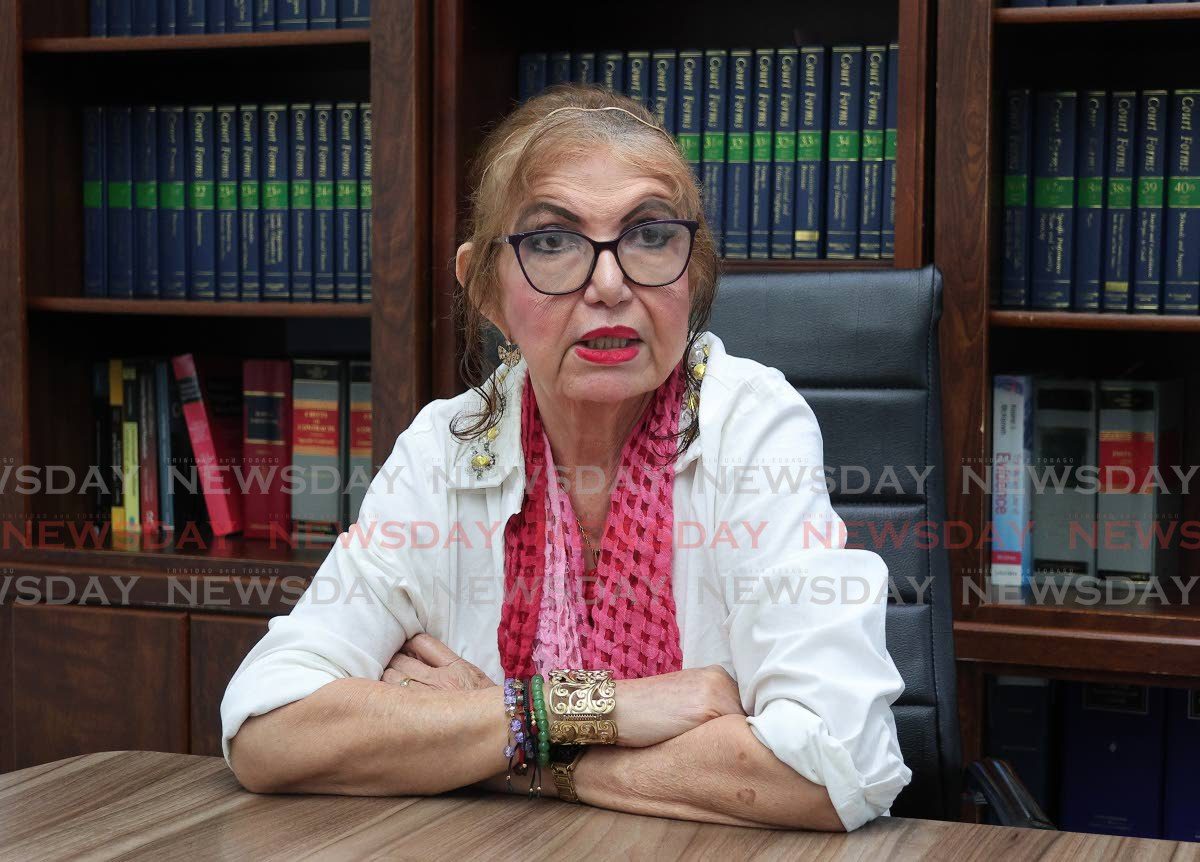
Venezuelan activist Yesenia González has voiced her strong support for US intervention in Venezuela, asserting that it is essential to end Nicolás Maduro’s rule and restore justice to the Venezuelan people. Speaking to a Newsday reporter at her office in Port of Spain on October 29, González expressed unwavering confidence that democracy would soon prevail in Venezuela. She criticized Maduro’s administration as a dictatorship, accusing him of severe human rights violations, suppression of free speech, and electoral fraud in the July 28 presidential election. González emphasized that Maduro’s presidency is illegitimate and called for the closure of the Venezuelan Embassy in Trinidad, describing it as an illegal entity. She also condemned Opposition Leader Penelope Beckles for hosting Venezuela’s ambassador, Álvaro Enrique Sánchez Corderoon, labeling it as inappropriate. González believes that US intervention will pave the way for new leadership in Venezuela, led by Edmundo González Urrutia and opposition leader María Corina Machado. She dismissed the National Assembly of Venezuela’s declaration of Trinidadian Prime Minister Kamla Persad-Bissessar as persona non grata, calling it a meaningless act by Maduro’s allies. González also addressed the issue of illegal immigration in Trinidad, urging the government to engage in dialogue rather than deporting migrants, whom she described as valuable contributors to the economy. She warned of potential violent uprisings by Maduro’s supporters in Trinidad and called for vigilance against criminal groups like Tren de Aragua. González concluded with a message of hope, urging Venezuelans to stay strong and Trinidadians to remain calm, expressing her belief that Maduro’s rule is nearing its end.
-

Calypso History Month: Telling our stories through calypso
In the midst of global challenges, the timeless art of calypso remains a unifying force, celebrated during Calypso History Month in October 2025. This year’s theme, ‘Calypso Unleashed: Boundless Harmonies,’ highlights the genre’s unique ability to educate, entertain, and unite. Declared in 2002, Calypso History Month honors the rich legacy of calypso, a musical tradition deeply rooted in Trinidad and Tobago’s culture. The Trinbago Unified Calypsonians’ Organization (TUCO) has played a pivotal role in preserving this art form, which traces its origins to the 1950s with legendary artists like Atilla the Hun, Lord Kitchener, and The Mighty Sparrow. Calypso, often described as ‘the voice of the people,’ has documented pivotal moments in the nation’s history, from political movements to social issues. Its educational value is unparalleled, with calypsonians like David Rudder and Brother Resistance using their lyrics to critique society and inspire change. Over the decades, calypso has addressed themes such as Caribbean unity, taxation, and global events, making it a powerful medium for storytelling. As the world grapples with modern challenges, calypso continues to resonate, offering a unique lens through which to view history and culture. With its enduring relevance, there is a growing call to integrate calypso into educational curricula, ensuring its legacy thrives for generations to come.
-

SoE detainees remain lawfully detained until November 2
A state of emergency (SoE) in Trinidad and Tobago, initially declared by the President on July 18 and extended by Parliament on July 28, has sparked confusion and legal challenges over its expiration date. While many detainees and their attorneys believed the SoE ended on October 28, government sources clarified that the emergency measures remain in effect until November 2. The SoE was authorized for a three-month period, with a second extension potentially pushing it into the new year. This clarification came amid threats of legal action from attorneys representing detainees held under preventive detention orders signed by Minister of Homeland Security Roger Alexander. They argued that continued detention after October 28 was unlawful, but government officials maintained that the extension is valid until November 2, and an upcoming parliamentary debate on October 31 to further extend the SoE does not affect the current detention orders. Over 80 detention orders have been issued so far. Commissioner of Police Allister Guevarro supported the government’s decision to seek a three-month extension, emphasizing the need for continued vigilance to maintain national stability. He acknowledged that while the initial threat prompting the SoE had been neutralized, criminal networks remain adaptive. Prime Minister Kamla Persad-Bissessar announced that the motion to extend the SoE will be debated in the House of Representatives on October 31, following a recommendation from Guevarro based on local intelligence and operational assessments.
-

Preedy back from Japan, ready for Acoustic Experience
National Freestyle Champion Akeem ‘Preedy’ Chance has recently returned from Japan, where he showcased his soca talents during the Soca in Japan festivities. Now, he is gearing up for his highly anticipated Acoustic Experience event, set to take place on November 2 in St Clair, Trinidad. Preedy expressed his pride in seeing soca music transcend borders, noting its ability to inspire and uplift people worldwide. Reflecting on his time in Japan, he described the culture as respectful and deeply appreciative of soca’s vibrant energy, which brings warmth and joy to its listeners. Despite the Japanese emphasis on calmness and control, Preedy observed that soca music serves as the perfect catalyst for moments of uninhibited celebration. His recent single, ‘Jammin,’ released ahead of Miami Carnival, has already garnered over 265,000 views in less than two weeks, signaling its widespread appeal. Preedy also teased an upcoming collaboration, hinting that attendees of the Acoustic Experience might get an exclusive preview. The event promises a unique, intimate connection with his audience, offering a fresh take on his beloved songs. For more details, fans can follow @iland_boy_preedy on Instagram and other social media platforms.
-

Senator: Screen for learning impediments earlier
Opposition Senator Janelle John-Bates has raised significant concerns regarding the government’s approach to child development and public servant compensation. During the Senate budget debate on October 27, John-Bates advocated for earlier screening of infants for learning impediments, arguing that the government’s proposed age of four to five is too late. She emphasized that early detection and intervention are crucial for addressing developmental delays in motor skills, speech, language, social and emotional skills, and cognition. John-Bates pointed out that other countries typically screen children between zero and three years old, leveraging the brain’s neuroplasticity during this critical period. She highlighted the importance of therapies such as speech, physical, occupational, and behavioral interventions to foster proper brain development. Additionally, John-Bates criticized the high cost of educational assessments and therapies, which can be prohibitive for many families. She also addressed the plight of single mothers facing the government’s 3.5% landlord surcharge, noting the difficulty of finding landlords willing to accommodate children. On the issue of public servant back-pay, John-Bates expressed skepticism about the government’s promise to deliver a 10% increase by Christmas, citing the absence of allocated funds in the budget. She graded the budget an ‘F,’ labeling it as ‘fluff, false, and fraudulent.’
-
Court of Appeal moves to clarify law
The Bail (Amendment) Act, passed last year with bipartisan support from both the PNM and UNC, introduced significant changes to how individuals accused of serious crimes are treated. This legislation was necessitated by a landmark Privy Council ruling that declared the long-standing ban on bail for murder charges unconstitutional. The amendment allows bail in ‘exceptional circumstances’ and permits those charged with murder to petition for release if the state fails to present evidence within 180 days or if a trial extends beyond a year. However, the law left ambiguity regarding whether the same standards apply in cases of prolonged trials.
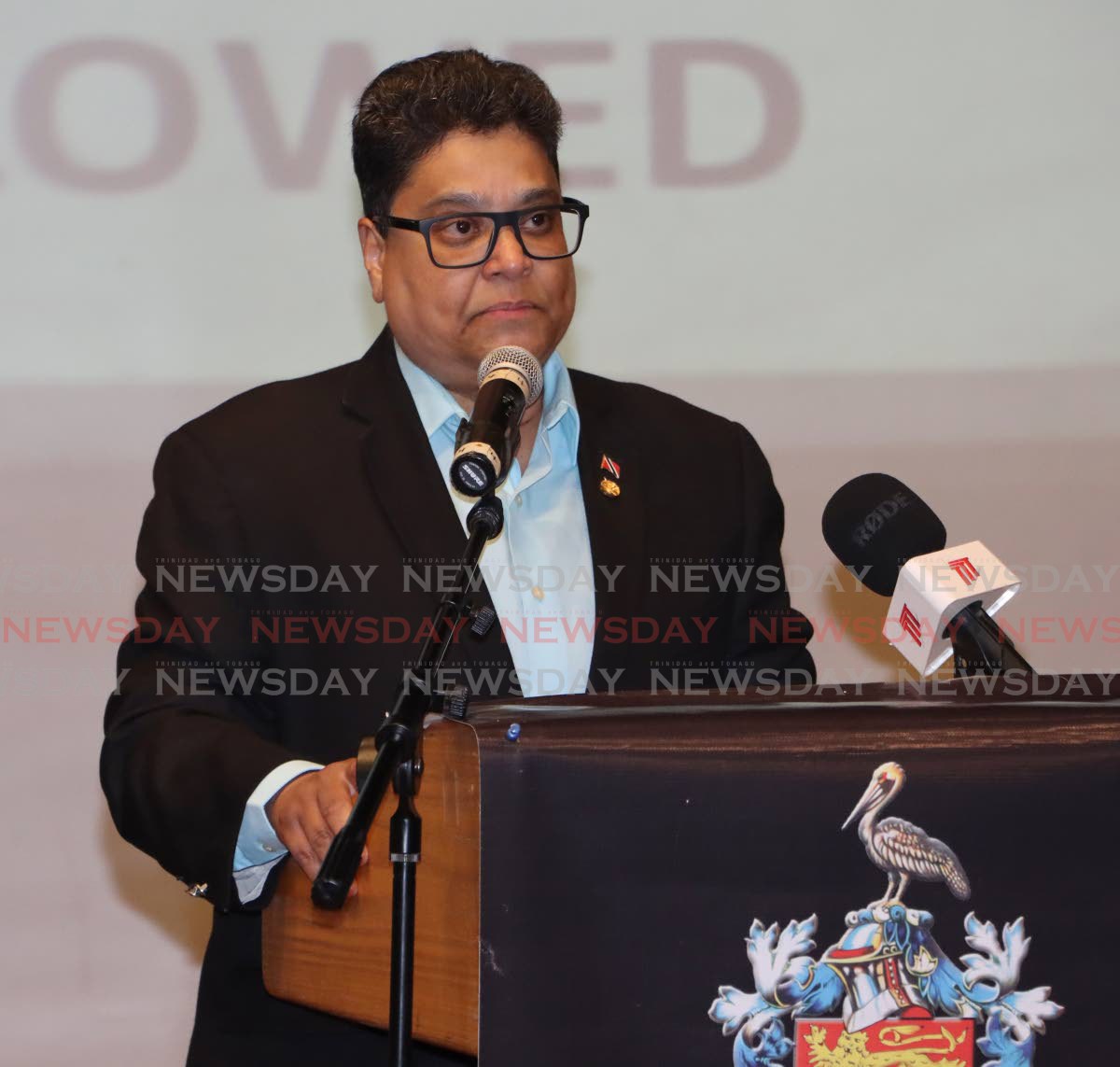
On October 27, the Court of Appeal signaled its intention to address this unresolved issue. Justices of Appeal Gillian Lucky, Mira Dean-Armorer, and Carla Brown-Antoine have consolidated several ongoing cases to determine the correct legal test. The court will hear arguments in early 2026, weighing whether the legislative intent was to ease the burden on defendants, as argued by defense attorneys, or to maintain a high threshold even in cases of delay, as contended by the state. Stakeholders, including the Public Defenders’ Department, the Law Association, the Criminal Bar Association, and the Office of the Attorney General, will participate as interested parties.
Justice Lucky emphasized the need for a consistent approach, stating, ‘What is the correct test?’ This judicial intervention highlights deficiencies in the parliamentary process, as the ambiguity was raised during committee discussions when the bill was debated last July.
The urgency for clarity is underscored by recent observations from prison reform advocate Debbie Jacob, who noted that innocent individuals languish in prison for over a decade awaiting trial. A 2023 parliamentary committee survey further revealed that some citizens are reluctant to report crimes due to the ‘terrifyingly delayed process.’ The court’s move to clarify the law is a welcome step, potentially obviating the need for further legislative action.