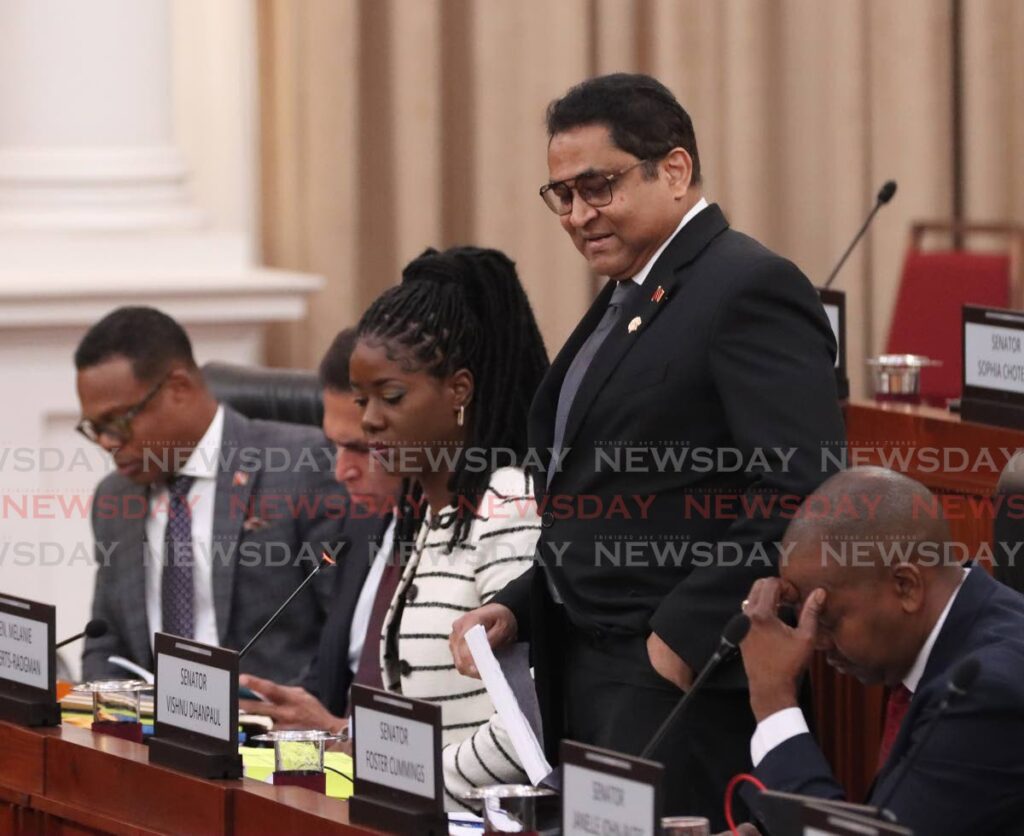
During a Senate debate on October 27, Opposition Senator Vishnu Dhanpaul and Independent Senator Anthony Vieira, SC, raised critical questions regarding the proposed increases in duties on alcohol and tobacco in Trinidad and Tobago’s 2025/2026 budget. The motions aimed to implement these duties, which Finance Minister Davendranath Tancoo estimated could generate approximately $800 million in revenue. However, Dhanpaul expressed skepticism about achieving this target, citing historical data from 2017 when a 20% increase in alcohol taxes led to a revenue drop from $900 million to $700 million. He also highlighted potential structural issues, such as increased smuggling and consumption of harmful products, as well as the cultural impact on traditions like Christmas and Carnival. Dhanpaul criticized the lack of a clear link between the tax hikes and public health benefits, noting that revenues would likely go directly into the Consolidated Fund rather than health initiatives. Vieira echoed these concerns, emphasizing the absence of stakeholder consultation and the adverse effects on businesses, tourism, and low-income earners. He warned that the sudden implementation of higher duties could disrupt cash flows, breach supply contracts, and make Trinidad and Tobago one of the most expensive destinations in the Caribbean for alcohol consumption. Both senators argued that the measures could erode social traditions and harm the hospitality sector, particularly small businesses and neighborhood bars. In contrast, Minister Kennedy Swaratsingh defended the tax hikes as part of a caring government’s efforts to uplift the poor and vulnerable, estimating potential health sector savings of $260 million.
标签: Trinidad and Tobago
特立尼达和多巴哥
-

Creating sustainable livelihoods
Trinidad and Tobago has taken a bold step toward reshaping its labor landscape with the introduction of an Employment Fund, designed to transition workers from the Community-Based Environmental Protection and Enhancement Programme (CEPEP) and the Unemployment Relief Programme (URP) into full-time, higher-paying roles. This initiative marks a pivotal shift from dependency-driven schemes to sustainable livelihoods, aiming to address long-standing structural underemployment issues. However, the success of this reform hinges on its alignment with the evolving demands of the labor market and the strategic development of human capital. The 2026 budget underscores key sectors such as tourism, hospitality, digital services, agriculture, and creative industries as pillars of economic diversification. To capitalize on these opportunities, the Employment Fund must foster partnerships with training institutions, industry associations, and professional bodies to ensure workers are equipped with both technical and behavioral competencies. Additionally, the fund must embrace entrepreneurship as a viable pathway to economic empowerment, particularly for women and youth, by providing access to skills training, mentorship, and financial resources. A robust labor market intelligence system will be essential to track progress and ensure the fund remains responsive to workforce needs. Ultimately, this initiative represents more than economic reform; it is a commitment to human dignity, offering workers the tools to thrive in a rapidly changing economy.
-

Southcom to lend assistance in providing hurricane relief to Jamaica
In the aftermath of Hurricane Melissa, which struck Jamaica on October 28, the United States Southern Command (Southcom) has emerged as a key player in facilitating relief efforts from Trinidad and Tobago. The devastating storm prompted a swift response, with relief supplies and personnel being mobilized from various sources. During a post-cabinet meeting at the Diplomatic Centre in St Ann’s on October 30, Trinidad and Tobago’s Minister of Foreign Affairs, Sean Sobers, highlighted Southcom’s involvement in the relief operations. Sobers stated, ‘We have liaised with Southcom to assist in transporting personnel and heavy equipment, such as generators and water tanks, to Jamaica.’ This announcement followed the Prime Minister’s oversight of the initial shipment of relief items to the hurricane-ravaged island. Southcom, a branch of the US military tasked with executing President Donald Trump’s anti-narco trafficking initiatives in the region, has been active in the Caribbean. In August, the US deployed three Aegis guided-missile destroyers off Venezuela as part of its efforts to combat drug cartels. The USS Gravely, one of these vessels, recently concluded a five-day visit to Trinidad and Tobago, though its role in the relief efforts remains unclear. The ship reportedly conducted training exercises with the local Defence Force during its stay. Southcom’s presence in the region has led to 14 strikes on alleged drug-smuggling boats, resulting in 61 fatalities.
-

Former AG urges public support for new CJ
Former Attorney General Ramesh Lawrence Maharaj, SC, has extended his congratulations to newly-appointed Chief Justice Ronnie Boodoosingh, emphasizing the need for the Judiciary to seize this transition as a pivotal moment to restore public trust in the justice system. In a statement issued on October 29, Maharaj lauded Justice Boodoosingh as “eminently qualified, deserving, and suitable” for the nation’s highest judicial office, praising his “dedication to duty, integrity, and commitment to the independence of the Judiciary and the rule of law.” Maharaj highlighted that Boodoosingh’s “calmness, patience, and fairness” are essential qualities for navigating the “serious challenges” currently facing the justice system. While acknowledging debates surrounding the consultation process preceding the appointment, Maharaj underscored the constitutional importance of ensuring fairness and transparency in selecting a Chief Justice, which he believes bolsters public confidence. He also recognized the contributions of former Chief Justice Ivor Archie but stressed the urgent need for reforms to address systemic issues. Maharaj called on the public to support Justice Boodoosingh in his efforts to tackle these challenges, reminding citizens that the courts are the guardians of their rights. Meanwhile, Senior Counsel Martin Daly criticized the appointment process as “poorly handled” and lacking transparency, despite supporting Boodoosingh’s elevation. Daly questioned the abrupt transition and the rushed consultation process, suggesting it weakened public trust. Attorney Yaseen Ahmed, a longtime colleague of Boodoosingh, praised his integrity and academic excellence, endorsing his appointment as Chief Justice.
-

CSME for creatives: Exporting culture, innovation
The Caribbean’s creative industries, spanning music, fashion, film, animation, digital design, and performing arts, are not only cultural treasures but also significant economic assets with the potential to reshape the region’s growth trajectory. Globally, creative and cultural industries (CCIs) contribute over US$2.3 trillion annually, accounting for 3.1% of global GDP and supporting nearly 30 million jobs. However, in the Caribbean, where creativity is deeply ingrained in national identity, the economic potential of the Orange Economy remains largely untapped due to fragmented markets, inconsistent regulations, limited capital, and small domestic audiences. The Caribbean Single Market and Economy (CSME), a core initiative of Caricom, offers a promising solution by removing barriers and enabling seamless cross-regional operations for creatives. The CSME facilitates the free movement of goods, services, capital, and skilled labor, providing access to an estimated 18 million consumers and fostering collaboration and specialization across borders. By eliminating redundant customs procedures, work permit requirements, and inconsistent VAT regimes, the CSME reduces transaction costs and expands opportunities for creative enterprises. Research by the United Nations Trade and Development (UNCTAD) indicates that creative industries in emerging economies can double their export revenues when regional markets are effectively integrated—a lesson the Caribbean is well-positioned to apply. For instance, a Jamaican filmmaker could collaborate with Barbadian actors, utilize Trinidadian post-production facilities, and distribute across Caricom territories, creating high-quality products at competitive costs. Similarly, a Saint Lucian fashion designer could source sustainable textiles from Suriname, manufacture garments in Trinidad and Tobago, and ship them duty-free throughout the region. These cross-border value chains enhance efficiency, quality, and diversity, making the creative sector more resilient and globally competitive. To ensure the CSME’s continued growth, grant programs and cross-border market access should be tied to clear integration criteria, such as requiring at least 30% of a product’s value to be derived from within Caricom. Legal harmonization, including the Caricom Skilled Nationals Certificate and improved intellectual property (IP) protection, further strengthens the foundation for creatives to license and monetize their work. Realizing the full potential of the Orange Economy requires a deliberate strategy that connects regional integration with measurable economic outcomes, including recognizing the economic and cultural value of creative industries, expanding regional participation, protecting IP, investing in infrastructure, building entrepreneurial capacity, and measuring performance through reliable data. Policymakers and private sector leaders must recognize these as interdependent processes that reinforce each other. For example, investment in digital infrastructure facilitates regional collaboration, enhancing competitiveness and attracting international financing. A modern, regional digital platform could serve as both a marketplace and a knowledge hub, showcasing regional talent, streamlining licensing processes, and connecting creators with international buyers and investors. The Caribbean’s creative economy must balance cultural authenticity with economic pragmatism, integrating fragmented markets, reducing friction, fostering mobility, and enabling collaboration to create a foundation for sustainable growth. Regional governments must commit to enforcing and modernizing CSME provisions, while creative entrepreneurs must view the Caribbean as a unified platform to showcase and commercialize talent. By doing so, the region’s rich cultural heritage, combined with modern business practices and regional cooperation, can generate income, create jobs, and project Caribbean identity on the global stage.
-
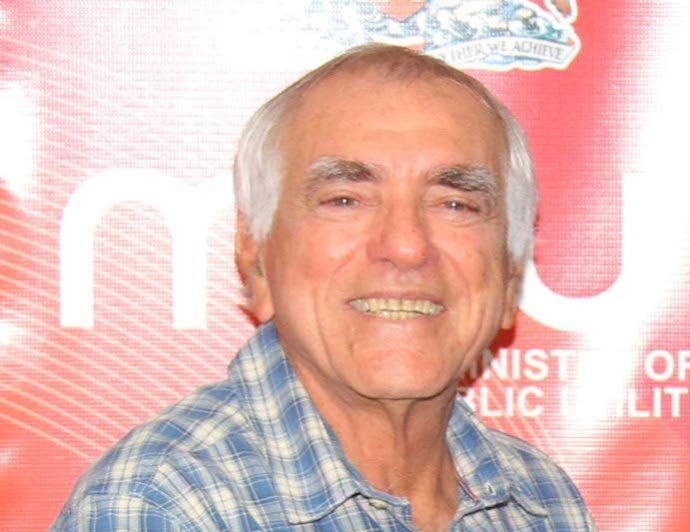
NH International loses Privy Council appeal over MoE piling job
In a landmark ruling, the Privy Council has dismissed an appeal by NH International (Caribbean) Ltd, affirming that Gordon Winter Company Ltd is entitled to payment for piling work completed at the Ministry of Education building site in 2006. The dispute, which has spanned over a decade, centered on unpaid work performed by Gordon Winter, a subcontractor hired for the ten-story project. The case highlights the complexities of construction contracts and the legal principles governing payment disputes. The piling work, which proved more challenging than anticipated due to adverse soil conditions, required variations from the original specifications. While Gordon Winter was compensated for some of its work, payments ceased after April 2006, prompting the company to halt operations in June of that year. Gordon Winter sought payment on a contractual quantum meruit basis, arguing that NH International had been unjustly enriched by its work. NH International, however, counterclaimed that Gordon Winter had breached the contract by abandoning the project. The Privy Council, led by Lord Burrows, rejected NH’s arguments, emphasizing that Gordon Winter’s claim for payment was valid under the contract. The ruling upheld the Court of Appeal’s decision, which had reduced NH’s damages for delay to $350,000 and referred Gordon Winter’s claims for additional costs to a master in chambers for assessment. The Privy Council’s decision underscores the importance of honoring contractual obligations and ensuring fair compensation for work performed, even in cases where procedural complexities arise. The judgment also reaffirms the principle that parties cannot be denied payment for work clearly executed under contract, regardless of technical legal arguments.
-

Athanaze hails bowlers as West Indies clinch T20 series win over Bangladesh
The West Indies clinched a decisive 14-run victory over Bangladesh in the second T20 match on October 29, 2025, securing an unassailable 2-0 lead in the three-match series. The win, achieved at the Bir Shreshta Shahid Flight Lieutenant Motiur Rahman Cricket Stadium in Chattogram, was largely attributed to the team’s disciplined bowling performance, which restricted the hosts to 135/8 after posting a modest 149/9.
-

Exploring Trinidad and Tobago’s capital market
Trinidad and Tobago’s economic future hinges on the development of a robust and inclusive capital market that can mobilize private investment and bolster public confidence. This was the central message at the TT Stock Exchange’s Capital Markets and Investor Conference 2025, held on October 24 in Port of Spain. Key stakeholders, including government officials and private-sector experts, emphasized the need to shift from state-driven growth to private-sector-led development. Dr. Kennedy Swaratsingh, Minister of Planning, Economic Affairs and Development, highlighted the government’s role in creating an enabling environment through legislation and policy, while urging broader participation in the TT Stock Exchange (TTSE) to enhance liquidity. Finance Minister Davendranath Tancoo announced initiatives such as a state-sponsored Real Estate Investment Trust and a $1 billion National Investment Fund bond, aimed at democratizing ownership and stimulating the domestic market. Central Bank Governor Larry Howai underscored the importance of balancing monetary policy with capital-market growth, while exploring digital innovations like tokenization and Central Bank Digital Currencies (CBDCs). Anthony Zamore of PricewaterhouseCoopers (PwC) discussed the transformative potential of AI, blockchain, and tokenization in reshaping global finance, urging Trinidad and Tobago to embrace these technologies to attract global investors. Andre Jeffers of Ansa McAL called for bridging the gap between private businesses and public markets to ensure the sustainability of generational enterprises. The conference concluded with a unified call for immediate action to implement these reforms and drive the nation’s next phase of economic development.
-
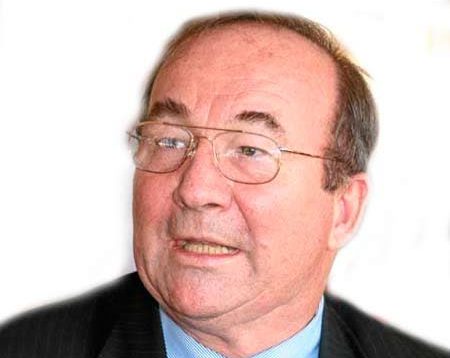
Privy Council: Las Alturas CoE treated Calder Hart unfairly
In a landmark decision, the Privy Council has upheld a 2023 Court of Appeal ruling in favor of Calder Hart, former chairman of Udecott, affirming that he was denied natural justice during the 2016 Las Alturas commission of enquiry (CoE). The commission had blamed Hart for the collapse of the Morvant housing project, but the Privy Council, led by Lord Clark and supported by Lords Sales, Leggatt, Lady Rose, and Lady Simler, ruled on October 30 that the commission breached Hart’s right to procedural fairness by publishing adverse findings without allowing him to respond. The judges emphasized that natural justice requires individuals to be given the opportunity to defend themselves against criticism, a principle that was violated in Hart’s case. The commission’s findings, which held Hart personally accountable for the project’s failure, were quashed, as they were deemed to have been arrived at in breach of natural justice. The Las Alturas project, plagued by landslides and structural failures, resulted in significant public losses and the demolition of two apartment buildings. The Privy Council’s ruling underscores the importance of fairness in judicial processes, regardless of an individual’s participation in an inquiry. The commission’s appeal, arguing that Hart had declined to participate and that fairness did not require prior notice, was dismissed. The Privy Council also rejected the commission’s claim that extending the inquiry to allow Hart to respond would have been inappropriate, stating that the seriousness of the findings demanded prior warning. This ruling reaffirms the fundamental principle that no one should be condemned unheard.
-

Cardines features in Crystal Palace’s Carabao Cup win over Liverpool
In a stunning display of skill and strategy, Crystal Palace secured a decisive 3-0 victory against Liverpool in the fourth round of the Carabao Cup at Anfield on October 29. The match marked a significant moment for 19-year-old Trinidad and Tobago defender Rio Cardines, who made a substitute appearance in the 74th minute, replacing Daniel Munoz. By the time Cardines entered the field, Palace had already established a 2-0 lead, thanks to a first-half brace from Senegalese forward Ismaila Sarr. Liverpool’s hopes of a comeback were further dashed when Amara Nallo received a red card just 12 minutes after coming off the bench. The final blow came in the 88th minute when Yeremy Pino scored, sealing Palace’s place in the quarterfinals. This victory is particularly sweet for Palace, as it follows their recent 2-1 Premier League win over Liverpool. The quarterfinal will see Crystal Palace face Arsenal on December 16, while other matches include Manchester City vs. Brentford, Cardiff City vs. Chelsea, and Fulham vs. Newcastle. For Cardines, this marks his second first-team appearance this season, following his debut in the UEFA Conference League against Dynamo Kyiv on October 2.