标签: Trinidad and Tobago

特立尼达和多巴哥

  • Murdered Guerra ‘a man of love’

    Murdered Guerra ‘a man of love’

    The funeral service for contractor and businessman Danny Anthony Guerra became a platform for unity and reflection as more than 100 mourners gathered at St Francis RC Church in Sangre Grande yesterday. The emotional ceremony highlighted both Guerra’s controversial public perception and his personal legacy as remembered by those closest to him.

    Marlon Grant, identifying himself as Guerra’s employee, delivered a powerful eulogy addressing the conflicting narratives surrounding the deceased businessman. “Forget the noise…stay together, stay strong,” Grant urged attendees, echoing what he described as Guerra’s characteristic command: “Aye, allyuh, let we go!” Grant shared personal experiences of Guerra as a man who embodied progress, discipline, vision, and love—qualities that contrasted with some public opinions.

    The service revealed Guerra’s remarkable journey from humble beginnings selling pork to becoming a significant property developer. Through his company DG Homes, Guerra had expanded his operations from Sangre Grande to other regions including Cunupia, helping numerous individuals achieve homeownership according to Grant’s testimony.

    Notable absences marked the ceremony, with several immediate family members including Guerra’s daughter Daniella—initially scheduled to speak—not in attendance. Lucy Guerra Ramroop, Guerra’s aunt, stepped in to emphasize the importance of celebrating his life and supporting his four children: Garvin, Daniella, Daniel, and another daughter.

    The visual tributes spoke volumes about Guerra’s impact, with mourners—including Venezuelan migrants—wearing custom jerseys bearing his image and the words “discipline, visionary, driven.” A life-sized cardboard cutout stood vigil in the church as final respects were paid.

    Following the service, a procession accompanied Guerra’s body to Turure Public Cemetery for burial. While police presence was noted nearby, the proceedings concluded without incident according to official sources.

    The ceremony occurred against a complex backdrop of legal challenges and unresolved violence. Guerra had been detained last November under a Preventative Detention Order that identified him as an organized crime leader involved in arms trafficking, money laundering, and illegal quarrying. Though released in January after nearly six weeks, his life ended violently on March 13 when armed men ambushed him outside his business establishment. As of yesterday, no arrests have been made in connection with his killing.

  • Explosion, inferno devastate superstore in Longdenville

    Explosion, inferno devastate superstore in Longdenville

    A catastrophic fire and subsequent explosion ravaged the Mitsuda Superstore on Longdenville Old Road yesterday afternoon, causing extensive structural damage and triggering mass evacuations in the Enterprise community. The conflagration, which ignited around 12:30 p.m., resulted in multi-million dollar losses and significant collateral damage to adjacent residences.

    The Trinidad and Tobago Fire Services (TTFS) Central Division responded with multiple fire tenders within minutes of notification, though firefighters noted operational challenges due to inadequate water pressure. Their coordinated efforts prevented serious injuries, although several employees and residents required medical attention for smoke inhalation.

    The compound’s destruction represents both an economic and community tragedy, housing not only grocery and household goods sections but also agricultural supplies and wholesale operations. The subsequent explosion shattered windows in surrounding homes, particularly affecting Jack Street residents who were forcibly evacuated—including children, elderly citizens, and an individual with special needs.

    Local resident Wendell Grimshaw reported comprehensive damage to his property, noting the psychological impact on his children from the blast. The incident evoked traumatic memories of a similar 2021 fire at Seumeds Ltd. on Citrus Drive, raising concerns about fire safety protocols in commercial-residential border zones.

    Employees expressed profound grief over the destruction, with one 42-year-old staff member highlighting the potential unemployment crisis for single mothers employed at the establishment. The superstore’s absence creates an economic vacuum, previously generating substantial commercial traffic that benefited adjacent small businesses like food vendor Charmaine Alleyne’s operation.

    Mitsuda management addressed the disaster through an official Facebook statement, emphasizing employee safety and community resilience: “With your continued support, we will rebuild and come back stronger than ever.” The company confirmed its St. Augustine branch remains operational during recovery efforts.

    Concurrently, TTFS issued urgent public advisories against unauthorized burning during the ongoing dry season, noting repeated bush fire responses in Citrus Drive and Ragoonanan Road areas. Fire officials emphasized that discarded cigarettes, glass bottles magnifying sunlight, and deliberate rubbish burning pose severe community threats through airborne embers and rapid fire spread.

    Disaster Management Unit chair Brenda John coordinated municipal support for affected residents as firefighting operations continued past nightfall, with reignited flames requiring additional tender deployments and medical standby services.

  • Puppies thrown over gate: Animal cruelty crisis deepens

    Puppies thrown over gate: Animal cruelty crisis deepens

    A distressing incident of animal abandonment has exposed the severe pressures facing Trinidad and Tobago’s primary animal welfare organization. On Tuesday, the Trinidad and Tobago Society for the Prevention of Cruelty to Animals (TTSPCA) discovered eight puppies and three adult dogs abandoned outside their compound, with several puppies thrown over the gate and one dog tied directly to the fence.

    Operations Manager Sarah Agostini revealed this event represents an escalating pattern of animals being dumped at their facility. Through social media communications, the TTSPCA urgently appealed to the public: “Please, do not dump animals. If you are struggling, come in and talk to us. We will always try to help or guide you.”

    The organization emphasized the life-threatening dangers of such abandonments, noting that roaming dogs in the area could easily have attacked or killed the vulnerable animals. While relieved these particular animals were found safe, officials warned the situation could have ended tragically.

    Agostini detailed the ongoing challenges in a telephone interview, explaining that abandonment methods include both tying animals to fences and literally throwing them over gates. The shelter is currently attempting to rescue one dog that has evaded capture for two weeks despite regular feeding attempts.

    The crisis extends beyond immediate animal welfare concerns. According to Agostini, the TTSPCA faces overwhelming systemic challenges due to the complete absence of operational government pound facilities or dog-catching units for approximately five to seven years. As the only open-admission shelter in Trinidad and Tobago, they shoulder the burden of stray and unwanted animals without government subsidies or consistent funding.

    The facility currently houses approximately 40 cats and 120 dogs and puppies, operating at strict capacity limits to avoid overcrowding. Agostini revealed the organization has received only three government subventions in ten years, primarily allocated for infrastructural repairs rather than daily operations.

    Compounding these problems, promised animal welfare regulations developed in 2019 have failed to materialize, leaving enforcement mechanisms weak and ineffective. The TTSPCA attempts to provide alternatives through partnerships with the Animal Welfare Network, offering food supplies, veterinary treatment, and social media adoption campaigns.

    Agostini identified spaying and neutering as critical prevention measures, citing partnerships with local businesses like Donut Boys for reduced-cost initiatives. However, she characterized these efforts as “a drop in the ocean” given the scale of unwanted animals. Educational programs in primary and secondary schools aim to address root causes by teaching future generations about animal cruelty prevention.

    The operations manager concluded that the crisis extends beyond her organization, affecting all rescue groups and NGOs involved in animal welfare throughout Trinidad and Tobago, with lack of legislative enforcement and systemic support remaining fundamental obstacles.

  • Alexander slams Rowley over ‘irresponsible’ comments on police use of force

    Alexander slams Rowley over ‘irresponsible’ comments on police use of force

    Trinidad and Tobago’s political landscape has been rocked by a heated exchange between current Homeland Security Minister Roger Alexander and former Prime Minister Dr. Keith Rowley over law enforcement policies and gender-based insults.

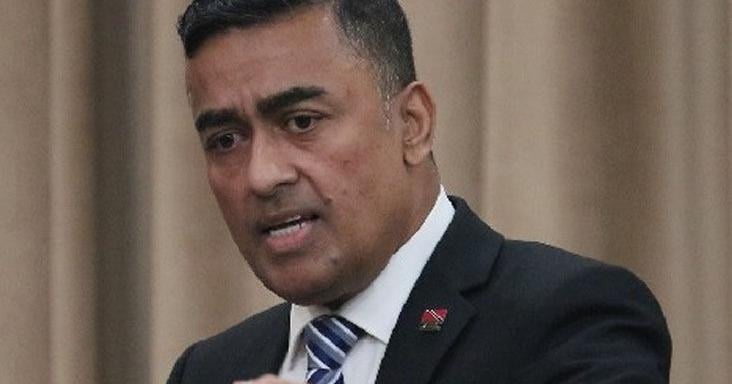
    Minister Alexander launched a scathing critique of Rowley’s recent statements suggesting that law enforcement might be encouraged to use lethal force against suspected individuals on land. This came in response to Rowley’s interpretation of legal advice obtained by the Attorney General regarding US kinetic strikes against drug trafficking vessels in international waters.

    Alexander emphasized that the Trinidad and Tobago Police Service operates under a strict ‘use of force’ policy that clearly delineates when deadly force may be employed within legal boundaries. He characterized Rowley’s comments as “irresponsible and reckless” and suggested they could embolden criminal elements while undermining police authority.

    The controversy deepened as Alexander condemned Rowley’s use of the term “jamette” to describe Prime Minister Kamla Persad-Bissessar. The Minister expressed profound disappointment as an African male, highlighting the importance of respecting women and condemning derogatory language in political discourse. He questioned whether Rowley would use such language toward his own family members and emphasized the cultural values of honoring women.

    Rowley’s original comments stemmed from his concerns about the government accepting legal opinion that justified US maritime strikes against drug boats as acts of self-defense under international law. The former PM extrapolated this reasoning to suggest it could create an “inducement” for security forces to employ similar tactics on land without proper judicial oversight.

    The exchange also touched upon historical procurement decisions regarding Offshore Patrol Vessels and accusations between political parties about responsibility for the country’s crime situation, revealing deep political divisions in addressing national security challenges.

  • Hunt on for ‘family friend’

    Hunt on for ‘family friend’

    The tranquil community of Cedros, Granville, has been shattered by the brutal murder of 28-year-old Rashme Deoajit, a beloved local cricketer found slain in her Tat Trace residence on Tuesday afternoon. The victim was discovered by her brother with fatal stab wounds and her throat slit, in what investigators describe as a deeply personal crime.

    According to homicide reports, the primary suspect is a male acquaintance whom Deoajit had generously allowed to stay at her home despite his impoverished circumstances. The investigation reveals that on Monday evening, Deoajit, her brother, and the suspect had been socializing with alcohol at her residence before moving to a friend’s nearby home around 6 p.m. Witnesses reported seeing Deoajit and the suspect engaged in a heated argument approximately two hours later, after which they departed together.

    The tragedy unfolded the following day when Deoajit’s brother became concerned after receiving no response to his calls at her locked home. Forcing entry through a window, he made the horrific discovery of his sister’s blood-soaked body in her bedroom, prompting immediate alarm among family members who contacted authorities.

    Deoajit’s grieving father, Sookraj Deoajit, emotionally recounted his daughter’s compassionate nature, revealing she had taken in the suspect—a friend of her cousin—simply because he had nowhere else to go. ‘She was soft-hearted,’ he wept, using his affectionate nickname ‘Pumpkin’ for his daughter. The father confirmed there was no romantic relationship between them, with the suspect merely performing household chores while Deoajit worked as a sales merchandiser.

    The family’s devastation is compounded by the loss of a talented athlete who represented Cedros Secondary School and numerous cricket clubs nationwide, earning widespread respect for her sportsmanship. Her mother, Savita Deoajit, joined calls for justice, urging authorities to address escalating violent crime while remembering recent beach outings with her daughter.

    In response to the tragedy, the bereaved father has demanded the reinstatement of capital punishment for murder convictions, arguing that taxpayer funds should not support incarcerated violent offenders while crimes continue unchecked. The case has drawn disturbing parallels to other recent murders of young women, highlighting growing community concerns about safety and judicial effectiveness.

  • Doubles vendor’s son kidnapped; ransom demanded

    Doubles vendor’s son kidnapped; ransom demanded

    A violent abduction has shaken the community of Aranjuez as 21-year-old Cody Narine, son of a local doubles vendor, remains captive following his kidnapping by armed assailants. The incident occurred in the early hours of Wednesday morning at Tyrico Bay on Trinidad’s North Coast, where seven armed men reportedly seized the young man.

    According to family sources, Narine had left his John-Dulam Street residence on Tuesday evening, informing relatives of his intended destination without providing specific reasons for the trip. The abduction took place approximately at 1 a.m., with subsequent confirmation coming via a ransom demand of US$50,000 communicated directly to the family.

    The Express visited the Narine family residence, where visible signs of their food business ‘Donkee + Audie’s Doubles’ marked the property. Family members maintained a guarded silence, though one relative confirmed the ransom demand while others gathered in quiet concern beneath the house. Neighbors described Cody as a familiar presence in the community and praised the family’s culinary business.

    This kidnapping marks Trinidad’s first ransom abduction for 2026, following the high-profile December kidnapping of businessman Derrick Tardieu and his wife Claribel. In that previous case, kidnappers initially demanded US$2.5 million before reducing their request to TT$100,000, with both victims eventually released after ransom payments.

    The Anti-Kidnapping Unit has launched a full investigation into Narine’s abduction, deploying specialized resources to secure his safe return while addressing the concerning pattern of ransom-driven criminal activity in the region.

  • Warns Quarry faces 16 money laundering charges

    Warns Quarry faces 16 money laundering charges

    A subsidiary of the Warner Group conglomerate is confronting sixteen distinct money laundering charges following an extensive financial investigation into suspected illegal quarrying operations. Law enforcement officials disclosed in a recent press statement that Warns Quarry Company Ltd faced these criminal allegations after receiving formal guidance from the Office of the Director of Public Prosecutions (DPP).

    Court documents reveal that initial complaints were formally submitted on March 5th, with summonses subsequently delivered to company director Allan Warner at his Woodbrook residence this past Wednesday. The judicial proceedings have been calendared for April 27th, marking the next phase in this developing legal confrontation.

    Investigative authorities indicate these charges represent a single component within a broader examination of purportedly unlawful quarrying activities, with particular forensic attention directed toward financial transactions and fund movements allegedly connected to these operations. This development amplifies existing legal challenges for the Warner Group, a diversified corporation with substantial investments across construction, quarrying, and real estate sectors.

    The current money laundering case emerges alongside previously instituted legal actions against the conglomerate. In a separate 2022 proceeding, 74-year-old Allan Warner, his son Aluko Warner, and multiple associates faced charges of processing mineral aggregates without mandatory licensing, constituting violations under the Minerals Act. Warner voluntarily surrendered to authorities accompanied by legal counsel and secured release after posting $100,000 bail with surety. That case continues pending review at the Arima Magistrates’ Court.

    Those earlier allegations originated from police operations at a Wallerfield processing facility where law enforcement reportedly discovered operational machinery lacking required regulatory approvals. Beyond criminal proceedings, Warner Group entities have pursued litigation within the High Court challenging regulatory interventions by state agencies, including enforcement actions and compliance mandates affecting quarrying operations.

  • Areas of daily traffic pain

    Areas of daily traffic pain

    A comprehensive parliamentary investigation has revealed severe systemic failures in Trinidad and Tobago’s traffic management system, with Wrightson Road in Port of Spain emerging as a critical pain point. The Joint Select Committee’s final hearing on traffic efficiency uncovered multiple dimensions of the transportation crisis affecting major corridors across the nation.

    The inquiry identified several problematic zones including Chaguaramas, the southbound lane of Uriah Butler Highway, and various districts in South Trinidad and Chaguanas. Committee member Phillip Alexander highlighted the daily gridlock on Wrightson Road between 3-6 PM, demanding accountability from the Port Authority of Trinidad and Tobago (PATT) regarding its impact on traffic flow.

    Alexander proposed strategic interventions including staggered port operating hours, scheduled heavy vehicle movements, and enhanced collaboration with business stakeholders. He specifically recommended restricting trucks over five tonnes during peak periods and implementing gate closures at strategic times.

    Port of Port of Spain acting CEO Candice Baptiste defended the facility’s operations, revealing that 92% of truck movements occur outside peak hours with an average throughput of 17 trucks hourly. Baptiste cautioned against rigid scheduling, emphasizing the port’s role as an interconnected ecosystem that cannot control cargo reception timelines. She warned that restrictive measures might impose additional costs on businesses and logistics providers.

    Transport Ministry engineers presented a broader perspective, identifying Chaguaramas port operations and seasonal festival traffic as compounding factors. Chief Engineer Anande Piggott described Chaguanas as a particularly complex case where commercial growth has dramatically outpaced road infrastructure development. The proliferation of unauthorized taxi stands emerged as a persistent challenge, with relocation efforts often disadvantaging vulnerable commuters and students.

    Transport Commissioner Clive Clarke attributed the crisis to deficient development planning, noting that road infrastructure has failed to keep pace with commercial expansion and vehicle population growth. He emphasized that strengthened law enforcement, including rigorous driver licensing and vehicle inspections, could significantly alleviate congestion.

    Officials acknowledged institutional challenges including staffing shortages that hamper inter-agency coordination. The ministry emphasized ongoing efforts to modernize transportation infrastructure through police collaboration and public consultation processes. Chief Traffic Warden Neville Sankar revealed critical manpower deficiencies, noting complete absence of traffic wardens in Tobago and insufficient coverage in Trinidad.

    The committee concluded that solving Trinidad’s traffic woes requires multi-faceted approaches addressing infrastructure deficits, enforcement mechanisms, and behavioral changes among motorists.

  • SHE’S OUT OF PLACE

    SHE’S OUT OF PLACE

    A significant institutional conflict has emerged between Trinidad and Tobago’s Tertiary Education Ministry and the leadership of the University of the West Indies (UWI) regarding the planned relocation of the Faculty of Law to the Debe South Campus. Minister Dr. Prakash Persad has expressed profound shock and disapproval after UWI officials informed students of a government-mandated relocation without proper authorization.

    The controversy stems from an official email dispatched on March 18, 2026, by Law Dean Dr. Alicia Elias-Roberts, which asserted that the government had ordered the law school’s transfer to the Debe facility by August 2026. The communication detailed a recent site inspection conducted by university administrators and media representatives, and scheduled town hall meetings to address student concerns.

    Minister Persad vehemently disputed the university’s claims during an interview, emphasizing that no definitive government policy exists regarding the campus’s future. He revealed that during a January 19 meeting with all stakeholders—including UWI Principal Prof. Rose-Marie Belle Antoine and representatives from Palo Seco Agricultural Enterprises Ltd—it was explicitly communicated that final decisions would require Cabinet approval led by Prime Minister Kamla Persad-Bissessar.

    The minister characterized the university’s actions as particularly discourteous, noting that neither his ministry nor the construction contractors received prior notification about the media visit to the ongoing construction site. He reiterated that the Debe campus remains under government supervision until renovation works are completed and officially handed over to UWI.

    Historical context reveals the campus represents a $600 million project initially conceived during Persad-Bissessar’s first administration (2010-2015). Despite its original purpose to host management studies, psychology, economics, education, and law programs, the facility has remained largely inactive for nearly a decade, seeing only temporary use as a COVID-19 step-down facility.

    The current administration has committed to revitalizing the abandoned campus, with Minister Persad assuring that necessary corrections are underway to prepare the facility for potential September occupancy. However, he maintains that ultimate determinations regarding the campus’s academic purpose will be made at the cabinet level, not by university administration.

    University officials have not provided immediate commentary regarding the minister’s statements, leaving unresolved the tension between institutional autonomy and governmental oversight in Trinidad’s higher education landscape.

  • Padarath: Rowley ‘despicable’ for calling PM a ‘jamette’

    Padarath: Rowley ‘despicable’ for calling PM a ‘jamette’

    Trinidad and Tobago’s political landscape has been rocked by a severe verbal confrontation between current and former leadership, culminating in allegations of misogyny and systematic dishonesty. The controversy erupted when former Prime Minister Dr. Keith Rowley employed the derogatory term “jamette”—a historically charged Trinidadian epithet implying promiscuity and low social standing—to characterize sitting Prime Minister Kamla Persad-Bissessar.

    Rowley’s inflammatory remarks came during a Tuesday news conference at his Glencoe residence, constituting a direct response to the Prime Minister’s parliamentary allegations from the previous Friday. Persad-Bissessar had asserted that the opposition People’s National Movement (PNM) financed its headquarters, Balisier House, with narco-trafficking proceeds and maintained connections to pedophile networks.

    In a scathing Wednesday rebuttal, Barry Padarath, Minister within the Office of the Prime Minister and Member for Couva South, denounced Rowley’s language as revealing “arrogance, misogyny and moral collapse.” Padarath characterized the former leader’s behavior as a public “meltdown” indicative of a “bitter man whose collapsing legacy rests on contradiction and chronic distortion of facts.”

    The minister contextualized the exchange within Trinidad and Tobago’s broader societal challenges, noting that Rowley had chosen insult over substance despite widespread issues of gender-based abuse and economic pressure affecting women. Padarath identified a persistent pattern of fabrication in Rowley’s political conduct, citing historical controversies including the Police Merit List debacle, disputed Interpol watchlist claims, the Emailgate scandal, and Petrotrin’s controversial closure.

    Further undermining Rowley’s credibility, Padarath highlighted the PNM’s public correction of its former leader’s claim regarding exclusion from the party’s 70th anniversary celebrations. Official invitations dated January 2026 were produced, directly contradicting Rowley’s assertions.

    The minister concluded that Rowley’s conduct reflects “pathological dishonesty” and represents the outbursts of a former leader unable to accept his diminished political relevance, ultimately warning that such behavior damages national discourse and demonstrates how abuse has replaced accountable leadership.