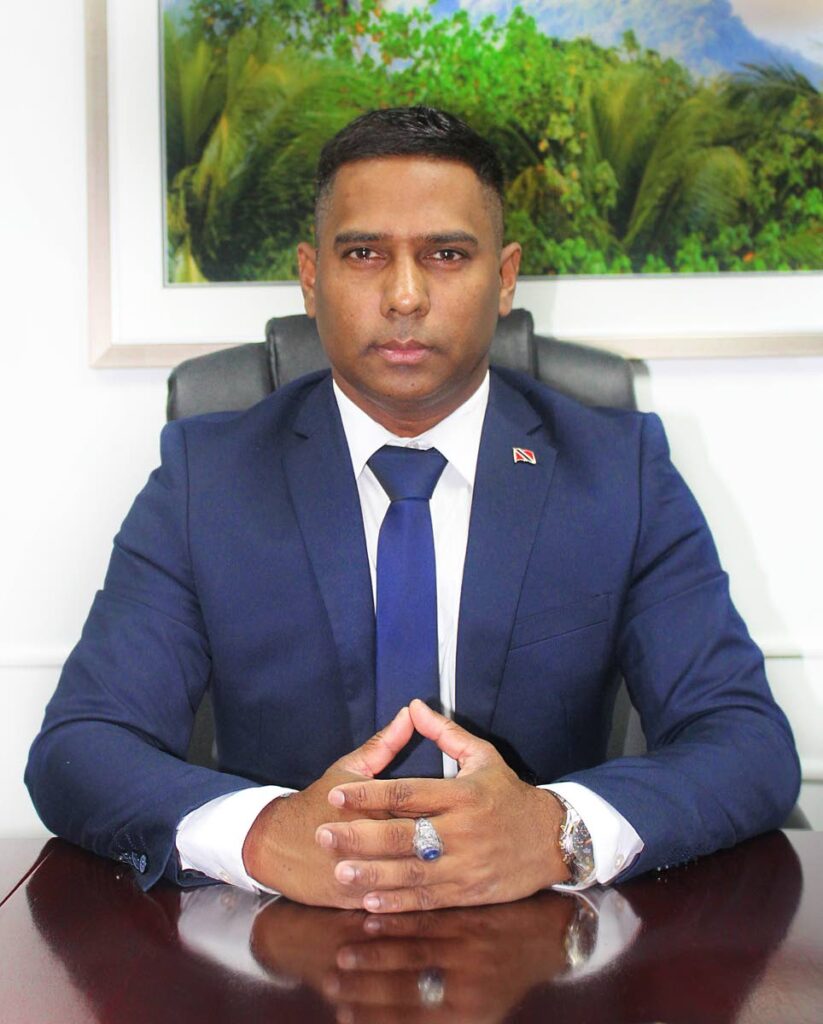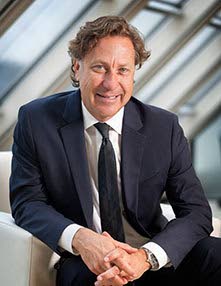
Scotiabank has announced the appointment of Jabar Singh as the new Country Head for the Dominican Republic and the Caribbean, effective January 1. Singh, a seasoned leader with over two decades of experience, has held various senior roles within the bank since joining in 2009. His career spans corporate and investment banking, commercial banking, and wholesale banking across Canada, the Dominican Republic, Chile, and Colombia. Notably, as President and CEO of Scotiabank Colpatria, Singh played a pivotal role in driving growth, transformation, and client engagement excellence. Recognized for his customer-centric leadership and inclusive culture-building, Singh has a proven track record in executing complex mergers and acquisitions, expanding market share, and strengthening governance. In his new role, Singh will oversee operations in the Dominican Republic and the broader Caribbean region, including The Bahamas, Barbados, Cayman, Guyana, Jamaica, Trinidad and Tobago, and Turks and Caicos. Additionally, he will manage Scotiabank’s equity interests and strategic partnerships with Davivienda in Colombia and Central America, and with Maduro & Curiel (MCB) in the Dutch Caribbean. Francisco Aristeguieta, Group Head of International and Global Transaction Banking, praised Singh’s leadership and strategic vision, emphasizing his commitment to community engagement and business performance. Singh expressed his enthusiasm for the new role, highlighting his focus on driving sustainable growth and building on the bank’s strong foundation. Scotiabank, with assets of approximately $1.4 trillion, is one of the largest banks in North America and has been a key player in the Caribbean since 1889, serving over 1.7 million customers with a robust infrastructure of 970 ATMs, 140 branches, and 7,000 employees.
标签: Trinidad and Tobago
特立尼达和多巴哥
-

On track to climate disaster
As the world gathers for COP30 in Brazil, Dr. Anjani Ganase highlights the escalating climate crisis, with global temperatures nearing the critical 1.5°C threshold set by the Paris Agreement. Trinidad and Tobago, as a small island nation, must play its part in mitigating these impacts. Currently, the planet has already warmed by 1.4°C above pre-industrial levels, with severe consequences for marine ecosystems. Coral reefs, which support over 25% of marine biodiversity, are particularly vulnerable, with a tipping point reached at 1.2°C. This has led to widespread coral bleaching, threatening fish stocks, food security, and coastal protection. The Global Tipping Points Report 2025, released by the University of Exeter and the Stockholm Resilience Centre, warns that without urgent action to limit temperature rise to 1.5°C, coral reefs may transition to algae-dominated systems, with only a few hope spots remaining. Polar ice sheets are also at risk, with the Western Antarctic Peninsula expected to experience significant ice loss, impacting polar marine life and accelerating sea level rise. These cumulative effects increase the vulnerability of small island nations, particularly in the Pacific, which face the risk of becoming uninhabitable. The report also highlights the potential collapse of the Atlantic Meridional Overturning Circulation (AMOC), which could lead to severe droughts in the Amazon and Caribbean, and harsher winters in Europe. For Trinidad and Tobago, the combined impacts of climate change on marine ecosystems and coastal areas will be costly. Despite international funding, there has been little progress in marine management over the past 40 years. The country’s new climate change policy aims to reduce carbon emissions and build resilience, but effective implementation of legislation and marine protections is urgently needed. The report also identifies positive tipping points, with some countries shifting away from fossil fuels towards renewable energy. At COP30, Trinidad and Tobago must advocate for adherence to the Paris Agreement and take concrete actions domestically to address the climate crisis.
-

Windies lose 3-1 to Kiwis in T20 series
The West Indies cricket team faced a disappointing end to their T20 series against New Zealand, succumbing to an eight-wicket defeat in the fifth and final match on November 12 at University Oval, Dunedin. Despite captain Shai Hope’s repeated calls for the top-order batsmen to step up, the Men in Maroon were bowled out for a meager 140 runs, sealing a 3-1 series loss. The West Indies’ batting collapse began early, with opener Alick Athanaze dismissed for just one run in the second over. The team’s woes continued as key players Shai Hope (11), Ackeem Auguste (8), and Sherfane Rutherford (0) fell victim to New Zealand’s Jacob Duffy, who claimed four wickets for 35 runs. Roston Chase top-scored with 38 off 32 balls, while Romario Shepherd’s late surge of 36 off 22 provided a brief glimmer of hope. However, the West Indies failed to utilize their full quota of overs, being dismissed in 18.4 overs. In response, New Zealand’s openers Devon Conway (47 not out) and Tim Robinson (45) set the tone for a dominant chase, reaching the target of 141 in just 15.4 overs with 26 balls to spare. The teams will now shift focus to a three-match One-day International series starting November 15, followed by a Test series from December 1-22.
-

CJ, Udecott head tour Sando Supreme Court building
Chief Justice Ronnie Boodoosingh and Urban Development Corporation (Udecott) chairman Shankar Bidaisee conducted a joint inspection of the San Fernando Supreme Court building on November 13. This visit comes after months of public disputes between Udecott and the Judiciary regarding the escalating costs, scope modifications, and accountability for delays in the renovation project. The courthouse, which has been closed since 2020, remains inactive as both parties await Cabinet approval for a revised restoration plan. Initially estimated at $12.8 million, the project’s budget has surged to $22.1 million, with construction halted after Udecott terminated the previous contractor in July. During the tour, technical teams briefed Boodoosingh and Bidaisee on the current status of the works and the necessary steps to resume procurement. Udecott has emphasized the need for reconfirmation of the project’s scope and funding from the Judiciary before re-tendering can begin. The agency warns that without these approvals, no completion date can be projected, estimating that the process will take at least a year, potentially delaying the reopening until late 2026. The Judiciary attributes the delays primarily to contractor under-performance, while Udecott points to extensive variation requests—such as termite treatment, ICT room redesigns, and bathroom and security upgrades—that expanded beyond the original mandate. These requests were made during the tenure of former Chief Justice Ivor Archie. The prolonged closure has forced the relocation of all San Fernando legal matters to the Princes Town Judicial Centre, causing significant disruptions for attorneys and litigants in the southern district. Legal professionals have repeatedly called for the restoration of in-person hearings, arguing that the delays infringe upon the public’s constitutional right to timely justice.
-

Trinitica International hosts Vista Latina
In a dazzling celebration of Latin American culture, Trinitica International orchestrated Vista Latina 2025 at the Arthur Lok Jack Global School of Business. This annual event, dedicated to cultural diplomacy, brought together high school students, educators, and diplomats for an immersive experience that highlighted the vibrant traditions, music, and art of Latin America. The event featured dynamic Latin dance performances, interactive presentations, and embassy showcases, offering students a unique opportunity to explore the rich heritage of Mexico, Venezuela, Cuba, the Dominican Republic, and Panama. Diplomatic representatives from these nations, including Julio Cabada and Leydis Bernal from Cuba, Indra Peralta and Gary Tomlinson from Panama, and Eduardo León from the Dominican Republic, actively participated, emphasizing the importance of cultural education and diplomatic engagement. Aleah Guitan, Director of Trinitica International, remarked, ‘Vista Latina is more than a cultural event; it is a bridge connecting students to the richness of Latin America, fostering curiosity, empathy, and a lifelong appreciation for global culture.’ The event left a profound impact on attendees, inspiring them to become informed, globally aware citizens. Trinitica International continues to champion cross-cultural understanding and collaboration across the Caribbean and Latin America through its innovative initiatives.
-

Randy Glasgow: Let promoters pay bond to regulate noise level
In response to the recent ban on Carnival activities at Udecott-controlled venues, including the Brian Lara Cricket Academy and the International Waterfront, prominent event promoter Randy Glasgow has proposed an alternative solution. Instead of outright bans, Glasgow suggests that promoters should be allowed to post a bond, which would be forfeited if noise pollution regulations are violated during events. This bond could then be allocated to affected residents’ associations as compensation. Glasgow emphasized the need for Environmental Management Authority (EMA) officials to be present at events to enforce noise regulations and ‘pull the plug’ on non-compliant activities. He also called for collaborative meetings involving promoters, residents, Udecott, EMA, police, fire services, and noise pollution experts to develop sustainable solutions. Glasgow highlighted the cultural significance of Trinidad Carnival, which he described as a global showcase of the nation’s rich heritage and creativity. He urged Prime Minister Kamla Persad-Bissessar to reconsider the ban and engage with promoters to find a balanced approach. Despite the Prime Minister’s firm stance, Glasgow remains hopeful for a resolution that supports both the entertainment industry and community well-being.
-

PM Persad-Bissessar backs Rubio’s fake news claim on CNN report
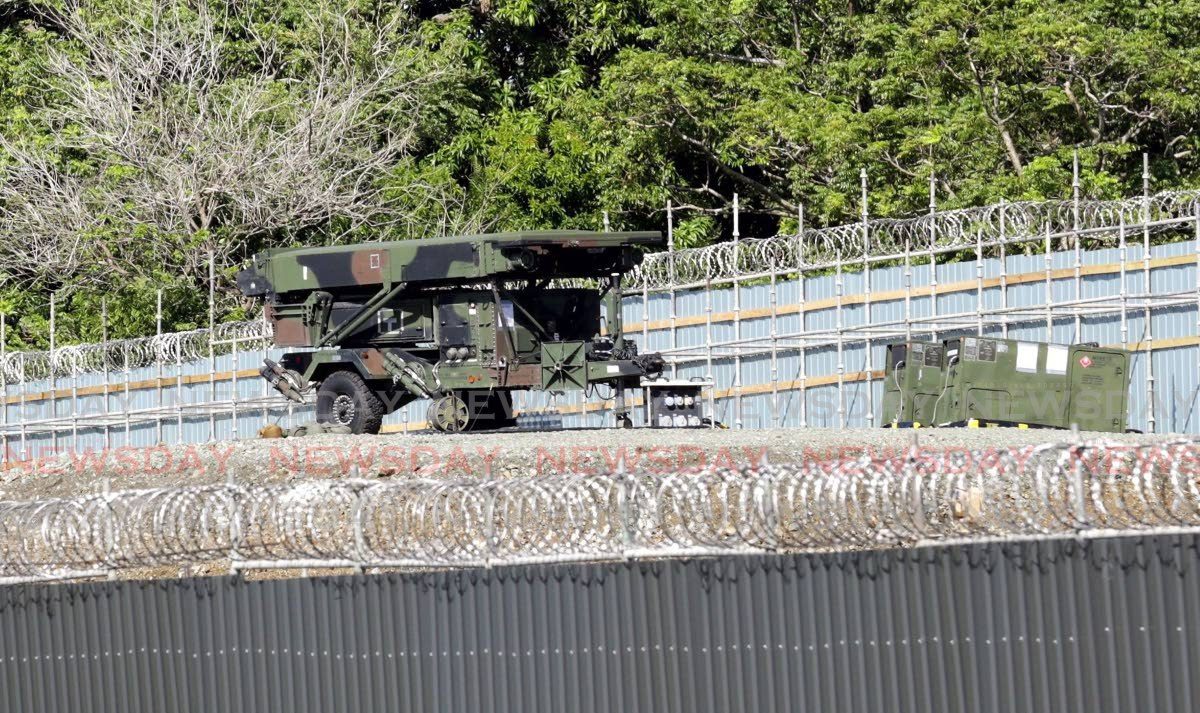
Prime Minister Kamla Persad-Bissessar has issued a stern warning against the proliferation of fake news, particularly from international media outlets. Her remarks came in support of US Secretary of State Marco Rubio, who refuted a CNN report alleging that Britain had ceased sharing intelligence with the US on drug-trafficking vessels due to concerns over US military actions in the Caribbean. Rubio emphasized that no changes have occurred that would hinder Washington’s operational capabilities. Speaking after a Group of Seven foreign ministers’ meeting in Canada, Rubio clarified that Britain had not raised any concerns directly with him. Persad-Bissessar, via her official social media account, criticized the irresponsible dissemination of false reports by both international and local media, which she claimed undermine efforts to combat narco-trafficking and organized crime. She reaffirmed her government’s commitment to partnering with the US to address the flow of drugs, guns, and human trafficking into Trinidad and Tobago, stressing that the Caribbean cannot be considered a zone of peace as long as powerful cartels continue to wreak havoc. Additionally, US Secretary of War Pete Hegseth announced the commencement of Operation Southern Spear in the southern Caribbean Sea, aimed at defending the homeland and eliminating narco-terrorists from the hemisphere.
-

The creative economy as national strategy
In the first installment of this series on October 23, the creative sector’s extensive submissions were contrasted with the minimal attention it received in Parliament. The initial article laid the groundwork for a multi-billion-dollar creative industries sector. This concluding piece outlines the essential projects and interventions for the 2025/26 budget to fully unleash Trinidad and Tobago’s creative economy potential.
**1. Regularising Panyards: Unlocking Hidden Wealth**
One of the most transformative proposals is the regularisation of land tenure for panyards. Currently, 65-75% of panyards are on state lands. Legalising their tenure would cost the state virtually nothing but could transfer hundreds of millions in real estate wealth to grassroots creatives and working-class communities. A cabinet note already exists, outlining management training programmes and the creation of a trust company to guide this historic process.**2. Heritage: The Sleeping Giant**
Trinidad and Tobago’s heritage sector remains an untapped source of foreign exchange, capable of earning $2 billion annually if developed to international standards. With the Prime Minister now overseeing heritage, there is a critical opportunity for partnership in modernising and monetising this field. The 2025/26 budget should prioritise listing at least 50 new heritage sites under the National Trust and launching 12 flagship, income-generating destinations.**3. East Port of Spain (PoS): From Crime to Creativity**
The East PoS Growth Pole and Heritage City project, championed by the East PoS Council of Community Organisations, must be implemented. This initiative is not just about community rehabilitation; it’s a model for crime reduction through creative entrepreneurship. Projects include the Observatory Street heritage and artisan guild district, a Carnival factory, and the international museum of TT Music at George and Nelson streets.**4. Preserving National Collections**
Trinidad and Tobago urgently needs a heritage warehouse to safeguard endangered national artefacts. Such a facility would allow proper curation and conservation while generating tourism income. With over 300,000 potential visitors annually, it could earn up to $60 million each year. Without this intervention, priceless heritage material valued at over $1 billion will deteriorate within the next five years.**5. Music and the Return of Caribbean Sound Basin**
The reopening of the legendary Caribbean Sound Basin in Maraval could once again position Trinidad and Tobago at the heart of the global music industry. Once ranked among the world’s top studios, it launched the Kiskadee Karavan and can catalyse a new era of local music production and export. Alternatively, the proposed national studio hub, developed in partnership with Grammy-winning TT engineer Dexter Simmons, would create a modern ecosystem for recording, training, and networking with global markets.**6. Protecting and Monetising Intellectual Property**
A comprehensive campaign is needed to copyright and trademark local creative works, books, music, films, games, and more, so that they can be licensed and monetised internationally. Establishing a national licensing company dedicated to managing and marketing TT’s intellectual property globally would connect local creators with major licensing firms and open new revenue streams for generations of artists.**7. Reintroducing Tech-Voc and Arts Magnet Schools**
The government must reintroduce tech-vocational training in secondary schools and establish magnet schools for the arts, technical skills, and computer science. These institutions should be professionally managed and feature immersive creative curricula. Tech-voc education is a proven driver of sustainable employment and youth rehabilitation, while also providing critical skills to support the manufacturing, petrochemical, and repair sectors.**8. A Bold Cultural Pivot: The Prime Minister’s Residence as a National Gallery**
The boldest proposal is to transform the Prime Minister’s official residence and diplomatic centre into a new national art gallery. This move could place Trinidad and Tobago on the global cultural map, attracting international artists, collectors, and investors. It would symbolise a radical redefinition of leadership and national priorities, positioning culture at the centre of development.The time has come for a more sophisticated approach to industrial development, one that recognises the creative industries as serious economic drivers. The projects proposed for the 2025/26 budget are strategic investments in foreign exchange generation, employment, and global positioning. At this moment of global socio-economic instability, Trinidad and Tobago must innovate to empower its citizens, diversify its economy, and expand its presence on the world stage. The creative sector stands ready to lead that charge, if only the nation’s leadership will give it the space, structure, and vision to do so.
-

Pastor prays for murdered cousin’s killers
The tight-knit community of Windsor Park in California, Couva, gathered on November 13 to bid farewell to Vishnu Lalla, a 63-year-old livestock farmer whose life was tragically cut short by a brutal kidnapping and murder. Lalla, remembered for his boundless kindness, love for nature, and unwavering work ethic, was found dead in a forested area off Brechin Castle Road on November 9, just over 24 hours after being abducted from his home. He was shot in the head, leaving his family and friends devastated.
At the funeral, Pastor Ralph Sawh, a cousin of Lalla, officiated and reflected on the senseless tragedy. Sawh offered a poignant prayer for those responsible, invoking divine justice and repentance. He emphasized the sanctity of the soul, urging mourners to cherish their spiritual well-being above all else. The pastor also prayed for peace and comfort for Lalla’s grieving family and friends, invoking the calming presence of the Holy Spirit.
Lalla’s sister Molly, who resides abroad, delivered an emotional tribute, recalling her brother’s loving nature and their deep bond. She described him as not only a brother but also a close friend and cheerleader. Molly reminisced about their last meeting, where Lalla’s affectionate gestures seemed almost prophetic, as if he knew it would be their final goodbye. She expressed her hope that he would find eternal peace in God’s kingdom, surrounded by the serenity he cherished in life.
Lalla’s nephew, Ishwar, and other family members also shared heartfelt memories, painting a picture of a man who lived with a big heart, forgave easily, and worked tirelessly for the well-being of his animals, land, and loved ones. He was described as a father figure to many, embodying kindness and selflessness.
Lalla’s abduction occurred on the evening of November 8, shortly after he was seen tending to his animals. His grey Toyota Hilux was later discovered burned, and a $100,000 ransom demand was made for his safe return. Investigations have led to the detention of a policeman and two civilians suspected of involvement in the crime. The Homicide Bureau of Investigations, Region Three, is actively pursuing the case.
The funeral concluded with Lalla’s body being taken to the Waterloo Cremation Site, as the community continues to grapple with the loss of a man whose life was a testament to love, kindness, and hard work.
-

Imbert: 26% drop in First Citizens shares frightening
Former Finance Minister Colm Imbert has expressed deep concern over the significant 26% drop in the share price of First Citizens Group Financial Holdings (FCGFH) since April 28. In a post on X on November 11, Imbert described the situation as ‘sinister,’ suggesting potential market manipulation. He emphasized that despite FCB’s consistent earnings growth, the share price plummeted from $42 to $31 within six months, a decline he deems inexplicable without external interference. Speaking at the PNM’s weekly media conference on November 13, Imbert highlighted the impact on small investors, particularly pensioners, who have seen substantial losses in their investments. He urged authorities to investigate the matter, pointing out unusual trading patterns involving small volumes of shares that have caused significant price drops. According to the TT Stock Exchange, FCGFH shares closed at $33.75 on November 13, down from $41.90 on April 28. Finance Minister Davendranath Tancoo dismissed Imbert’s concerns, stating there was ‘nothing worthy of comment.’ Meanwhile, FCGFH Chairman Shankar Bidaisee and Acting CEO Jason Julien have yet to provide detailed responses, with Julien assuring stakeholders of the Group’s commitment to creating sustainable value.