标签: Trinidad and Tobago

特立尼达和多巴哥

  • SRPs vs TTPS?

    SRPs vs TTPS?

    A contentious meeting between Special Reserve Police (SRP) officers and Trinidad and Tobago Police Service (TTPS) management has exposed significant challenges in implementing Homeland Security Minister Roger Alexander’s directive to integrate 800 reserve officers into the regular force.

    The December 3 gathering descended into chaos when senior TTPS officials cut microphone access following controversial comments from an SRP representative. The tension escalated particularly around the requirement for incoming officers to possess a CSEC pass in English Language, revealing deep divisions between the groups.

    Assistant Commissioner of Police Curt Simon attempted to restore order, emphatically stating that “The TTPS is not a market or a parlour,” emphasizing that selection for regular service constitutes a privilege rather than an entitlement. This declaration prompted several SRP members to exit the meeting in protest.

    This confrontation represents the latest development in a long-standing struggle for improved status among reserve officers. Only in July, following a judicial ruling by Justice Frank Seepersad, were SRPs and municipal police granted voting rights in police association elections.

    The current integration initiative, designed to address a staffing shortfall of 1,154 officers, marks the most substantial proposed change in SRP status since 2019. That year, authorities targeted integrating 500 reserve officers into full police roles.

    Deputy Commissioner Junior Benjamin subsequently assured media outlets of the service’s commitment to fulfilling the cabinet directive. However, this assurance comes with the recognition that elevating potentially unqualified or unprepared officers to full TTPS duty could significantly impact both police operations and public safety.

    The resistance to basic academic requirements suggests that SRP recruitment standards may have been considerably more flexible than those applied to regular officers. While Minister Alexander may personally know qualified SRPs who could transition effectively, identifying 800 such candidates presents a considerable challenge.

    Police leadership appropriately maintains that any integration process must include rigorous, transparent assessment protocols alongside provisions for remedial training where necessary. Experts suggest that reserve officers indicating interest in regular service should receive preparation from their initial deployment, ensuring they meet the functional standards required of all officers performing full police duties.
  • Reconstructing masculinity

    Reconstructing masculinity

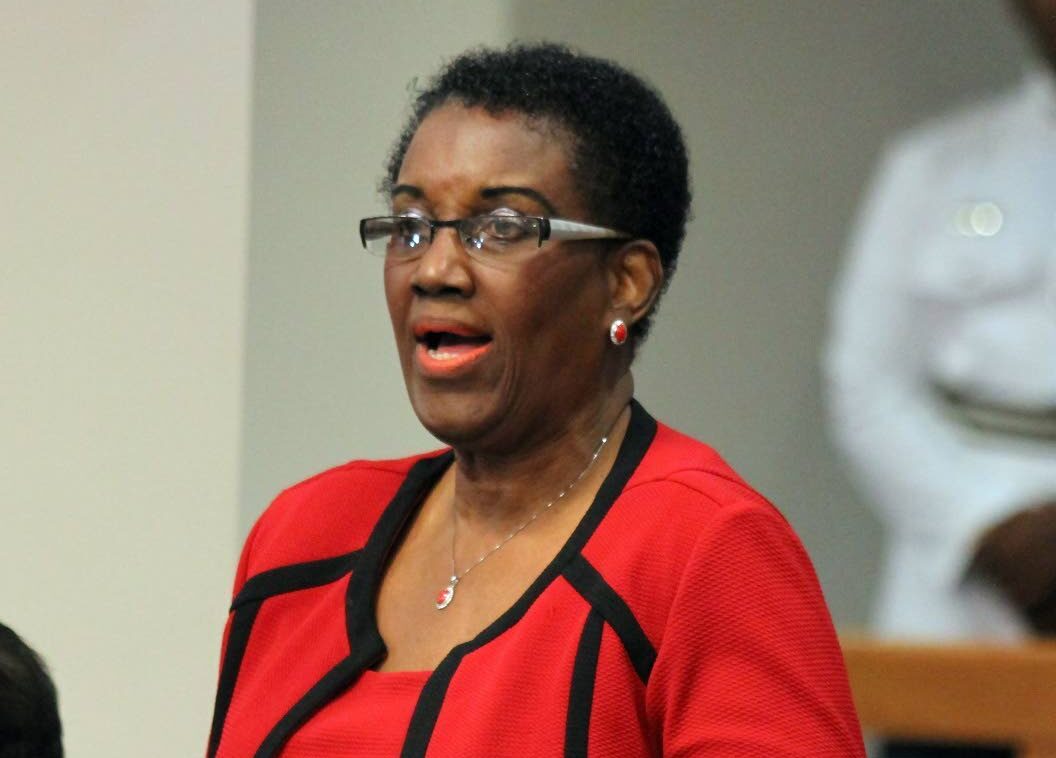
    As the International Day for the Elimination of Violence Against Women concludes, the grim reality of ongoing gender-based violence persists unabated. Hazel Thompson-Ahye, a seasoned legal professional, reflects on the tragic pattern of domestic fatalities that continue to plague society, questioning how many more women must perish before substantive change occurs.

    The recent murder of Councillor Romona Teeneal Victor represents the latest chapter in a devastating narrative that Thompson-Ahye first witnessed four decades ago with the death of client June Edwards. Despite court-issued injunctions and legal interventions, the system failed to prevent Edwards’ husband from stabbing her before ending his own life. The haunting memory of Edwards’ young children at their mother’s funeral remains etched in Thompson-Ahye’s consciousness, symbolizing the profound collateral damage of domestic violence.

    Through her extensive career, Thompson-Ahye has adopted a survival-first approach, advising clients to immediately flee dangerous situations regardless of material sacrifices. However, she acknowledges the complex barriers that prevent many from leaving, including homelessness and paralyzing fear. Her practice has evolved to include counseling male clients, encouraging emotional maturity and acceptance when relationships end. One transformative success story involved a formerly troublesome client who reformed his behavior and maintained positive communication years later.

    The legal profession bears significant responsibility in preventing violence, Thompson-Ahye emphasizes. She recalls a catastrophic instance where a lawyer’s negligence resulted in a client fracturing his wife’s skull with a hammer. This incident underscores the critical need for legal professionals to exercise diligent protection measures.

    Educational reform represents another crucial frontier. Thompson-Ahye advocates for comprehensive training from preschool onward to help both girls and boys recognize abusive patterns and understand gender equality. The University of the West Indies Laboratory Pre-School’s model of teaching equality through difference provides a replicable framework for nationwide implementation.

    While legislative improvements have been made to the Domestic Violence Act, Thompson-Ahye criticizes law enforcement’s continued failure to treat domestic violence with the same seriousness as other crimes. She argues that police must investigate regardless of victim cooperation, breaking the cycle of impunity.

    In tribute to victims, Thompson-Ahye shares her calypso composition “Ah Reconstructing Masculinity,” originally written to honor Professor Eudine Barriteau of UWI Cave Hill. The poem employs powerful symbolism—hard hats, steel-tipped boots, and toolkits—to represent the rebuilding of masculinity with gender sensitivity, emotional intelligence, and respect. Updated verses for 2025 celebrate Trinidad and Tobago’s female leadership while advocating for women’s expanded roles in governance, particularly in financial management where Thompson-Ahye believes women demonstrate superior competency.

  • Legislation being drafted against price-gouging

    Legislation being drafted against price-gouging

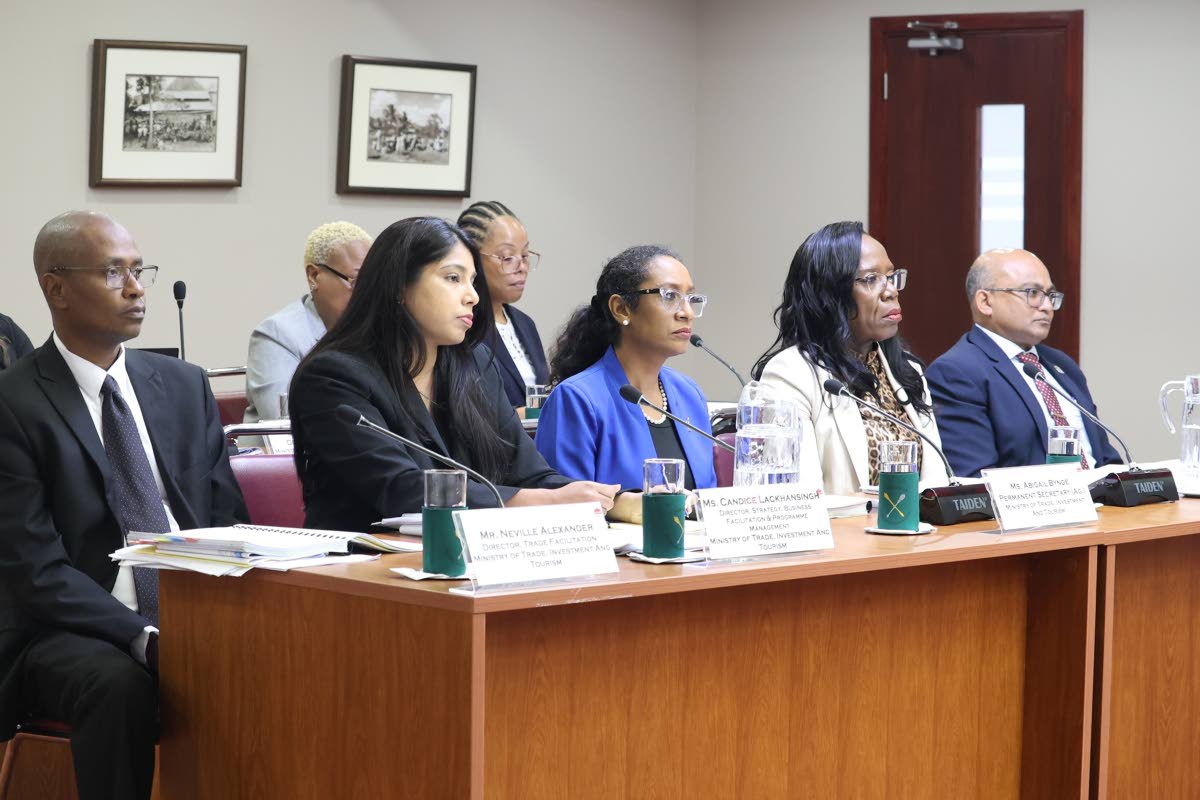
    Trinidad and Tobago’s Consumer Affairs Division currently lacks legal authority to penalize businesses engaging in price-gouging practices, though comprehensive consumer protection legislation is now in development. This critical gap in enforcement capabilities emerged during a December 5 Joint Select Committee on Finance and Legal Affairs meeting, where officials addressed the nation’s escalating food security challenges and mounting import expenses.

    Committee Chair Dr. Marlene Attzs, alongside members Brian Manning and Vishnu Dhanpaul, confronted trade ministry representatives about persistently high grocery prices that continue to burden consumers. When questioned whether tax and duty removals on imported food actually resulted in retail price reductions, Trade Facilitation Director Neville Alexander acknowledged the ministry’s monitoring efforts but confirmed they could only provide guidance rather than enforcement.

    “We monitor prices before and after implementation of measures,” Alexander explained. “We inform the public about expected savings from government actions, but ultimately advise consumers to avoid retailers who fail to pass on these benefits—this represents our current approach.”

    The absence of legal penalties leaves consumers vulnerable, a concern underscored by Attzs during the proceedings. Candice Hicks, Director of the Legal Unit, revealed that consumer protection legislation featuring a penalty framework is now prioritized at the bill stage. “We’ve placed it at the top of our legislative agenda,” Hicks stated, while noting the ministry cannot control parliamentary timing. The target for completing ministerial preparations is the first quarter of 2026.

    Permanent Secretary Abigail Bynoe indicated that implementing enforcement capabilities would necessitate additional staffing and potential restructuring of the division to handle investigations. Meanwhile, agriculture officials provided context for why tax removals don’t always translate to consumer savings. Acting Chief Technical Officer Dr. Ian Mohammed noted importers frequently cite external cost pressures to justify maintaining high prices.

    Bynoe presented significant economic data, revealing Trinidad and Tobago’s food import bill stands at US$1.08 billion against exports of approximately US$500 million. She emphasized that many imports constitute essential raw materials for local production, supporting higher value-added manufacturing and foreign exchange earnings through exports. The poultry industry exemplifies this dynamic, where imports of hatching eggs and feed enable both domestic market satisfaction and substantial export value.

    The government has established ambitious targets: reducing the food import bill by US$2 billion while increasing exports by US$1 billion. Achieving these goals will require modernizing farming practices, investing in critical infrastructure, improving water management, addressing agricultural crime, and revitalizing strategic agricultural industries through expanded value-added production.

  • Man dies in New Grant fire

    Man dies in New Grant fire

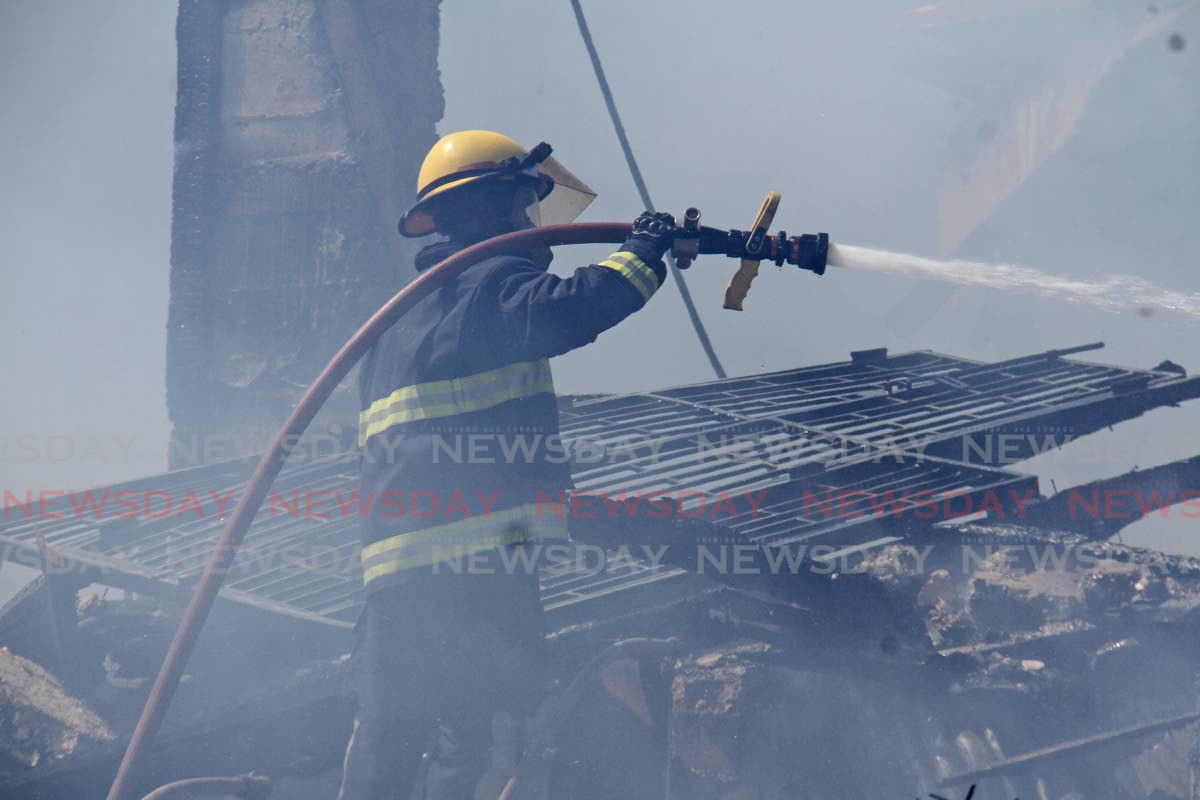
    A devastating residential fire in the New Grant community has resulted in the tragic death of a 40-year-old man on December 7th. The victim has been identified as Armanath Ramnarinesingh, who perished in the blaze that engulfed his two-story residence located on Frederick Branch Road.

    According to preliminary reports obtained by Newsday, the catastrophic fire ignited approximately at 7:00 PM, rapidly consuming the structure where Ramnarinesingh resided. Emergency responders, including fire service personnel, rushed to the scene upon notification, battling the flames in efforts to control the inferno and prevent further destruction.

    The exact cause of the conflagration remains undetermined at this time, with authorities launching a comprehensive investigation into the incident. Fire officials and forensic experts are meticulously examining the premises to establish the origin and circumstances that led to the deadly outbreak.

    While the confirmed casualty remains singular, officials have not yet issued definitive statements regarding potential additional victims. The investigation continues as community members mourn the loss of life in this tragic incident, which highlights ongoing concerns about residential fire safety protocols and emergency response effectiveness in the region.

  • Husband, wife kidnapped off Monos Island – $2.5 million ransom demanded

    Husband, wife kidnapped off Monos Island – $2.5 million ransom demanded

    In a disturbing development on Monos Island, renowned former powerboat racer Derek ‘Stones’ Tardieu, 70, and his wife Clarabelle have been violently abducted from their residence. The couple was forcibly taken by armed kidnappers who subsequently contacted family members demanding a substantial ransom payment of $2.5 million for their safe release.

    According to investigative sources, the home invasion occurred while the Tardieus were present at their property. The assailants thoroughly ransacked the premises before departing with the elderly couple. Particularly concerning is Tardieu’s critical medical condition—the former athlete suffers from severe heart complications and a brain tumor requiring continuous medication, raising urgent concerns about his wellbeing in captivity.

    The kidnappers have provided chilling proof of life through a video recording showing Tardieu with a firearm pressed against his head while another individual brandishes a grenade. Initial contact was established around 9:44 AM when relatives received a voice message from an unrecognized number containing Tardieu’s apparent statement: ‘They have me and want US$2.5 million for my release.’

    The couple’s son, Phillip Tardieu, discovered the ransacked home after being alerted to the situation and found both parents missing. Subsequent attempts to reach his father via mobile phone proved unsuccessful. Law enforcement authorities and family representatives are urgently requesting public assistance, asking anyone with relevant information to immediately contact emergency numbers 555, 999, or the nearest police station.

  • Duke backs TPP: When Farley wins, we win

    Duke backs TPP: When Farley wins, we win

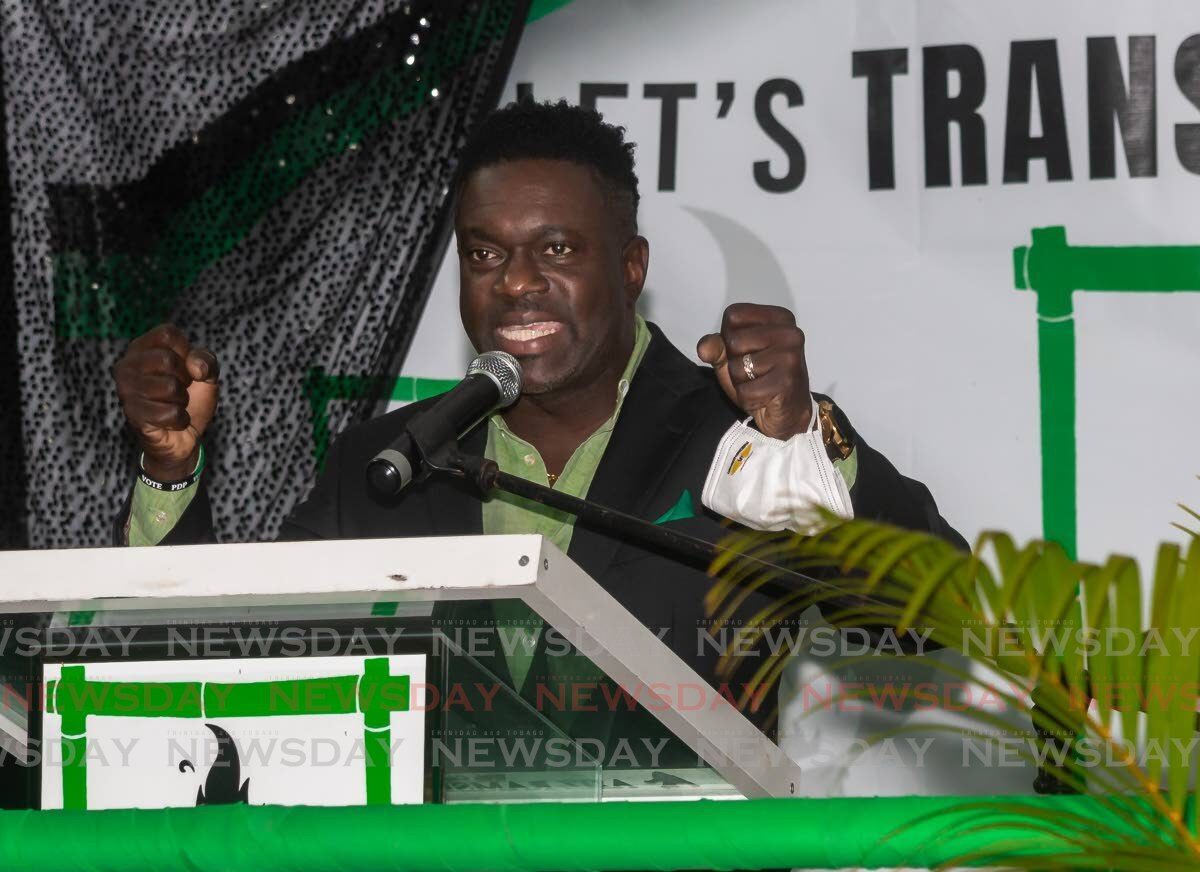
    In a dramatic political reversal, Progressive Democratic Patriots (PDP) leader Watson Duke has publicly endorsed the Tobago People’s Party (TPP) for the upcoming Tobago House of Assembly (THA) elections scheduled for January 12. The announcement came during a December 8 media conference in Scarborough where Duke declared, “If Farley wins, we win. We are one.”

    This endorsement marks a significant reconciliation between formerly bitter political rivals. The PDP had achieved a landslide victory in the previous THA elections, securing 14 out of 15 seats. However, a substantial rupture occurred within the party just one year later when Chief Secretary Farley Augustine and twelve other assembly members defected from the PDP to establish the TPP following a very public dispute with Duke.

    The PDP subsequently experienced a disappointing performance in the April 28 general election, with Duke himself failing to secure victory as the Tobago East candidate. Following this electoral setback, Prime Minister Kamla Persad-Bissessar disclosed that Duke had approached her seeking employment opportunities.

    Recent developments suggest a thaw in previously strained political relationships. Duke was among the attendees at a November 4 reception held at the Prime Minister’s official Blenheim residence in Tobago. The event followed Persad-Bissessar’s presentation of an export licence for the Studley Park project to Augustine. During the gathering, the Prime Minister acknowledged both political symbols, noting, “We have the flambeau (PDP symbol) and we have the anchor (TPP symbol),” while greeting Duke and another TPP official.

  • TUCO opens registration for Carnival competitions, awaits sponsors

    TUCO opens registration for Carnival competitions, awaits sponsors

    The Trinbago Unified Calypsonians’ Organisation (TUCO) has officially commenced registration procedures for its highly anticipated 2026 Carnival competitions. Registration opened December 8 across multiple zonal offices including the head office in Woodbrook, North Zone office in Port of Spain, South/Central Zone office in San Fernando, East Zone office in Arima, and Tobago’s office in Scarborough.

    Eligibility extends to all citizens and naturalized citizens, with tiered registration fees reflecting membership status. Financial members will pay $100 for senior competitions, while non-members face a $500 fee. Members with outstanding dues can regularize their status for $150 per year of lapsed membership.

    TUCO President Ainsley King revealed in a December 8 interview that prize structures remain undetermined as the organization awaits commitments from potential sponsors. King acknowledged TUCO’s significant reliance on government funding, noting concerning signals from recent sponsorship withdrawals from other cultural organizations like Pan Trinbago.

    While no official confirmation of funding reductions has been received, King observed that ‘it is not business as usual’ regarding traditional sponsorship patterns. The president confirmed TUCO has contingency plans, including re-engaging previous sponsors, should primary funding sources diminish.

    Critical registration deadlines have been established: National Calypso Monarch (January 9, 3pm), National Extempo Monarch (January 30, 3pm), National Freestyle Monarch (January 30, 3pm), National Road March Competition (February 13, 3pm), and National Junior Calypso Monarch (January 13, 3pm). Interested participants can seek additional information at tucoamc2026@gmail.com.

  • EBC chair to returning officers: Conduct THA elections with integrity

    EBC chair to returning officers: Conduct THA elections with integrity

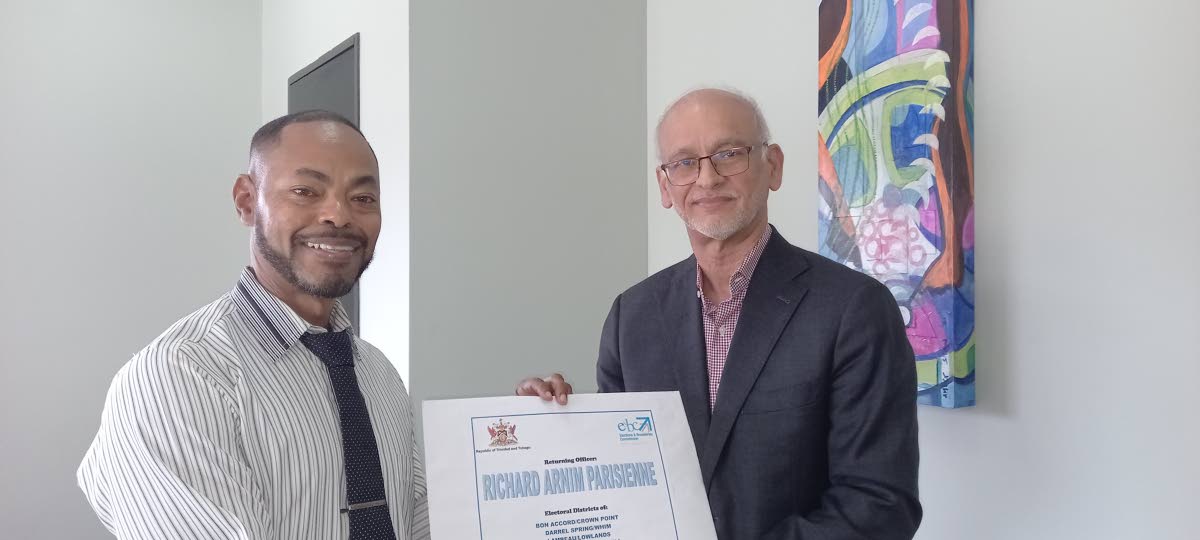
    TOBAGO – The electoral machinery for the Tobago House of Assembly (THA) elections has been officially set in motion with the ceremonial presentation of writs to returning officers, marking the formal initiation of proceedings leading to the January 12 polling day.

    In a significant procedural event conducted under Election Rule 3 of the Representation of the People Act, Chapter 2:01, Elections and Boundaries Commission (EBC) chairman Mark Ramkerrysingh personally handed the writs to the appointed officers. This legal instrument empowers the officials to administer the electoral process on behalf of the EBC, establishing the framework for democratic participation.

    Chairman Ramkerrysingh addressed the assembled officers with a compelling charge, emphasizing their critical role as custodians of electoral integrity. He characterized their position as “guardians of the process on the ground” who carry the substantial responsibility of maintaining public confidence in the nation’s democratic institutions.

    “The people of Tobago expect an orderly, transparent, and trustworthy process,” Ramkerrysingh stated. “What you do impacts democracy directly, and it is a great service to this country.” He stressed that every electoral event, regardless of scale, must be conducted with absolute professionalism, impartiality, and unwavering integrity.

    The EBC chairman further elaborated on leadership expectations, urging officers to foster positive working relationships with polling day staff through effective support, guidance, and management. He affirmed that the commission’s selection process identified individuals possessing demonstrated competence and requisite experience for these temporary but crucial positions.

    Ramkerrysingh concluded with an inspirational charge: “May you execute your duties with confidence, integrity, and the sense of purpose befitting the high office you temporarily hold. Together, let us deliver an election that Tobago can trust and be proud of.”

  • Hello World demolishes rivals in Santa Rosa

    Hello World demolishes rivals in Santa Rosa

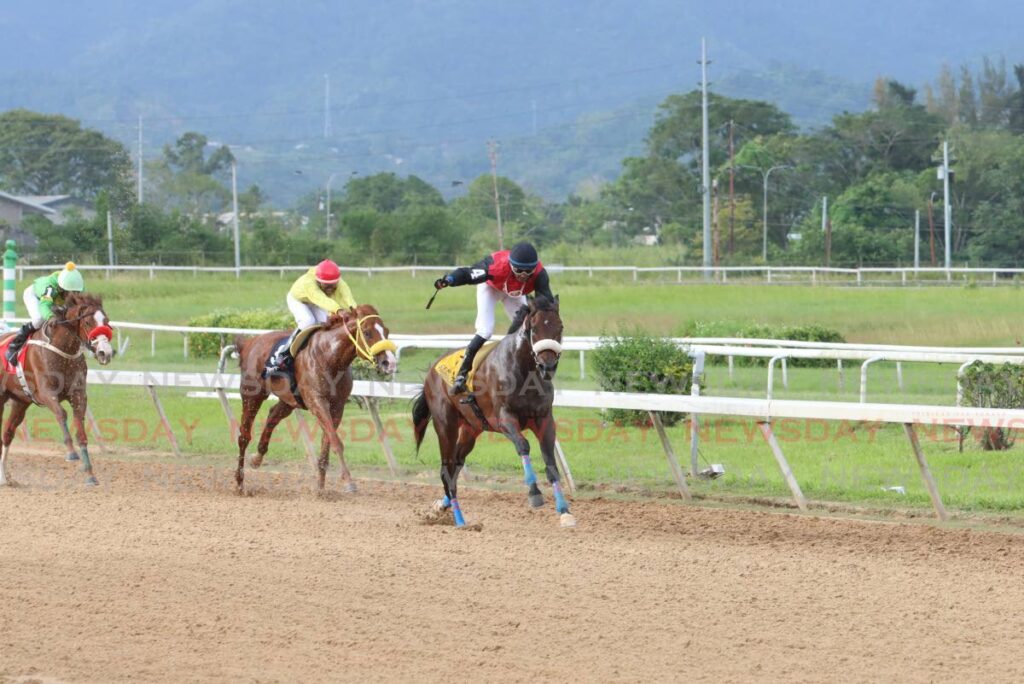
    In a dramatic showcase of horseracing excellence, the 2025 local racing season approached its conclusion with the Stewards Cup at Santa Rosa Park in Arima on December 6. The grade one feature event, contested on a wet but rapid main track, unfolded as a captivating battle among five elite thoroughbreds racing over 1,200 meters.

    The competition, open to West Indian-bred three-year-olds and above plus imported two-year-olds and older horses, began with an even break when starter Wayne Campbell dispatched the field at 3:57 PM. Early positioning saw Hello World and stablemate Headliner establishing dominance at the 1,100-meter mark, with Hello World securing a slight advantage by the 800-meter pole.

    The race dynamics shifted dramatically as filly Sneaky Cheeky mounted a formidable challenge from fourth position, systematically overtaking competitors approaching the 600-meter marker. By the 400-meter point, Sneaky Cheeky had captured second place, though favorite Hello World had simultaneously extended his lead to two lengths.

    As the field turned toward the final stretch, Hello World maintained a commanding advantage while the battle for second intensified dramatically. In a stunning development, Headliner discovered extraordinary late-race speed, reclaiming second position with just 200 meters remaining and launching a serious challenge against his stablemate for the lead.

    Champion jockey Dillon Khelawan, recognizing the imminent threat, expertly urged Hello World to produce one final burst of effort, securing both the victory and the $42,435 prize. The win highlighted an exceptional day for Khelawan, who achieved four victories, while jockey Andrew Poon recorded a double. Champion trainer John O’Brien dominated the training ranks with three winners, with trainers Ramesh Ramroop, Glenn Mendez, and Johnathan Lyder each saddling one victorious horse.

    Racing action will continue on December 26 with the prestigious Gold Cup as the centerpiece event, contested over 2,000 meters on the main track. The co-feature will be the Juvenile Championship, a grade-two race covering 1,200 meters on the same course.

  • Kublalsingh: PM must ‘step aside’ for aligning with ‘imperialists’

    Kublalsingh: PM must ‘step aside’ for aligning with ‘imperialists’

    Prominent environmental activist Dr. Wayne Kublalsingh has issued a forceful demand for Prime Minister Kamla Persad-Bissessar to relinquish her position, accusing her of embroiling Trinidad and Tobago in what he characterizes as an “imperialist” agenda through alleged support of controversial US military operations in the region.

    The controversy stems from ongoing US counter-narcotics operations that have resulted in over 80 fatalities across more than 20 lethal strikes in the Southern Caribbean and Pacific since September 2. United Nations Human Rights Chief Volker Türk has declared these operations in violation of established international law.

    During a December 7 vigil for peace at Woodford Square in Port of Spain, organized amid escalating US-Venezuela tensions, Kublalsingh delivered a scathing indictment of the government’s foreign policy alignment. “She appears to be actively encouraging this military approach, mirroring the previous Trump administration’s attempted strategy of invading Venezuela, installing an illegitimate leader, and securing oil access,” he asserted.

    The environmental advocate accused the administration of abandoning diplomatic channels in favor of militarized approaches, stating that Persad-Bissessar was following the “American playbook” of confrontation rather than negotiation. He called for her to “step aside peacefully and diplomatically” to preserve national interests.

    Regarding ongoing US investigations into potential war crimes allegations, Kublalsingh warned that the Prime Minister was effectively painting targets on herself and her supporters. He challenged the evidentiary basis of the strikes, demanding: “Has America produced any verification that these vessels transported drugs? Any proof these individuals were traffickers? The answer is none.”

    Radio and television personality Abeo Jackson amplified these concerns in an impassioned address, urging national unity across political divisions to confront what she termed the government’s “betrayal” of economic sovereignty. She specifically referenced damaged relations with Venezuela and lost opportunities for oil access, arguing that the administration was sacrificing national interests to align with “big imperialist nations.”

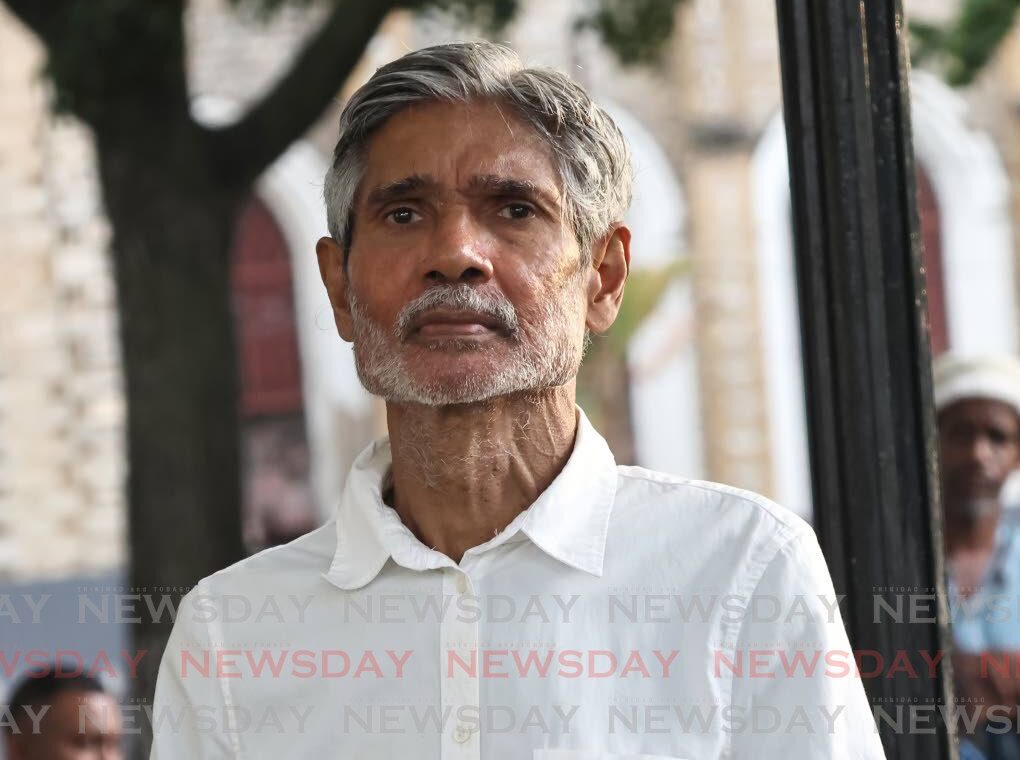
    Movement for Social Justice leader David Abdulah, addressing questions about the modest turnout, emphasized the qualitative significance of the diverse cross-section of participants. He maintained that Trinidad and Tobago’s international reputation had suffered severe damage due to the administration’s policies, stating that protesters were “maintaining the integrity of TT” against complicity in questionable international operations.

    All three speakers framed the situation as a critical juncture for Caribbean sovereignty, invoking historical struggles for self-determination and calling for the region to maintain its status as a “zone of peace” through diplomatic engagement rather than military alignment.