标签: Trinidad and Tobago

特立尼达和多巴哥

  • Defence Minister: Trinidad and Tobago flights not affected by Venezuela’s no-fly zone

    Defence Minister: Trinidad and Tobago flights not affected by Venezuela’s no-fly zone

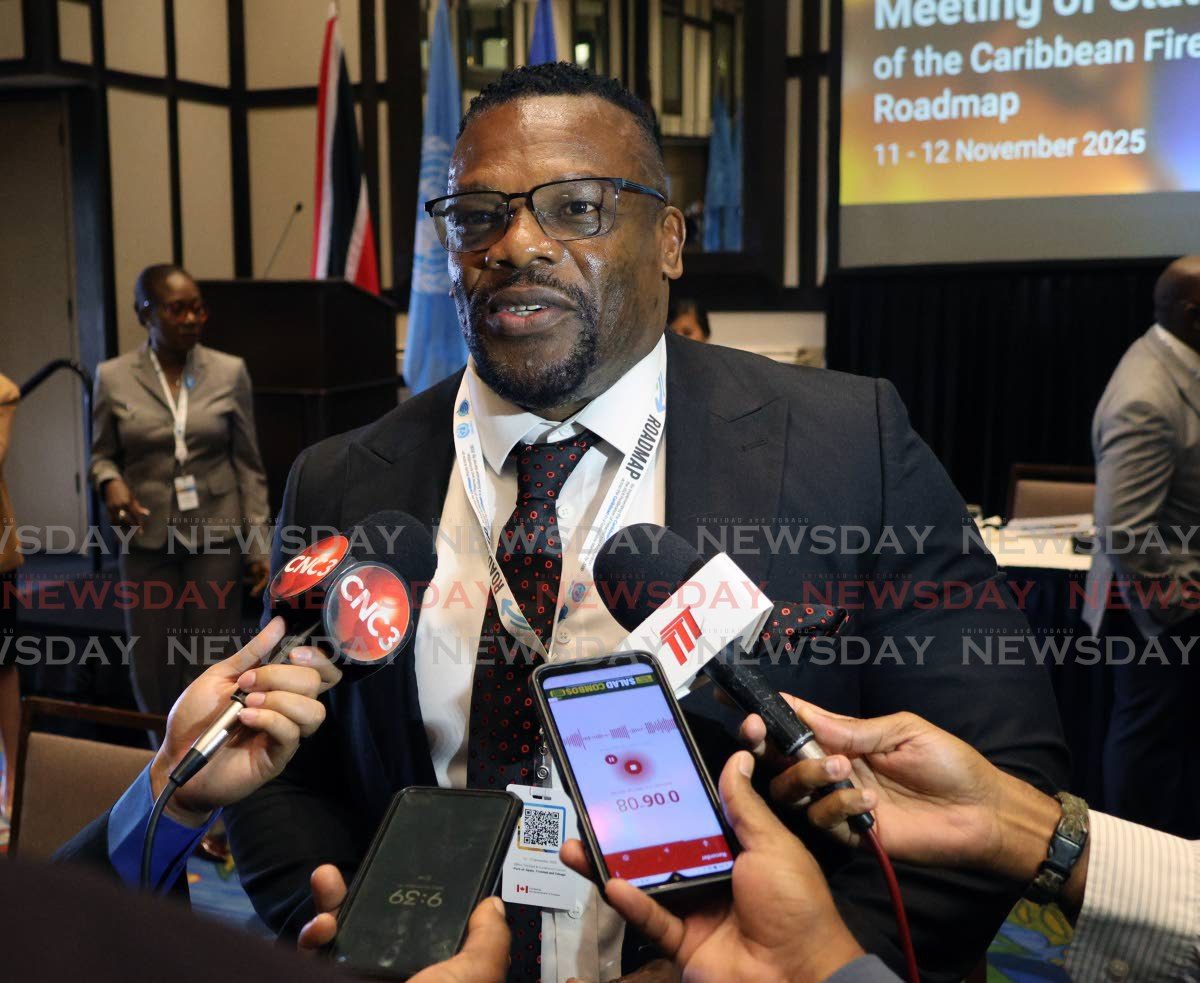
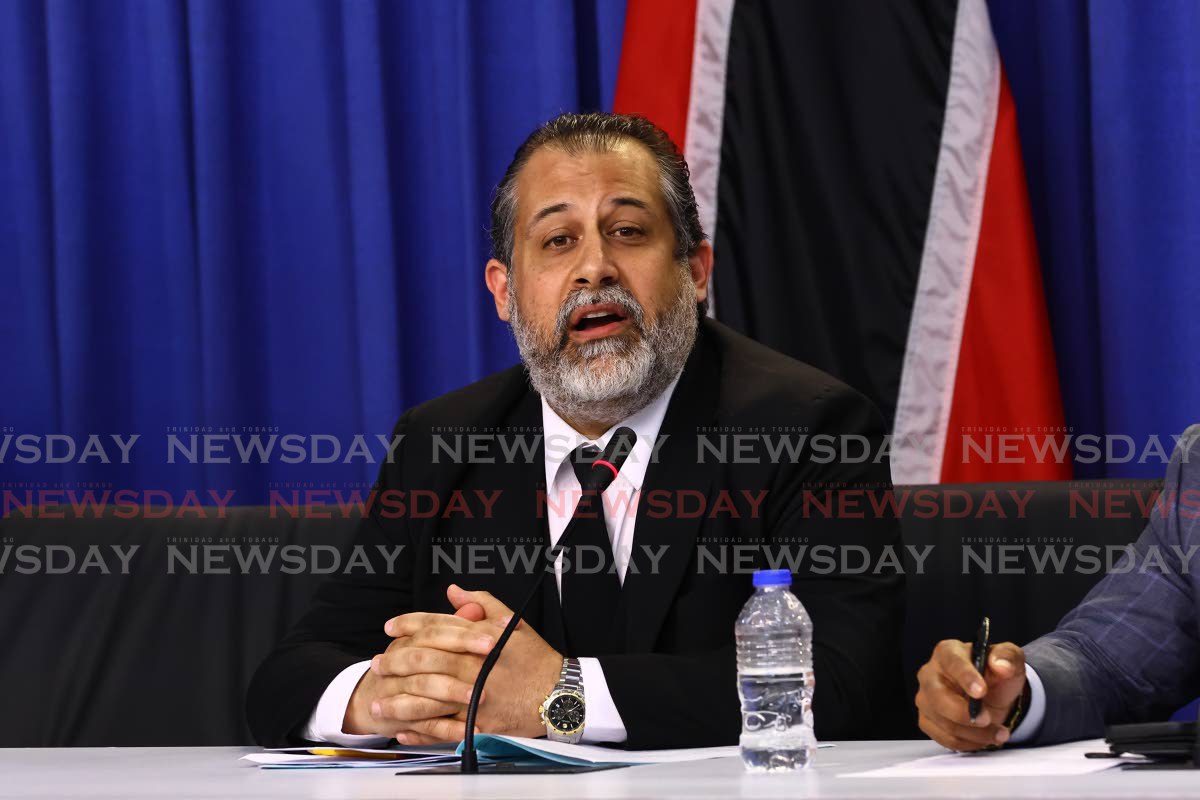
    Trinidad and Tobago’s Defence Ministry has moved swiftly to dispel public concerns regarding potential airspace disruptions following former US President Donald Trump’s declaration of a no-fly zone over Venezuela. Defence Minister Wayne Sturge issued an official statement on November 29 characterizing social media speculation about flight interruptions as “misinformation” and “fearmongering” orchestrated by politically motivated influencers seeking to create instability.

    The ministerial response came hours after Trump’s social media proclamation that declared “THE AIRSPACE ABOVE AND SURROUNDING VENEZUELA TO BE CLOSED IN ITS ENTIRETY” while addressing “Airlines, Pilots, Drug Dealers, and Human Traffickers” in his characteristic blunt style. This escalation occurs against a backdrop of heightened US-Venezuela tensions, marked by significant US military deployment to the region and 21 missile strikes on vessels since September 21 that resulted in 83 fatalities among alleged drug traffickers.

    Minister Sturge emphasized that commercial aviation operations continue unaffected throughout Trinidadian airspace, with local, regional, and international flights operating without hindrance. The Defence Ministry, which maintains authority over the nation’s airspace and territorial waters, committed to providing official timely communications should any operational changes become necessary, urging citizens to disregard unverified social media speculation.

  • The Marionettes Chorale ushers in Christmas at Queen’s Hall

    The Marionettes Chorale ushers in Christmas at Queen’s Hall

    The Marionettes Chorale, one of the Caribbean’s most prestigious performing arts ensembles, announces its highly anticipated annual Christmas concert series scheduled for December 5-7 at Queen’s Hall’s Winifred Atwell Auditorium. This cherished holiday tradition promises to deliver musical excellence through three public performances and an exclusive matinée dedicated to care home residents.

    Under the artistic direction of Gretta Taylor, Joshua Joseph, and guest conductor Dr. Nathan Nagir—a Trinidad and Tobago-born musician and Texas State University faculty member—the chorale will present a diverse repertoire spanning traditional carols, classical pieces, gospel arrangements, musical theater selections, calypso rhythms, and parang music. The program showcases both the adult and youth choirs alongside acclaimed soloists including Jacqueline Johnson, Debbie Nahous, Errol James, and Khadija Huggins.

    This year’s production features two special guest artists: renowned tenor Nigel Floyd and Payge Turner, the multi-talented singer-songwriter who gained national recognition on season 19 of NBC’s The Voice. Turner will perform a specially arranged piece alongside her mother, Jacqueline Johnson, marking a memorable family collaboration on stage.

    Established in 1963 and incorporated as a non-profit organization in 2005, the Marionettes Chorale has maintained six decades of artistic excellence, having premiered works by Caribbean and international composers, toured globally, and produced eight professional recordings. Their Christmas concerts have become cultural fixtures that annually draw multi-generational audiences.

    The 2025 series receives support from One Caribbean Media Ltd, Flow (Columbus Communications), AVIT Support Ltd, and Music Radio 97.1FM. Performance times are set for 7:00 PM on December 5-6 and 5:00 PM on December 7. Ticket information is available through orders@marionetteschorale.com, telephone inquiries at 790-1751, or via Queen’s Hall Box Office at 298-9089/376-5699 and queenshalltt.com.

  • Renewed focus for Princes Town carnival

    Renewed focus for Princes Town carnival

    The Carnival Roots and Cultural Committee of Princes Town has officially inaugurated Carnival 2026 with a vibrant launch ceremony held at the Princes Town Triangle on November 28. This marks a significant transition in the organization of the community’s carnival celebrations, which have undergone multiple administrative changes in recent years.

    Committee Chairman Alesia Dyer-Stoute articulated a renewed vision for preserving the authentic values of carnival artistry during her address at the promenade. “Our organization extends beyond carnival festivities alone,” Dyer-Stoute emphasized. “As a cultural collective, we are dedicated to unifying the community through diverse events spanning the entire calendar year.”

    The launch event featured traditional carnival characters including elaborately costumed moko jumbies and dynamic red devils, who provided captivating entertainment for attendees. These cultural manifestations underscored the committee’s commitment to maintaining Trinidad’s rich carnival heritage.

    Dyer-Stoute issued a compelling appeal to all stakeholders, urging active participation through formal registration and patriotic engagement with the group. The committee has announced an ambitious schedule of upcoming events, including a J’Ouvert celebration, calypso tents, and pretty mas performances scheduled for Carnival Monday and Tuesday, demonstrating their comprehensive approach to cultural preservation.

  • Playwrights Workshop launches three plays for December

    Playwrights Workshop launches three plays for December

    Trinidad’s vibrant theatre community is set to host an extraordinary week of theatrical presentations during the first week of December. Three prominent organizations—Playwrights Workshop Trinbago (PWT), Trinidad Theatre Workshop (TTW), and Torch Theatre Company (TTC)—have joined forces to present a diverse program of performances and readings that highlight both emerging and established Caribbean talent.

    The cultural festivities commence on December 3 at 7 PM with PWT’s Monthly Readers Theatre Series, featuring a cold reading and audience discussion of ‘HerStory’ by Arnetia Thomas. This compelling drama explores the emotional journey of Claudette, a woman who channels her maternal instincts toward her extended family while grappling with her own inability to conceive. The narrative examines how personal pain can unconsciously affect relationships, following Claudette’s path toward self-discovery and empowerment.

    Thomas, an accomplished creative professional active since 2014, brings multifaceted experience to her writing. Holding a theatre arts degree from UWI, she has excelled as an actress, dancer, traditional mas performer, fire breather, educator, and director. She currently teaches theatre arts at Belmont Secondary School while co-managing her own theatre company, De Drama FacTTory, and traditional mas group Les Reines Djabbes.

    The theatrical journey continues on December 5 at 7 PM with a landmark off-script performance of Althea Milliband’s ‘Jury of Peers,’ directed by Marvin L Ishmael. This innovative production marks the first fully-staged interpretation of Milliband’s absurdist legal drama, which was inspired by a viral video depicting a crab wielding a knife. The play imaginatively explores the judicial implications of a crustacean potentially causing human fatality, questioning whether such an act could constitute self-defense, murder, manslaughter, or even suicide.

    Milliband, who describes herself as a revolutionary and aspiring playwright, developed this unconventional narrative after the bizarre video captured her creative imagination.

    Concluding the week’s events, Torch Theatre Company presents ‘Dat Is Mih Family’ on December 6 at 7 PM and December 7 at 6 PM. This improvisational Christmas comedy promises warmth and hilarity, offering audiences a lighthearted seasonal performance.

    All events will be hosted at the Trinidad Theatre Workshop’s venue at 6 Newbold Street, St Clair, Port of Spain. The Monthly Readers Theatre Series serves as a critical developmental platform for emerging playwrights, providing opportunity for script refinement through audience feedback and professional input. PWT encourages actors, directors, producers, and theatre enthusiasts to participate in these readings, as volunteers from the audience often contribute to the dramatic interpretations.

    Playwrights seeking to have their work featured in future readings must submit scripts for consideration through the MRTS program. Additional information regarding submissions and upcoming events can be obtained by emailing playwrightsworkshoptt@gmail.com, calling/texting/WhatsApping 351-6293, or visiting their social media channels @playwrightsworkshoptt on Facebook and Instagram.


  • Don’t scold citizens, Alexander

    Don’t scold citizens, Alexander

    In a striking display of political irony, Homeland Security Minister Roger Alexander has drawn sharp criticism for his recent admonishment of citizens and media outlets utilizing social platforms for information gathering regarding national affairs. The minister’s reprimand appears particularly contradictory given his own government’s extensive reliance on these very channels for official communications.

    The controversy stems from Alexander’s expressed frustration with the public’s growing dependence on digital platforms to stay informed about Trinidad and Tobago’s current socio-political climate. Critics argue this stance ignores the fundamental reality that citizens have turned to alternative information sources precisely due to the government’s inadequate official communication strategies.

    This situation grows more paradoxical when examining the political history of Alexander’s United National Congress (UNC) party. During their time in opposition, the UNC actively leveraged social media influencers to disseminate narratives targeting various institutions including the judiciary, previous administration, law enforcement, and private sector entities. Now holding governing power, the party confronts the amplified consequences of these very tactics they once employed.

    The UNC maintains the most substantial social media footprint among Trinidad and Tobago’s political organizations, with countless supporters daily amplifying party messages. Notably, significant governmental announcements—including the recent budget date revelation—frequently debut on UNC-affiliated digital platforms before appearing on official ministry channels. Even Prime Ministerial decisions, such as the prohibition of Carnival celebrations at state-owned venues, have been communicated primarily through social media.

    Commentator Nigel Seenathsingh of San Fernando emphasizes that responsible social media regulation requires public consultation rather than ministerial reproach. While acknowledging current challenges with digital discourse, including cyberbullying and hate speech, he invokes Albert Einstein’s wisdom that problems cannot be resolved using the same mindset that created them. The solution, he suggests, lies in collaborative efforts to establish fair usage guidelines rather than chastising citizens for embracing communication channels the government itself actively employs.

  • Magnificent roasts

    Magnificent roasts

    In the realm of comfort food, few dishes rival the divine flavor and heartwarming appeal of expertly roasted meats. Culinary expert Wendy Rahamut presents a masterclass in transforming simple ingredients into extraordinary culinary experiences through traditional roasting techniques that yield crispy, well-browned perfection.

    Pot roasting emerges as an exceptional method for enhancing less tender cuts of beef. Through slow cooking and braising in aromatic marinades, even tougher meats transform into flavorful, tender masterpieces. These roasts not only serve as perfect main courses but also create exceptional leftovers for sandwiches.

    Wendy’s comprehensive guide details three distinct roasting approaches:

    Beef Pot Roast Preparation:
    A 3½-4 lb prime rump undergoes overnight marination in a sophisticated blend of minced garlic, olive oil, fresh thyme, black pepper, red wine vinegar, Dijon mustard, and red wine. The cooking process involves careful browning, slow roasting at 350°F with periodic basting using beef or chicken stock, and precise temperature monitoring to achieve ideal doneness.

    Garlic-Infused Leg of Lamb:
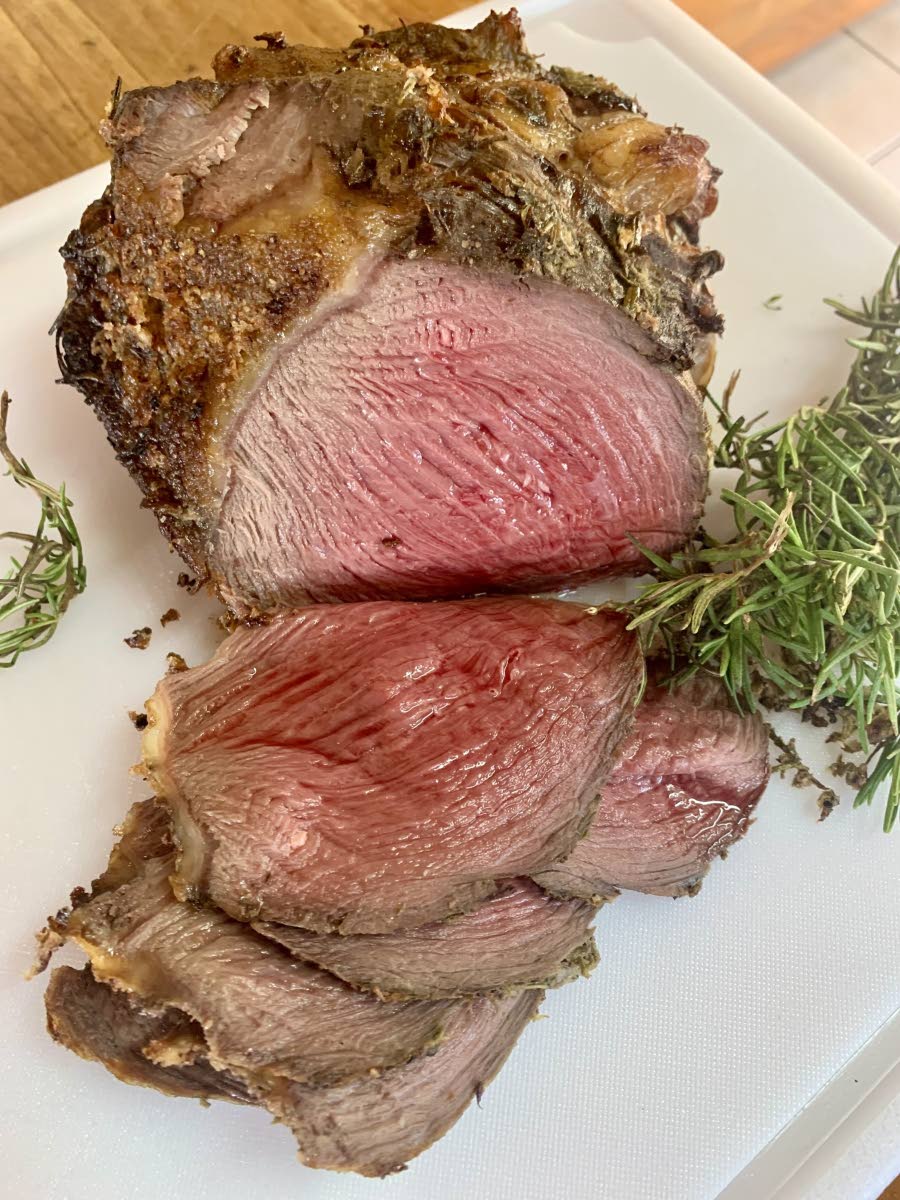
    A 4 lb bone-in leg of lamb receives an intense marinade of Dijon mustard, minced garlic, red wine vinegar, cracked black pepper, fresh rosemary, and olive oil. After overnight marination, the roast cooks at 375°F until reaching the optimal internal temperature of 140°F, followed by essential resting before carving.

    Herb-Roasted Chicken Technique:
    A 4 lb chicken undergoes meticulous preparation with a paste of chopped chives, garlic, olive oil, red wine vinegar, thyme, and black pepper. The bird marinates overnight before roasting at 375°F with continuous basting, resulting in exceptionally juicy meat with perfectly crisp skin.

    Each recipe emphasizes the importance of marination time, temperature control, proper resting periods, and sauce preparation techniques that transform pan drippings into flavorful accompaniments. These methods demonstrate how traditional cooking approaches can produce restaurant-quality results in home kitchens, celebrating the timeless appeal of roasted meats as both culinary centerpieces and versatile ingredients for subsequent meals.

  • Swaratsingh: TT will hear soon where $$$ to pay PSA workers will come from

    Swaratsingh: TT will hear soon where $$$ to pay PSA workers will come from

    The Trinidad and Tobago government confronts a significant fiscal challenge as it seeks sources for $3.8 billion required to fulfill back pay obligations to public servants. This financial commitment follows the recent settlement between the Public Services Association (PSA) and the Chief Personnel Officer (CPO) regarding a ten percent salary increase promised during the April general election campaign.

    Dr. Kennedy Swaratsingh, Minister of Planning, Economic Affairs and Development, indicated that funding details would emerge “soon enough” when briefly addressing reporters outside the Red House on November 28. The agreement, reached on November 27, structures the increase across a five-year period with one percent annually from 2014 to 2018 and five percent in 2019.

    The settlement is projected to increase recurrent government expenditure by $420 million annually. CPO Dr. Daryl Dindial confirmed plans to formalize the agreement through a memorandum of understanding with PSA representatives on December 1, followed by expedited Cabinet ratification potentially as early as December 4.

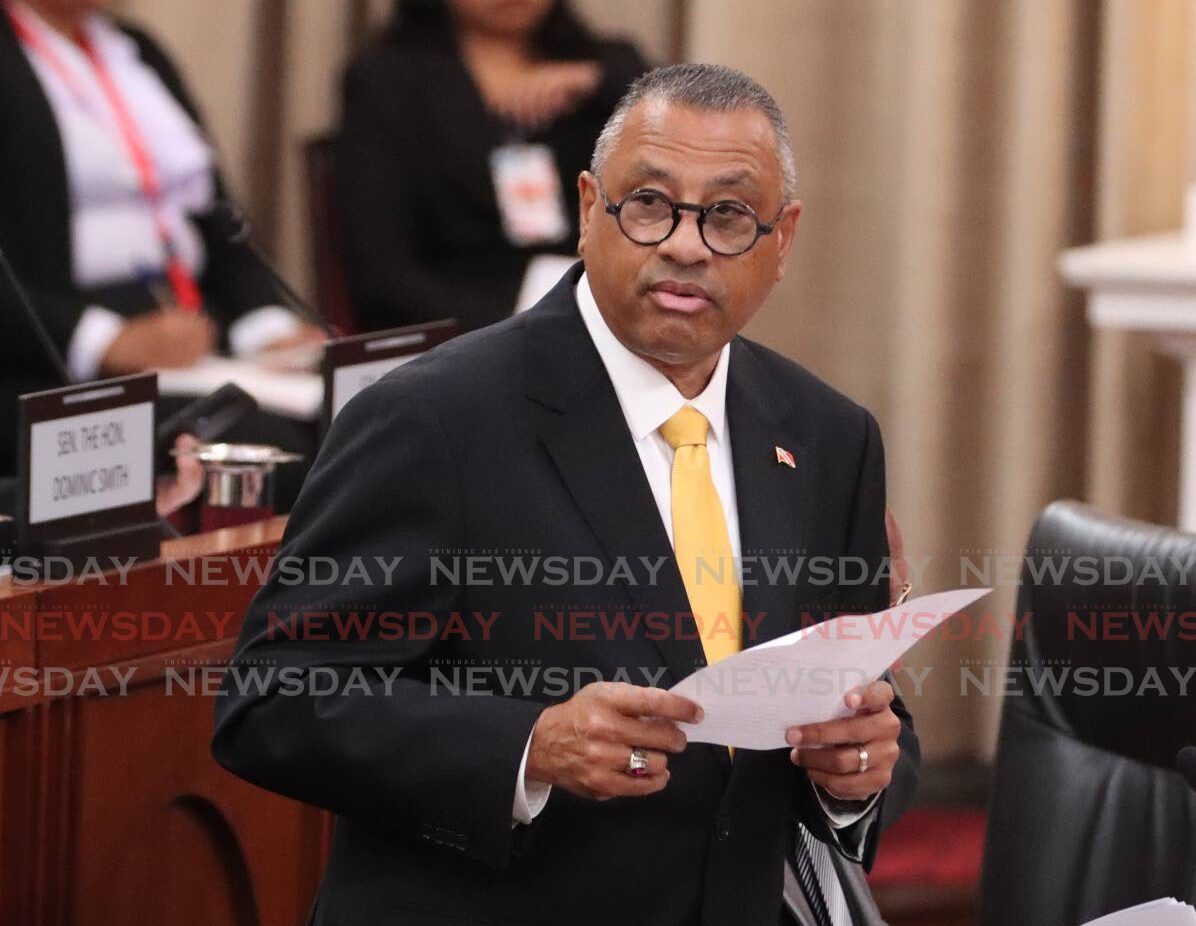
    Opposition Chief Whip Marvin Gonzales expressed cautious optimism about the settlement while emphasizing the need for transparency regarding funding mechanisms. Meanwhile, former finance minister Colm Imbert raised concerns about potential ripple effects, warning that similar demands from other unions could escalate the state’s financial burden to approximately $20 billion in back pay and $2 billion in additional annual expenditure.

    Minister in the Ministry of Public Utilities Clyde Elder cautioned against renegotiation attempts from other unions, noting that organizations that previously accepted four percent settlements should not expect retroactive adjustments based on the PSA’s outcome. Elder highlighted the PSA’s particular struggles during previous administrations and deferred payment timing decisions to Finance Minister Davendranath Tancoo.

  • Boyd shines but TT lose to Canada in Fiba 3×3 AmeriCup

    Boyd shines but TT lose to Canada in Fiba 3×3 AmeriCup

    In a thrilling display of 3×3 basketball prowess, Trinidad and Tobago’s national team delivered a spirited performance against Canada during their opening Group C match at the 2025 FIBA 3×3 AmeriCup in León, Mexico on November 28. Despite a spectacular individual effort from star guard Ahkeel “Smally” Boyd, the Caribbean squad ultimately succumbed to a 21-16 defeat against their North American opponents.

    The game commenced with Boyd establishing immediate dominance, single-handedly scoring Trinidad and Tobago’s first five points. The dynamic guard initiated the scoring with a crafty layup before stepping beyond the arc to sink a dramatic two-point shot, granting his team an early 3-0 advantage. However, Canada’s Jerome Derosiers shifted the momentum with a crucial jumper that propelled his team to a 5-4 lead—an advantage they would maintain throughout the remainder of the contest.

    Boyd’s exceptional performance culminated in a game-high ten points, including three impressive shots from deep range. His final long-distance conversion brought Trinidad and Tobago within striking distance at 18-16 with just over one minute remaining in the fast-paced ten-minute encounter. Despite this late surge, Canada’s experienced players demonstrated composure under pressure. Steve Sir connected on a critical jumper to extend the lead to 20-16, before Grant Audu sealed the victory with an uncontested layup following precise ball movement from Derosiers.

    Supplementary scoring for Trinidad and Tobago came from center Tyrik Singh with three points, while Boyd’s brother Ahkeem “Fato” Boyd contributed two points to the team’s total.

    The tournament journey began promisingly for the Trinidadian squad during the qualification phase, where they secured three consecutive victories. Their campaign commenced with a dominant 21-7 triumph over St Kitts and Nevis, followed by a hard-fought 21-18 win against Uruguay, and concluded with a default victory against Bahamas. The Boyd brothers were instrumental in these successes, combining for 17 points in the opener against St Kitts and 15 points in the crucial matchup against Uruguay.

    Following the Canada match, Trinidad and Tobago prepared to face Argentina later that evening. The tournament structure mandates that the top two teams from each of the four groups will advance to the quarterfinals scheduled for November 30, with the championship finale set for 8:55 PM that same evening.

  • Ameen: Boundaries should not split communities

    Ameen: Boundaries should not split communities

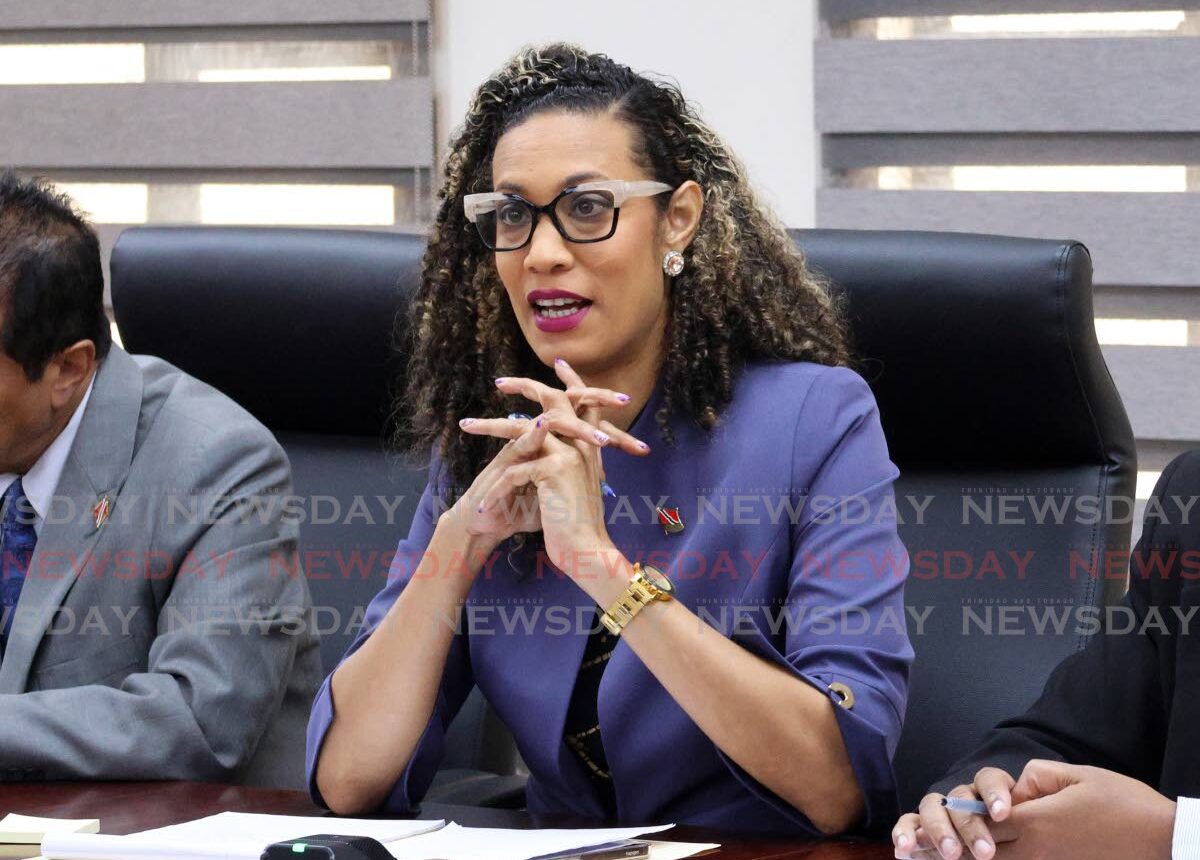
    In a significant address at Kent House in Maraval on November 28, Minister of Rural Development and Local Government Khadijah Ameen issued clear directives to eleven newly appointed boundary committee members. Emphasizing the critical importance of preserving community integrity, Minister Ameen stressed that municipal boundaries must adhere to natural divisions rather than artificially splitting villages and communities.

    The Minister highlighted substantial disparities in current electoral representation across different regions. Data reveals concerning imbalances where individual councillors represent populations ranging dramatically from 3,800 to over 15,700 citizens depending on their corporation. This variation, according to Ameen, creates fundamental inequities in governance and resource allocation that must be addressed through boundary reform.

    Demographic distribution emerged as another crucial factor in the boundary determination process. Minister Ameen noted that while some municipal areas contain merely 2-4% of the national population, others such as Tunapuna/Piarco account for significantly higher percentages at 17% and 14% respectively. Geographic size variations further complicate the landscape, with municipalities spanning from compact 12 square kilometer areas to expansive 927 square kilometer regions like Sangre Grande.

    The Minister articulated the direct connection between equitable boundary division and fair funding distribution, stating that proportional resource allocation remains impossible without geographic and demographic balance. While expressing confidence in the committee’s ability to fulfill its mandate, Ameen clarified the procedural framework: the committee’s recommendations will proceed to Cabinet, though ultimate authority rests with Parliament regarding municipal boundaries, while the Elections and Boundaries Commission maintains jurisdiction over electoral districts.

    Ameen encouraged committee members to utilize available demographic data and community consultations to inform their decisions, particularly emphasizing the need to create sub-regions based on development priorities where necessary. This approach aligns with the Prime Minister’s longstanding concerns regarding funding disparities resulting from inequitable boundary divisions.

  • Progressive policy on older vehicles

    Progressive policy on older vehicles

    In a significant policy shift, Trinidad and Tobago’s UNC government has implemented sweeping reforms to the nation’s vehicle import regulations, fundamentally altering access to classic, antique, vintage, and foreign-used automobiles. The transformative changes, announced during a November 20 post-Cabinet briefing by Transport and Civil Aviation Minister Eli Zakour, establish a formal classification system for historic vehicles while substantially relaxing age restrictions on imported cars.

    The newly approved regulatory framework introduces three distinct categories for heritage vehicles: ‘classic’ for cars 25 years or older, ‘antique’ for those exceeding 45 years, and ‘vintage’ for exceptional vehicles reaching 95 years of age. This classification system provides legal recognition and road-use authorization for historically significant automobiles that previously operated in a regulatory gray area.

    Concurrently, the Ministry of Trade, Investment and Tourism has dramatically revised import rules for foreign-used vehicles. The permissible age for right-hand-drive private car imports has been extended from three years to under eight years, while light commercial vehicles may now be up to ten years old. These changes directly fulfill campaign promises made in the UNC’s 2025 manifesto to increase vehicle affordability and reverse what the administration characterized as overly restrictive policies under the previous PNM government.

    The economic implications of these reforms are substantial. Global market analyses indicate the classic car industry represents a $32-40 billion market worldwide, with the automotive restoration sector projected to reach nearly $8 billion by the early 2030s, growing at approximately 10% annually. The policy changes position Trinidad and Tobago to participate in this valuable economic ecosystem, potentially generating skilled employment in restoration crafts and heritage mechanics—fields that command significant wage premiums in developed markets.

    Beyond economic considerations, the reforms address practical mobility concerns for citizens by making reliable transportation more accessible. The previous three-year import restriction had priced many Trinidadians out of the vehicle market, particularly affecting middle-income families seeking quality transportation options. The expanded age allowances are expected to improve mobility without compromising vehicle safety or reliability.

    The government’s initiative also creates formal pathways for cultural preservation, enabling the establishment of restoration businesses, enthusiast clubs, and heritage events that celebrate automotive history. This structured approach aligns with international standards for historic vehicle conservation while generating tangible economic opportunities within the heritage sector.

    Transport Minister Zakour emphasized that the previous regulatory vacuum had constrained lawful use of historic vehicles and limited their economic potential. The new framework aims to unlock value both for automotive enthusiasts and ordinary citizens seeking affordable transportation solutions, representing what the administration describes as a balanced approach to regulatory modernization, economic stimulation, and cultural preservation.