标签: Trinidad and Tobago

特立尼达和多巴哥

  • High Court dismisses habeas corpus application by SoE detainee

    High Court dismisses habeas corpus application by SoE detainee

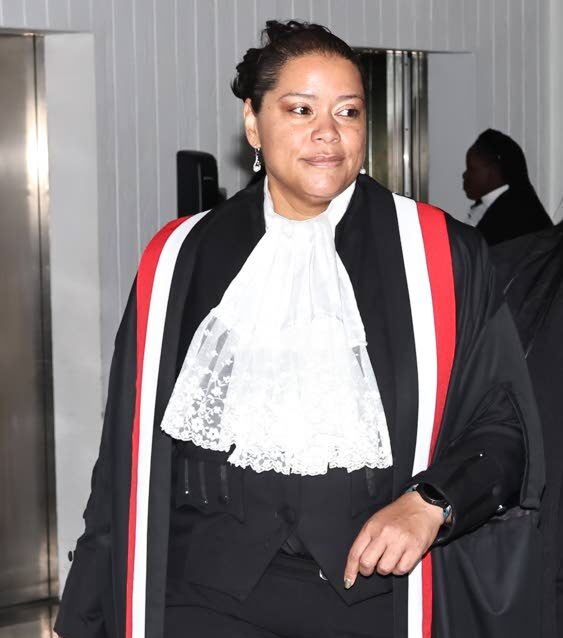
    In a significant judicial ruling, High Court Justice Karen Reid has rejected the habeas corpus petition filed on behalf of Kevin Mills, a customs clerk from La Horquetta currently held under a preventative detention order (PDO). The decision, delivered during a January 21 hearing, reinforces the government’s controversial emergency powers amid ongoing security concerns.

    Mills was initially detained on December 13, 2025, under a PDO authorized by Homeland Security Minister Roger Alexander. The order alleges Mills’ involvement in facilitating “brazen and well-orchestrated attacks” against civilians and law enforcement personnel. According to police intelligence assessments, Mills and associates from the La Retreat Gang were planning additional shootings and homicides that would constitute a severe threat to public safety.

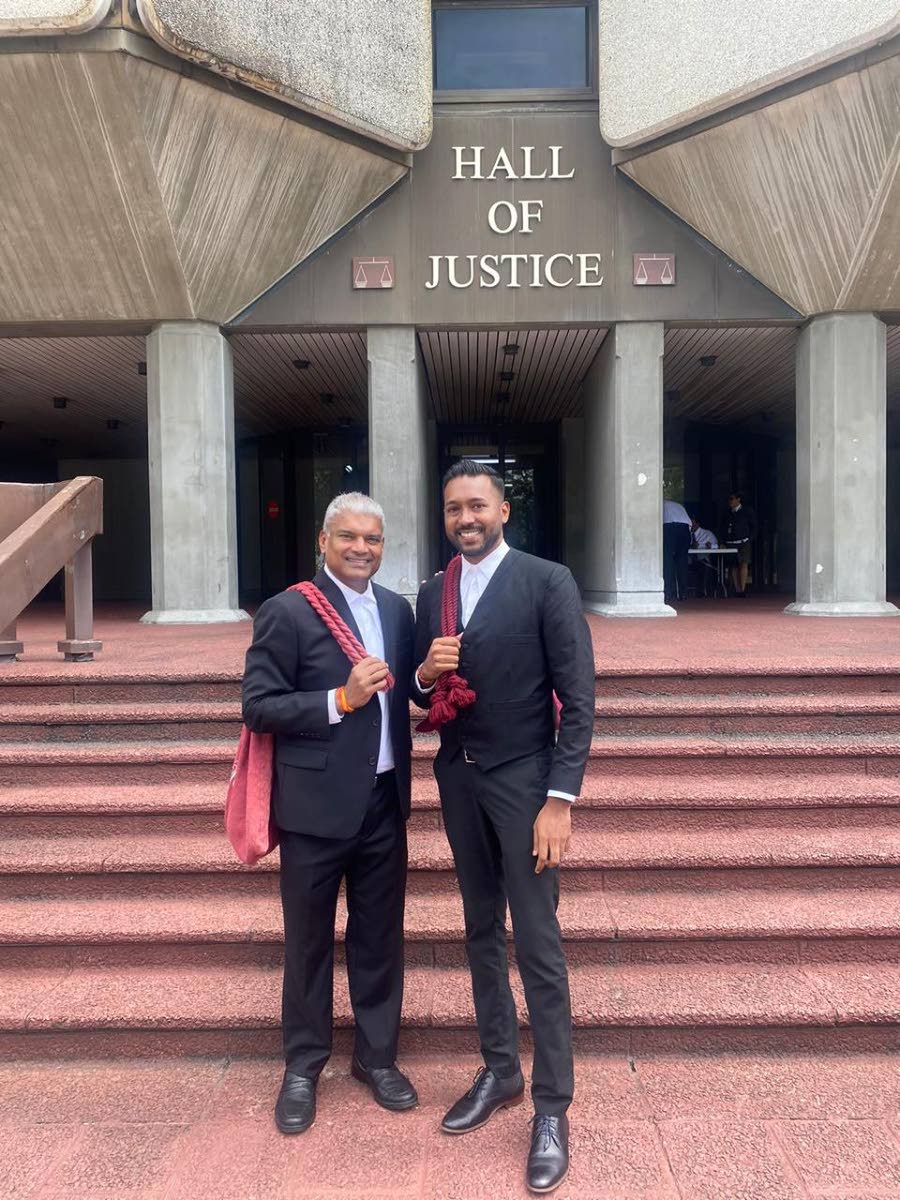
    Legal representative Nestor Dinnoo-Alloy mounted a multifaceted challenge against the detention’s legality. The defense contended that the government failed to publish the PDO notice in the Gazette within the mandated seven-day window stipulated by the Emergency Powers Regulations 2025. Documentation indicated the notice only appeared on December 25—12 days after the order’s issuance—which Dinnoo-Alloy argued rendered the detention unlawful.

    Additional arguments highlighted that Mills was already on bail for unrelated ammunition possession charges, questioning the justification for preventive detention under these circumstances. Concerns were also raised regarding the extended duration of Mills’ confinement without formal charges.

    Representing the state, Senior Counsel Anand Ramlogan characterized the habeas corpus application as “fundamentally flawed.” Ramlogan asserted that although Gazette publication occurred later than technically required, the PDO had been properly served to Mills within the statutory timeframe, preserving its legal validity. He emphasized that service—not publication—represented the critical legal requirement, noting there was no challenge against the minister’s fundamental authority to issue such orders.

    Ramlogan further observed that Mills had already pursued alternative recourse through the Emergency Powers Review Tribunal, with judgment pending just one day prior to the habeas corpus hearing. He additionally contextualized the publication delay within the framework of the Christmas holiday period and existing legal precedents.

    Senior Counsel Ian Benjamin, representing the Commissioner of Prisons, aligned with these arguments and described the application as an abuse of judicial process.

    Justice Reid’s dismissal continues a pattern of unsuccessful legal challenges against preventive detentions during the ongoing state of emergency. Previous petitions from Isaiah Greenidge and Rajaee Ali were similarly rejected by Justices Devindra Rampersad and Frank Seepersad in October and July 2025 respectively.

    The state of emergency remains in effect and is currently scheduled to expire on January 31, unless further extended by government authorities.

  • Independent Senator: Don’t assume we’re PNM

    Independent Senator: Don’t assume we’re PNM

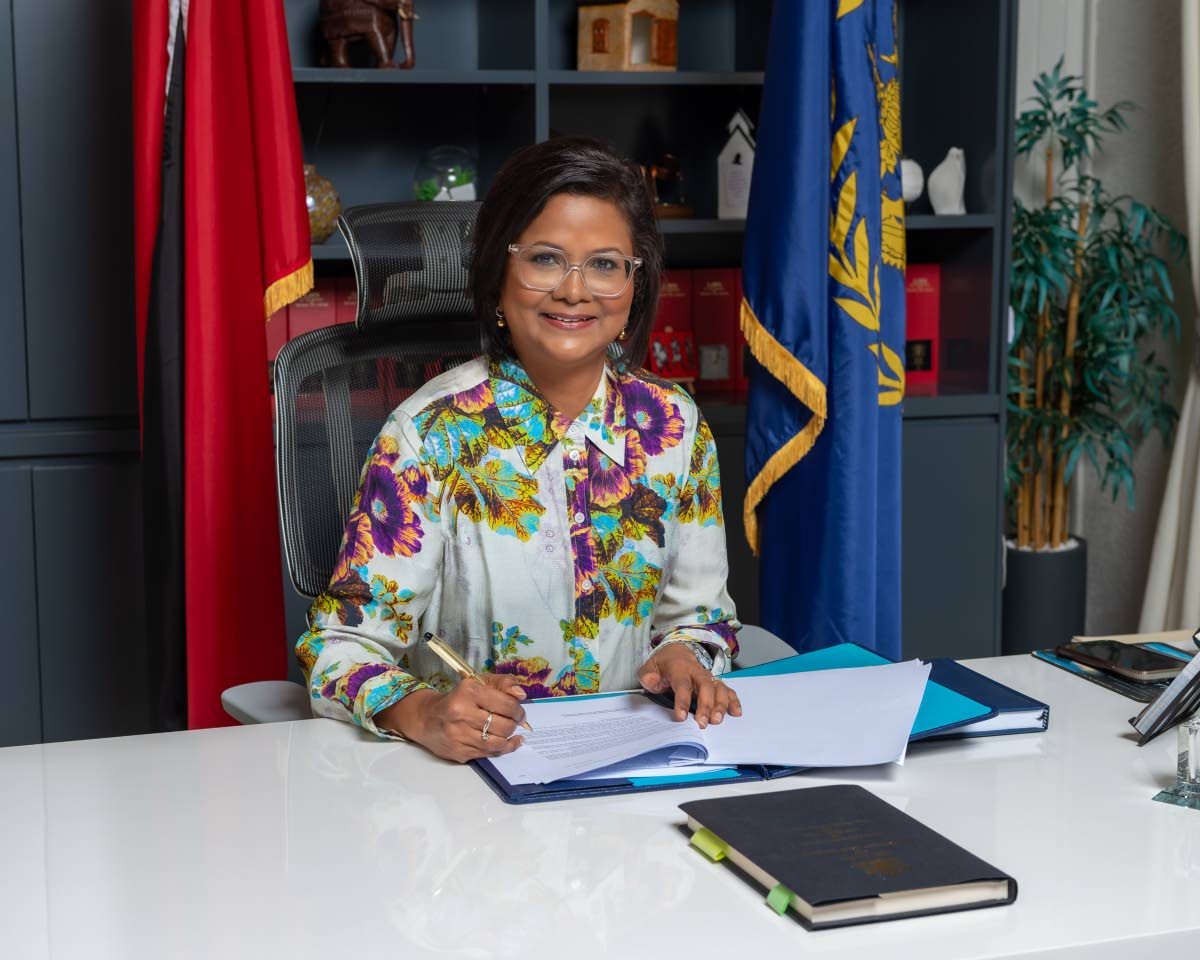
    In a significant parliamentary development, Independent Senator Michael Simon de la Bastide has called upon the Trinidad and Tobago government to employ persuasive dialogue rather than derogatory language to secure support for the Law Reform (Zones of Special Operations) Bill, 2026. The proposed legislation, which passed the House of Representatives on January 16, is currently under detailed scrutiny in the Senate, where deliberations began on January 20 and are set to continue.

    The bill grants Prime Minister Kamla Persad-Bissessar, in her capacity as National Security Council chair, the authority—following consultations with police and military leadership—to designate specific high-crime regions as Zones of Special Operations (ZOSOs) for periods up to 180 days. The bill requires a three-fifths majority in the Senate, translating to 19 votes. With the government holding 15 seats, the opposition 6, and independent senators 9, the support of the latter group is crucial.

    Senator de la Bastide, along with fellow Independent Senator Anthony Vieira, expressed a conditional willingness to back the bill but voiced strong objections to the hostile rhetoric directed at non-aligned senators. De la Bastide emphasized that independent senators are open to constructive pre-debate discussions, potential amendments, and compromises. He criticized the government’s approach of hurling insults and making partisan assumptions, stating that such tactics could deter qualified individuals from accepting future appointments as independent senators.

    Both senators acknowledged the necessity of innovative measures to address Trinidad and Tobago’s persistent crime challenges. However, they highlighted concerns about the potential stigmatization of communities labeled as ZOSOs, the risk of normalizing military involvement in civilian policing, and the importance of ensuring that expanded security powers align with constitutional principles and human rights protections.

    Vieira underscored that independent senators are constitutionally mandated to ask difficult questions, particularly when legislation involves expanding state authority. He rejected characterizations of their critiques as ‘shallow’ or ‘vapid,’ framing them instead as essential exercises of independent judgment in a healthy democracy.

    The ongoing debate reflects deeper tensions regarding governance, legislative process, and the balance between security needs and democratic safeguards in Trinidad and Tobago.

  • President proclaims stand-your-ground legislation

    President proclaims stand-your-ground legislation

    Trinidad and Tobago has officially enacted groundbreaking stand-your-ground legislation, marking a significant shift in the nation’s approach to self-defense and property protection. President Christine Kangaloo formally proclaimed the Home Invasion (Self-Defence and Defence of Property) Act, 2025 into effect on January 20 through Legal Notice 16, implementing one of the United National Congress’s key electoral promises to address rising crime rates.

    The comprehensive legislation establishes home invasion as a specific criminal offense, defining it as unlawful entry into a dwelling with intent to use force against occupants. The act explicitly removes the duty to retreat, granting occupants the legal right to stand their ground when facing home invaders. The law permits the use of defensive force, including deadly force, when occupants reasonably believe their lives are in immediate danger or face threats of grievous bodily harm, sexual assault, or death.

    The legislation outlines detailed parameters for justified self-defense, requiring that the occupant’s response must be proportionate to the perceived threat and based on honest, instinctive assessment of the situation. Courts must consider multiple factors when evaluating the reasonableness of defensive actions, including the nature of the threat, weapon involvement, and the proportionality of the response.

    However, the act establishes crucial limitations on the use of defensive force. Protections do not apply against lawful occupants or law enforcement officers performing official duties. The law excludes those engaged in criminal activities, individuals with substantially impaired mental faculties due to voluntary drug consumption, and cases where the force used is grossly disproportionate to the threat encountered.

    The legislation specifically addresses aggravated circumstances, providing enhanced considerations for invasions involving criminal organizations or occurring in the presence of children, senior citizens, or vulnerable persons. This legislative reform represents Trinidad and Tobago’s substantial policy response to public safety concerns while maintaining legal safeguards against potential misuse of self-defense claims.

  • Paria tragedy survivor, families get $1m

    Paria tragedy survivor, families get $1m

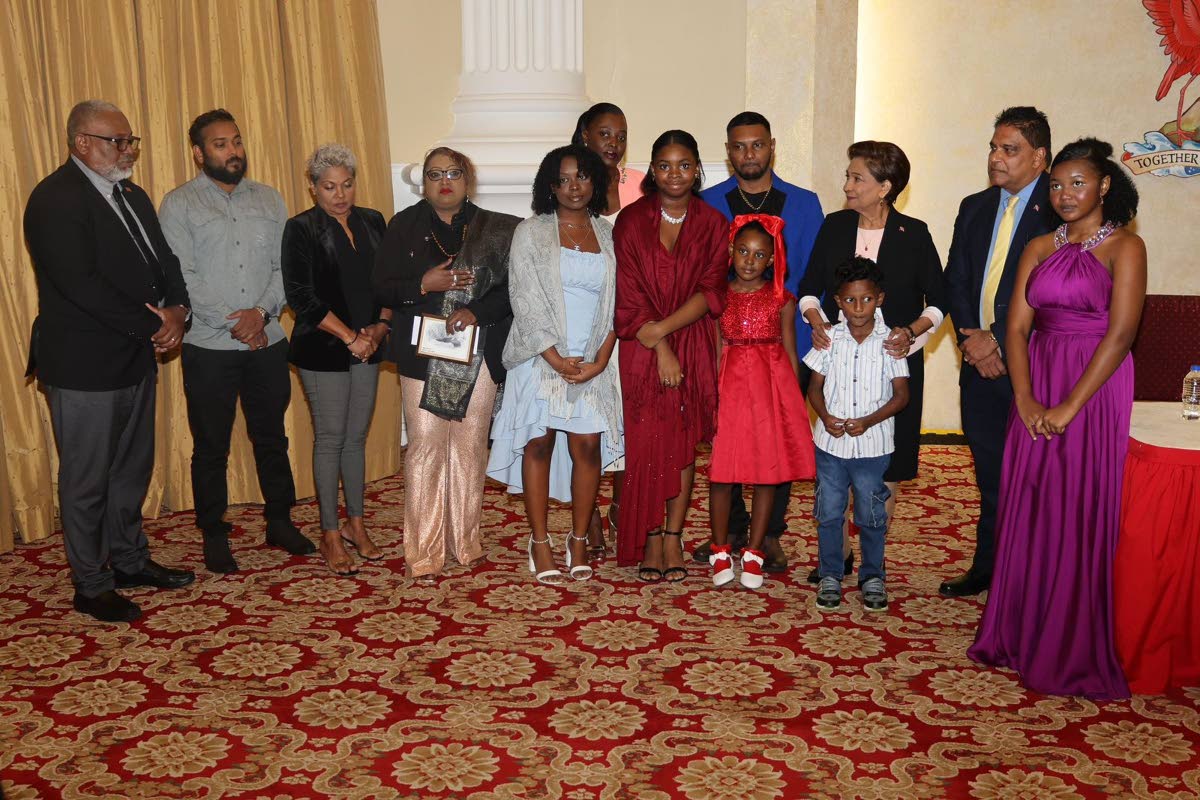
    In a significant gesture of national compassion, Prime Minister Kamla Persad-Bissessar personally delivered ex-gratia payments of $1 million each to Christopher Boodram, the sole survivor of the Paria diving catastrophe, and the families of deceased divers Rishi Nagessar and Fyzal Kurban. The ceremony occurred on January 22, 2026, at the Diplomatic Centre in St. Ann’s, marking a decisive shift in the government’s approach to one of the nation’s most tragic industrial accidents.

    The Prime Minister’s Office issued a statement condemning the previous administration’s handling of the aftermath, accusing them of prioritizing legal expenditures over direct humanitarian support for the affected families. The statement emphasized that the current government operates on principles of accountability and citizen welfare, ensuring that no individual would be abandoned in their time of need.

    The compensation initiative commenced with these three recipients and will expand progressively to include all families impacted by the February 25, 2022 incident. The tragedy unfolded during routine maintenance on a 30-inch underwater pipeline at Berth 6, Pointe-a-Pierre, when a sudden differential pressure event (Delta P) sucked five divers into the oil-filled conduit. Only Boodram emerged alive after enduring nearly four hours of entrapment in complete darkness.

    This governmental action follows the January 2024 Commission of Enquiry report, which recommended corporate manslaughter charges against Paria Fuel Trading Company and potential prosecutions under the Occupational Safety and Health Act for company officials. Previous delays in compensation, attributed to insurance liability disputes between Paria and contractor LMCS, were resolved through the current administration’s direct intervention.

  • Privy Council dismisses contractor’s claim against WASA

    Privy Council dismisses contractor’s claim against WASA

    In a landmark legal reversal, the Judicial Committee of the Privy Council has unanimously allowed an appeal by Trinidad and Tobago’s Water and Sewerage Authority (WASA), nullifying a multimillion-dollar award previously granted to contractor Uniform Building Contractors Ltd (UBC). The January 22 judgment reinstates the High Court’s original dismissal of UBC’s claims, marking a significant victory for the state utility.

    The dispute originated from a 2007 design-build contract valued at $28 million for pipeline installation between Rio Claro and Mayaro. WASA terminated the agreement in 2009, prompting UBC to seek $13.9 million in compensation for alleged variations beyond the lump-sum contract. The contractor claimed additional costs for roadway pipe-laying, material disposal, backfill importation, and night work.

    Delivering the ruling, Sir Peter Coulson declared the Court of Appeal’s 2023 decision “fundamentally flawed” in its legal reasoning. The Privy Council determined that all four contested work items were expressly or implicitly included within the original contract scope and pricing structure. Crucially, the judgment emphasized that contractual interpretation—not an engineer’s on-site opinion—governs variation determinations.

    The Board further rejected appellate arguments regarding waiver and estoppel, noting these issues were never properly pleaded or evidenced during trial proceedings. Most damningly, UBC failed to comply with mandatory contractual procedures requiring variation claims to be submitted within 28 days—a condition precedent that barred any entitlement to additional payment.

    The ruling clarified that contract termination operates prospectively, unable to resurrect time-barred claims. “The eventual termination could not, in law, resurrect claims that had not been made in time,” the judgment stated, underscoring that contractual rights and obligations accrued before termination remain unaffected.

    Legal representation featured Anand Ramlogan, SC, Kate Temple-Mabe, and Ganesh Saroop for WASA, while Irshaad Ali and Adam Razack represented UBC. The decision reinforces strict adherence to contractual notice provisions and affirms that fairness arguments cannot override clear procedural requirements.

  • Caricom framework for stabilising Haiti

    Caricom framework for stabilising Haiti

    A groundbreaking proposal for regional stewardship has emerged as a potential solution to Haiti’s protracted governance crisis. Andrew P. Anderson, an international facilities and construction professional who recently visited Haiti, argues that the country’s fundamental problem isn’t its people or resources, but generations of failed governance systems.

    During his professional assessment, Anderson observed the stark contrast between Haiti’s evident challenges—mounting uncollected garbage, informal vending in unsafe conditions, and neglected public spaces—and the remarkable resilience, creativity, and dignity of its citizens. Despite these conditions, Haitians continue trading, educating their children, building, and innovating daily, demonstrating what Anderson describes as ‘unmistakable human potential’ in a fertile land.

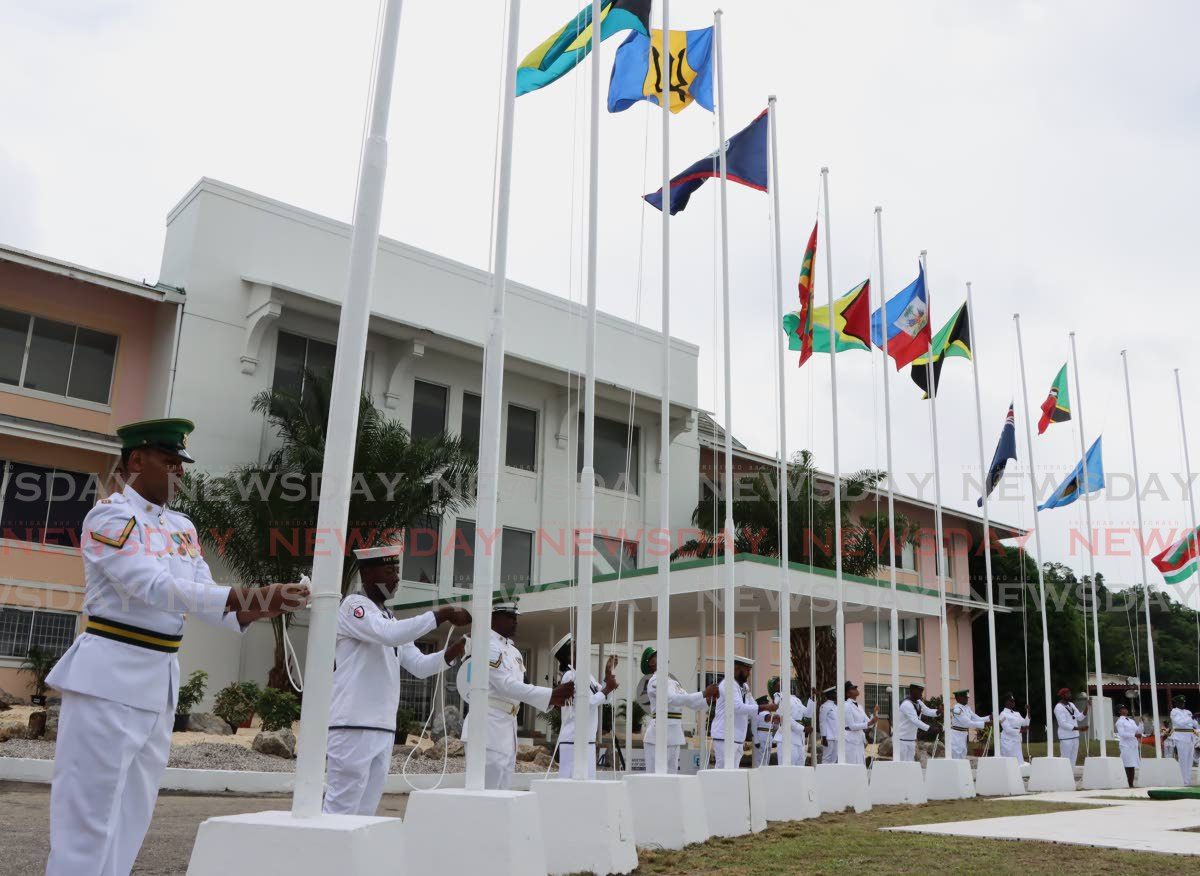
    The proposed solution involves a temporary Caricom-led governance compact, technically and financially supported by the United Nations and other partners. This model would not involve foreign territorial control but rather functional co-stewardship of specific state functions alongside Haitian counterparts for a fixed period, potentially ten years, with clear benchmarks and defined exit strategies.

    Key components of this regional approach include:

    National security and policing support from Jamaica, focusing on professional standards and community policing
    Justice and corrections strengthening through Trinidad and Tobago’s expertise
    Public administration and revenue management guided by Barbados
    Health services stabilization through regional partnerships
    Education and skills training supported by Barbados and OECS states
    Public works and municipal services managed with assistance from Guyana, Suriname, and Dominica
    Tourism development facilitated by Jamaica, St. Lucia, and the Bahamas
    Agriculture and food security supported by multiple Caribbean nations
    Structured labor mobility programs allowing Haitian workers to contribute legally to labor-short Caribbean economies

    Anderson emphasizes that this approach begins with rebuilding trust through visible public order improvements—waste management, drainage, street lighting, and regulated vending—which serve as signals of state competence. When order connects to jobs, income, and dignity, behavior changes rapidly, creating a foundation for sustainable development.

    This regional compact model preserves Haitian sovereignty, avoids domination by any single external power, shares responsibility across the Caribbean, and provides Haiti with what it has long been denied: a stable, predictable framework within which its people can thrive.

  • Trinidad and Tobago Newsday – Thursday January 22nd 2026

    Trinidad and Tobago Newsday – Thursday January 22nd 2026

    A recent surge in public health discussions has brought the global dietary supplement industry under intense scrutiny. Health experts and regulatory bodies are raising urgent concerns about the safety, efficacy, and marketing claims of these widely consumed products, which often occupy a regulatory gray area between food and pharmaceuticals.

    Unlike prescription medications, dietary supplements frequently bypass rigorous pre-market approval processes, relying instead on post-market surveillance to identify adverse effects. This regulatory framework has led to growing apprehensions about potential contaminants, inaccurate ingredient labeling, and exaggerated health benefit claims that may mislead consumers.

    Medical professionals emphasize that while some supplements demonstrate proven benefits for specific health conditions and nutritional deficiencies, many products lack substantial scientific evidence to support their advertised claims. The absence of standardized manufacturing practices across the industry further compounds these concerns, potentially leading to inconsistent product quality and potency.

    Healthcare providers are increasingly advocating for more transparent labeling requirements, third-party quality verification, and improved consumer education initiatives. They recommend that individuals consult healthcare professionals before incorporating new supplements into their regimen, particularly those with pre-existing medical conditions or who are taking other medications.

    The ongoing discourse highlights the critical need for consumers to approach supplement use with informed skepticism and to prioritize evidence-based health interventions over marketing claims.

  • Red Force women lose third Women’s T20 Blaze tie

    Red Force women lose third Women’s T20 Blaze tie

    Trinidad and Tobago’s women’s cricket team faced their third defeat in the ongoing Cricket West Indies T20 Blaze tournament, falling to Jamaica by three wickets in a rain-disrupted encounter at Arnos Vale Playing Field in St Vincent on January 21.

    The Karishma Ramharack-led Trinidadian side, asked to bat first, posted a modest total of 76/8 from their allocated 17 overs after weather interventions reduced the contest. Their bowling attack failed to defend the target as Jamaica reached 79/7 with ten deliveries remaining.

    TT opener Djenaba Joseph emerged as the lone batting standout with 27 runs, while veteran Anisa Mohammed contributed nine. The remainder of the batting lineup collapsed against Jamaica’s disciplined bowling attack, particularly struggling against off-spinner Stafanie Taylor who claimed impressive figures of 3/9 from three overs. She received solid support from Vanessa Watts (2/13) and Neisha-Ann Waisome (2/19).

    Jamaica’s chase was anchored by Chedean Nation’s 24 and captain Taylor’s 21, providing the foundation for their successful pursuit despite resistance from TT’s leg-spinner Brianna Harricharan who captured 3/17. Captain Ramharack also contributed with 2/13.

    In the day’s other fixture, Barbados returned to winning form with a 22-run victory over Guyana. The Bajans posted 92/8 from their full 20 overs, with skipper Aaliyah Alleyne top-scoring with an unbeaten 38. Guyana’s response faltered dramatically early, collapsing to 3/5 within seven deliveries. Despite Shabika Gajnabi’s resilient 41 not out, Guyana finished at 70 all out with two balls remaining. Theanny Herbert-Mayers led Barbados’ bowling charge with 3/16, supported by multiple-wicket hauls from Alleyne, Naijanni Cumberbatch, and Keila Elliott.

    Meanwhile, Leeward Islands and Windward Islands women were engaged in a closely contested battle at the same venue as of press time.

  • 250 more ex-Caroni workers get land leases

    250 more ex-Caroni workers get land leases

    The Trinidadian government has significantly intensified its initiative to resolve longstanding land tenure issues for former employees of the defunct Caroni (1975) Ltd., with a recent distribution event in Couva marking a major milestone in this ongoing effort.

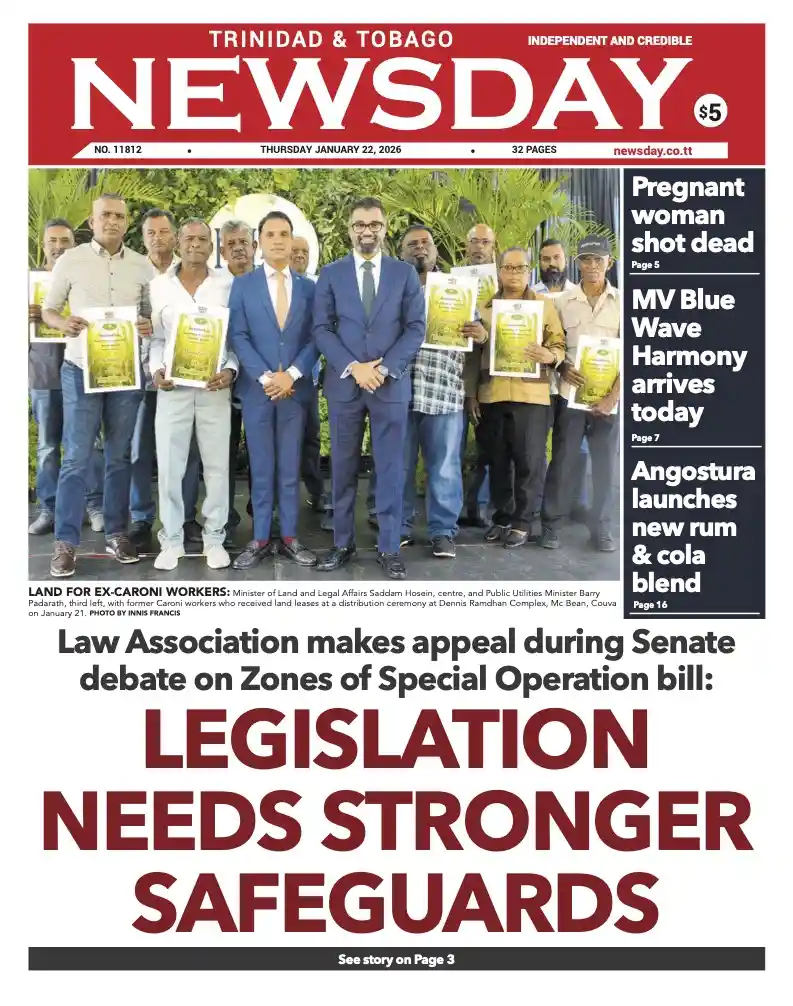
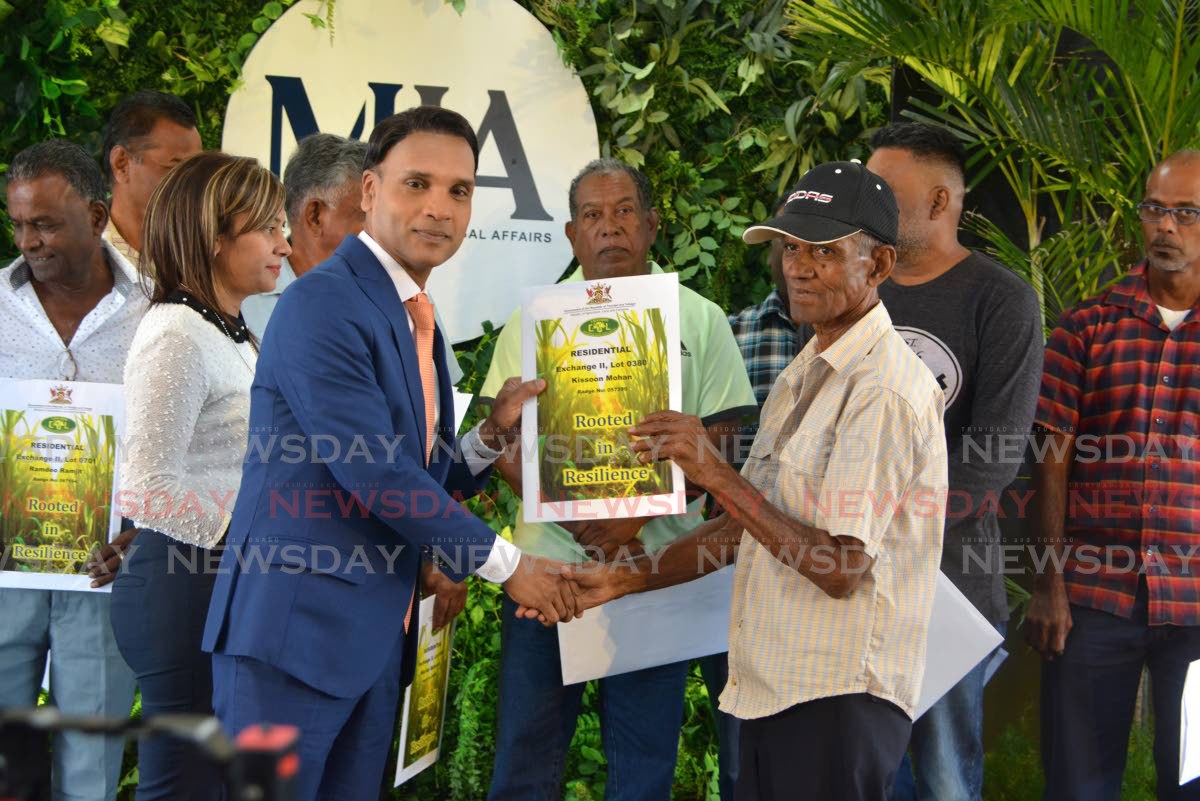
    On January 21, Land and Legal Affairs Minister Saddam Hosein presided over the distribution of land leases to 250 beneficiaries at the Dennis P Ramdhan Complex in McBean Village. This event represents the third such distribution ceremony conducted within nine months by the administration led by Prime Minister Kamla Persad-Bissessar, who assumed office in April of last year.

    Minister Hosein emphasized the administration’s commitment to fulfilling campaign promises, noting that nearly 600 leases have been distributed since taking office—a achievement he contrasted with the previous 22 years of inaction. Despite this progress, Hosein acknowledged that substantial work remains, with approximately 3,000 residential leases and 1,751 agricultural plots still awaiting distribution, alongside necessary remedial land works.

    The historical context traces back to 2003 when Caroni (1975) Ltd. was shuttered under a PNM administration. Subsequent legal battles ensued as the state failed to honor voluntary separation packages, culminating in a court ruling that affirmed workers’ entitlement to land leases. The previous administration appealed this decision, but Persad-Bissessar’s government dropped the appeal upon assuming power.

    In a related development, Hosein revealed that the government has agreed to a $130 million compensation package for former private sugarcane farmers as final settlement for transition payments following the sugar industry’s 2007 collapse. The payment structure involves three tranches—$27 million, $75 million, and $28 million—with only the first installment paid during the People’s Partnership administration in July 2015.

    Hosein further alleged that European Union funds totaling 8 million euros ($63.55 million), intended for worker compensation during the PNM’s tenure, were diverted from their designated purpose. He characterized these actions as both unlawful and unethical during a press conference at the UNC Headquarters.

    Public Utilities Minister Barry Padarath, who also addressed attendees, praised Persad-Bissessar’s leadership and commended Hosein’s determined efforts to resolve what he described as a “legacy matter languishing for years under previous administrations.”

    Among the recipients was 75-year-old Allan Manichand, a former mechanic with 35 years of service who plans to bequeath the land to relatives, and 69-year-old Roshad Ali, who expressed satisfaction at finally receiving his due entitlement after years of waiting.

  • Panday criticises PM for attack on independent senators

    Panday criticises PM for attack on independent senators

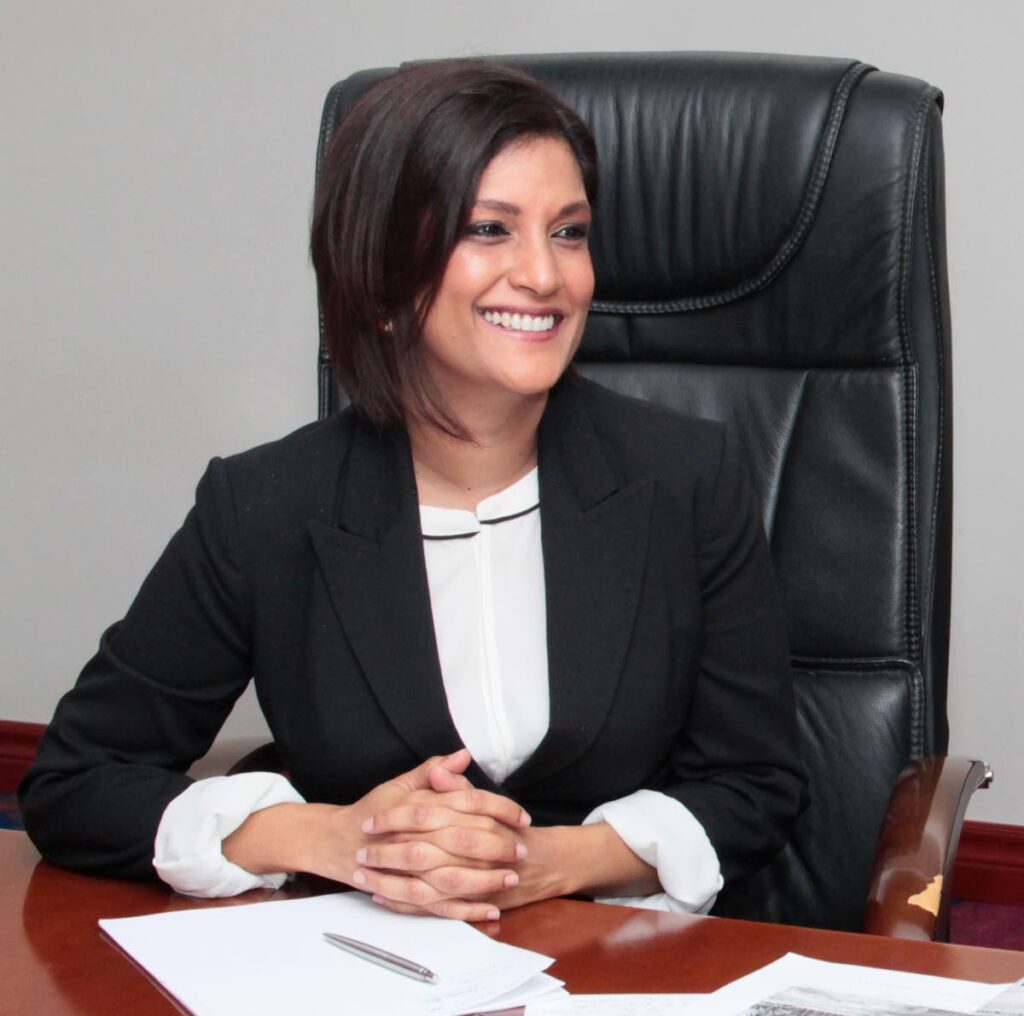
    In a striking political confrontation, Mickela Panday, prominent opposition figure, has publicly denounced Prime Minister Kamla Persad-Bissessar for her vehement criticism of independent senators regarding the contentious Law Reform (Zones of Special Operations) Bill, 2026. The legislative battle centers on a security bill that would empower the Prime Minister, as National Security Council chair, to designate special security zones for up to 180 days in consultation with police and military leadership.

    The parliamentary mathematics reveals the government’s challenge: the bill requires 19 votes in the Senate for passage, yet the ruling party controls only 15 seats against the opposition’s 6 and independents’ 9. This arithmetic has intensified the political stakes, prompting Persad-Bissessar’s reported characterization of independent senators as ‘shameless,’ ‘bootlickers,’ and individuals who ‘had no courage to contest any election.’

    Panday’s rebuttal presents a constitutional defense of the Senate’s structure, noting that all senators—government, opposition, and independent—hold appointed rather than elected positions. She highlights the constitutional provisions whereby government and opposition senators are appointed by the President on advice of the Prime Minister and Opposition Leader respectively, while nine independents are appointed without consultation with either office.

    The critique extends beyond procedural matters to fundamental democratic principles. Panday warns that attacking oversight institutions and treating constitutional roles as obstacles represents the ‘early stages of a creeping dictatorship.’ She challenges the Prime Minister to pursue formal constitutional reform rather than condemn appointment mechanisms while simultaneously relying on them, noting her late father, former Prime Minister Basdeo Panday, long advocated for constitutional modernization.

    The Senate debate, which began January 20th and continues through January 23rd, has thus evolved from a legislative discussion into a broader examination of democratic governance and the proper role of appointed officials in a parliamentary system.