标签: Trinidad and Tobago

特立尼达和多巴哥

  • Hope, scepticism as Trinidad and Tobago doctors bound for Guyana

    Hope, scepticism as Trinidad and Tobago doctors bound for Guyana

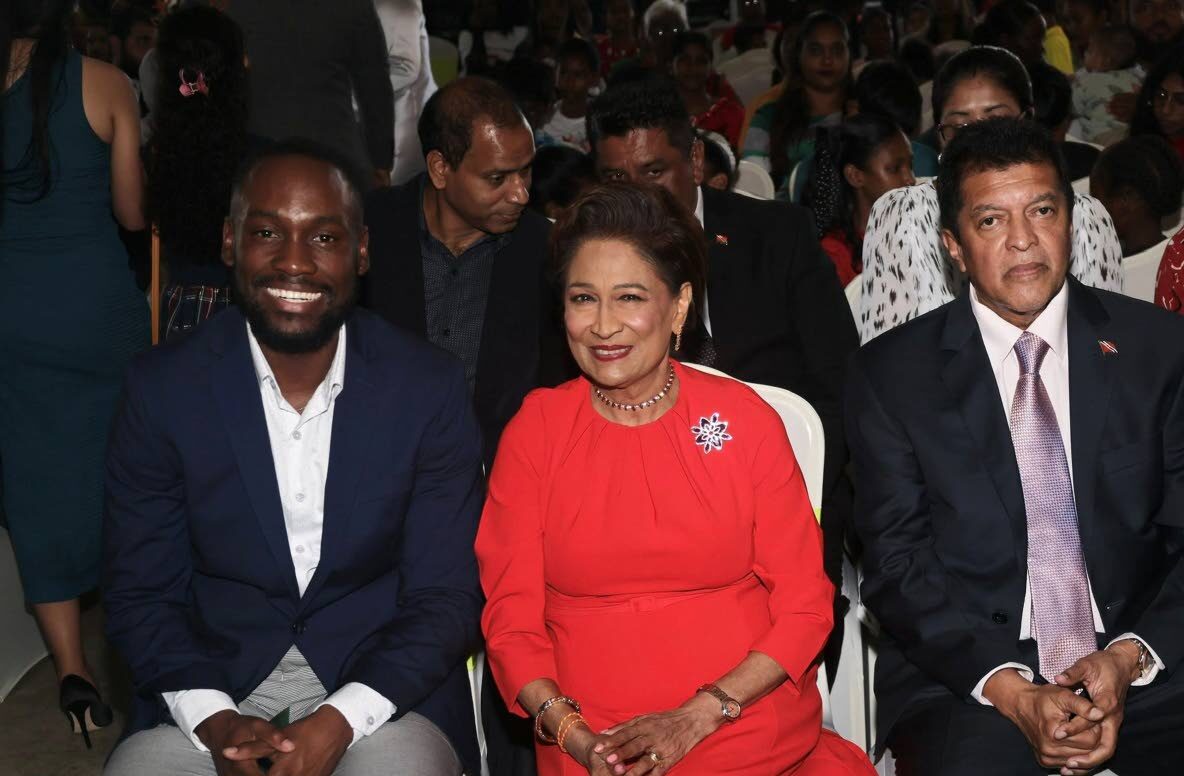
    In a significant development for Caribbean regional cooperation, Trinidad and Tobago has initiated a groundbreaking medical partnership with Guyana. Prime Minister Kamla Persad-Bissessar announced during the Couva Children’s Hospital re-dedication ceremony that approximately 50 Trinidadian doctors will form the inaugural contingent heading to Guyana.

    The Prime Minister revealed that while the Couva facility was originally envisioned as a regional medical hub, Guyana’s substantial investments in healthcare infrastructure have created new opportunities for collaboration. “Guyana will hire doctors from Trinidad and Tobago because we have so many well-trained doctors,” Persad-Bissessar stated, highlighting the surplus of medical professionals in her country.

    This initiative follows Guyana’s massive GY$4.6 billion investment in medical infrastructure, including a new 50-bed hospital in the Moruca Region equipped with advanced diagnostic technology, surgical facilities, and local oxygen production capabilities.

    The announcement has been met with enthusiasm by early-career medical professionals in Trinidad and Tobago. An anonymous neurosurgery trainee welcomed the initiative, noting the current market challenges where many junior doctors face unemployment or temporary contracts without benefits. Similarly, a young optometrist expressed hope that this would provide much-needed stability, acknowledging that “the industry isn’t expanding as fast as the students are graduating.”

    However, the initiative has raised concerns among nursing professionals. Idi Stuart, president of the Trinidad and Tobago Registered Nurses Association, warned of potential negative consequences for the nursing sector. While acknowledging the doctor surplus, Stuart emphasized the existing nursing shortages in specialized areas and expressed concern that competitive Guyanese salaries might attract Trinidadian nurses, exacerbating local shortages.

    Stuart questioned the allocation of educational resources, suggesting that funding should be redirected from medical programs to address nursing shortages. He criticized the approach of training professionals for export while the country faces financial constraints, stating that Trinidad and Tobago should be more judicious in aligning educational investments with domestic needs.

    The partnership represents both an opportunity for regional cooperation and a complex challenge in balancing domestic healthcare needs with international diplomatic initiatives.


  • Angostura Chill upsizes for the holidays

    Angostura Chill upsizes for the holidays

    In a strategic move to capitalize on holiday season demand, Angostura Chill has launched oversized 750ml glass bottles of its premium non-alcoholic beverages. Dubbed the ‘Big Chill’ collection, these multi-serve formats debut in two distinctive flavors: Sorrel and Bitters alongside Pear and Bitters, specifically designed to enhance Christmas gatherings and traditional celebrations throughout Trinidad and Tobago.

    The expansion represents a significant innovation in the non-alcoholic beverage sector, leveraging Angostura’s globally recognized aromatic bitters to create uniquely flavored carbonated soft drinks. Acting CEO Ian Forbes emphasized this launch establishes “a new benchmark for festive refreshment” while demonstrating the company’s commitment to consumer-driven innovation within the bitters-based beverage category.

    Angostura Chill’s product range now encompasses five flavor profiles, including Lemon Lime and Bitters, Blood Orange and Bitters, and Ginger and Bitters. These are available across multiple packaging formats—both cans and glass bottles—distributed nationally through retail networks and six dedicated Angostura Solera Wines and Spirits locations.

    The brand’s Caribbean expansion continues strategically, with exports reaching CARICOM markets including Barbados, Jamaica, Guyana, Antigua, St. Lucia, and St. Kitts. Caribbean Bottlers maintains exclusive distribution rights within Trinidad and Tobago, while the company strengthens its regional footprint in the non-alcoholic beverage segment.

    Consumers can acquire the new Big Chill bottles at key retail locations including M6 Plaza in Chaguanas, Albion Energy Plaza in Port of Spain, East Gates Mall in Trincity, and Angostura’s Laventille headquarters. The beverages are designed for versatile consumption—straight from the bottle, over ice, or as cocktail-style garnished refreshments—suitable for diverse social occasions.

  • Heartbreak in Peru as Trinidad and Tobago cricketers take double silver

    Heartbreak in Peru as Trinidad and Tobago cricketers take double silver

    In a groundbreaking moment for continental sports, cricket made its historic debut at the Bolivarian Games in Peru, culminating in dramatic finals that saw both Trinidad and Tobago teams securing silver medals after hard-fought battles against Caribbean rivals.

    The men’s team endured a heartbreaking 11-run defeat against Barbados in a tension-filled championship match at Lima Polo Club. Barbados set a competitive target of 138 runs, anchored by Shian Brathwaite’s pivotal 55-run innings and supported by Tennyson Roach’s aggressive 42 off 33 deliveries. Despite early breakthroughs from TT skipper Vikash Mohan and Mikkel Govia, Barbados built momentum through a damaging 65-run partnership.

    TT’s chase began cautiously but soon stumbled to 47 for four within nine overs. A mid-innings resurgence emerged through Crystian Thurton’s promising 31 and Teshawn Castro’s explosive late cameo of 22 runs. The match reached its climax with TT requiring 50 runs from the final 4.4 overs. Castro’s two massive sixes and Damion Joachim’s boundary brought the equation down to 12 needed from two deliveries. However, Castro’s dismissal by Shaquille Cberbatch sealed Barbados’ victory, leaving TT with silver.

    The women’s final witnessed Jamaica’s clinical six-wicket triumph chasing TT’s modest total of 94 for eight. Veteran off-spinner Anisa Mohammed provided the most resistance with a gritty 24 off 22 balls, but TT’s batting lineup failed to convert starts into substantial contributions. Jamaica’s bowling attack, led by Kate Wilmott’s impressive three for 14 and Chedean Nation’s two for 21, effectively contained the TT batters.

    Defending their total, TT’s experienced bowling duo of Mohammed and Karishma Ramharack initially maintained pressure, but Jamaica’s Chadean Nation delivered a match-winning unbeaten 35 off 44 balls, guiding her team to victory with 18 overs completed. Nation’s composed innings earned Jamaica the historic gold in cricket’s Bolivarian Games debut.

    This tournament marked cricket’s inaugural appearance in the 87-year history of the Bolivarian Games, signaling the sport’s growing prominence in multisport events. The success in Peru sets the stage for cricket’s upcoming debut at the 2027 Pan American Games and its highly anticipated return to the Olympic program at Los Angeles 2028, marking its first Olympic appearance since 1900.

  • Salvation Army’s Kettle initiative: Ringing the bells of hope

    Salvation Army’s Kettle initiative: Ringing the bells of hope

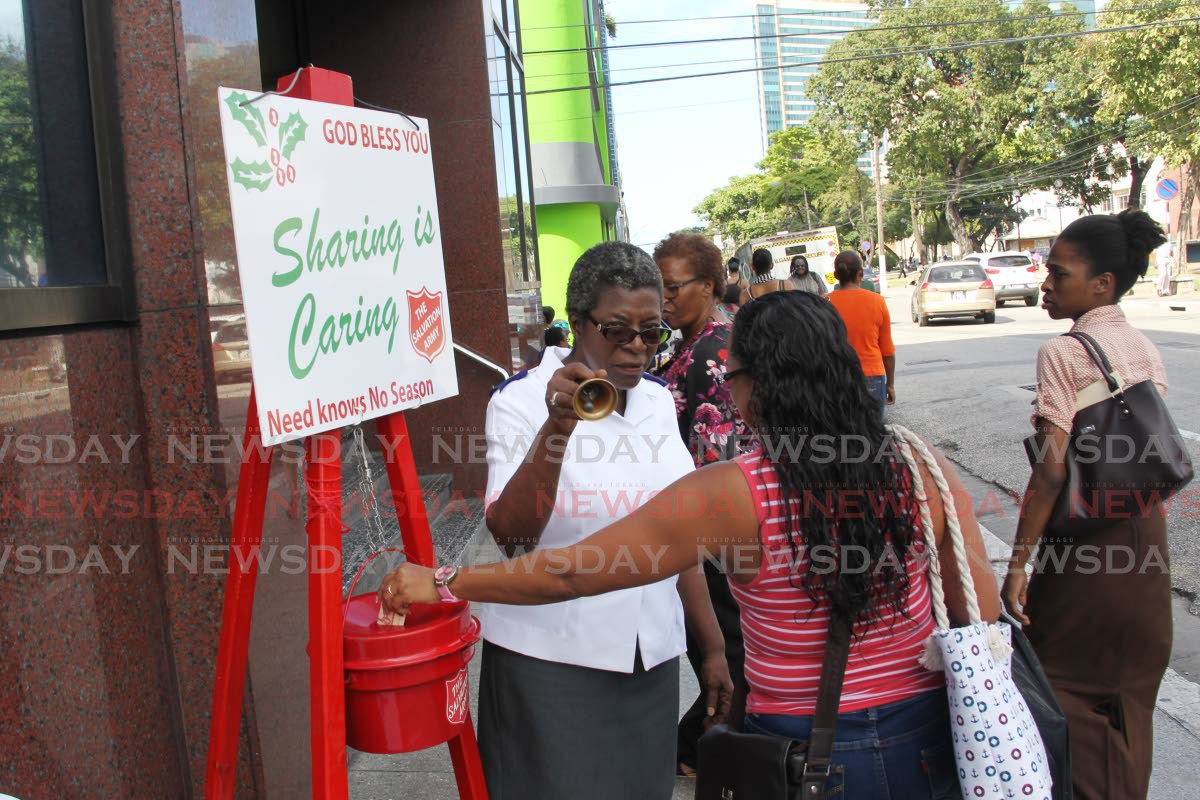
    Across Trinidad and Tobago’s bustling shopping centers and public spaces, the familiar sight of bright red kettles and ringing bells heralds the arrival of the Christmas season—and a 124-year tradition of compassionate giving. The Salvation Army’s iconic fundraising campaign, launched locally in the early 1900s, continues to serve as a critical support system for vulnerable communities despite evolving challenges.

    Major Chris Matthias, divisional commander overseeing operations in TT, St. Vincent, and Grenada, reveals this year’s ambitious target: $600,000 TT through the Christmas Kettle Appeal. The campaign, running from November 7 to December 31, deploys 28 collection points nationwide (26 in Trinidad, 2 in Tobago), though volunteer availability remains a persistent constraint.

    The initiative’s origins trace back to 1891 San Francisco, where Salvation Army Captain Joseph McFee adapted a Scottish maritime charity tradition. Recalling Fishermen’s Wharf’s donation pot for families of lost sailors, McFee employed an iron crab pot to fund hot meals for the impoverished. This grassroots effort rapidly expanded across the Bay Area, evolving into the recognizable red-kettle phenomenon that eventually inspired the classic Christmas ballad Silver Bells.

    In Trinidad and Tobago, where The Salvation Army formally incorporated in 1915, the kettle program serves multiple humanitarian functions. Funds enhance Christmas food hampers beyond regular distributions, support children’s holiday parties, and provide personal care packages during institutional visits to five major medical facilities—including the traditional Christmas morning visit to Port of Spain General Hospital.

    Matthias emphasizes the program’s transformative impact, recounting how one recipient eventually secured employment and housing before returning to express gratitude. This exemplifies the organization’s philosophy of providing ‘hand-ups’ rather than mere handouts.

    Despite maintaining robust transparency through independently audited reports mandated by the Street Collections (Control) Act, the organization faces growing challenges. Donor bases have contracted at both individual and corporate levels, while demand has surged—particularly among single-parent households affected by recent nationwide layoffs.

    Safety protocols ensure volunteers receive training in public interaction, donation handling, and site security, with donors encouraged to place contributions directly into kettles. The organization continues seeking business partnerships similar to international models where corporations staff kettle locations as part of CSR initiatives—though such collaborations remain elusive locally.

    Matthias concludes with a poignant reminder: Need knows no season. While kettle donations peak during holidays, public support through food contributions remains vital year-round. The ultimate gift, he reflects, extends beyond material assistance—offering hope, joy, and love through practical compassion that transforms lives during the festive season and beyond.

  • The Parang Lab brings story time to schools

    The Parang Lab brings story time to schools

    A groundbreaking educational initiative is revolutionizing how young generations experience traditional parang music in Trinidad and Tobago. Led by vocalist, composer, and cultural researcher Curtra Skeete of Arima, The Parang Lab employs an innovative methodology that merges musical performance with literary storytelling and interactive learning.

    Established earlier this year, the project takes a scientific approach to cultural preservation, with Skeete and fellow musicians presenting themselves as ‘parrangologists’ – doctors specializing in the art form. Through bilingual storytelling sessions that incorporate live musical accompaniment, children gain both educational and interactive exposure to traditional parang, experiencing what Skeete describes as ‘the organic side of the art form.’

    The initiative’s unique methodology includes the development of a children’s book series targeting ages five to eight. Three manuscripts are currently under review, including ‘Maria Primera Parranda’ (chronicling a child’s inaugural parang experience), ‘John Boy and the Golden Cuatro’ (about self-taught musical mastery), and a tribute to legendary parang queen Clarita Rivas. Skeete incorporates these narratives into live sessions, with plans to expand the series to six volumes incorporating magical realism and cultural iconography.

    Skeete’s childhood experiences in Santa Rosa Heights, accompanying relatives to traditional house-to-house parang performances, profoundly influenced her artistic path. She later competed as a vocalist in secondary school parang competitions and has co-composed songs with her brother, Curt Skeete of Soñadores the Band.

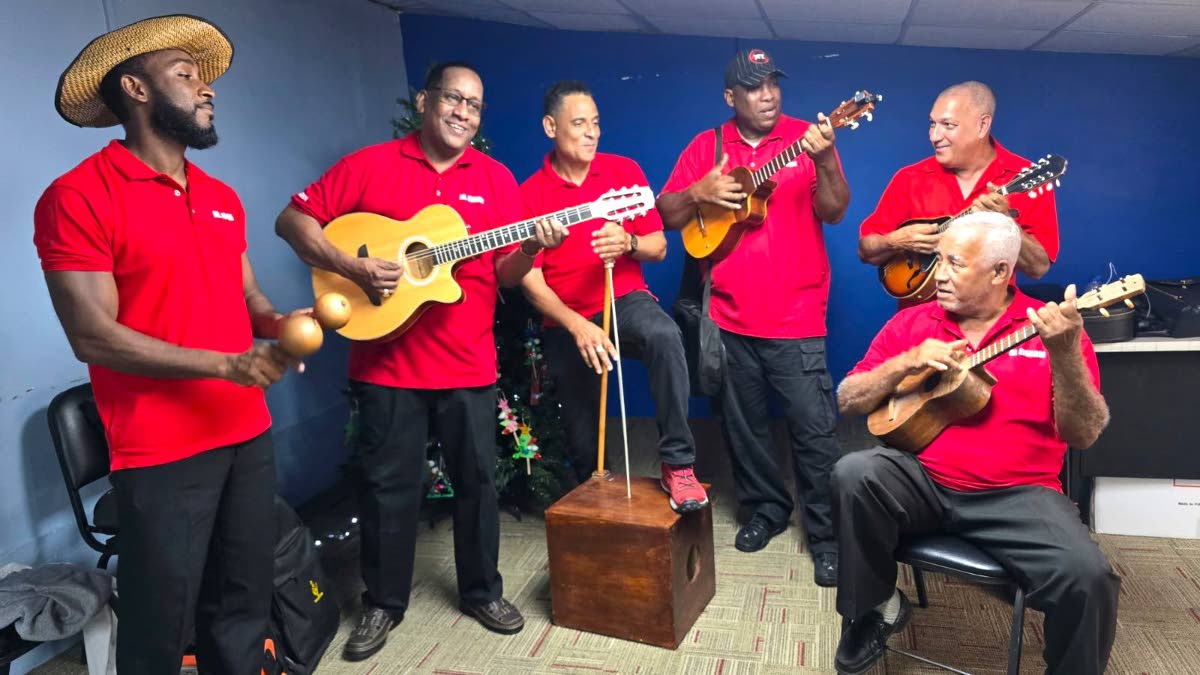
    The Parang Lab has already conducted sessions at numerous educational institutions including Ashley B’ Learning Academy, St Michael’s Anglican Primary, and Arima Presbyterian. Sessions typically feature traditional instruments like box bass, guitar, cuatro, toc-toc, and maracas, deliberately maintaining authentic musical roots despite the genre’s evolution toward concert-style performances.

    Participating musicians include Dr. David Subero, Sebastian Subero, Ryan Wiseman, and several other accomplished performers. The program operates on an invitation-only basis, offered free of charge to schools, typically scheduling visits on Fridays. Skeete, who holds a degree in Latin American Studies and Spanish from the University of the West Indies, also serves as a program facilitator with NGO Vision on Mission, bringing professional expertise to this cultural preservation effort.

  • Esperance Soroptimists launches Cedros Mural Activism Project

    Esperance Soroptimists launches Cedros Mural Activism Project

    In a vibrant display of activism, Soroptimist International Esperance has launched the Cedros Mural Activism Project, marking the commencement of the global 16 Days of Activism Against Gender-Based Violence. The initiative, situated near Beaulieu Recreation Grounds and Cedros Secondary School, directly aligns with this year’s UN Women theme combating digital violence against women and girls.

    The striking orange mural serves as both artistic statement and practical resource, featuring six bilingual messages that address various dimensions of gender-based violence. These messages highlight non-physical abuse patterns, confront human trafficking realities, warn about online predators, advocate for victim support, and provide essential contact information for assistance services. This project extends the club’s previous efforts, including the installation of awareness benches addressing human trafficking in July.

    The launch event garnered significant governmental support, with Minister of People Social Development and Family Services Vandana Mohit declaring the initiative “a national symbol of resistance against abuse, exploitation and digital violence.” Minister Mohit emphasized national responsibility in breaking digital gender-based violence walls through policy measures, counseling services, grant support, and community interventions.

    Notably, the Soroptimists’ ‘Think Before You Click’ initiative previously received the Delegates Choice Best Practice Award at the Soroptimist International of Great Britain and Ireland Conference. The program, developed in partnership with the UN Office on Drugs and Crime (UNODC), educates secondary school girls about cybercrime protection and gender-based violence prevention.

    Director of The Counter Trafficking Unit Allan Meiguel endorsed the campaign while highlighting the urgent need for a dedicated service office in the vulnerable coastal community of Cedros. This sentiment was reinforced by Energy Minister and local MP Ernesto Kesar, who emphasized that gender-based violence constitutes a societal issue requiring collective condemnation and action.

    The event culminated in a powerful appeal urging legislative action against digital violence, increased investment in women’s organizations, and community commitment to challenging harmful online norms while supporting survivors.

  • SRPs vs TTPS?

    SRPs vs TTPS?

    A contentious meeting between Special Reserve Police (SRP) officers and Trinidad and Tobago Police Service (TTPS) management has exposed significant challenges in implementing Homeland Security Minister Roger Alexander’s directive to integrate 800 reserve officers into the regular force.

    The December 3 gathering descended into chaos when senior TTPS officials cut microphone access following controversial comments from an SRP representative. The tension escalated particularly around the requirement for incoming officers to possess a CSEC pass in English Language, revealing deep divisions between the groups.

    Assistant Commissioner of Police Curt Simon attempted to restore order, emphatically stating that “The TTPS is not a market or a parlour,” emphasizing that selection for regular service constitutes a privilege rather than an entitlement. This declaration prompted several SRP members to exit the meeting in protest.

    This confrontation represents the latest development in a long-standing struggle for improved status among reserve officers. Only in July, following a judicial ruling by Justice Frank Seepersad, were SRPs and municipal police granted voting rights in police association elections.

    The current integration initiative, designed to address a staffing shortfall of 1,154 officers, marks the most substantial proposed change in SRP status since 2019. That year, authorities targeted integrating 500 reserve officers into full police roles.

    Deputy Commissioner Junior Benjamin subsequently assured media outlets of the service’s commitment to fulfilling the cabinet directive. However, this assurance comes with the recognition that elevating potentially unqualified or unprepared officers to full TTPS duty could significantly impact both police operations and public safety.

    The resistance to basic academic requirements suggests that SRP recruitment standards may have been considerably more flexible than those applied to regular officers. While Minister Alexander may personally know qualified SRPs who could transition effectively, identifying 800 such candidates presents a considerable challenge.

    Police leadership appropriately maintains that any integration process must include rigorous, transparent assessment protocols alongside provisions for remedial training where necessary. Experts suggest that reserve officers indicating interest in regular service should receive preparation from their initial deployment, ensuring they meet the functional standards required of all officers performing full police duties.

  • Reconstructing masculinity

    Reconstructing masculinity

    As the International Day for the Elimination of Violence Against Women concludes, the grim reality of ongoing gender-based violence persists unabated. Hazel Thompson-Ahye, a seasoned legal professional, reflects on the tragic pattern of domestic fatalities that continue to plague society, questioning how many more women must perish before substantive change occurs.

    The recent murder of Councillor Romona Teeneal Victor represents the latest chapter in a devastating narrative that Thompson-Ahye first witnessed four decades ago with the death of client June Edwards. Despite court-issued injunctions and legal interventions, the system failed to prevent Edwards’ husband from stabbing her before ending his own life. The haunting memory of Edwards’ young children at their mother’s funeral remains etched in Thompson-Ahye’s consciousness, symbolizing the profound collateral damage of domestic violence.

    Through her extensive career, Thompson-Ahye has adopted a survival-first approach, advising clients to immediately flee dangerous situations regardless of material sacrifices. However, she acknowledges the complex barriers that prevent many from leaving, including homelessness and paralyzing fear. Her practice has evolved to include counseling male clients, encouraging emotional maturity and acceptance when relationships end. One transformative success story involved a formerly troublesome client who reformed his behavior and maintained positive communication years later.

    The legal profession bears significant responsibility in preventing violence, Thompson-Ahye emphasizes. She recalls a catastrophic instance where a lawyer’s negligence resulted in a client fracturing his wife’s skull with a hammer. This incident underscores the critical need for legal professionals to exercise diligent protection measures.

    Educational reform represents another crucial frontier. Thompson-Ahye advocates for comprehensive training from preschool onward to help both girls and boys recognize abusive patterns and understand gender equality. The University of the West Indies Laboratory Pre-School’s model of teaching equality through difference provides a replicable framework for nationwide implementation.

    While legislative improvements have been made to the Domestic Violence Act, Thompson-Ahye criticizes law enforcement’s continued failure to treat domestic violence with the same seriousness as other crimes. She argues that police must investigate regardless of victim cooperation, breaking the cycle of impunity.

    In tribute to victims, Thompson-Ahye shares her calypso composition “Ah Reconstructing Masculinity,” originally written to honor Professor Eudine Barriteau of UWI Cave Hill. The poem employs powerful symbolism—hard hats, steel-tipped boots, and toolkits—to represent the rebuilding of masculinity with gender sensitivity, emotional intelligence, and respect. Updated verses for 2025 celebrate Trinidad and Tobago’s female leadership while advocating for women’s expanded roles in governance, particularly in financial management where Thompson-Ahye believes women demonstrate superior competency.

  • Legislation being drafted against price-gouging

    Legislation being drafted against price-gouging

    Trinidad and Tobago’s Consumer Affairs Division currently lacks legal authority to penalize businesses engaging in price-gouging practices, though comprehensive consumer protection legislation is now in development. This critical gap in enforcement capabilities emerged during a December 5 Joint Select Committee on Finance and Legal Affairs meeting, where officials addressed the nation’s escalating food security challenges and mounting import expenses.

    Committee Chair Dr. Marlene Attzs, alongside members Brian Manning and Vishnu Dhanpaul, confronted trade ministry representatives about persistently high grocery prices that continue to burden consumers. When questioned whether tax and duty removals on imported food actually resulted in retail price reductions, Trade Facilitation Director Neville Alexander acknowledged the ministry’s monitoring efforts but confirmed they could only provide guidance rather than enforcement.

    “We monitor prices before and after implementation of measures,” Alexander explained. “We inform the public about expected savings from government actions, but ultimately advise consumers to avoid retailers who fail to pass on these benefits—this represents our current approach.”

    The absence of legal penalties leaves consumers vulnerable, a concern underscored by Attzs during the proceedings. Candice Hicks, Director of the Legal Unit, revealed that consumer protection legislation featuring a penalty framework is now prioritized at the bill stage. “We’ve placed it at the top of our legislative agenda,” Hicks stated, while noting the ministry cannot control parliamentary timing. The target for completing ministerial preparations is the first quarter of 2026.

    Permanent Secretary Abigail Bynoe indicated that implementing enforcement capabilities would necessitate additional staffing and potential restructuring of the division to handle investigations. Meanwhile, agriculture officials provided context for why tax removals don’t always translate to consumer savings. Acting Chief Technical Officer Dr. Ian Mohammed noted importers frequently cite external cost pressures to justify maintaining high prices.

    Bynoe presented significant economic data, revealing Trinidad and Tobago’s food import bill stands at US$1.08 billion against exports of approximately US$500 million. She emphasized that many imports constitute essential raw materials for local production, supporting higher value-added manufacturing and foreign exchange earnings through exports. The poultry industry exemplifies this dynamic, where imports of hatching eggs and feed enable both domestic market satisfaction and substantial export value.

    The government has established ambitious targets: reducing the food import bill by US$2 billion while increasing exports by US$1 billion. Achieving these goals will require modernizing farming practices, investing in critical infrastructure, improving water management, addressing agricultural crime, and revitalizing strategic agricultural industries through expanded value-added production.

  • Man dies in New Grant fire

    Man dies in New Grant fire

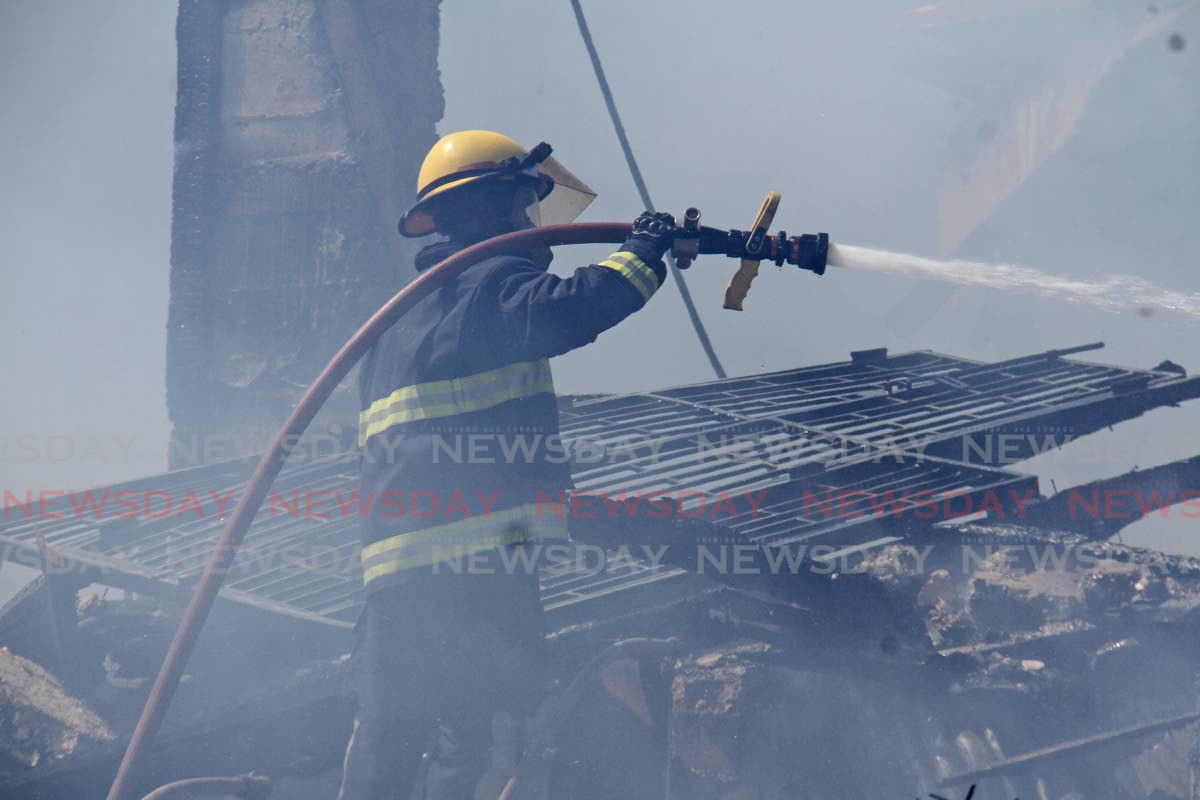
    A devastating residential fire in the New Grant community has resulted in the tragic death of a 40-year-old man on December 7th. The victim has been identified as Armanath Ramnarinesingh, who perished in the blaze that engulfed his two-story residence located on Frederick Branch Road.

    According to preliminary reports obtained by Newsday, the catastrophic fire ignited approximately at 7:00 PM, rapidly consuming the structure where Ramnarinesingh resided. Emergency responders, including fire service personnel, rushed to the scene upon notification, battling the flames in efforts to control the inferno and prevent further destruction.

    The exact cause of the conflagration remains undetermined at this time, with authorities launching a comprehensive investigation into the incident. Fire officials and forensic experts are meticulously examining the premises to establish the origin and circumstances that led to the deadly outbreak.

    While the confirmed casualty remains singular, officials have not yet issued definitive statements regarding potential additional victims. The investigation continues as community members mourn the loss of life in this tragic incident, which highlights ongoing concerns about residential fire safety protocols and emergency response effectiveness in the region.